
What is mixed media?
- Show All
- Established
- Discoveries
- Show All
Artworks Related to Mixed Media
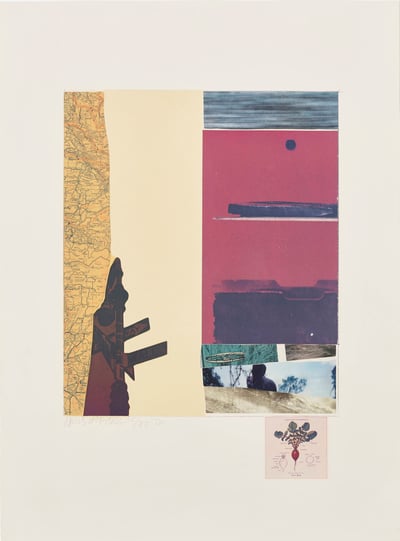
Robert Rauschenberg
XI (from Horsefeathers Thirteen), 1972
Limited Edition Print
Mixed Media
Inquire For Price
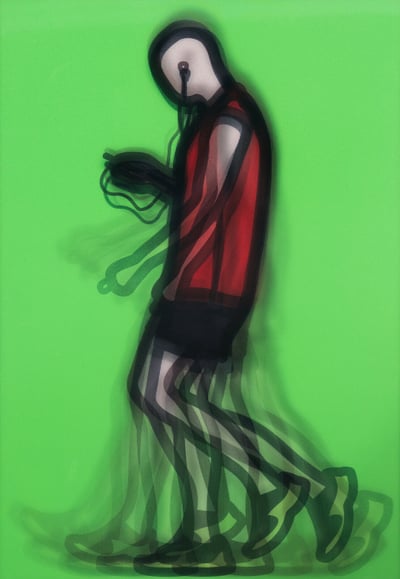
Julian Opie
Mechanic (from Walking in London II), 2014
Limited Edition Print
Mixed Media
GBP 10,000 - 15,000
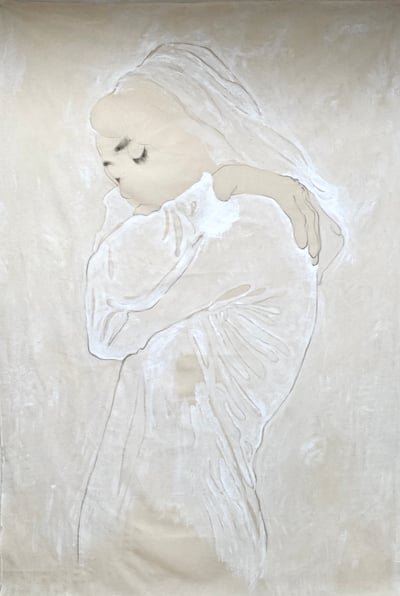
Eva Claessens
Grace, 2025
Painting
Mixed Media
EUR 9,500
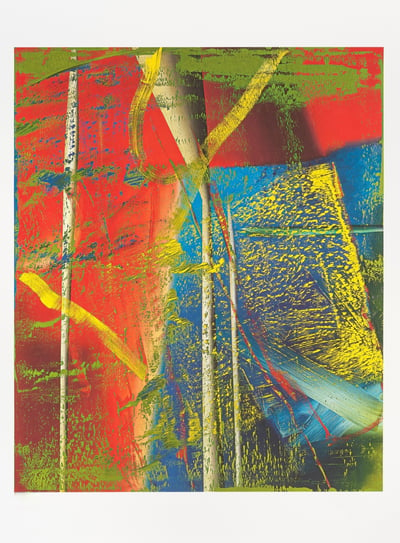
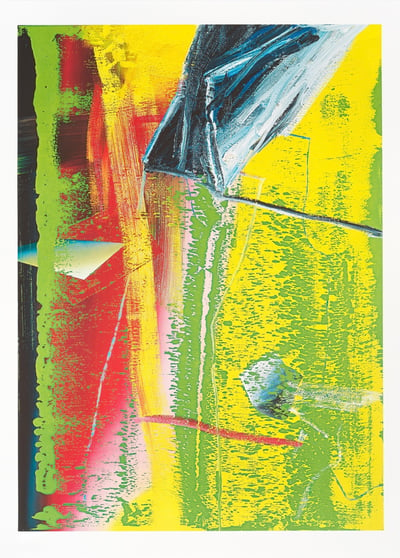
Gerhard Richter
Juno, 1983 (Werk 528), 1982/2025
Limited Edition Print
Mixed Media
EUR 1,880
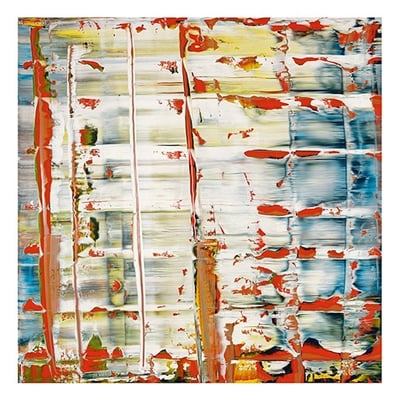
Gerhard Richter
Abstraktes Bild, 1982 (Werk 503), 1982/2025
Limited Edition Print
Mixed Media
EUR 1,880
Gerhard Richter
Abstraktes Bild, 1992/2023
Limited Edition Print
Mixed Media
EUR 1,880
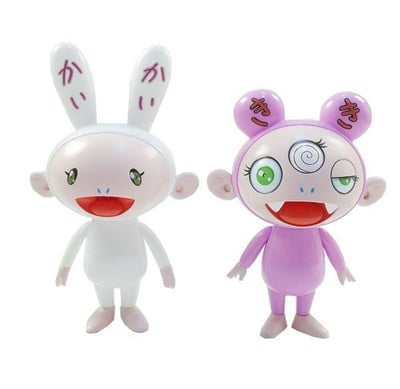
Takashi Murakami
Kaikai and Kiki, 2018
Sculpture / Object
Mixed Media
EUR 4,800
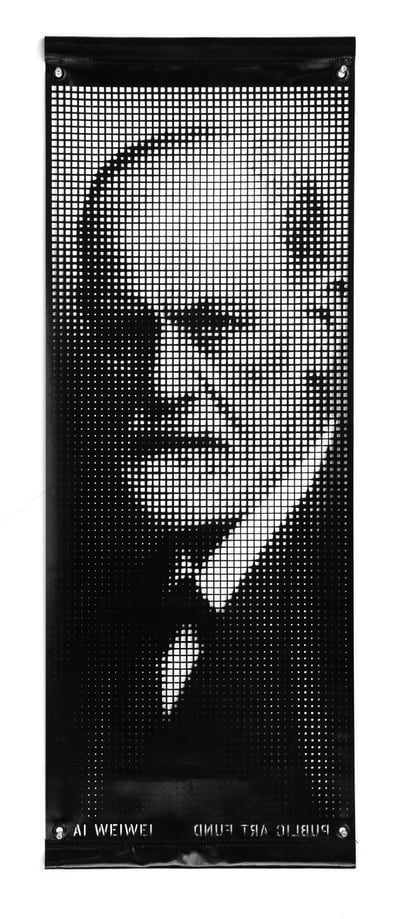
Weiwei Ai
Freud Banner, 2018
Limited Edition Print
Mixed Media
EUR 1,350
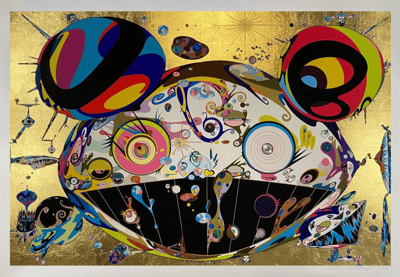
Takashi Murakami
Tan Tan Bo, 2016
Limited Edition Print
Mixed Media
EUR 29,250
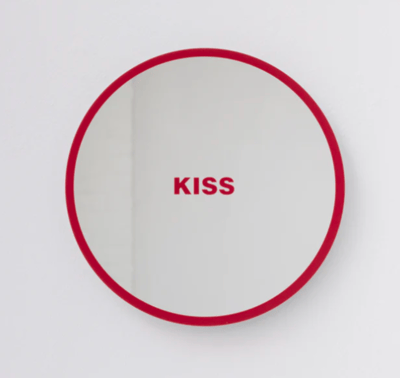
Barbara Kruger
Untitled (2Kiss), 2024
Sculpture / Object
Mixed Media
EUR 1,850
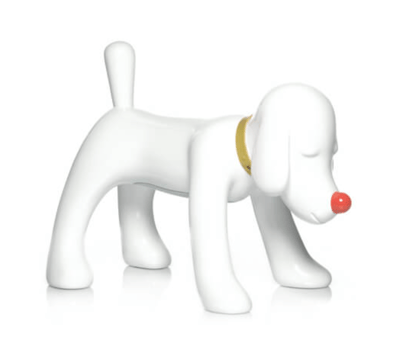
Yoshitomo Nara
Doggy Radio, 2011
Sculpture / Object
Mixed Media
EUR 4,650
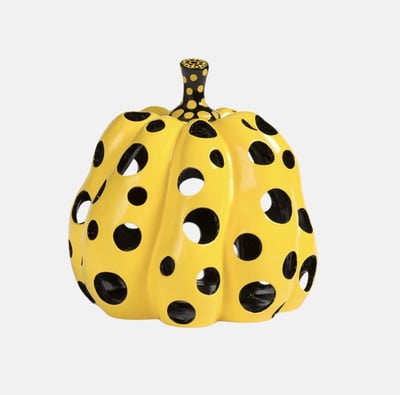
Yayoi Kusama
Pumpkin (NGV), 2025
Sculpture / Object
Mixed Media
GBP 15,000 - 20,000
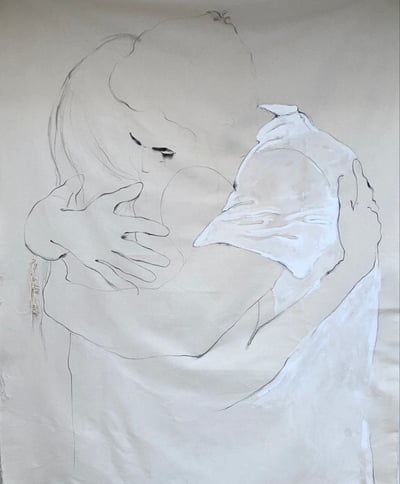
Eva Claessens
Embrace, 2025
Painting
Mixed Media
Inquire For Price
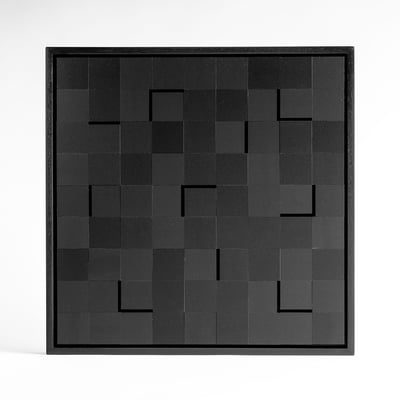
Luis Tomasello
Lumiere noire unique VI/X, 2011
Sculpture / Object
Mixed Media
EUR 3,500
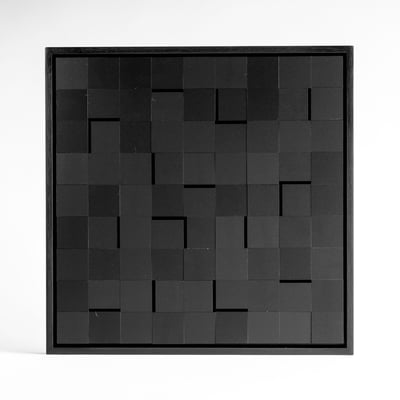
Luis Tomasello
Lumiere noire unique V/X, 2011
Sculpture / Object
Mixed Media
EUR 3,500
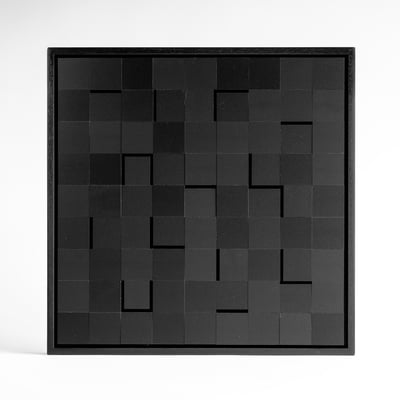
Luis Tomasello
Lumiere noire unique IV/X, 2011
Sculpture / Object
Mixed Media
EUR 3,500
Related Articles
American Abstract Artists (AAA) is an organization founded in New York City in 1936 to promote abstract art and its appreciation in the United States. At a time when abstract art faced strong opposition from critics, the AAA provided crucial exhibition opportunities for abstract artists, helping to foster the growth and acceptance of the movement.
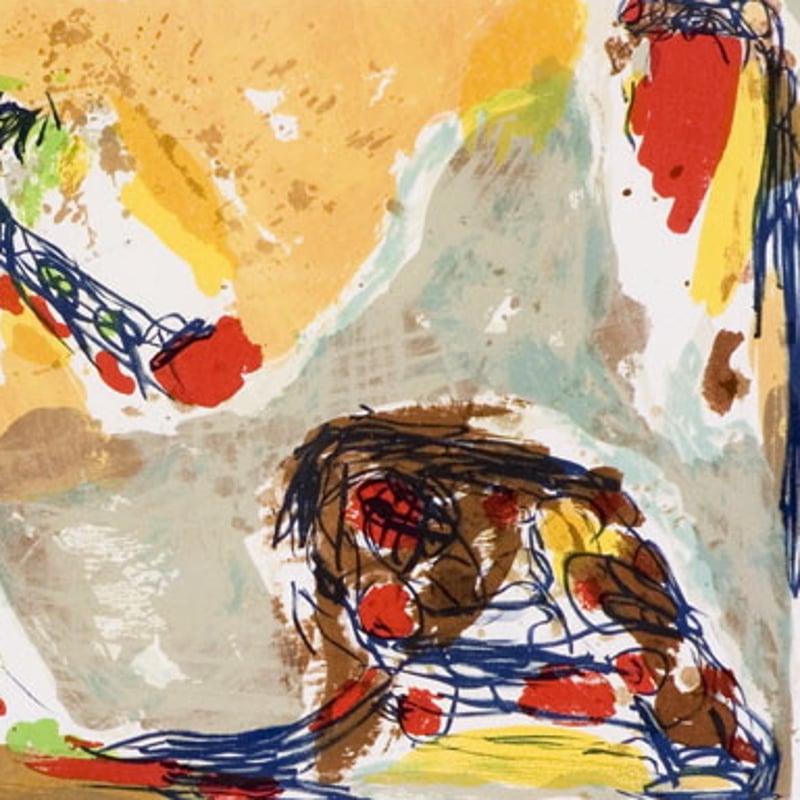
Situationism is a psychological theory that gained prominence in 1968, following the publication of a monograph by Walter Mischel that sparked the Person-situation debate. This theory argues that behavior is primarily influenced by external situational factors rather than internal traits or motivations, challenging the ideas of trait theorists like Raymond B. Cattell and Hans Eysenck, who emphasized stable personality traits. It is important not to confuse this with the Situationist International movement, an artistic and political movement founded by Asger Jorn, which focused on the critique of modern consumer society and the influence of environments on human behavior.
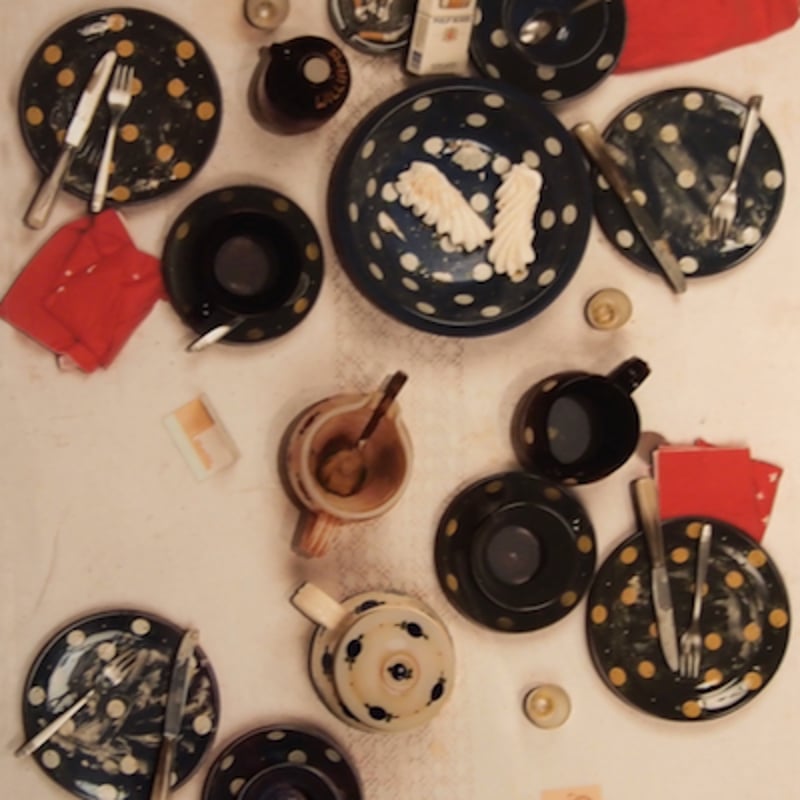
Nouveau Réalisme is an artistic movement founded in 1960 by art critic Pierre Restany and painter Yves Klein during a collective exhibition at a gallery in Milan. Restany wrote the original manifesto in April 1960, proclaiming the movement. In October of that year, nine artists, including Martial Raysse, Yves Klein, Daniel Spoerri, Jean Tinguely, Arman, Pierre Restany, and three Ultra-Lettrists—Jacques de la Villeglé, François Dufrêne, and Raymond Hains—signed the declaration. In 1961, the movement expanded to include Mimmo Rotella, Niki de Saint Phalle, Gérard Deschamps, and César. The movement emphasized a return to reality in art, often incorporating everyday objects and exploring the boundaries between art and life.
Can't find your Answer?
Thank you! Your question has been sent — we'll get back to you shortly.
