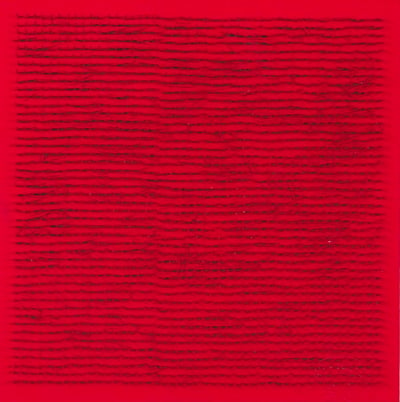
Bernard Aubertin
Bernard Aubertin (France, 1934–2015) was a key figure in the Zero movement, renowned for his monochromatic red paintings and burnt wood works. His art explored themes of repetition, destruction, and renewal, using fire and uniformity as central elements. Aubertin’s innovative approach challenged traditional painting, leaving a lasting impact on contemporary conceptual art.
© Bernard Aubertin. All rights reserved.
- Recently Added
- Price (Low-High)
- Price (High-Low)
- Year (Low-High)
- Year (High-Low)
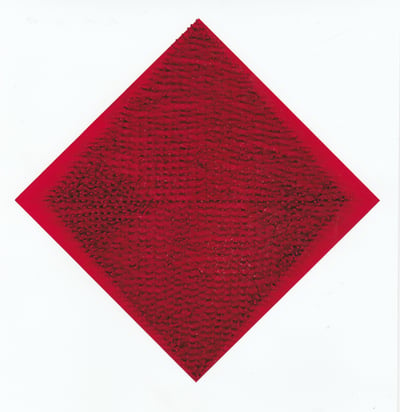
Bernard Aubertin
Clou - with pattern , 1966
Painting
Mixed Media
EUR 20,000 – 30,000
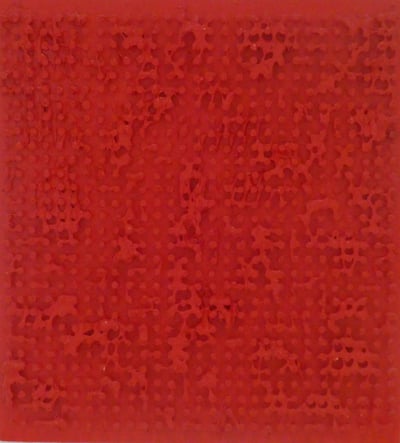
Bernard Aubertin
Abidjan, 2014
Painting
Mixed Media
EUR 5,400
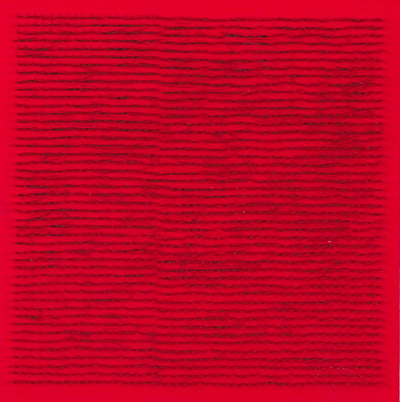
Bernard Aubertin
Clou (rouge), 1968
Painting
Mixed Media
EUR 20,000 – 30,000
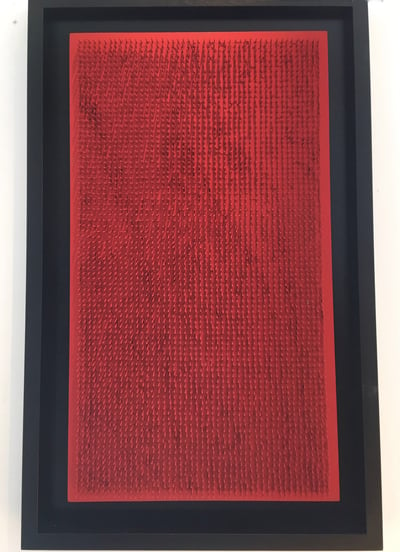
Bernard Aubertin
Clou, 1969
Painting
Mixed Media
EUR 20,000 – 30,000
There are two colours in my work, the black of fire, of caramelization, of cremation and the red of the monochrome painting.
- Bernard Aubertin
- Bernard Aubertin
An artist whose works were heavily monochromic, Bernard Aubertin made use of the colour red as a means of evoking feelings and topics pertaining to the colour itself – be it violence, austerity, simplicity or fire. Initially, Aubertin was influenced by Klein, a fellow monochromic artist, and then went on to become a member of the Zero Dusseldorf Group alongside Heinz Mack and Piero Manzoni. He began to incorporate fire into his work during the early 60’s - the natural spontaneity of fire helped Aubertin to create charred, unique works that denoted the capability of a destructive force to create and breathe life into something – a technique used in his Livre Brule piece. Asides from fire, Aubertin also used nails as a means of expression – one of his most famous works, Tablea Clous, is comprised of several nails in a wooden board, covered in a dense layer of vivid red paint; the shadows of these nails alter depending on the way the light is cast, or the angle from which an onlooker is viewing. (Artist website)
Related Artists
Related Articles
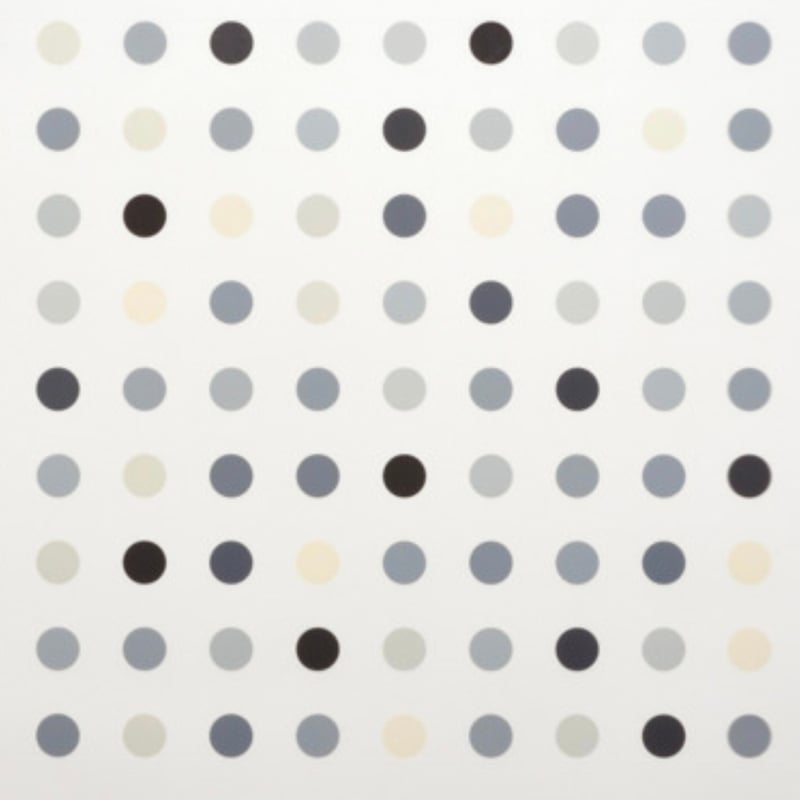
Popular, Artists, Collecting - September 8, 2026
Damien Hirst’s Spot Prints and the Language of Pharmaceuticals
Explore Damien Hirst Spot prints, from pharmaceutical etchings and woodcuts to later editions, with guidance on titles, edition sizes and signatures.Read More
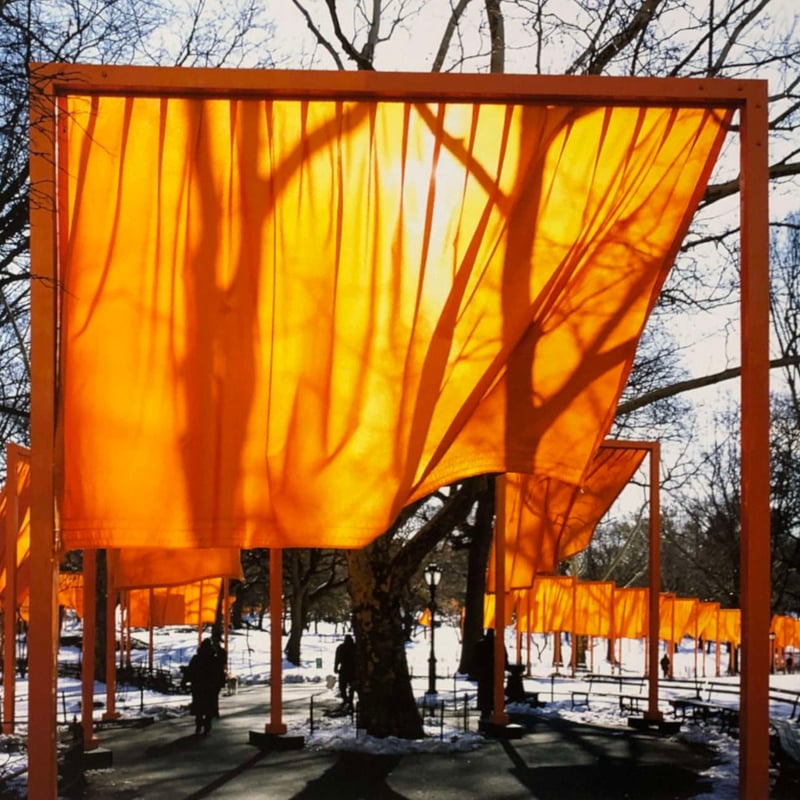 Artwork © Javacheff Christo; Jeanne-Claude; W.Volz
What is Emphemeral Art?
Ephemeral art is a type of art that occurs only once and typically lasts for a very short period. It cannot be displayed as a traditional work of art in a gallery or museum. Examples of ephemeral art include performances, happenings, sound sculptures, flyers, and mass-produced items. This art form emphasizes the transient nature of the experience, existing o…
Explore »

