
Miles Aldridge
© Miles Aldridge. All rights reserved.

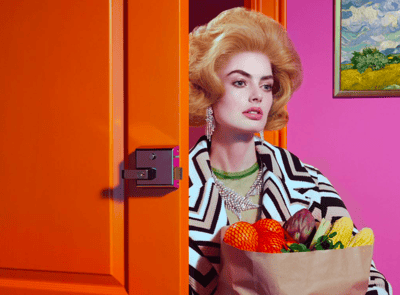
Miles Aldridge
Doors #4, 2023
Limited Edition Print
Screen-print
EUR 7,000
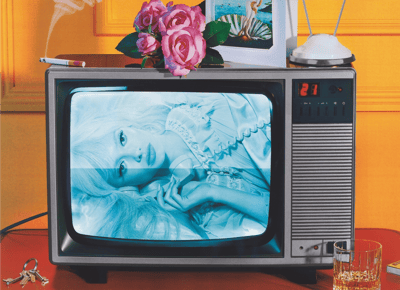
Miles Aldridge
Doors #2, 2023
Limited Edition Print
Screen-print
EUR 7,000
Miles Aldridge
Venus Etcetera (after Botticelli), 2022
Limited Edition Print
Screen-print
EUR 15,000

Miles Aldridge
Carousel (portfolio of 32 works), 2013
Limited Edition Print
Mixed Media
USD 11,950
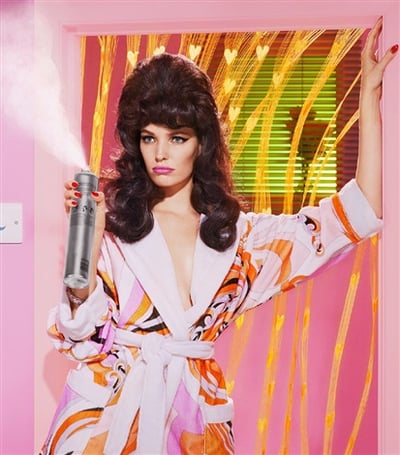
Miles Aldridge
New Utopias #2, 2018
Limited Edition Print
Screen-print
EUR 7,000

Miles Aldridge
Hell... It`s Only Forever (after Harland Miller), 2017
Limited Edition Print
Screen-print
EUR 7,000

Miles Aldridge
Better Than Life, 2017
Limited Edition Print
Screen-print
EUR 7,000

Miles Aldridge
New Utopias#4, 2018
Limited Edition Print
Screen-print
EUR 7,000
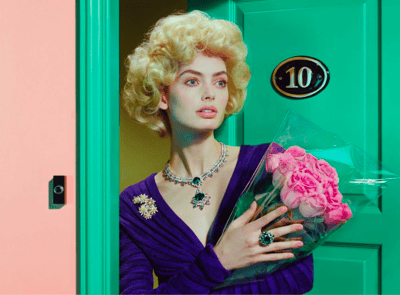
Miles Aldridge
Doors #1, 2023
Limited Edition Print
Screen-print
Currently Not Available
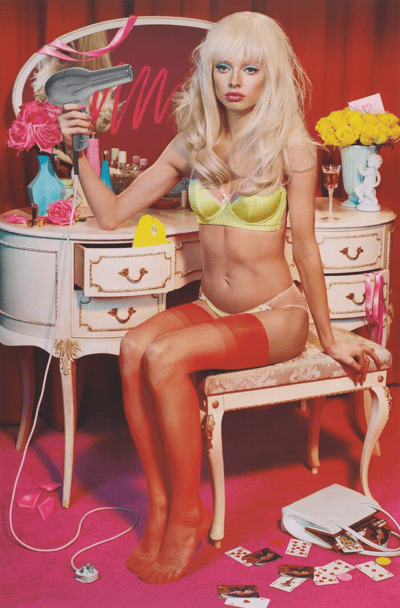
Miles Aldridge
Venus Etcetera (after Velázquez), 2022
Limited Edition Print
Screen-print
Currently Not Available
- Miles Aldridge
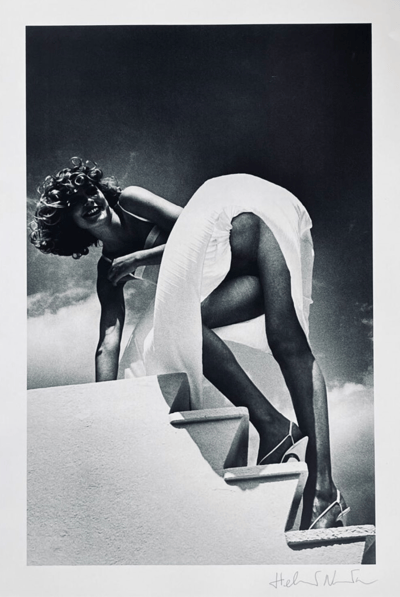
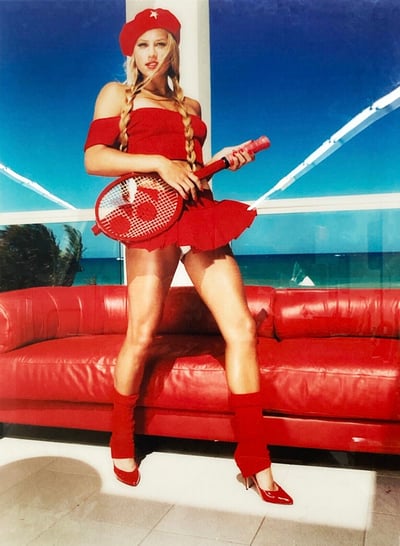
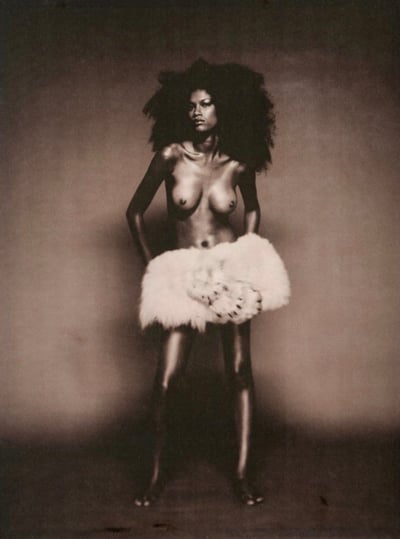
Related Artists

Related Articles
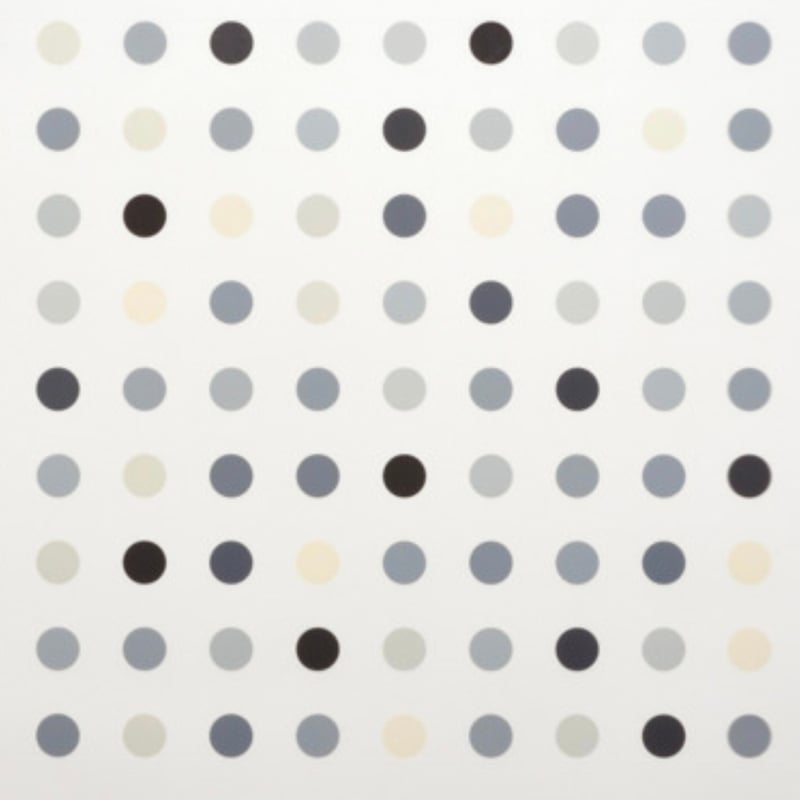
Popular, Artists, Collecting - September 8, 2026
Damien Hirst’s Spot Prints and the Language of Pharmaceuticals
Explore Damien Hirst Spot prints, from pharmaceutical etchings and woodcuts to later editions, with guidance on titles, edition sizes and signatures.Read More
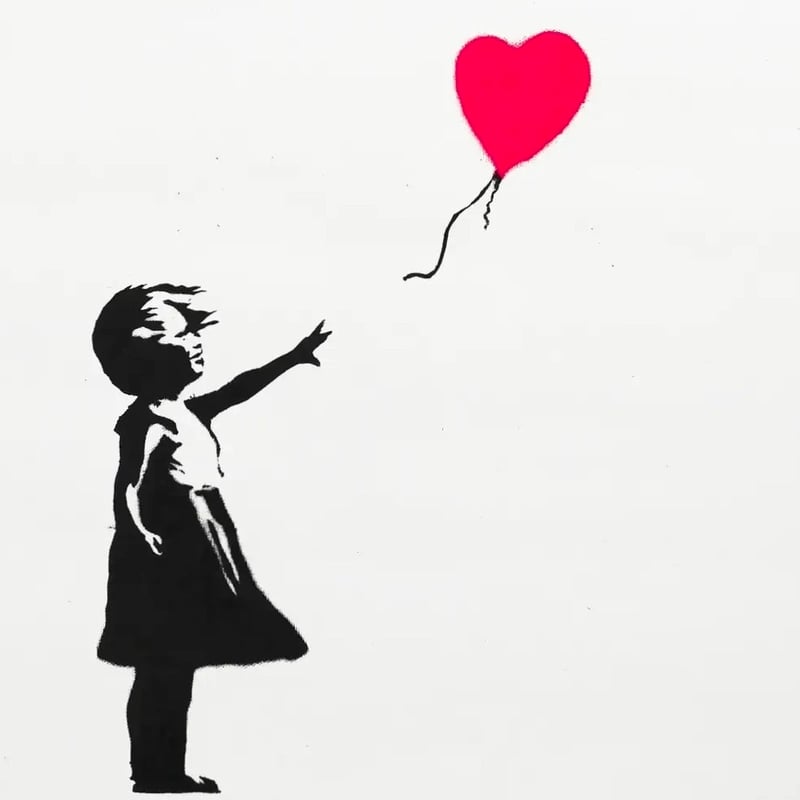
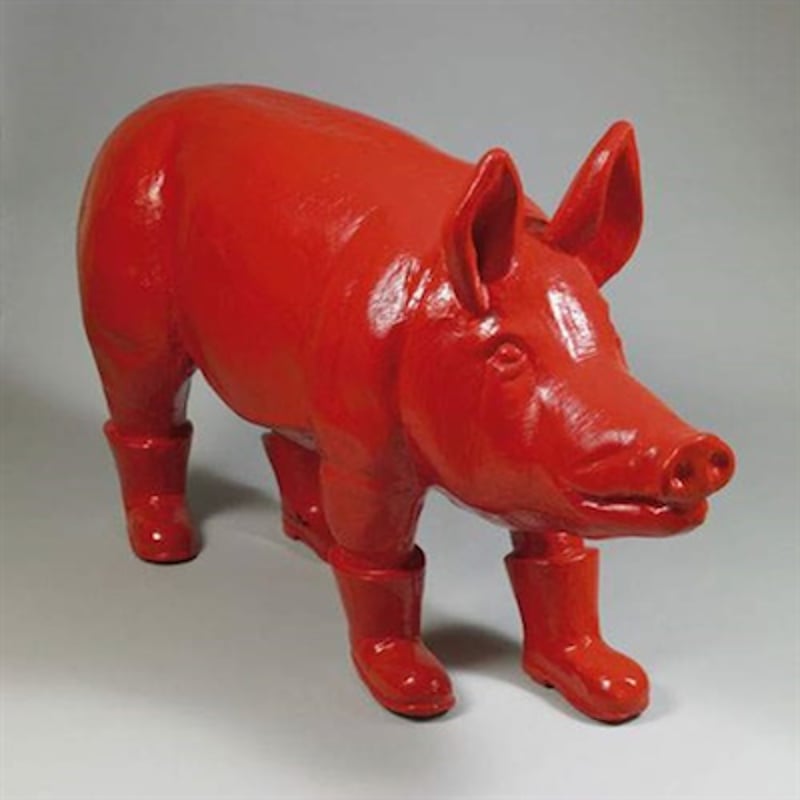 Artwork by William Sweetlove
What is Kitsch?
Kitsch is a term used to describe cheap, commercial, sentimental, or vulgar art and objects commonly associated with popular culture. The word is borrowed from German, where it originally means trash. Since the 1920s, kitsch has been used to denote the opposite of high art, often implying that the work lacks sophistication or artistic merit.
Explore »

