Yayoi Kusama
Yayoi Kusama (Japan, 1929–2026) was a pioneering artist known for her avant-garde vision, using polka dots, mirrors, and immersive installations to explore themes of infinity and self-obliteration. Her Infinity Rooms and bold, colourful works became landmarks of contemporary art, while her practice intersected with and influenced developments in Pop Art and Minimalism. Kusama’s art combined obsession, repetition, beauty, and transcendence, making her one of the most internationally celebrated artists of her generation.
© Yayoi Kusama. All rights reserved.
Yayoi Kusama
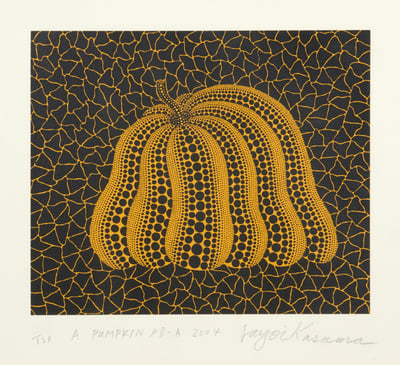
A Pumpkin YB-A (Kusama 325), 2004
Limited Edition Print
Screen-print
GBP 43,000 – 55,000

Yayoi Kusama
Dancing Pumpkin (YBL) (Kusama 320), 2004
Limited Edition Print
Screen-print
GBP 60,000 – 70,000
Yayoi Kusama
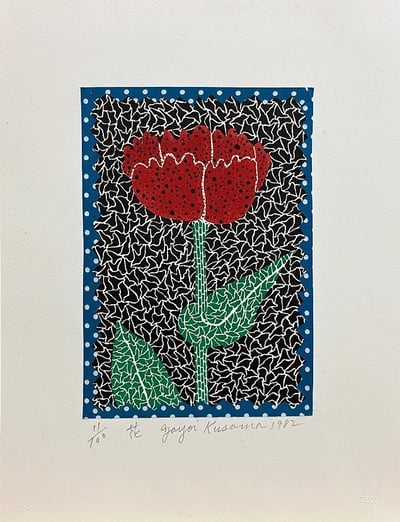
Flower, 1982
Limited Edition Print
Collage
USD 20,000 – 25,000
Yayoi Kusama
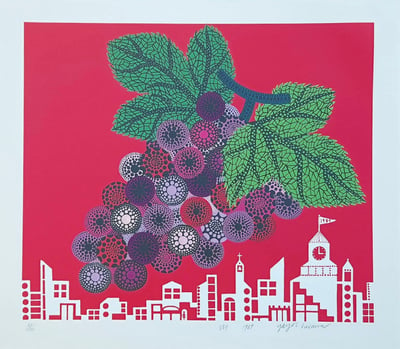
Grapes In The City, 1989
Limited Edition Print
Screen-print
USD 34,500 – 43,500
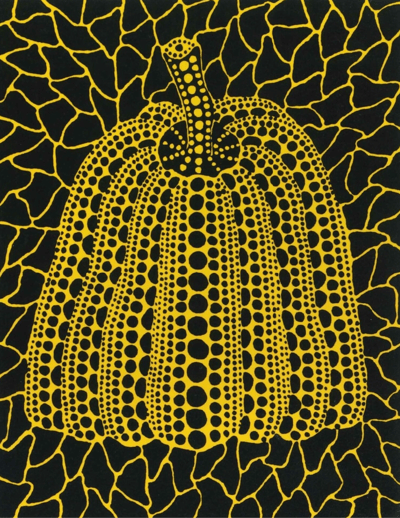
Yayoi Kusama
Pumpkin (S), 1992
Limited Edition Print
Screen-print
GBP 37,500
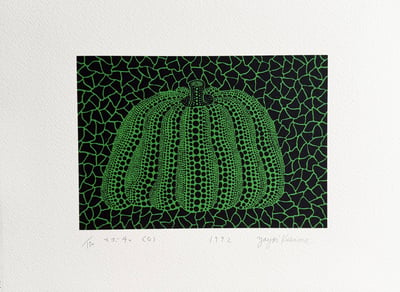
Yayoi Kusama
Pumpkin (G), 1992
Limited Edition Print
Screen-print
USD 45,750
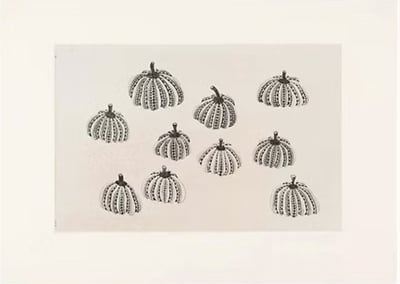
Yayoi Kusama
Pumpkin Army, 1994
Limited Edition Print
Etching
GBP 45,000 – 50,000

Yayoi Kusama
Shangai Expo Silk Scarf Yellow, 2010
Tapestry
Mixed Media
EUR 7,000 – 9,000
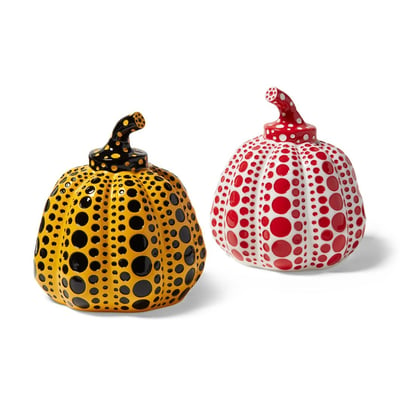
Yayoi Kusama
Red and Yellow Pumpkins, 2015
Sculpture / Object
Mixed Media
EUR 1,850
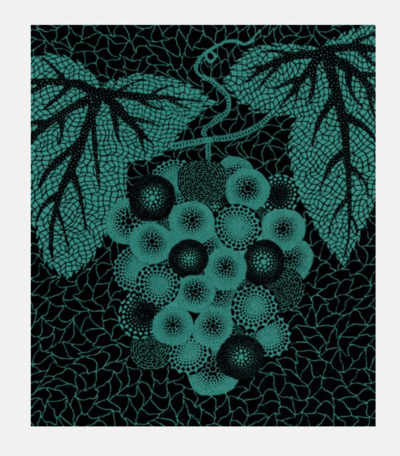
Yayoi Kusama
Grapes (Kusama 29), 1983
Limited Edition Print
Screen-print
GBP 30,000 – 40,000
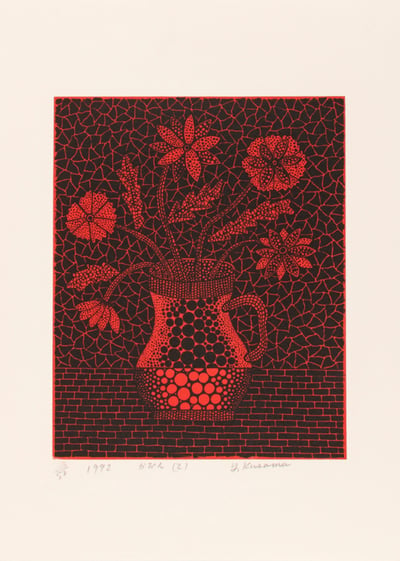
Yayoi Kusama
Vase (2) (Kusama 167), 1992
Limited Edition Print
Lithograph
GBP 17,000 – 21,000
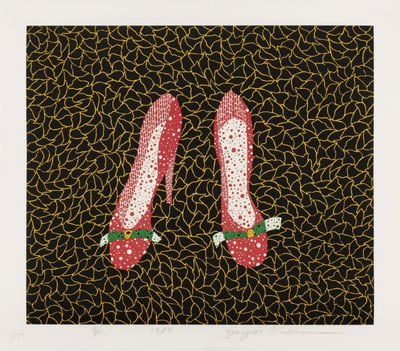
Yayoi Kusama
Shoes (Kusama 30), 1984
Limited Edition Print
Screen-print
GBP 28,000 – 35,000
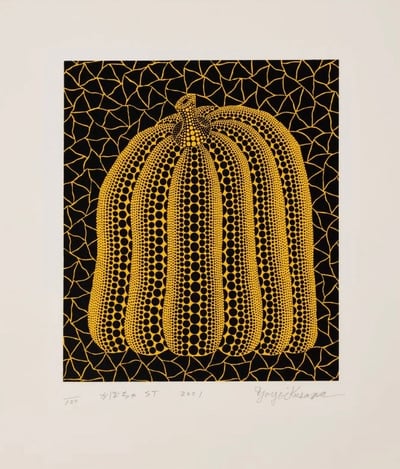
Yayoi Kusama
Pumpkin ST (Kusama 301), 2001
Limited Edition Print
Screen-print
GBP 46,000 – 57,000
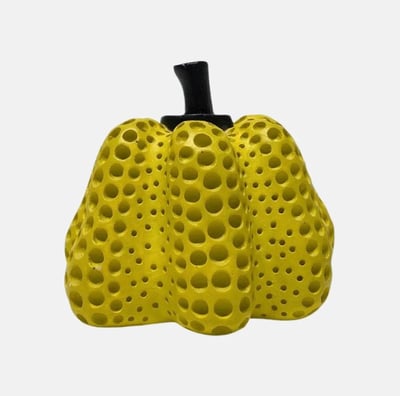
Yayoi Kusama
Yellow Pumpkin, 1998
Sculpture / Object
Resin
GBP 25,000 – 30,000
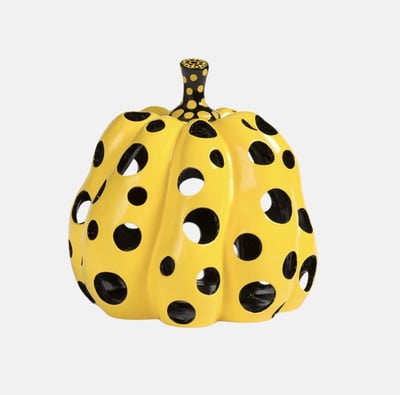
Yayoi Kusama
Pumpkin (NGV), 2025
Sculpture / Object
Mixed Media
GBP 15,000 – 20,000
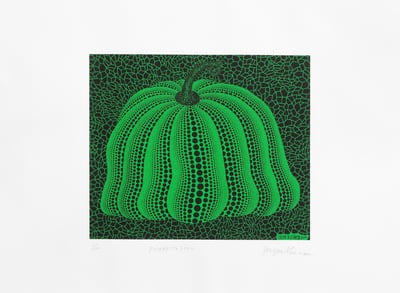
Yayoi Kusama
Pumpkin 2000 (Green), 2000
Limited Edition Print
Screen-print
GBP 40,000 – 60,000
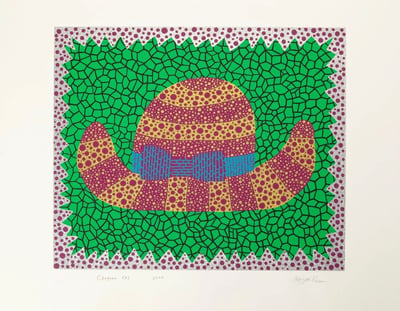
Yayoi Kusama
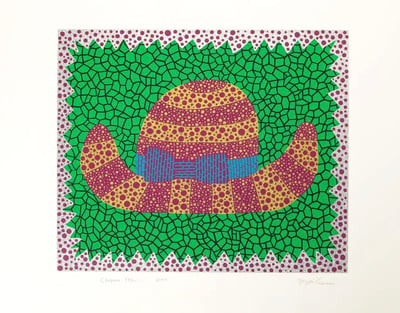
Chapeau (II), 2000
Limited Edition Print
Screen-print
GBP 28,000 – 40,000
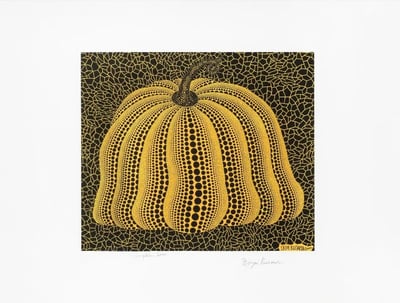
Yayoi Kusama
Pumpkin 2000 (Yellow), 2000
Limited Edition Print
Screen-print
Currently Not Available
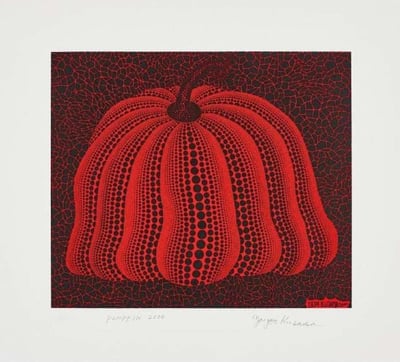
Yayoi Kusama
Pumpkin 2000 (Red), 2000
Limited Edition Print
Screen-print
Currently Not Available
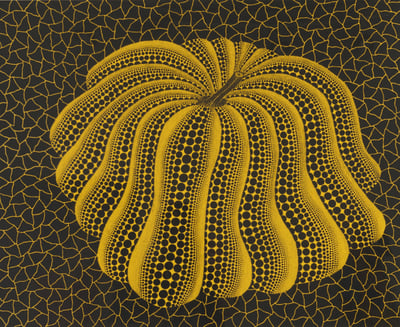
Yayoi Kusama
Pumpkin, 1993
Limited Edition Print
Screen-print
Currently Not Available
My life is a dot lost among thousands of other dots.
- Yayoi Kusama
Celebrated for her liberal and multi-faceted approach to creation, Yayoi Kusama was a prominent artist who worked primarily across the mediums of installation and sculpture, as well as performance, poetry and painting. Kusama developed a distinctive style, with works spanning minimalism, surrealism, conceptual art and abstract expression.
Among Kusama's acclaimed works was Grand Orgy to Awaken the Dead, one of many highly public happenings in which naked participants were covered in brightly coloured polka dots. These dots, together with the theme of infinity, became signature traits of her art. Kusama commented on the repetitive nature of her creative practice and described herself as an “obsessive artist.”
Kusama counted fellow artists Eva Hesse and Donald Judd among her close friends and influences, while her work also inspired artists including Andy Warhol and contributed to the development of Pop Art. (Artist website)
Related Artists

Related Articles
Popular, News, Collecting - December 18, 2025
20 Years of Composition Gallery - A Conversation with the Founder
Celebrating 20 years of digital art excellence: Discover how Composition Gallery built global trust in online collecting through curation and integrity.Read More

 Artwork by Robert Longo
What is Performance Art?
Performance Art is a genre of fine art that is traditionally interdisciplinary, involving various art forms. It can be scripted or unscripted, random or carefully orchestrated, spontaneous, or meticulously planned, with or without audience participation. Performance Art can be presented live or through media, with the artist either present or absent. It typi…
Explore »

