What is conceptual art?
- Show All
- Established
- Discoveries
- Show All
Artworks Related to Conceptual art

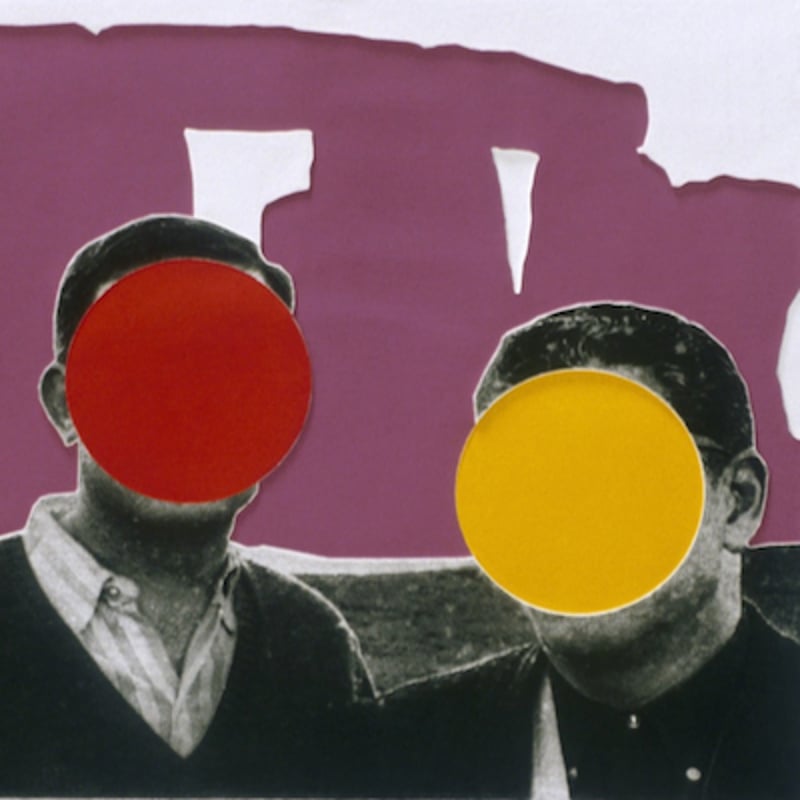
Antonio Dias
Anywhere is My Land, 1975
Limited Edition Print
Silkscreen
EUR 6,000
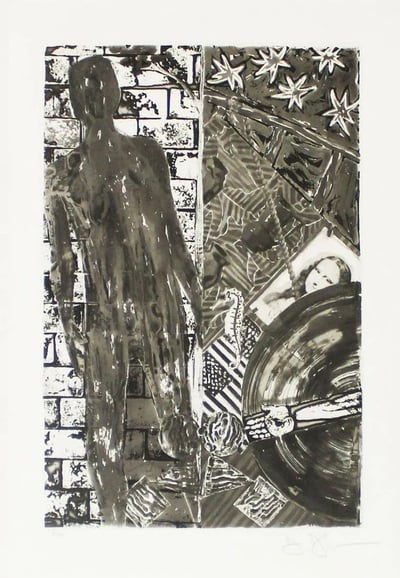
Jasper Johns
Summer, 1985
Limited Edition Print
Etching and Aquatint
USD 5,250

Sol LeWitt
Ohne Titel (Blue Square), 1990
Limited Edition Print
Serigraph
USD 5,250

Claes Oldenburg
Study for Steel and Lead Ashtray, 1976
Limited Edition Print
Etching and Aquatint
EUR 3,750

Arne Quinze
My home, my house, my stilt house, 2010
Limited Edition Print
Digital Print on paper
Currently Not Available
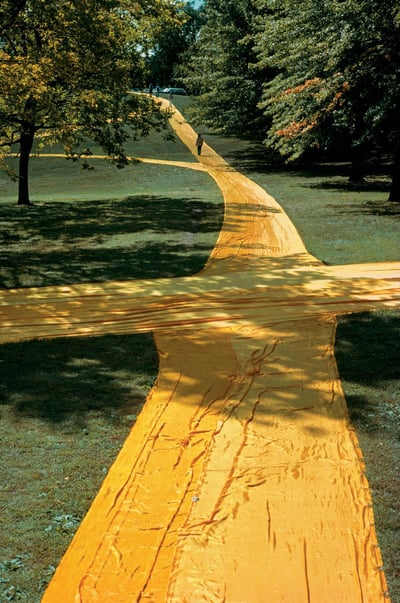
Javacheff Christo
Wrapped Walkways Detail WW-451, 1978
Limited Edition Print
Photograph
EUR 11,000

Callum Innes
B1, 2022
Limited Edition Print
Etching
Currently Not Available

Callum Innes
LBO, 2022
Limited Edition Print
Mixed Media
Currently Not Available

Callum Innes
LBB, 2022
Limited Edition Print
Mixed Media
EUR 5,500

Callum Innes
LB_, 2022
Limited Edition Print
Mixed Media
EUR 5,500
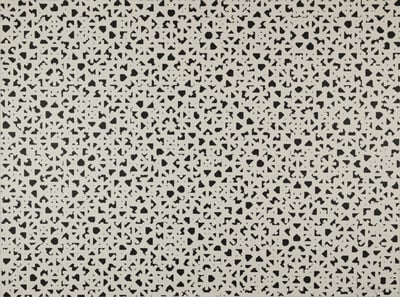
Francois Morellet
Trames
Limited Edition Print
Screen-print
EUR 1,400

Javacheff Christo
Wrapped Tree, 1970
Limited Edition Print
Screen-print
EUR 3,800

Javacheff Christo
Reichstag/Berlin Vormittag, Wrapped, 1995
Limited Edition Print
Photograph
EUR 9,500

Sol LeWitt
Tondo 1 (3 point star), 2002
Limited Edition Print
Linocut
Currently Not Available
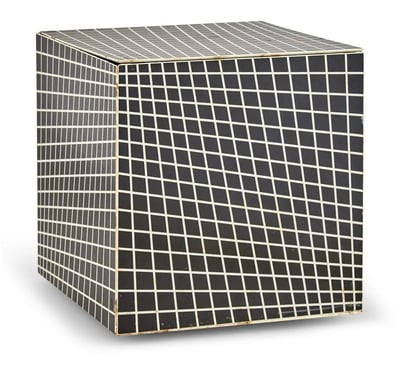
Richard Anuszkiewicz
Untitled OP Art Cube, 1968
Sculpture / Object
Mixed Media
USD 2,990

Javacheff Christo
Wrapped building, project for 1 Times Square, New York, 1985
Limited Edition Print
Mixed Media
Currently Not Available
Related Articles

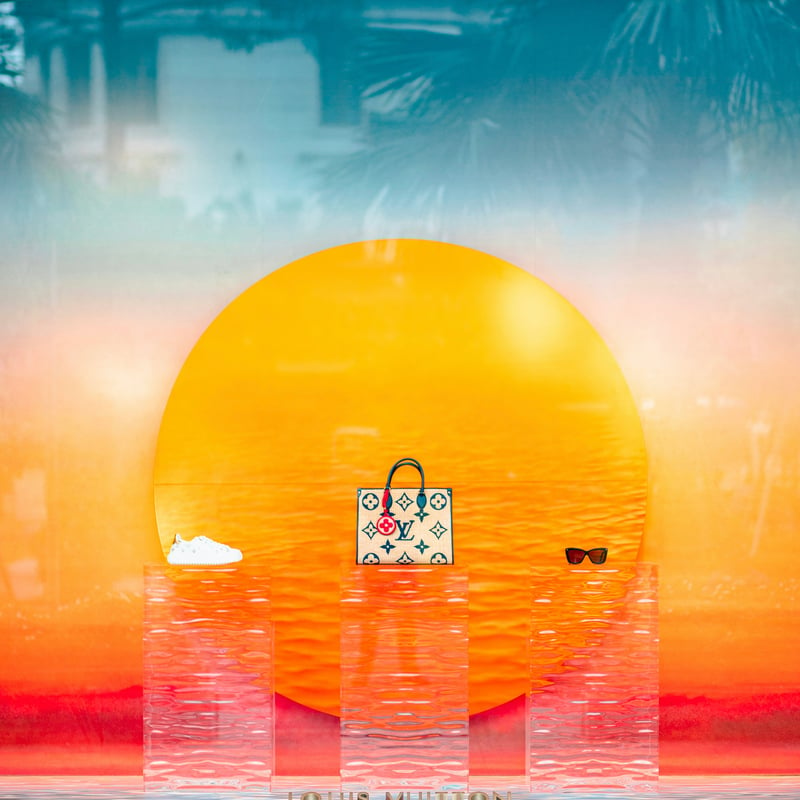

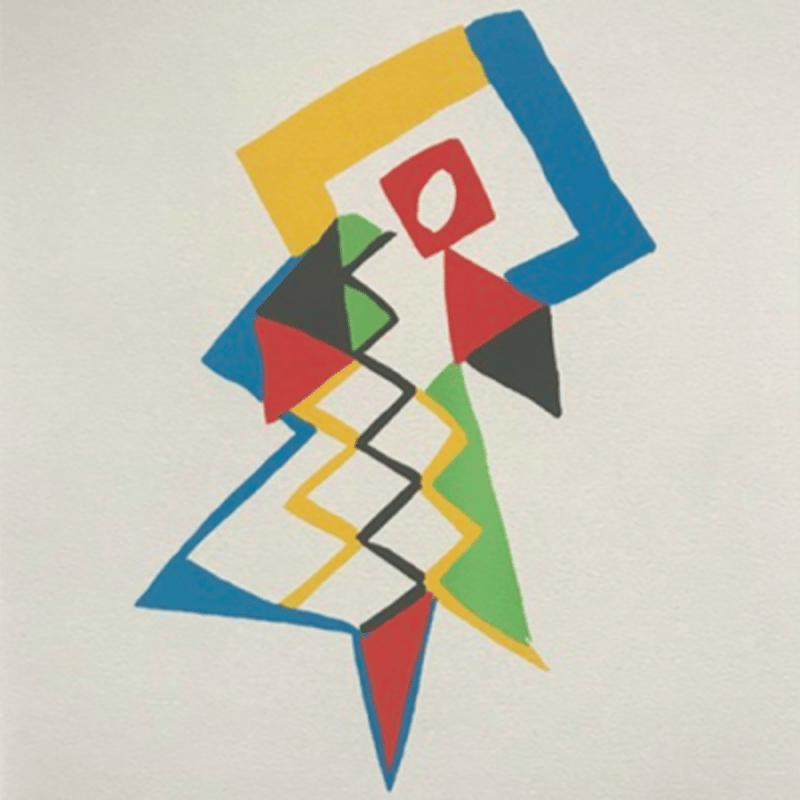
Orphism is an abstract style of painting influenced by Cubism, developed by Sonia and Robert Delaunay. The term was coined around 1912 by French poet Guillaume Apollinaire to differentiate the Delaunays' work from Cubism, emphasizing their focus on vibrant color and light. The name Orphism is inspired by the Greek musician Orpheus, symbolizing the movement's lyrical and harmonious qualities.
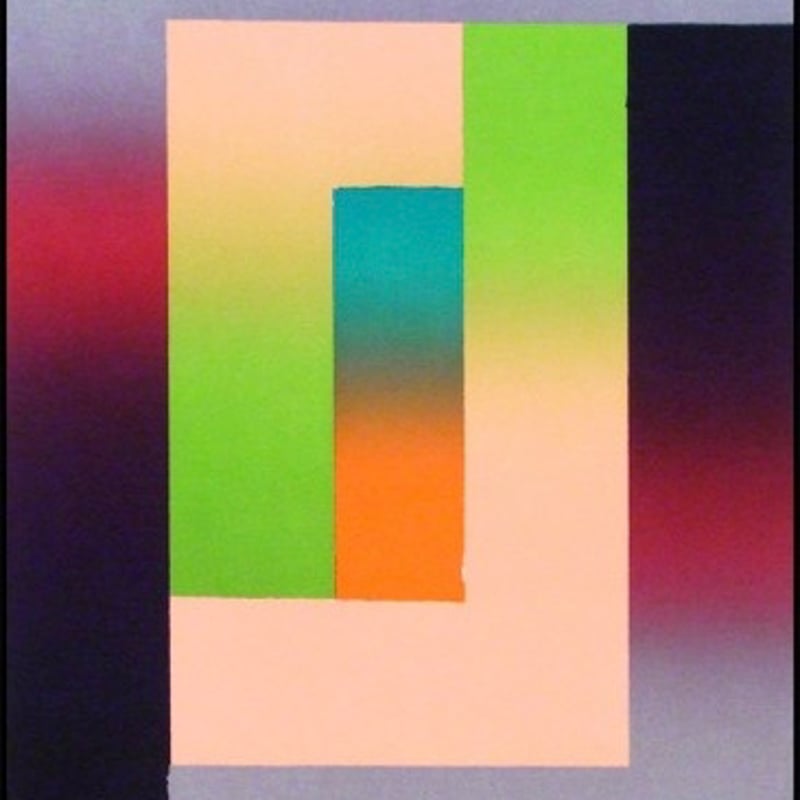
Entropy, in a broader sense, refers to the inevitable deterioration or decline of a society or system. In art, the concept was popularized by artist Robert Smithson in the 1960s. He used the term to critique what he saw as the static and overly simplified nature of contemporary minimalist art. Smithson's work often explored the idea of entropy as a force of chaos and decay, contrasting with the perceived order and purity of minimalist works.

CoBrA stands for Copenhagen, Brussels, and Amsterdam; the group was formed with a desire to break away from the existing art movements of the time. Their critique of Western society led them to experiment and evolve into a significant international movement. CoBrA was founded on November 8, 1948, at the Notre Dame Café in Paris, where its manifesto was signed by Karel Appel, Joseph Noiret, Corneille, Christian Dotremont, Constant, and Asger Jorn. The group was united by a shared commitment to freedom in both form and color, and their work emphasized experimentation and spontaneity.
Can't find your Answer?
Thank you! Your question has been sent — we'll get back to you shortly.
