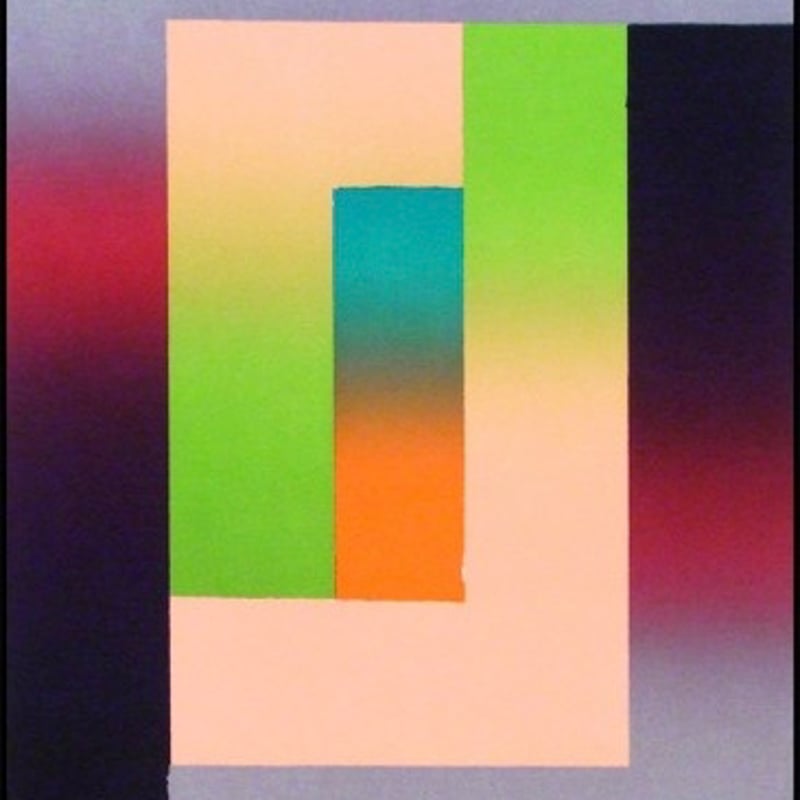
What is Entropy?
Entropy, in a broader sense, refers to the inevitable deterioration or decline of a society or system. In art, the concept was popularized by artist Robert Smithson in the 1960s. He used the term to critique what he saw as the static and overly simplified nature of contemporary minimalist art. Smithson's work often explored the idea of entropy as a force of chaos and decay, contrasting with the perceived order and purity of minimalist works.
Artworks Related to Entropy

Donald Judd
Untitled (Schellmann 265/266), 1992-1993
Limited Edition Print
Woodcut
Inquire For Price
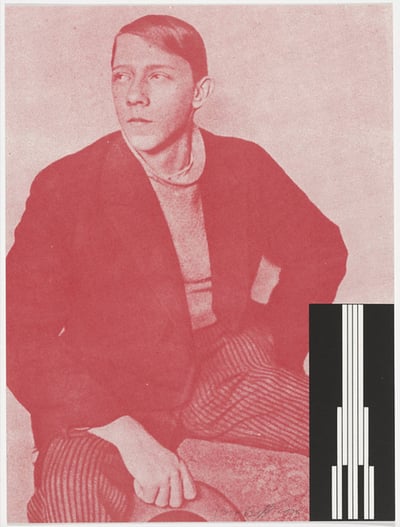
Dan Flavin
Untitled from The New York Collection for Stockholm, 1973
Limited Edition Print
Screen-print
GBP 2,340
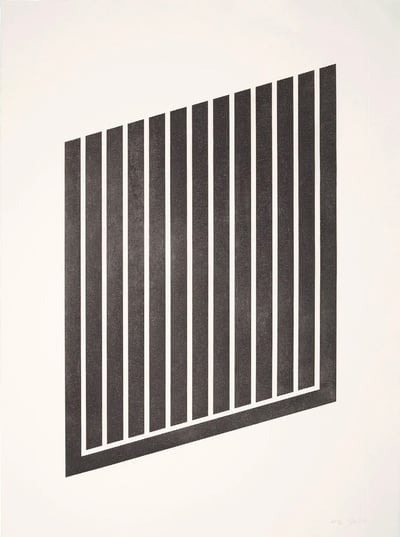
Donald Judd
A Group of 4 Aquatints 1, 1978-79
Limited Edition Print
Aquatint
Currently Not Available
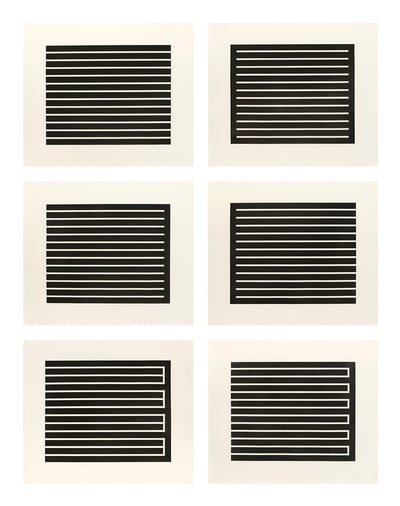
Donald Judd
Untitled (set of 6), 1980
Limited Edition Print
Aquatint
Currently Not Available
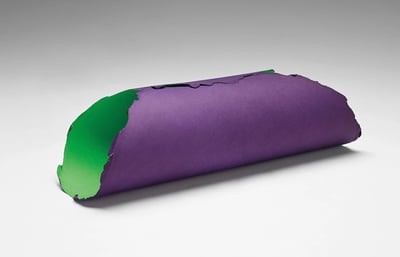
Dan Flavin
Guggenheim Tondo, 1992
Sculpture / Object
Mixed Media
EUR 7,500
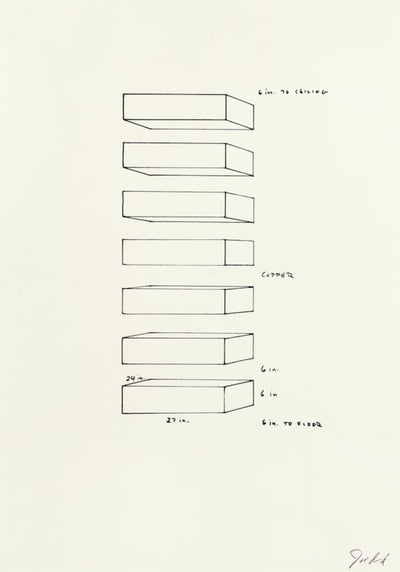
Donald Judd
Untitled (from Kunstmarkt Köln), 1969
Limited Edition Print
Offset Print
Currently Not Available
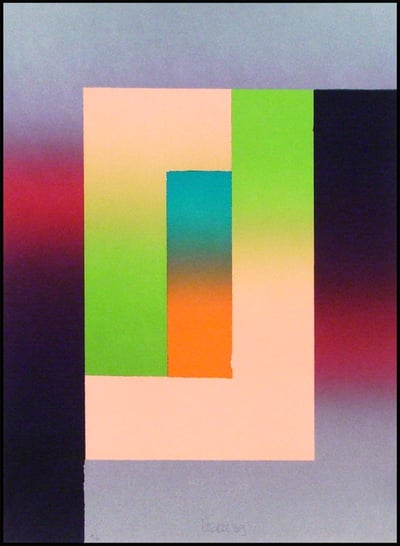
Larry Bell
Barcelona #5, 1988
Limited Edition Print
Lithograph
Currently Not Available
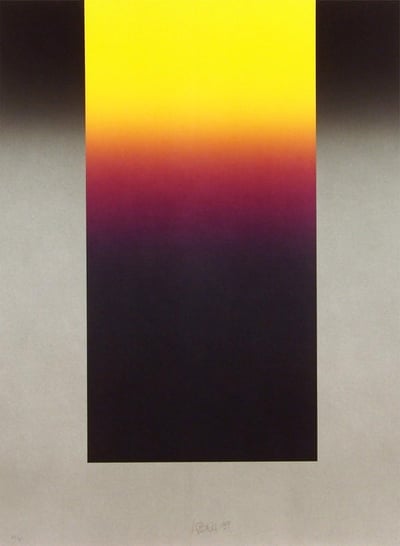
Larry Bell
Barcelona #10, 1988
Limited Edition Print
Lithograph
Currently Not Available
Related Articles
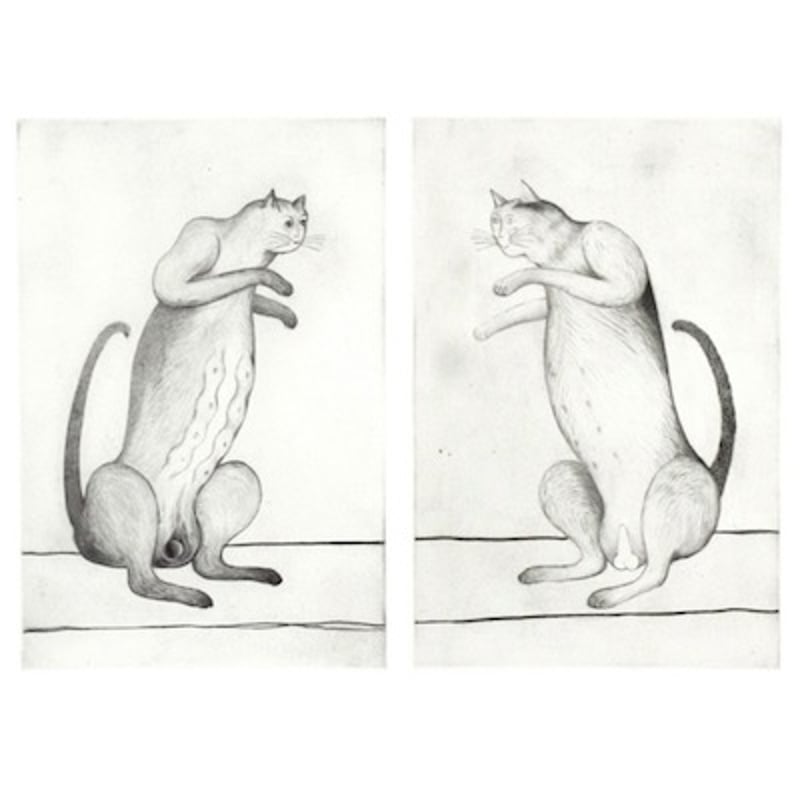
A diptych is an artwork composed of two panels. These panels can be painted, carved, or made using various mixed media techniques. They may be connected by hinges, allowing them to close for protection, or they can be displayed side by side. Historically, diptychs were often used in religious art.
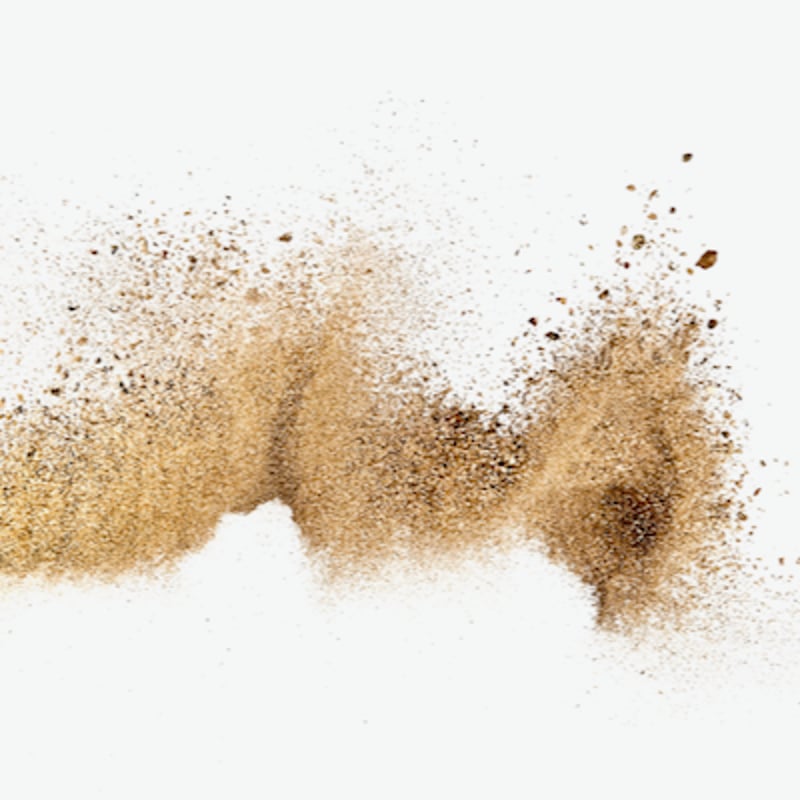
Sand consists of loose grains of material primarily made up of minerals like quartz, mica, and feldspar, as well as small fragments of rocks. Sand paintings are created by pouring colored sand into intricate designs, often for cultural rituals or special celebrations. These designs can take many days to complete and are traditionally brushed away after the ceremony, emphasizing the impermanence of the artwork.

Calligraphy is a visual art closely related to writing, involving the creation of decorative lettering or handwriting using a brush or pen. Contemporary calligraphy is the art of giving form to letters and symbols in a harmonious, expressive, and skillful manner. It ranges from functional designs and inscriptions to fine art pieces where the letters may be readable or abstract.
Can't find your Answer?
Thank you! Your question has been sent — we'll get back to you shortly.
