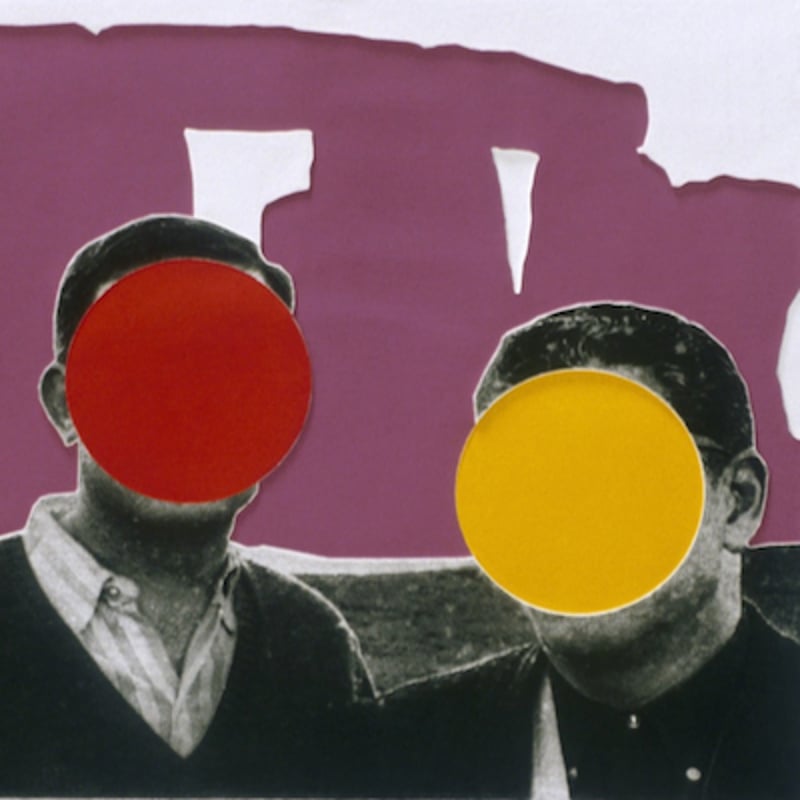
What is conceptual art?
- Show All
- Established
- Discoveries
- Show All
Artworks Related to Conceptual art
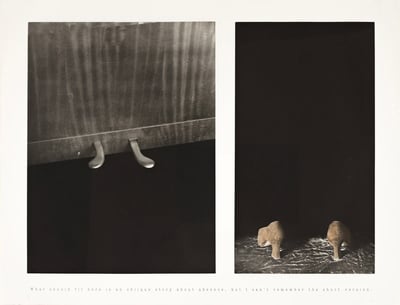
Lorna Simpson
Untitled (B/W diptych), 1993
Limited Edition Print
Screen-print
USD 13,000

Zanele Muholi
Isililo XX
Photography
Inkjet print
Currently Not Available

Javacheff Christo
Over The River Project VI, 1992
Limited Edition Print
Offset Print
USD 1,400
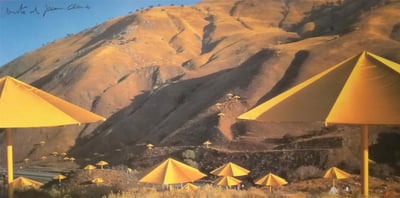
Javacheff Christo
The Umbrellas, 1991
Limited Edition Print
Offset Print
USD 1,250
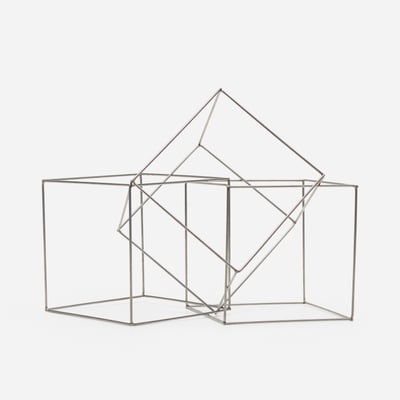
Francois Morellet
Trois cubes imbriqués, 1977
Sculpture / Object
Metal
EUR 6,990
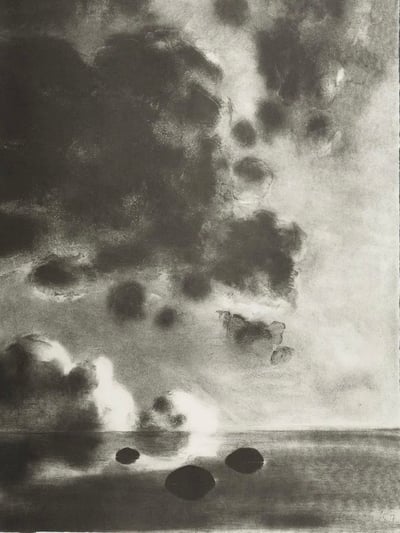
April Gornik
Remember the Sabbath Day, 1987
Limited Edition Print
Lithograph
Currently Not Available
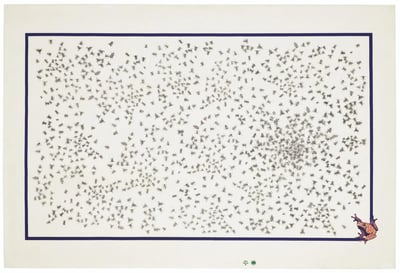
Ed Ruscha
Flies and Frog, 1969
Limited Edition Print
Lithograph
USD 6,900
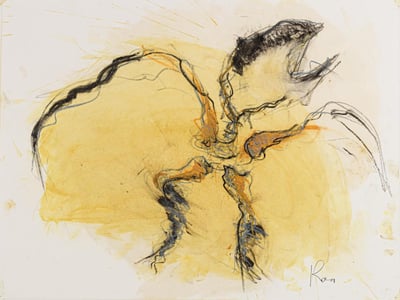
Koen Vanmechelen
Untitled (Chicken II), 1998
Painting
Acrylic on paper
EUR 18,000
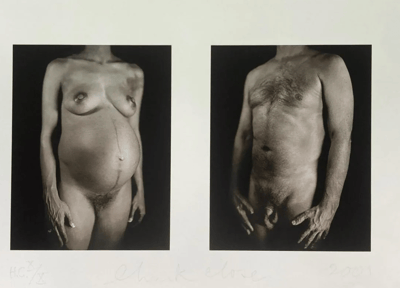
Chuck Close
Untitled ((Doctors of the World), 2001
Limited Edition Print
Digital Print on paper
USD 1,695
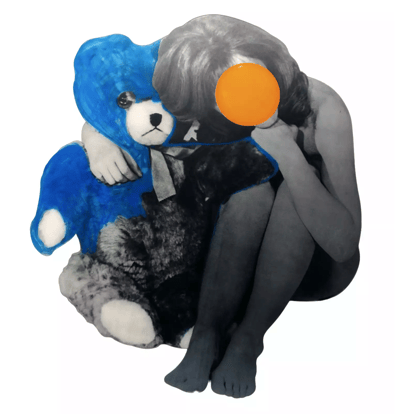
John Baldessari
Girl with Teddy Bear, 1988
Limited Edition Print
Mixed Media
USD 14,000

Javacheff Christo
Wrapped bottle, 2007
Limited Edition Print
Mixed Media
EUR 7,850
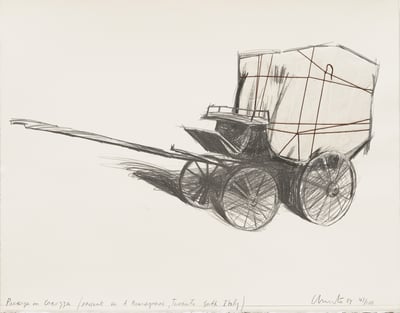
Javacheff Christo
Package on Carrozza, 1984
Limited Edition Print
Mixed Media
EUR 13,675

Jaume Plensa
Lumiere Invisible Rui Rui, 2018
Limited Edition Print
Digital Print on paper
Currently Not Available
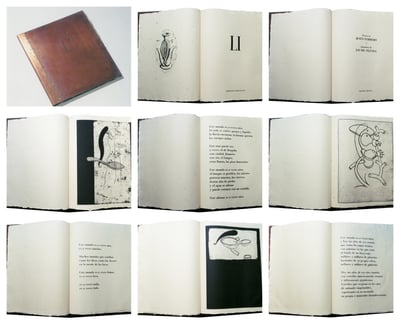
Jaume Plensa
LI, 1988
Limited Edition Print
Etching
EUR 21,300
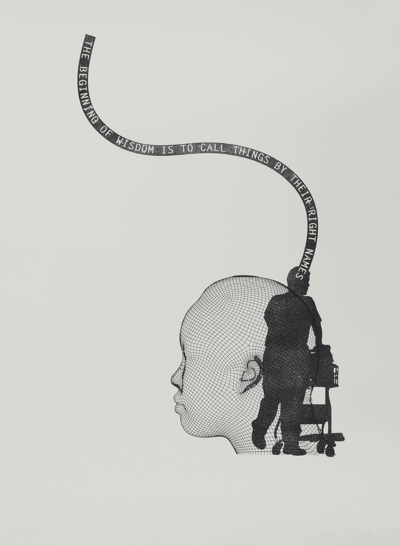
Jaume Plensa
The beginning of wisdom is to call things by their right names, 2022
Limited Edition Print
Relief printing
Currently Not Available

Wade Guyton
Untitled (for TzK), 2015
Limited Edition Print
Inkjet print
GBP 4,200
Related Articles



The Bay Area Figurative Movement, which also goes by the names Bay Area Figurative School, Bay Area Figurative Art, or Bay Area Figuration, came to existence in San-Francisco Bay Area. This was in the mid-20th century, when a group of artists from the area stopped working on the then popular Abstract Expressionism for a preference to figuration in painting. The movement lasted a total of two decades during the 1950's and 1960's.
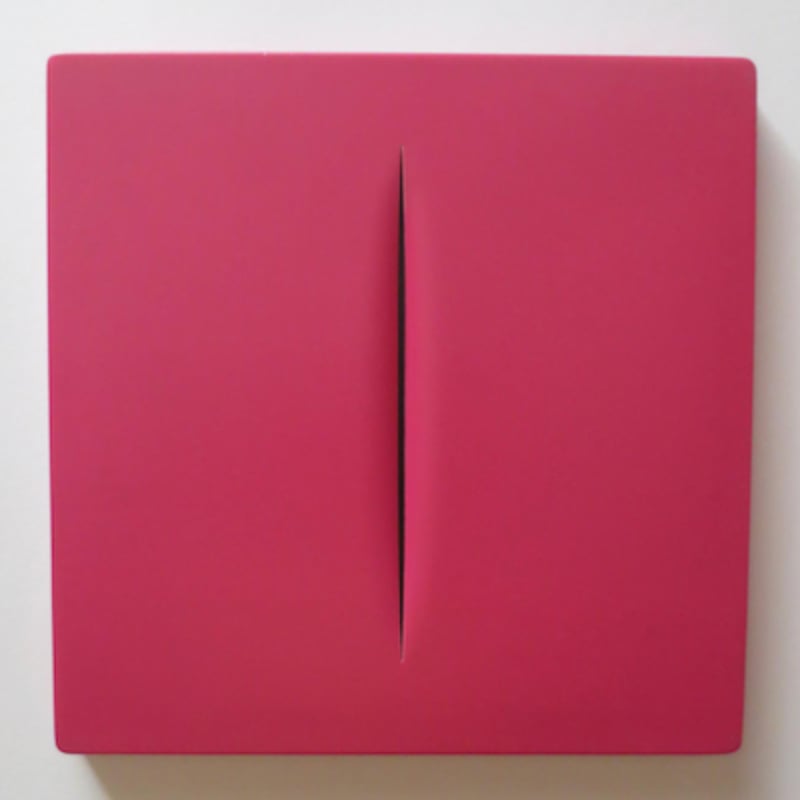
Spatialism is an art movement that originated in Italy in 1947, founded by Lucio Fontana with the intention of synthesizing sound, color, movement, and space into a new form of art. The movement's central ideas were outlined in Fontana's first manifesto, published in 1947, where he introduced the concept of spatial art to capture the spirit of the post-war era. His ideas were further developed in five subsequent manifestos. Although Fontana's ideas were sometimes considered vague, his influence was significant, as he was one of the first European artists to emphasize art as a performance and gesture.
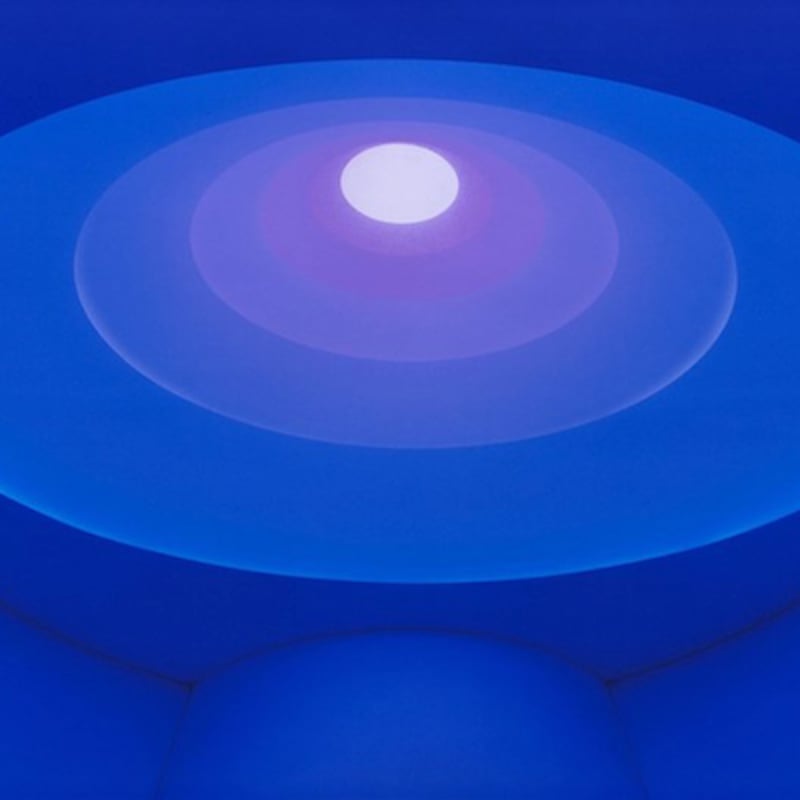
The Light and Space Movement refers to loosely affiliated art movements connected to minimalism, geometric abstraction, and op art that originated in Southern California in the 1960s. Greatly influenced by artist John McLaughlin, these artists focused on sensory phenomena such as light, perception, and space as central elements of their work. They also incorporated cutting-edge technologies from the aerospace and engineering industries to develop light-filled and sensuous objects, creating immersive experiences that emphasize the viewer's perception.
Can't find your Answer?
Thank you! Your question has been sent — we'll get back to you shortly.
