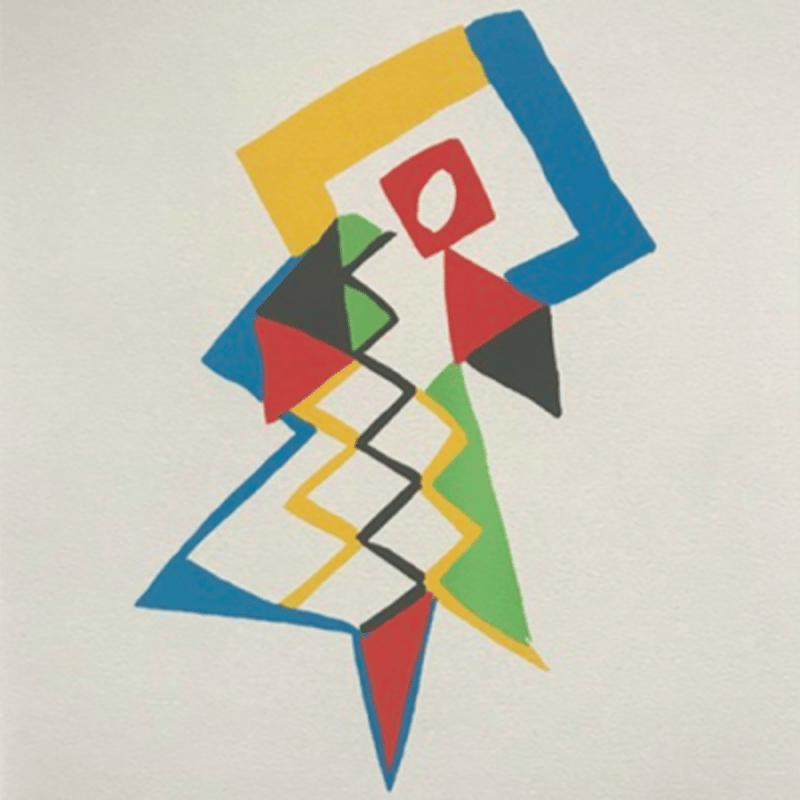
What is Orphism?
Artworks Related to Orphism

Sonia Delaunay
Diagonal X, 1975
Limited Edition Print
Lithograph
Inquire For Price

Sonia Delaunay
Arlequin (Harlequin), 1974
Limited Edition Print
Lithograph
Inquire For Price
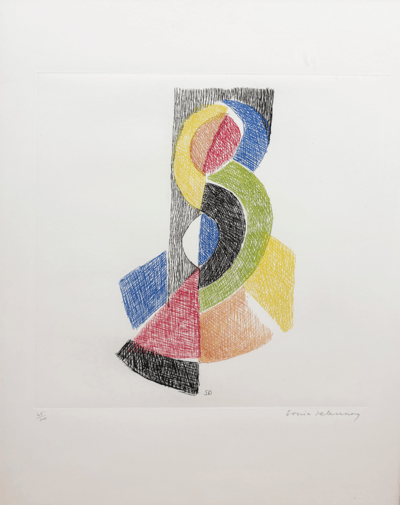
Sonia Delaunay
Rhythm Coleur VI, 1966
Limited Edition Print
Etching
EUR 4,800
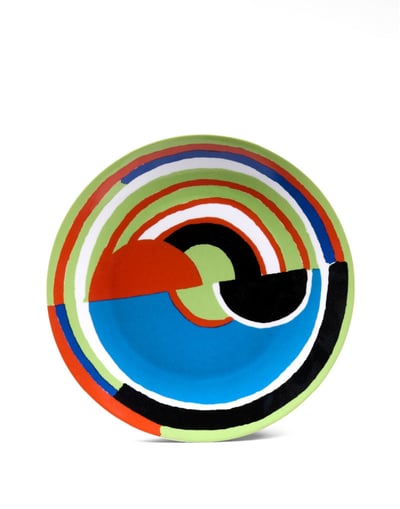
Sonia Delaunay
Signal, 1979
Ceramics
Porcelain
USD 2,000
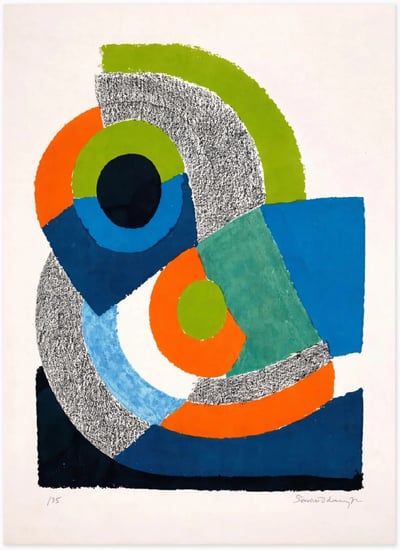
Sonia Delaunay
Courbe Verte, 1972
Limited Edition Print
Lithograph
GBP 4,800
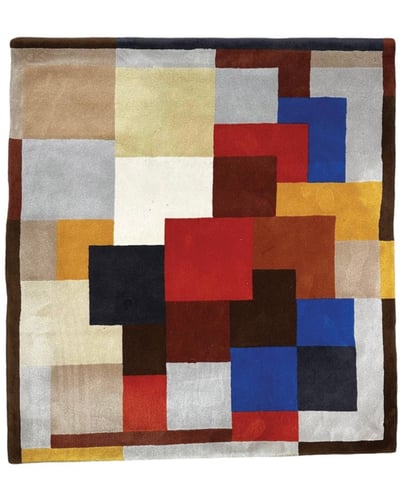
Sonia Delaunay
Labyrinthe, 1929 - 1980
Tapestry
Tapestry
EUR 12,000
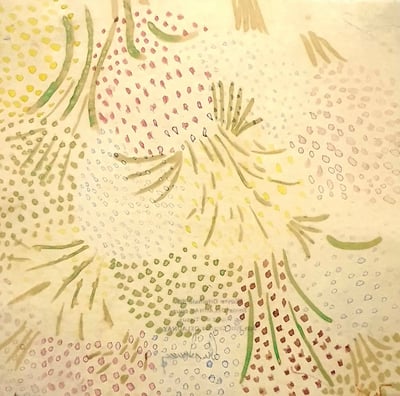
Sonia Delaunay
Untitled, C. 1930
Drawing / Watercolor
Watercolor
EUR 4,200
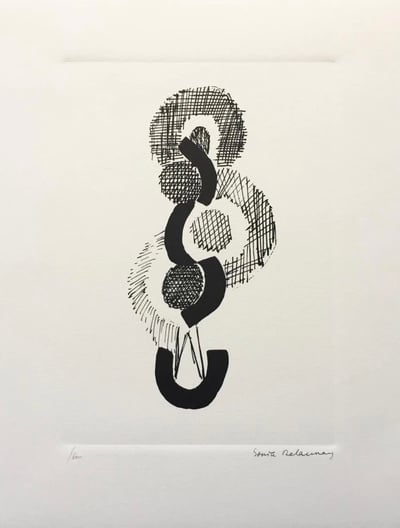
Sonia Delaunay
Dance Endless Rhythm (1923), 1994
Limited Edition Print
Lithograph
USD 720
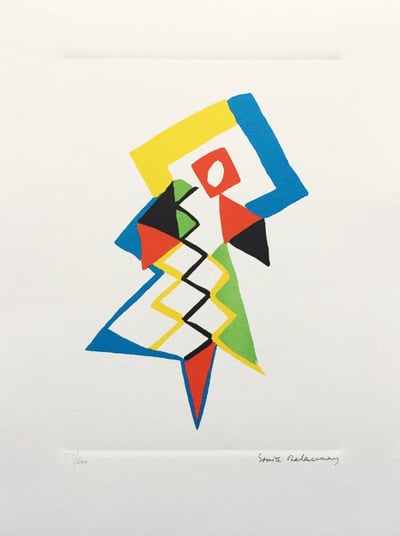
Sonia Delaunay
Jazz, c. 1994
Limited Edition Print
Lithograph
USD 850
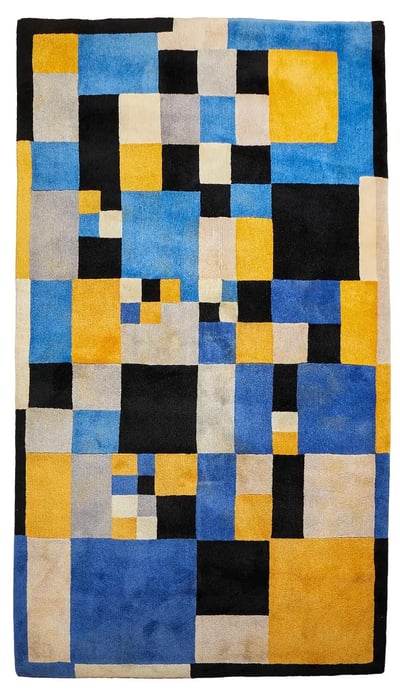
Sonia Delaunay
Carrés Magique, c. 1980
Tapestry
Tapestry
EUR 10,900

Sonia Delaunay
Le Guépard, 1970
Limited Edition Print
Silkscreen
EUR 4,250
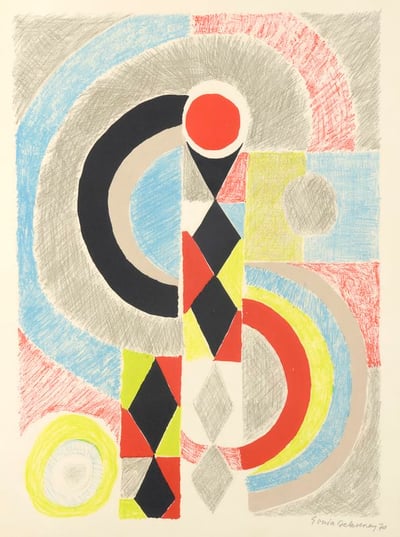
Sonia Delaunay
Totem, 1970
Limited Edition Print
Lithograph
EUR 4,850
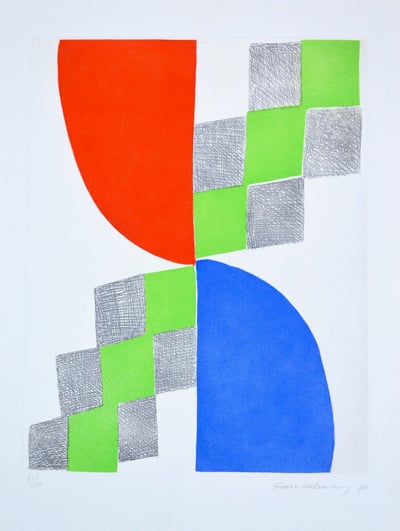
Sonia Delaunay
Gravure I, 1970
Limited Edition Print
Etching
USD 1,950
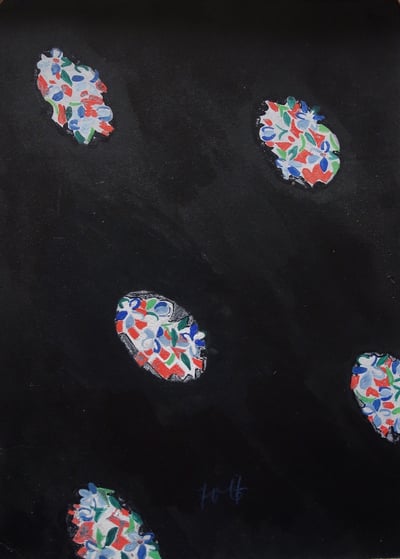
Sonia Delaunay
Untitled (gouache)
Painting
Gouache
GBP 10,150
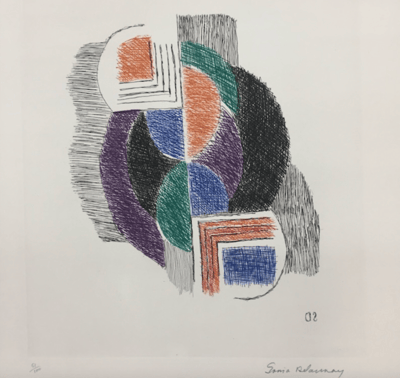
Sonia Delaunay
Composition Etching, 1965
Limited Edition Print
Etching
EUR 1,550
Related Articles
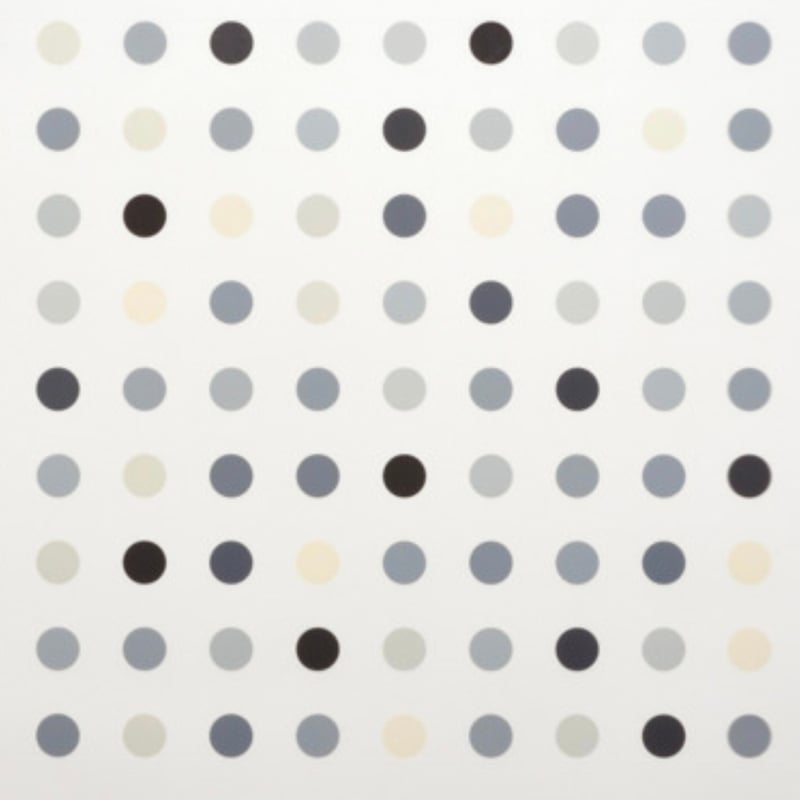
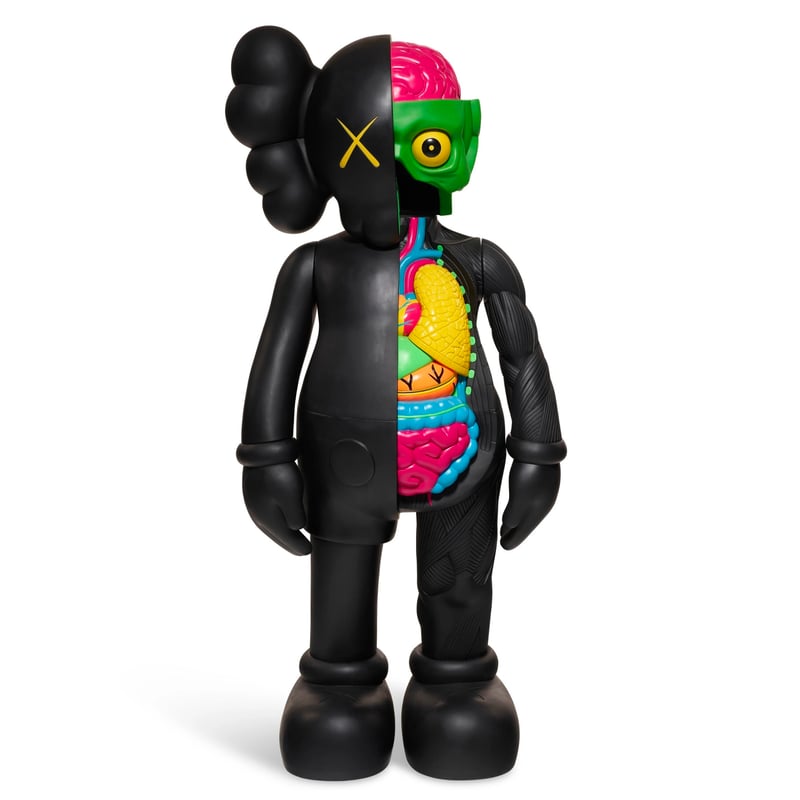
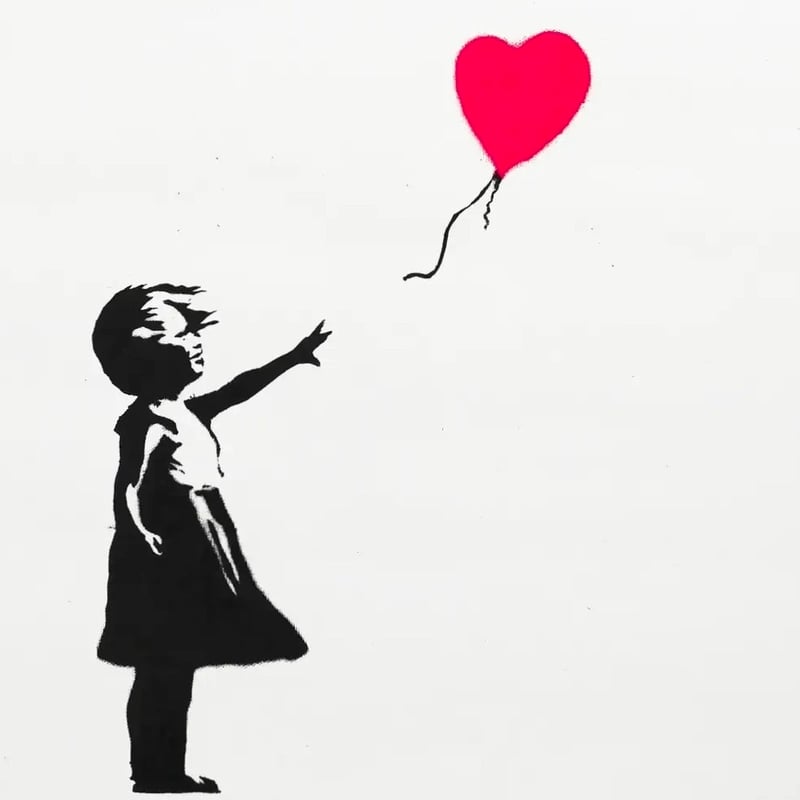

Superflat is an art movement founded by Takashi Murakami, heavily influenced by anime and manga. The term Superflat refers to the flattened forms found in Japanese animation, graphic art, fine arts, and pop culture, as well as the perceived superficiality of Japanese culture. Murakami's movement, which he self-proclaimed, is considered postmodern and critiques both the depth and shallowness of contemporary Japanese society. Superflat has been highly influential in bridging the gap between high art and popular culture.

Postmodernism is an art movement that emerged as a reaction against authority and traditional boundaries, seeking to blur the lines between art and everyday life. It aimed to bridge the gap between the cultural elite and the general public by embracing eclectic mixtures of earlier conventions and styles. Postmodernist art often challenges established norms and celebrates diversity, irony, and pastiche, making it a movement that reflects the complexities of contemporary culture.

Magnum Photos is a photographic cooperative founded in 1947 by four photographers: Robert Capa, Henri Cartier-Bresson, George Rodger, and David Chim Seymour. Based in New York, the organization was created to give photographers the freedom to document the human condition with compassion and integrity. Magnum Photos has an extensive historical image library, capturing world events and offering a unique perspective on global history.
Can't find your Answer?
Thank you! Your question has been sent — we'll get back to you shortly.
