
What is the CoBrA movement?
- Show All
- Established
- Discoveries
- Show All
Artworks Related to CoBrA

Walasse Ting
Natasha, 1997
Drawing / Watercolor
Mixed Media
Inquire For Price
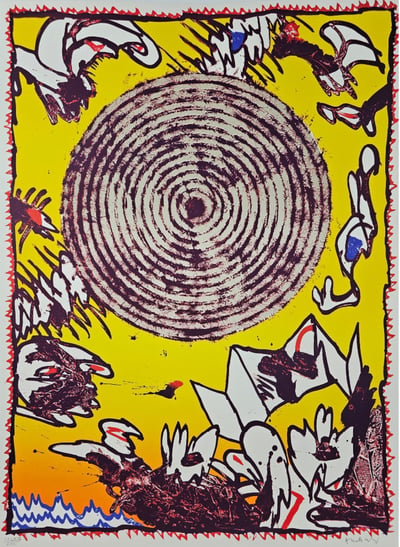
Pierre Alechinsky
Seoul, 1988
Limited Edition Print
Lithograph
Currently Not Available
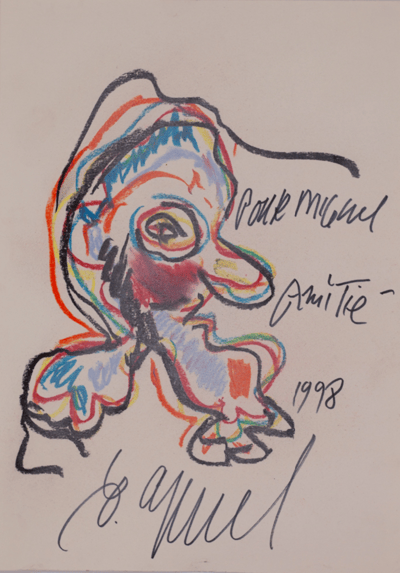
Karel Appel
Untitled (Colorful Figure), 1998
Drawing / Watercolor
Pastel
EUR 7,500

Bengt Lindstrom
L’introspection, Unknown
Painting
Acrylic on canvas
EUR 8,500
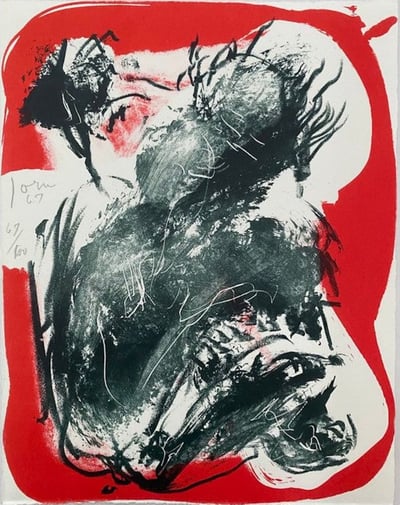
Asger Jorn
Sans titre, 1967
Limited Edition Print
Lithograph
EUR 2,550
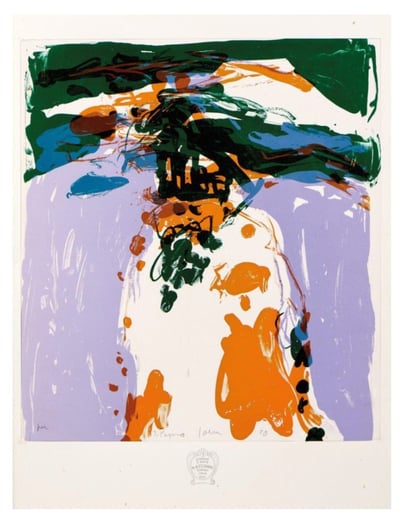
Asger Jorn
Lithographie couleur, 1970
Limited Edition Print
Lithograph
EUR 1,200
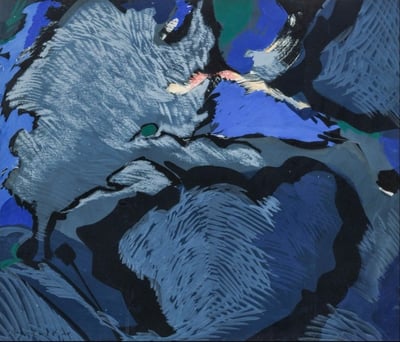
Maurice Wyckaert
Sans titre, 1976
Drawing / Watercolor
Gouache
EUR 4,750
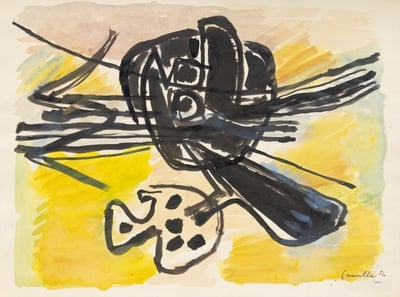
Guillaume Corneille
Composition abstraite, 1952
Drawing / Watercolor
Mixed Media
EUR 11,500
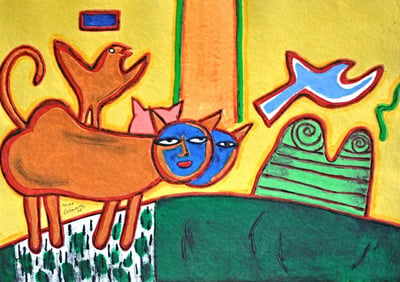
Guillaume Corneille
Chats Champêtres, 2008
Limited Edition Print
Engraving
EUR 1,500
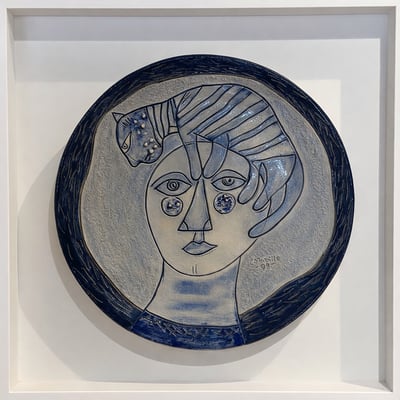
Guillaume Corneille
Plat, 1999
Ceramics
Plate
EUR 3,500
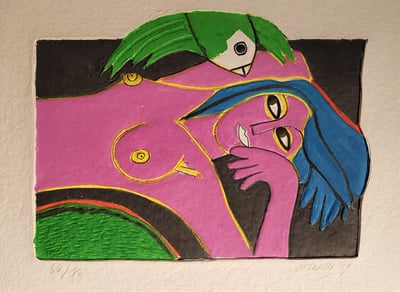
Guillaume Corneille
Femme rose aux cheveux bleus, 1999
Limited Edition Print
Mixed Media
EUR 1,500
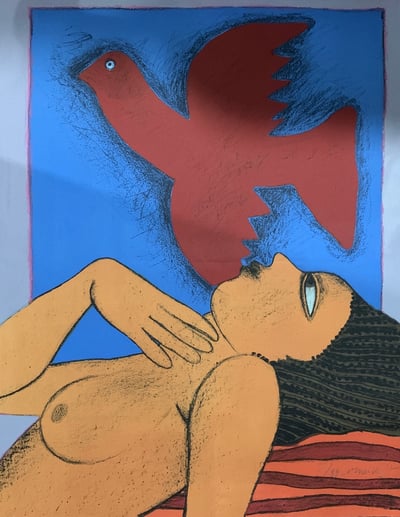
Guillaume Corneille
La femme et l’oiseau rouge, 1995
Limited Edition Print
Lithograph
EUR 1,500
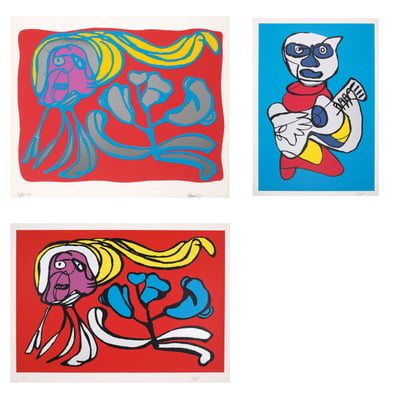
Karel Appel
A Group of 3 Screenprints, 1975 / 1978
Limited Edition Print
Screen-print
USD 2,810
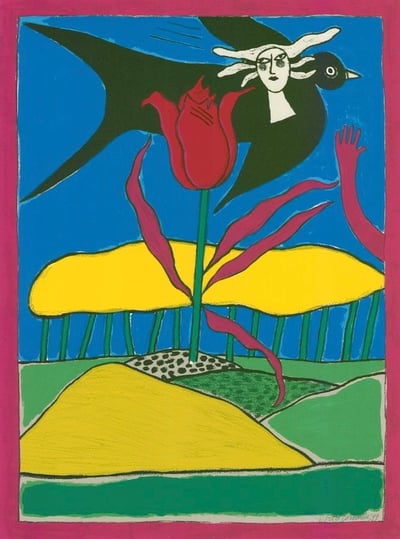
Guillaume Corneille
Däumelinchen, 1999
Limited Edition Print
Lithograph
EUR 980
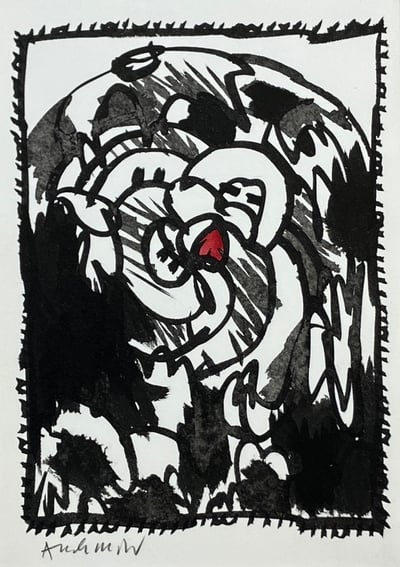
Pierre Alechinsky
Tête Bêche, 1987
Drawing / Watercolor
Ink
EUR 7,200
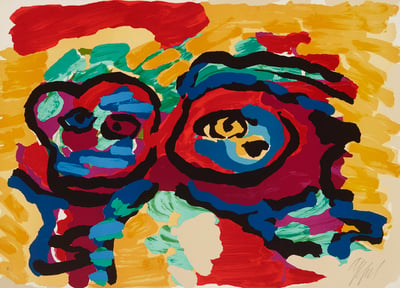
Karel Appel
Two Figures, c. 1980
Limited Edition Print
Lithograph
USD 1,000
Related Articles
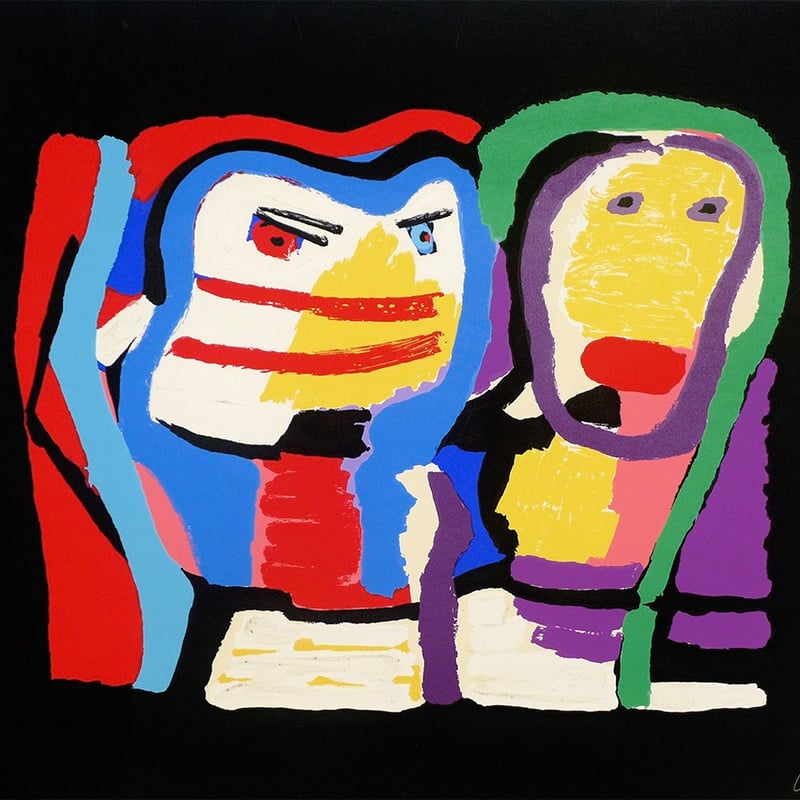

Cement refers to a variety of mixtures, typically made from clay, limestone, water, sand, and gravel, which form concrete used in construction. The term to cement also means to join or unite materials. In art, cement can refer to the process of securely gluing or bonding elements together, often used in sculptural work or mixed media.
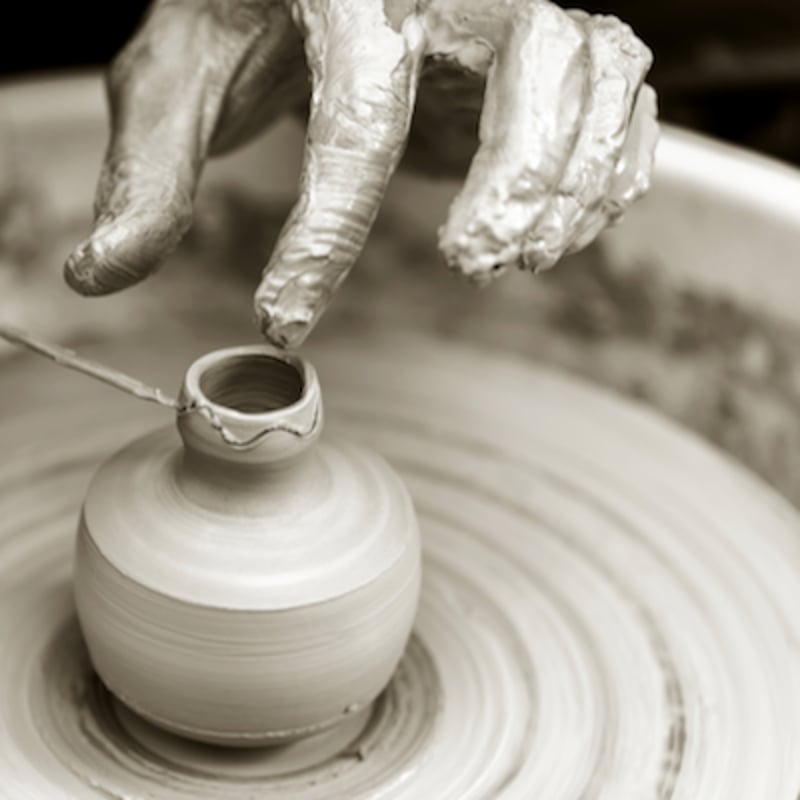
Ceramics is an art form that involves creating objects from clay. The clay is shaped, molded, and formed by hand or with specialized tools, then baked (or fired) in a high-temperature oven called a kiln. Decorative colors and special glazes can be applied to the surface, which are then fired again to finish the piece.
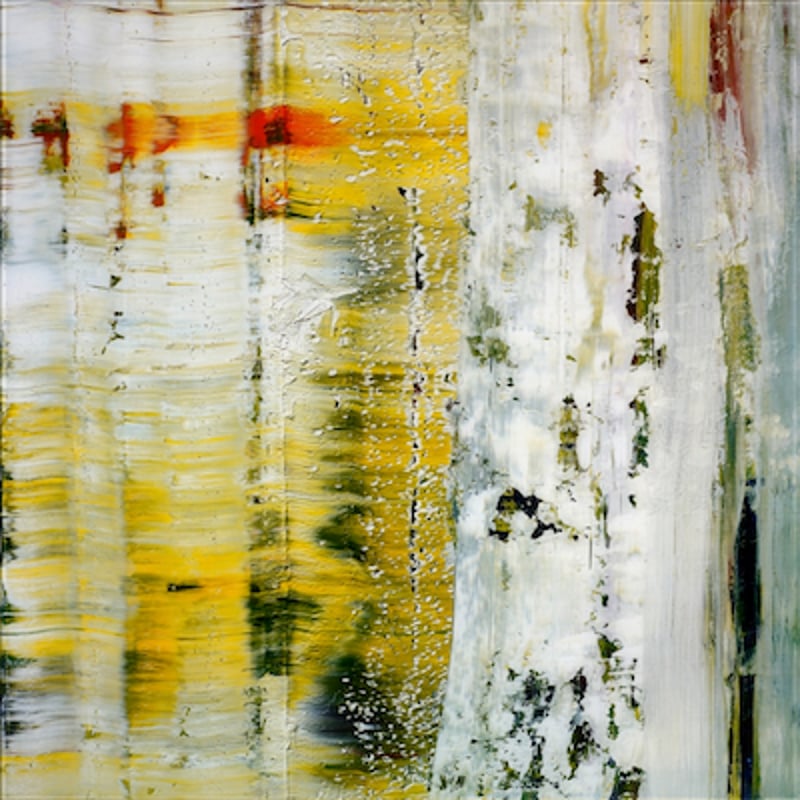
Capitalist Realism is a German form of political pop art that emerged in Cold War-era Berlin in 1963. It sought to challenge the dominance of American pop art in the Western world. The movement blended the ideologies of both pop art and socialist realism, offering a critique of consumer culture and political power.
Can't find your Answer?
Thank you! Your question has been sent — we'll get back to you shortly.
