
What is a Lithograph?
- Show All
- Established
- Discoveries
- Show All
Artworks Related to Lithograph
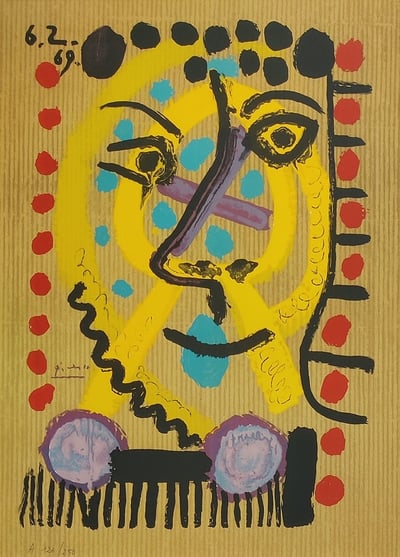
Pablo Picasso
One plate, from Les Portraits Imaginaires, 1969
Limited Edition Print
Lithograph
USD 8,150
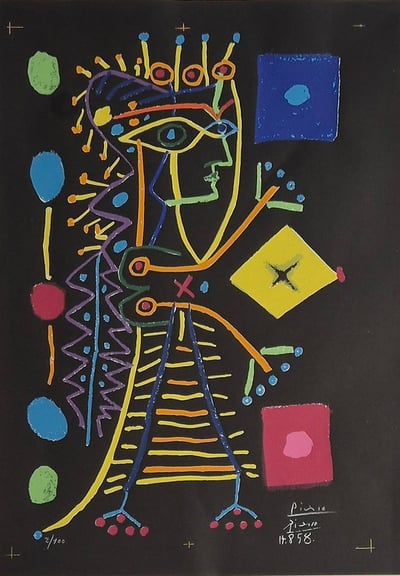
Pablo Picasso
Jacqueline (La Dame aux Des), 1958
Limited Edition Print
Lithograph
USD 15,200
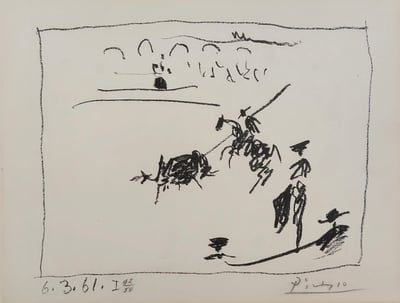
Pablo Picasso
La Pique, from A los toros avec Picasso, 1961
Limited Edition Print
Lithograph
USD 15,200
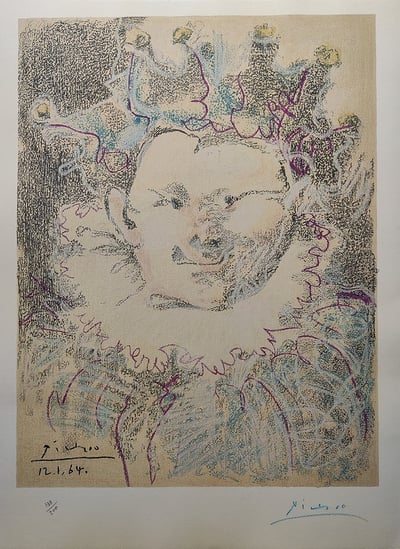
Pablo Picasso
Tête de Buffon (Arlequin), 1964
Limited Edition Print
Lithograph
USD 13,900
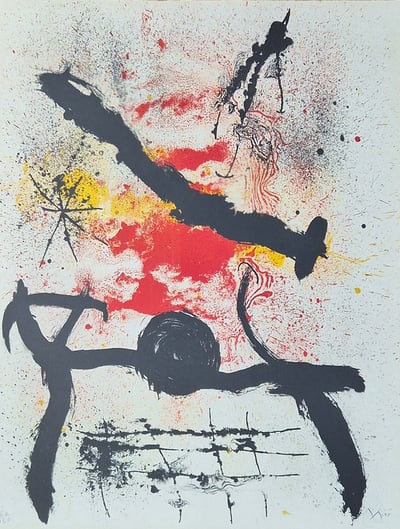
Joan Miró
Untitled from Graphikmappe Hochschule St. Gallen, 1964
Limited Edition Print
Lithograph
USD 6,800
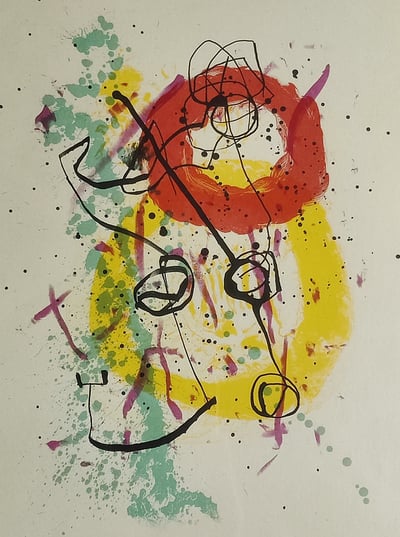
Joan Miró
Composition for from XXe Siecle, No. 16, 1961
Limited Edition Print
Lithograph
USD 7,500
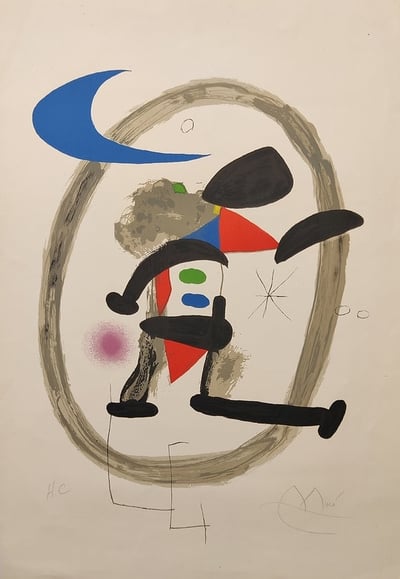
Joan Miró
Arlequin Circonscrit, 1973
Limited Edition Print
Lithograph
USD 8,450
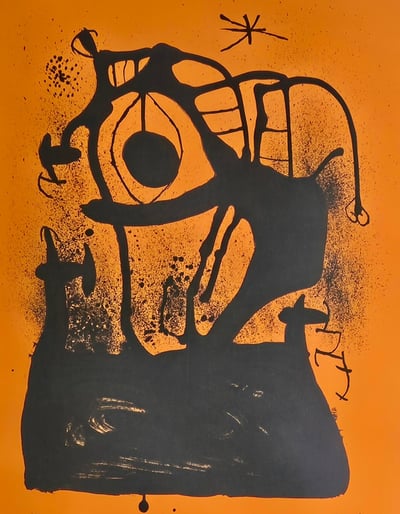
Joan Miró
L'Hypnotiseur (orange), 1969
Limited Edition Print
Lithograph
USD 8,800
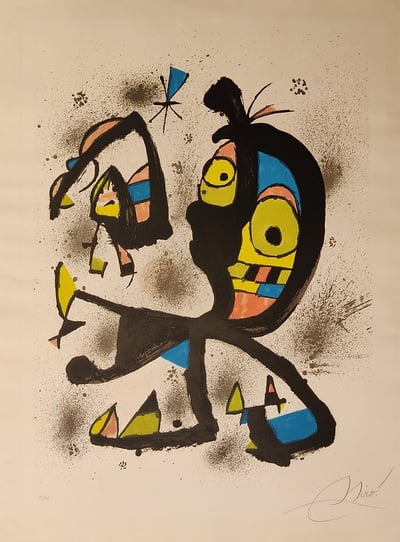
Joan Miró
Obra Gràfica, 1980
Limited Edition Print
Lithograph
USD 9,900
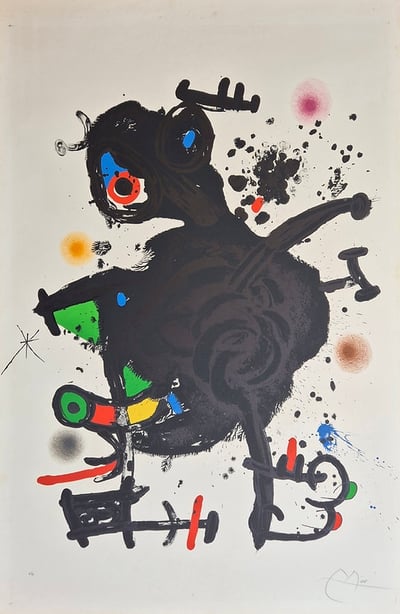
Joan Miró
Le gourou déployé, 1971
Limited Edition Print
Lithograph
USD 23,000
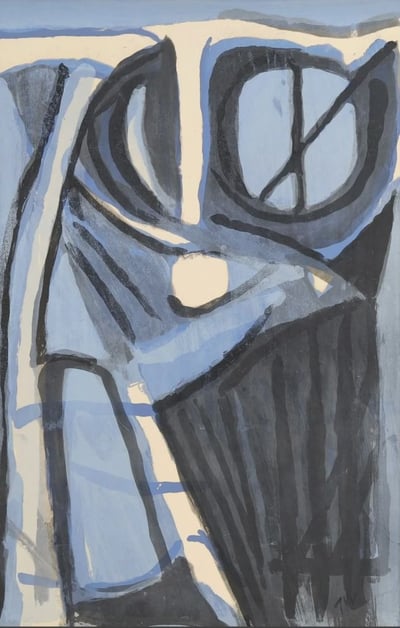
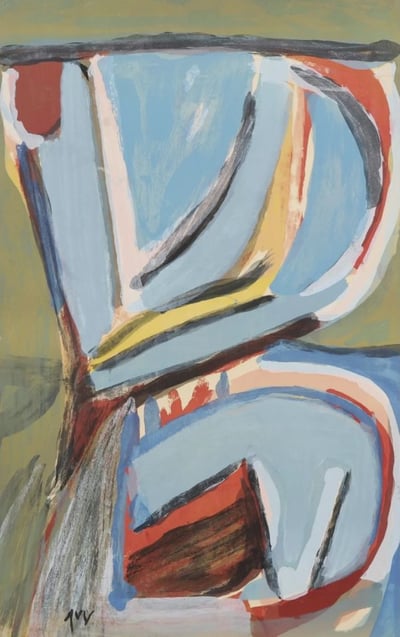
Bram Van Velde
MP 166, 1975
Limited Edition Print
Lithograph
EUR 2,350
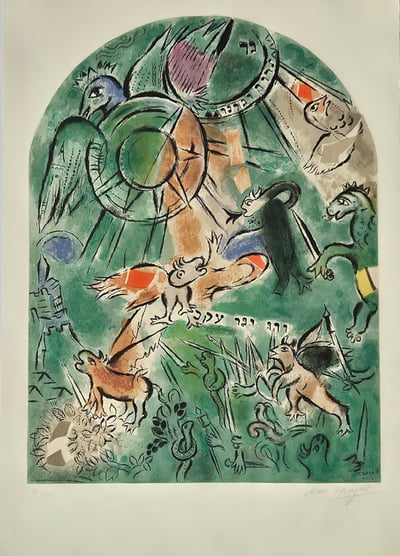
Bram Van Velde
MP 167, 1975
Limited Edition Print
Lithograph
EUR 2,350
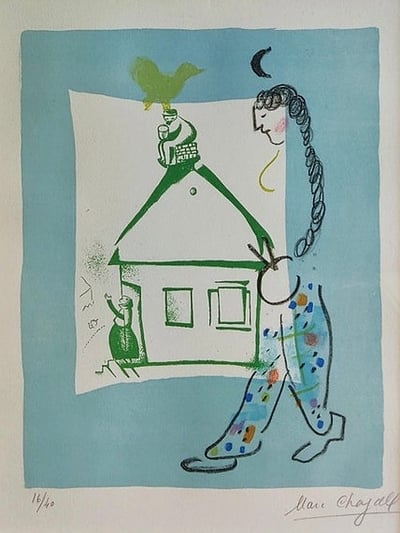
Marc Chagall
The Tribe of Gad CS19, 1964
Limited Edition Print
Lithograph
USD 10,700
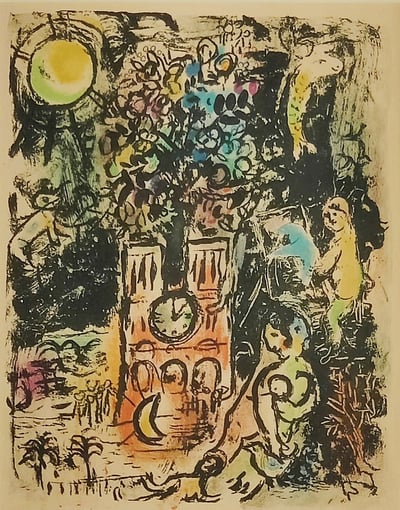
Marc Chagall
The House in My Village, 1960
Limited Edition Print
Lithograph
USD 10,300
Marc Chagall
The Tree of Jesse (L'Arbre de Jessé), 1960
Limited Edition Print
Lithograph
USD 11,500
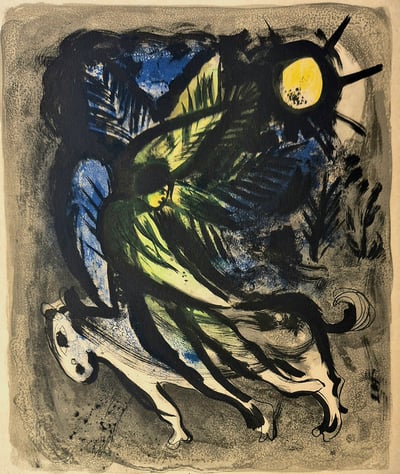
Marc Chagall
Der Engel (The Angel), 1960
Limited Edition Print
Lithograph
USD 11,500
Related Articles
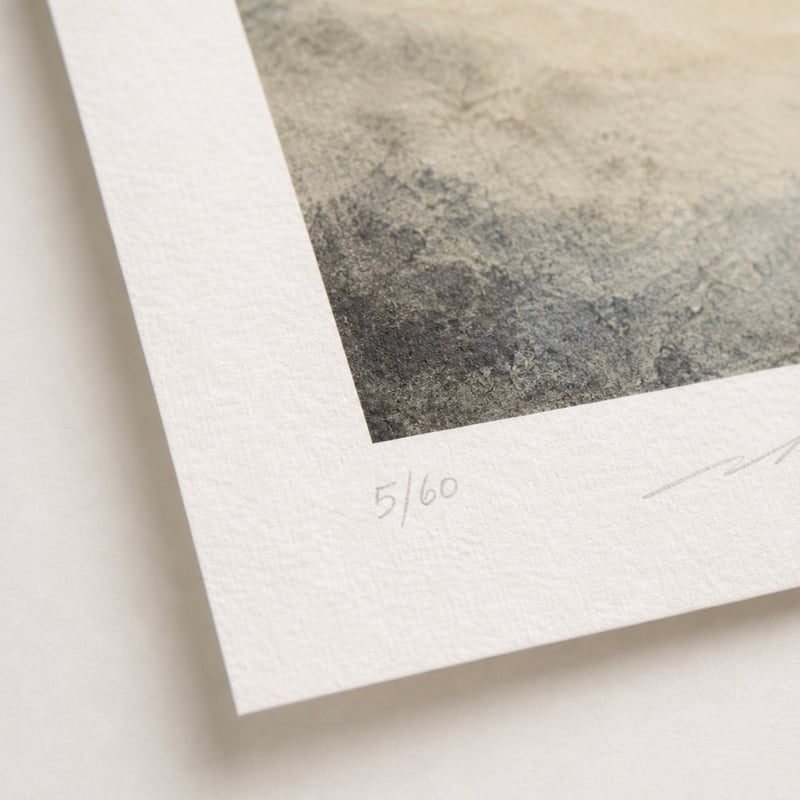



Woodblock printing is a technique that uses a carved wooden surface to create an image on materials such as paper or cloth. Ink or paint is applied thinly to the carved surface, which is then pressed against the material to transfer the image. This method has been historically significant in various cultures for producing prints and textiles.

An airbrush is a device that sprays various media, including paint and ink, using compressed air. Artists use airbrushes to create a smooth, even application of color, often achieving effects that are not possible with traditional brushes. James Rosenquist, an American Pop artist, regularly used an airbrush in his work. Before gaining fame with pieces like the iconic F-111 (1965), he worked as a commercial and industrial painter, where he honed his airbrush skills.
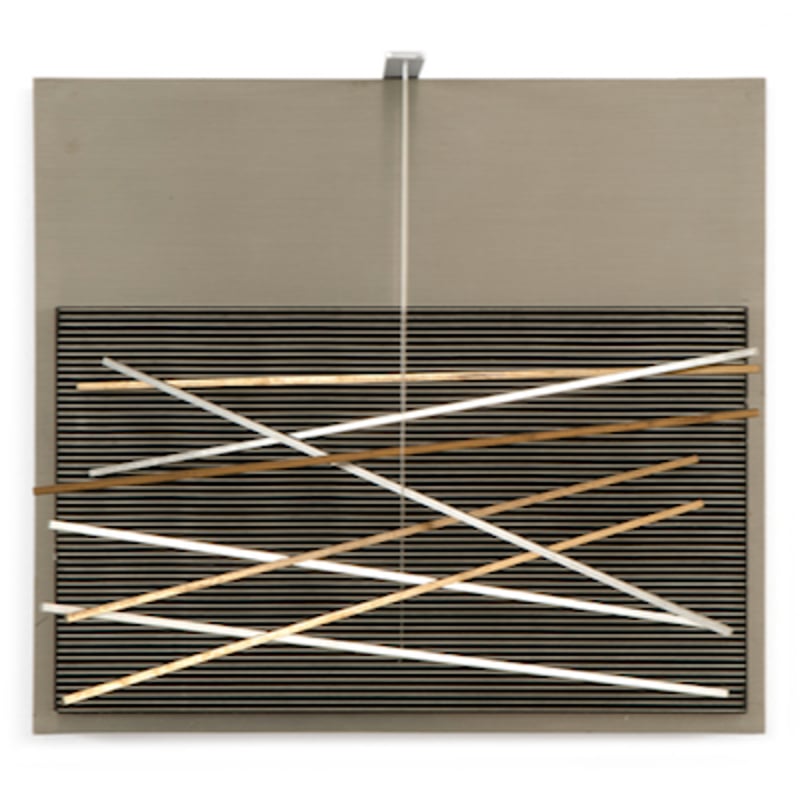
Kinetic art is an international movement that emerged in the 1920s and gained prominence in the 1960s, referring to art that involves both apparent and real motion. It encompasses any medium that includes movement, either relying on actual motion for its effect or being perceived as moving by the viewer. Early examples include canvas paintings designed to create optical illusions of movement. Today, kinetic art often refers to three-dimensional figures and sculptures, such as those operated by machines or those that move naturally. The movement covers a variety of styles and techniques that frequently overlap.
Can't find your Answer?
Thank you! Your question has been sent — we'll get back to you shortly.
