
What is a Lithograph?
Lithography is a printing method based on the principle that water and oil do not mix. It can be used to print artwork or text onto paper or other suitable materials. Traditionally, an image was drawn with wax, fat, or oil onto a lithographic limestone surface or plate. Today, metal plates and other surfaces are also used in lithographic printing.
Show All
- Show All
- Established
- Discoveries
Show All
- Show All
B
M
Artworks Related to Lithograph
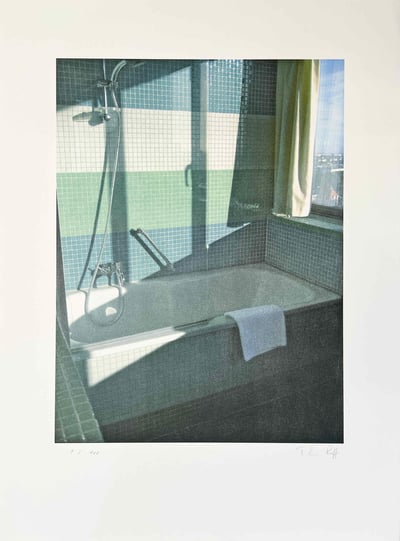
Thomas Ruff
No Title, 2009
Limited Edition Print
Lithograph
EUR 1,900
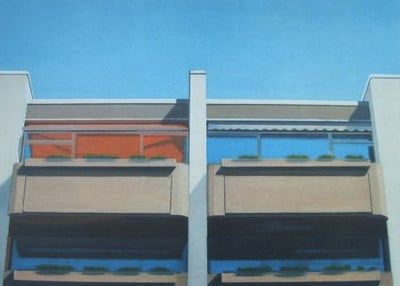
Eberhard Havekost
Vier Kabinen, 2000
Limited Edition Print
Lithograph
Currently Not Available
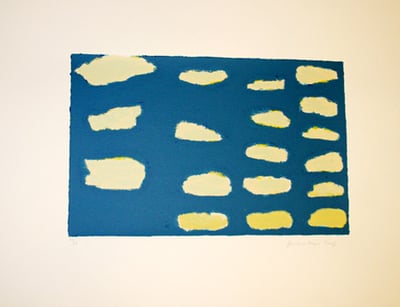
Raoul De Keyser
compositie 2, 2007
Limited Edition Print
Lithograph
Currently Not Available
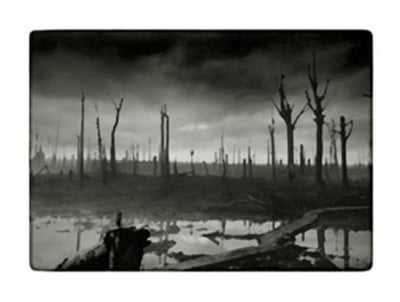
Hans Op de Beeck
Loss - Landscape, 2004
Limited Edition Print
Lithograph
Currently Not Available
Related Articles
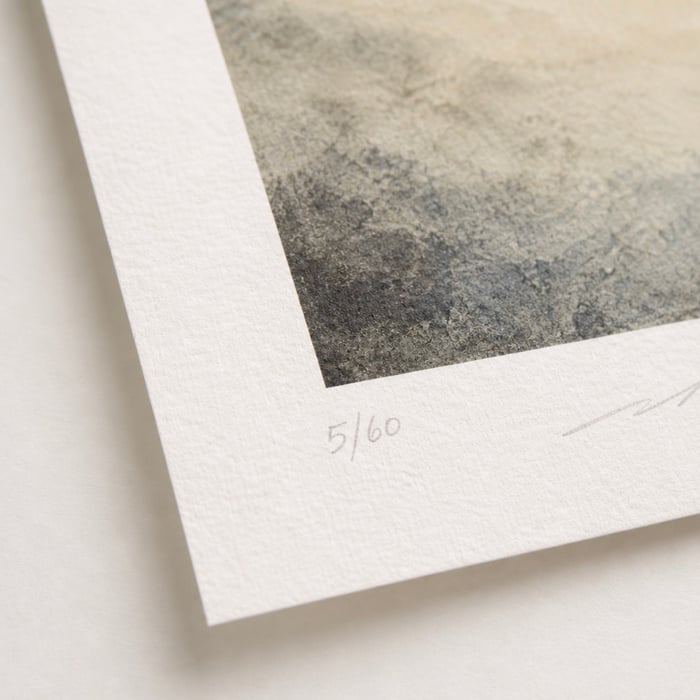

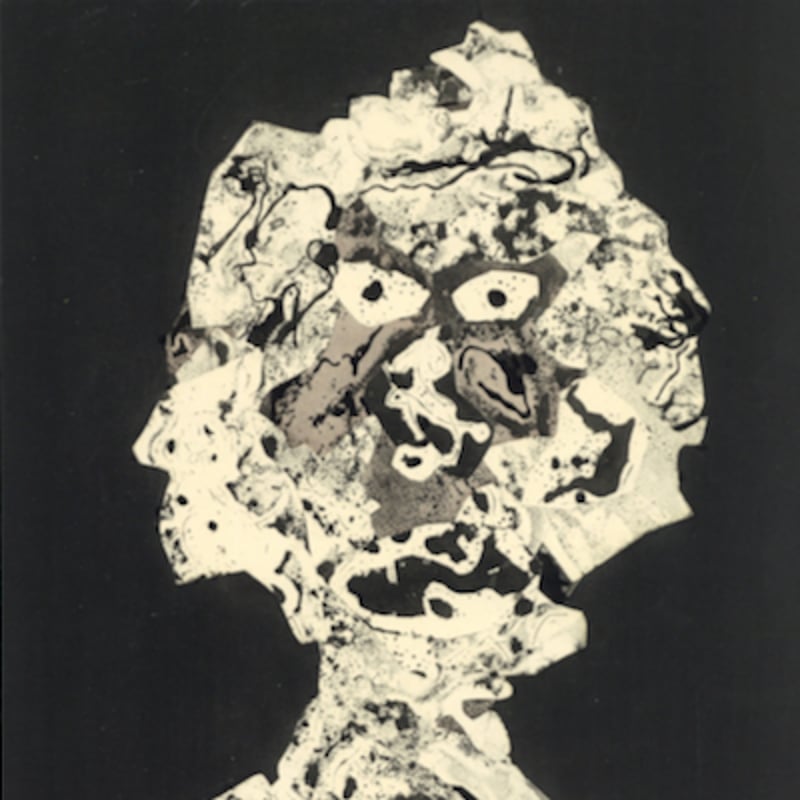
Art Brut, a French term meaning Raw Art, was coined by Jean Dubuffet to describe art created outside the conventional fine arts tradition. Dubuffet used the term to refer to works made by self-taught artists, including the mentally ill, prisoners, and others on the margins of society. He also called it Outsider Art. This art is characterized by its raw, unrefined nature, often created without concern for traditional presentation or imitation.

Porcelain is a hard, durable material made from clay, primarily composed of the mineral kaolinite. It is fired at high temperatures, resulting in a fine, white, and often translucent finish. Porcelain is used to create art objects and a wide range of household items such as dishes and bowls. Porcelain items are especially popular for painting with special glazes due to their smooth surface and ability to hold intricate designs.
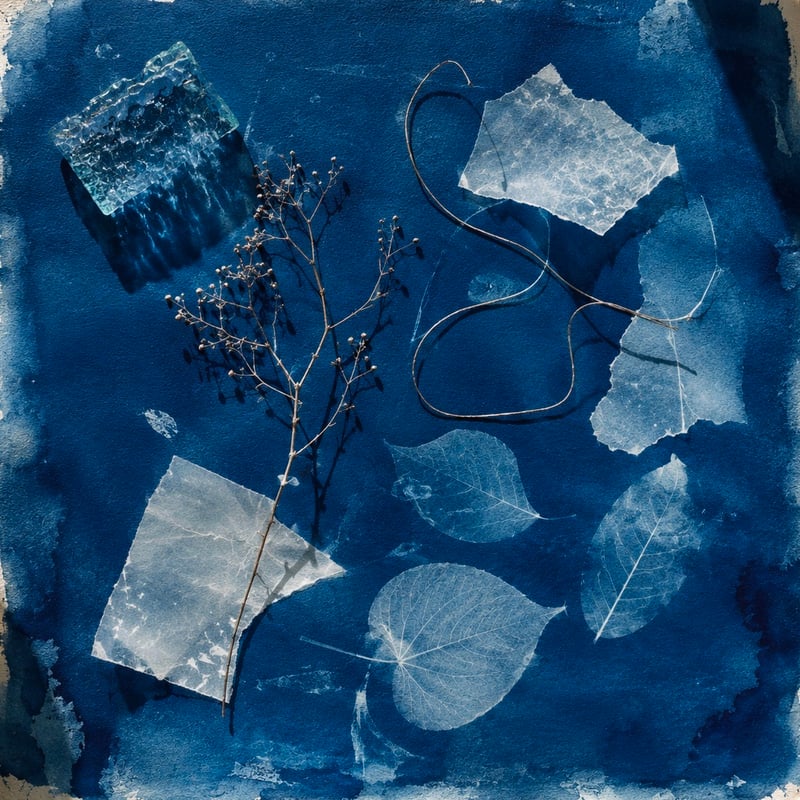
Cyanotype is a photographic technique that creates images in shades of blue, commonly known as blueprints. It involves coating a surface with a mixture of two chemicals, typically ferric ammonium citrate and potassium ferricyanide. When exposed to UV light and then washed in water, the process produces white images on a deep blue background.
Can't find your Answer?
Thank you! Your question has been sent — we'll get back to you shortly.
