
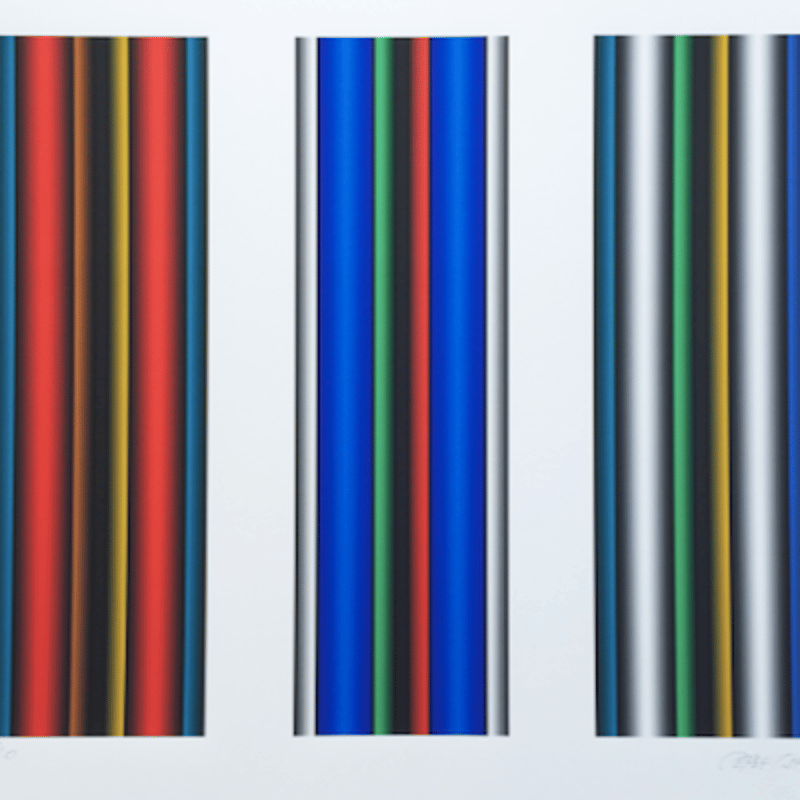
What is a Lithograph?
- Show All
- Established
- Discoveries
- Show All
Artworks Related to Lithograph
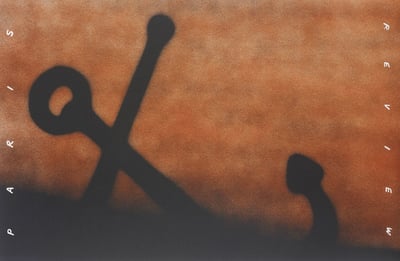
Ed Ruscha
Anchor in the Sand (Paris Review), 1991
Limited Edition Print
Lithograph
USD 8,500
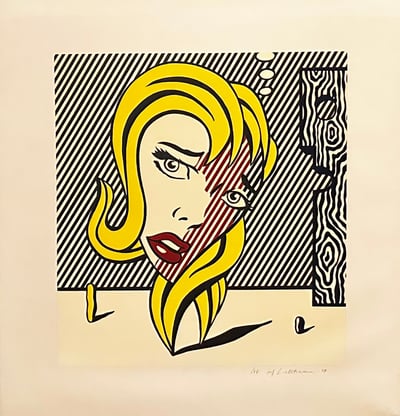
Roy Lichtenstein
Blonde, 1978
Limited Edition Print
Lithograph
USD 70,000 - 80,000
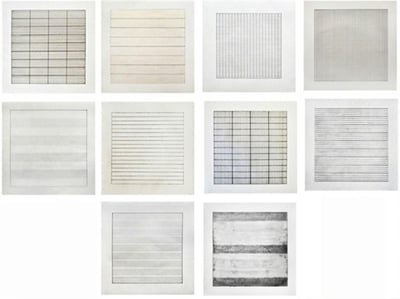
Agnes Martin
Untitled (from Paintings and Drawings: 1974-1990), 1991
Limited Edition Print
Lithograph
EUR 8,600
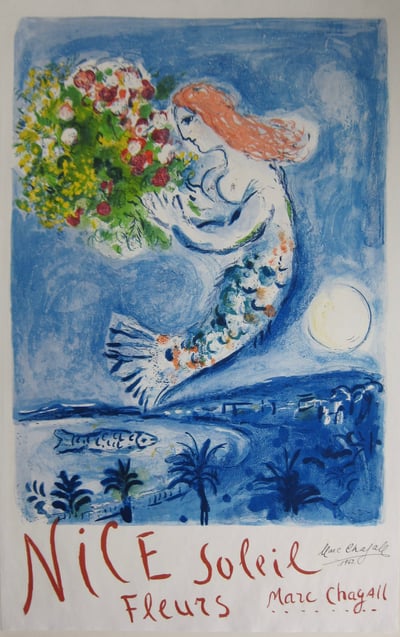
Marc Chagall
The Bay of Angels (La Baie des Anges), 1962
Limited Edition Print
Lithograph
EUR 7,200
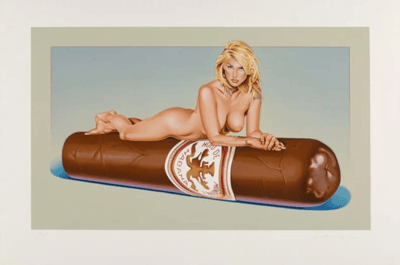
Mel Ramos
Hav a Havanna #7, 2008
Limited Edition Print
Lithograph
Inquire For Price
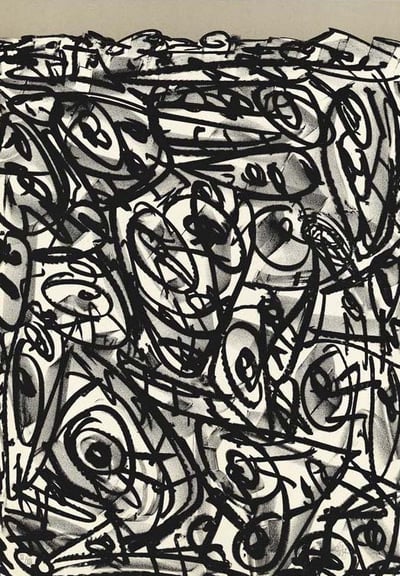
Antonio Saura
Toda persona tiene derecho a la libertad de reunion y de asociacion pacificas, 1984
Limited Edition Print
Lithograph
EUR 1,250
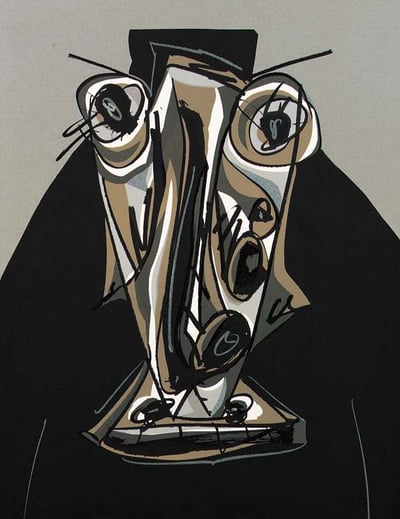
Antonio Saura
Melanchton III, 1988
Limited Edition Print
Lithograph
EUR 1,650
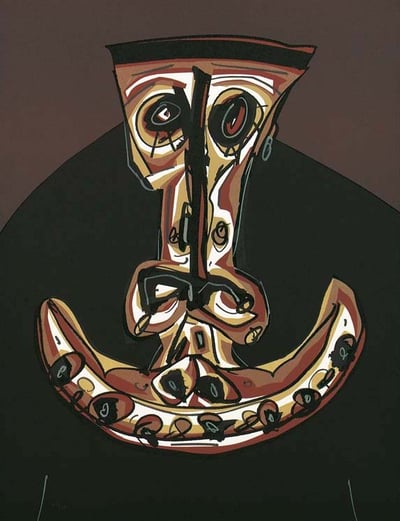
Antonio Saura
Melanchton II, 1988
Limited Edition Print
Lithograph
EUR 1,650
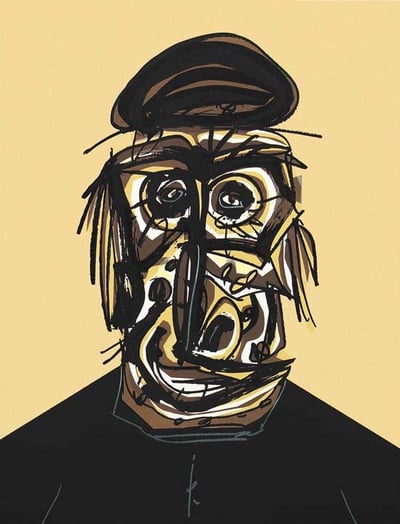
Antonio Saura
Don, 1988
Limited Edition Print
Lithograph
EUR 1,650
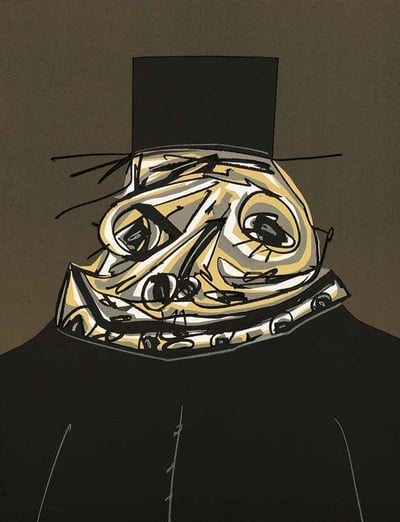
Antonio Saura
Philippe II, 1988
Limited Edition Print
Lithograph
EUR 1,650
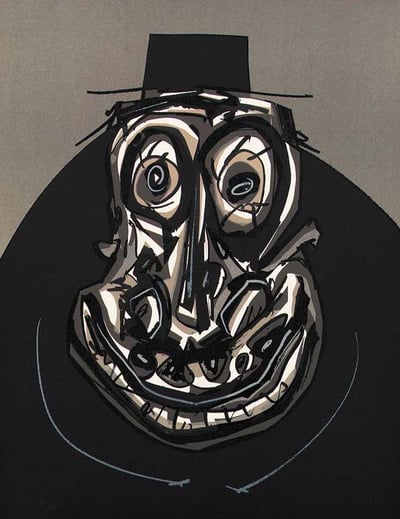
Antonio Saura
Melanchton I, 1988
Limited Edition Print
Lithograph
EUR 1,650
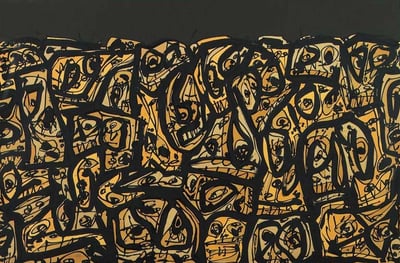
Antonio Saura
Foule, 1989
Limited Edition Print
Lithograph
EUR 2,200
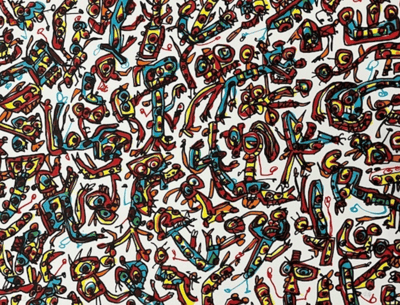
Antonio Saura
Serie Abierta IV, 1989
Limited Edition Print
Lithograph
EUR 1,350
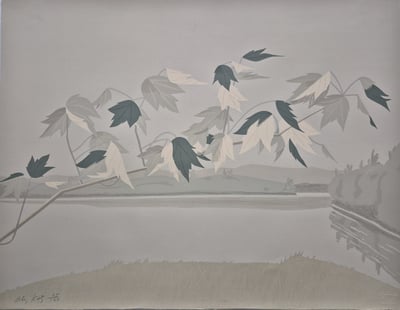
Alex Katz
Late July 2, 1971
Limited Edition Print
Lithograph
EUR 9,600
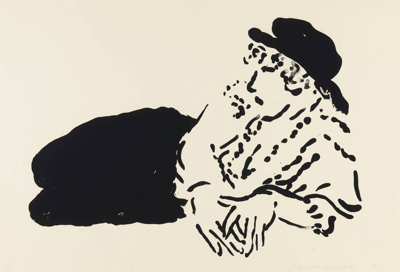
David Hockney
Celia (La Bergère), 1981
Limited Edition Print
Lithograph
USD 26,900
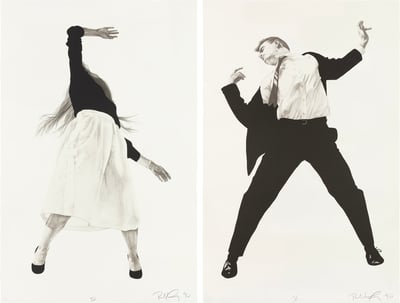
Robert Longo
Men in the Cities, Tokyo, Seibu Department Stores, Ltd. V (Single Man) & IV (Single Woman), 1990
Limited Edition Print
Lithograph
USD 68,000 - 75,000
Related Articles



Composition refers to the arrangement of elements within an artwork. The artist carefully organizes these elements to create a harmonious or intentionally dynamic relationship. Traditional approaches to composition often follow classical, geometric principles, while contemporary movements may experiment with new arrangements and adjustments, breaking away from conventional rules to achieve different visual effects.

A silver gelatin print is a type of photographic print made using the silver process. In this process, photographic materials such as black and white films and printing papers are coated with a light-sensitive emulsion of silver salts suspended in gelatin. This emulsion is applied to a support, which could be flexible plastic, glass, resin-coated paper, or baryta paper. The materials are light-sensitive and remain stable under normal storage conditions, making them ideal for long-term preservation.

Concrete Art is an art movement founded by the Dutch artist Theo van Doesburg in the 1930s. The movement emphasizes pure abstraction, focusing on geometric shapes and colors without any reference to the natural world or symbolic meaning. Unlike other forms of abstract art, Concrete Art is entirely non-representational and is based on mathematical principles and precise execution. It aims to create universal, timeless works by using simple, clear forms that emphasize objectivity and clarity.
Can't find your Answer?
Thank you! Your question has been sent — we'll get back to you shortly.
