
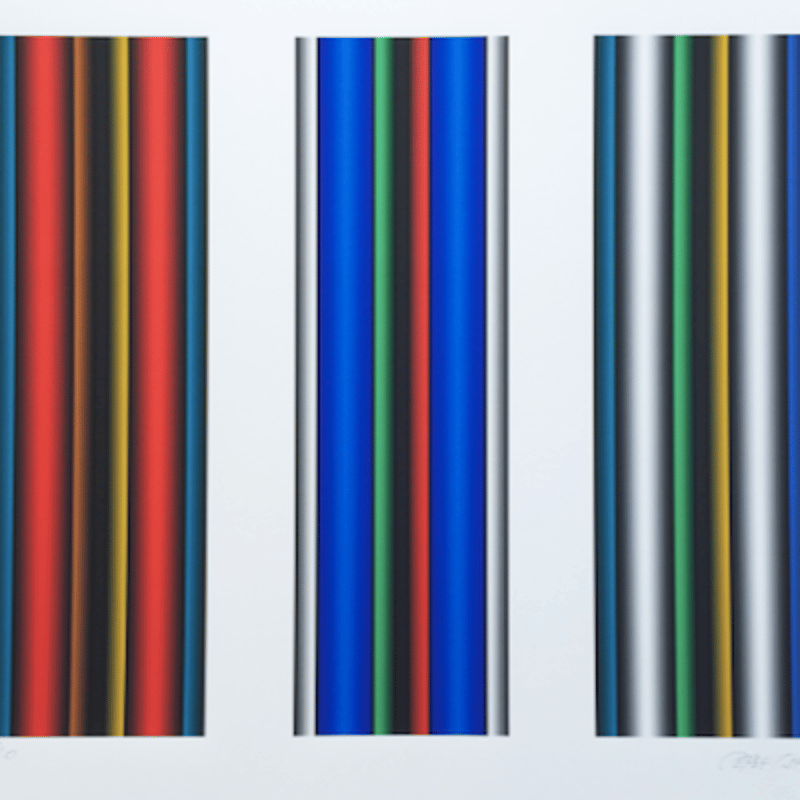
What is a Lithograph?
- Show All
- Established
- Discoveries
- Show All
Artworks Related to Lithograph
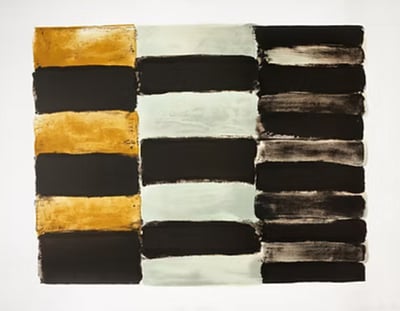
Sean Scully
Paris Black, 2004
Limited Edition Print
Lithograph
GBP 10,000 - 14,000
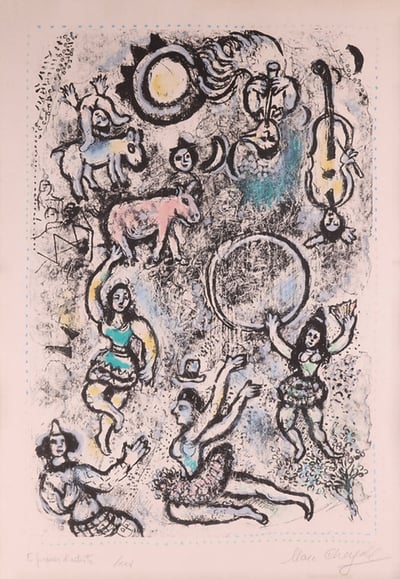
Marc Chagall
Les Saltimbanques, 1969
Limited Edition Print
Lithograph
GBP 13,000 - 15,000
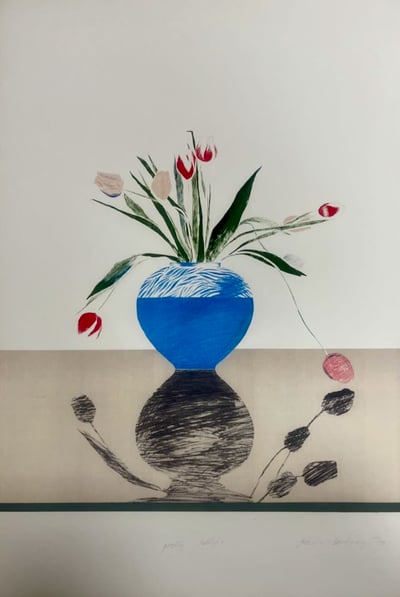
David Hockney
Pretty Tulips, 1970
Limited Edition Print
Lithograph
Inquire For Price
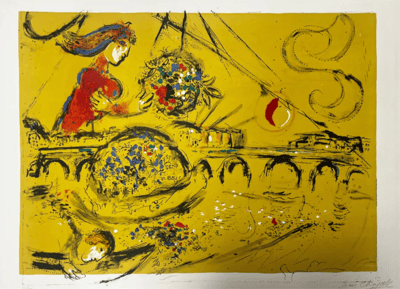
Marc Chagall
Île Saint-Louis, 1959
Limited Edition Print
Lithograph
EUR 13,500 - 17,000
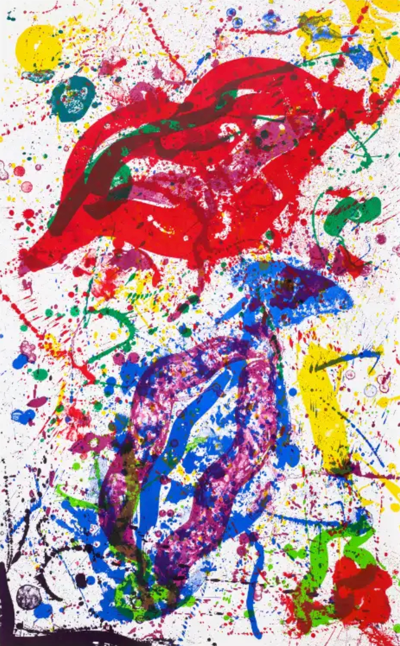
Sam Francis
Untitled (SF-329) (L. L278), 1988
Limited Edition Print
Lithograph
EUR 7,500 - 10,000
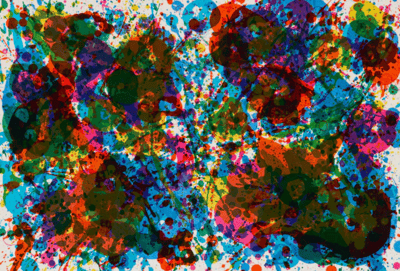
Sam Francis
Untitled (from the Fresh Air School portfolio), 1972
Limited Edition Print
Lithograph
EUR 1,850
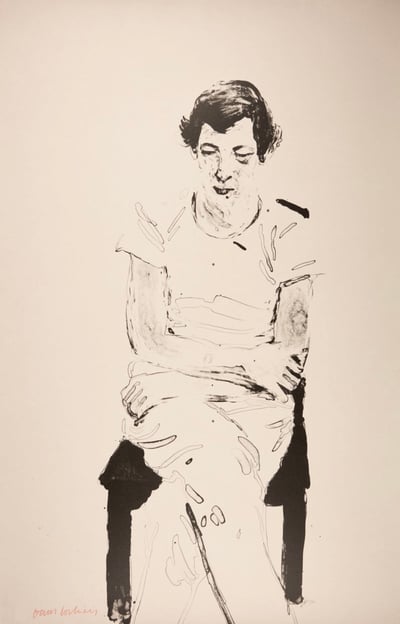
David Hockney
Gregory Thinking of Henry from Friends, 1976
Limited Edition Print
Lithograph
GBP 17,500 - 22,700
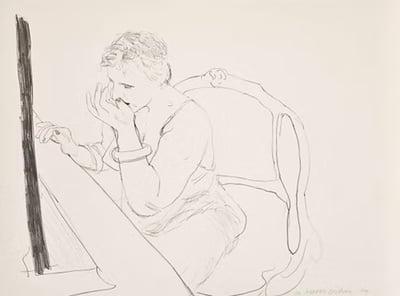
David Hockney
Celia Adjusting Her Eyelash, 1979
Limited Edition Print
Lithograph
GBP 10,950 - 14,200
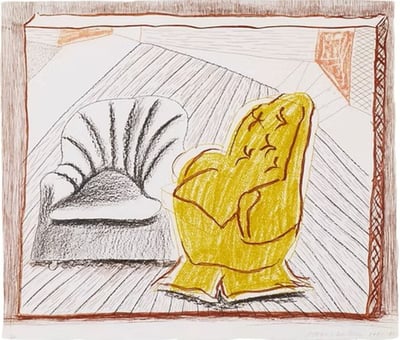
David Hockney
A Picture of Two Chairs, 1985
Limited Edition Print
Lithograph
GBP 27,500 - 35,750
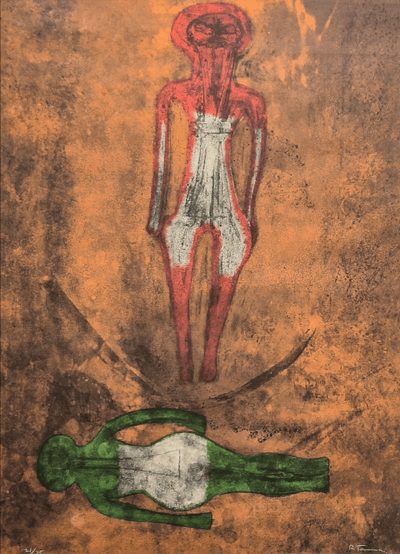
Rufino Tamayo
Dos Figuras, 1973
Limited Edition Print
Lithograph
USD 5,980
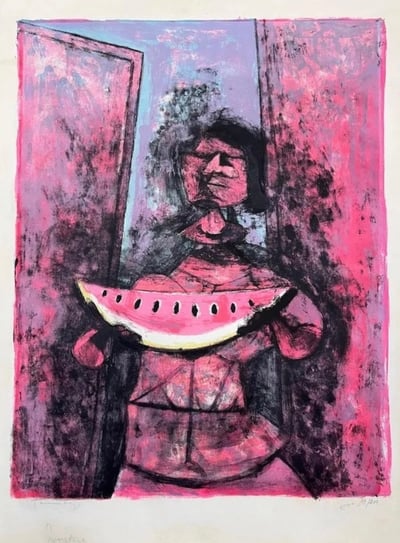
Rufino Tamayo
Mujer con sandia, 1950
Limited Edition Print
Lithograph
EUR 5,000
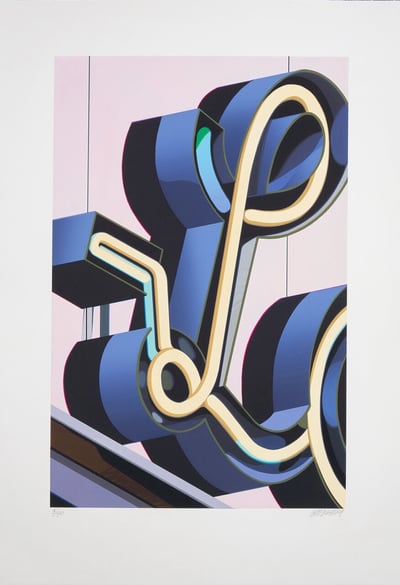
Robert Cottingham
L (from An American Alphabet), 2005
Limited Edition Print
Lithograph
Inquire For Price
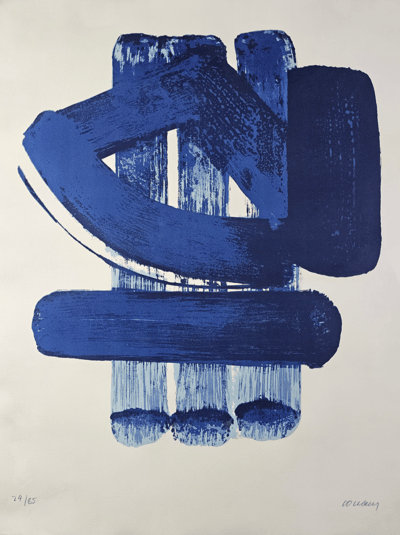
Pierre Soulages
Lithographie No 37, 1974
Limited Edition Print
Lithograph
EUR 68,000
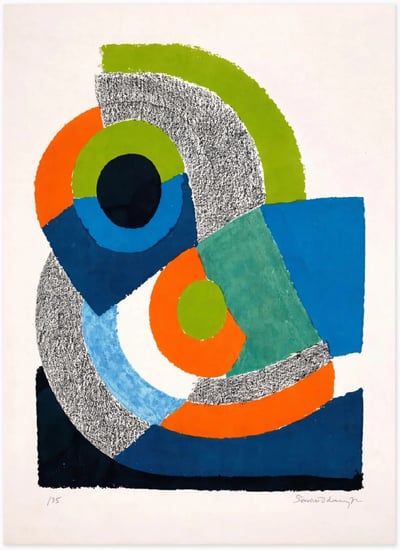
Sonia Delaunay
Courbe Verte, 1972
Limited Edition Print
Lithograph
GBP 4,800
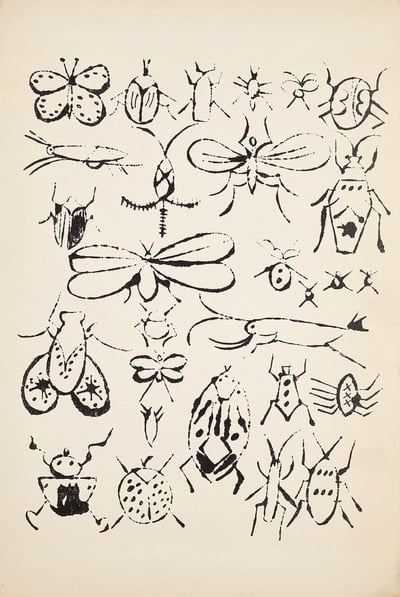
Andy Warhol
Happy Bug Day, 1955
Limited Edition Print
Lithograph
GBP 6,500 - 8,400
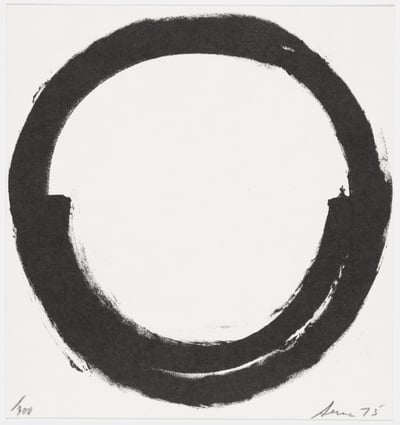
Richard Serra
Untitled from The New York Collection for Stockholm, 1973
Limited Edition Print
Lithograph
GBP 7,500 - 9,750
Related Articles
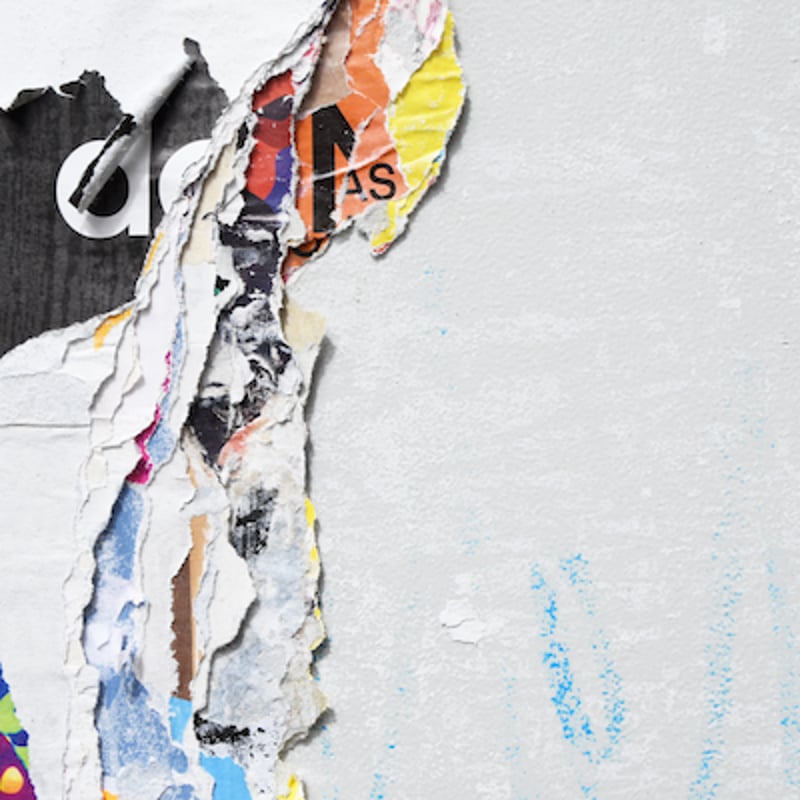
Décollage is an art technique involving the removal, cutting, or tearing away of parts of an original image. The term comes from the French word meaning to take off or to unstick. Artists use this method to challenge or replace existing values, often symbolically tearing away influences from media or conventional thinking.
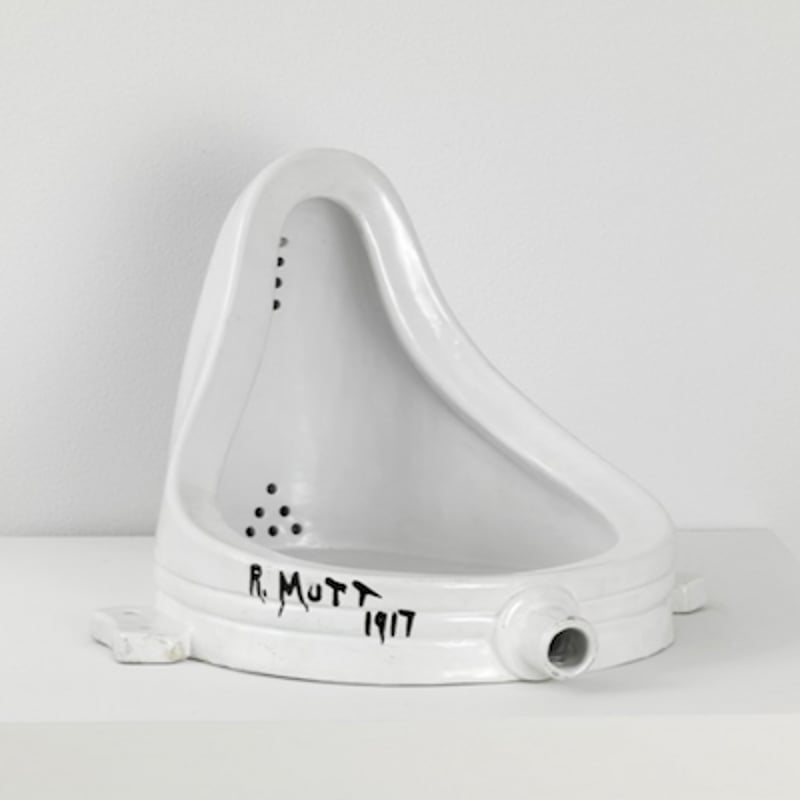
Anti-Art refers to artwork that challenges traditional definitions of art. The term is often attributed to artist Marcel Duchamp, who pioneered the use of readymades—everyday objects presented as art. These works defied conventional expectations that art should adhere to traditional or high art standards.

The Düsseldorf School of Photography refers to a group of photographers who studied under Bernd and Hilla Becher at the Kunstakademie Düsseldorf during the 1970s. This group was known for its devotion to the black-and-white industrial images characteristic of the German tradition known as New Objectivity. The photographers focused on precise, methodical documentation of industrial structures, often using a detached and objective approach.
Can't find your Answer?
Thank you! Your question has been sent — we'll get back to you shortly.
