Edition Numbers and Print Value: What Really Matters
By Emilia Novak
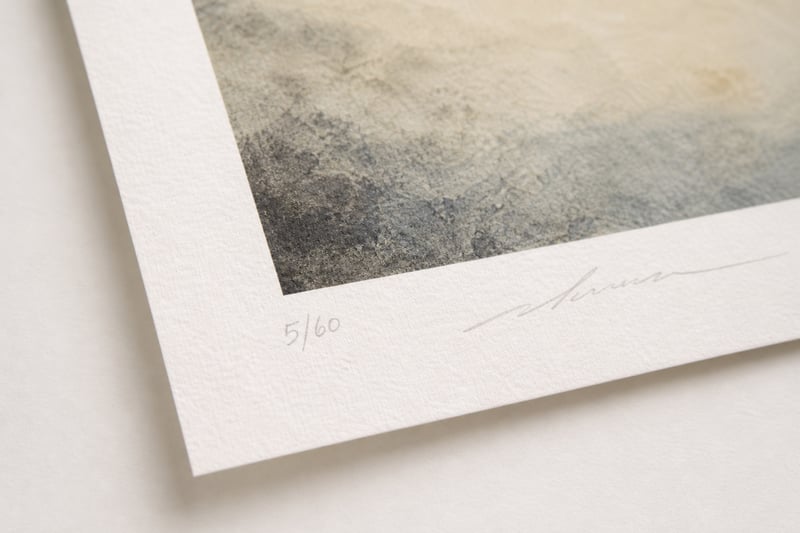
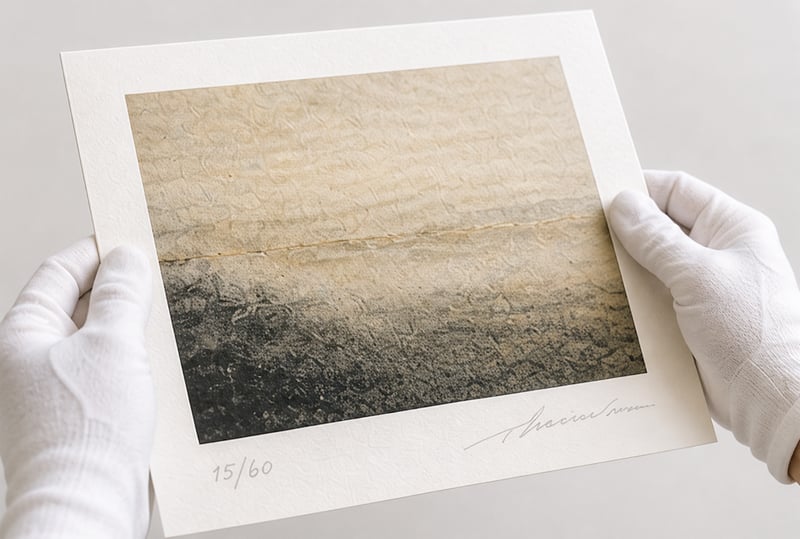
In modern printmaking, the specific number in an edition (e.g. 2/50 vs 30/50) has little to no impact on value. Prints are typically numbered after production, meaning the number does not reflect when the print was made or its quality.
Collectors may have personal preferences for certain numbers, but in the market, numbering is largely symbolic rather than financial.
What actually determines value
The edition size is what matters.
Smaller editions create scarcity, and scarcity drives demand. A print from an edition of 50 is simply rarer—and typically more valuable—than the same image from an edition of 300.
As a general rule:
A well-preserved print from a small edition will consistently outperform a low-numbered print from a large one.
- Editions of 25–50: highly exclusive, strongest growth potential
- Editions of 100: balanced, moderate appreciation
- Editions of 300+: more accessible, slower value growth
A well-preserved print from a small edition will consistently outperform a low-numbered print from a large one.
Why all prints are essentially equal
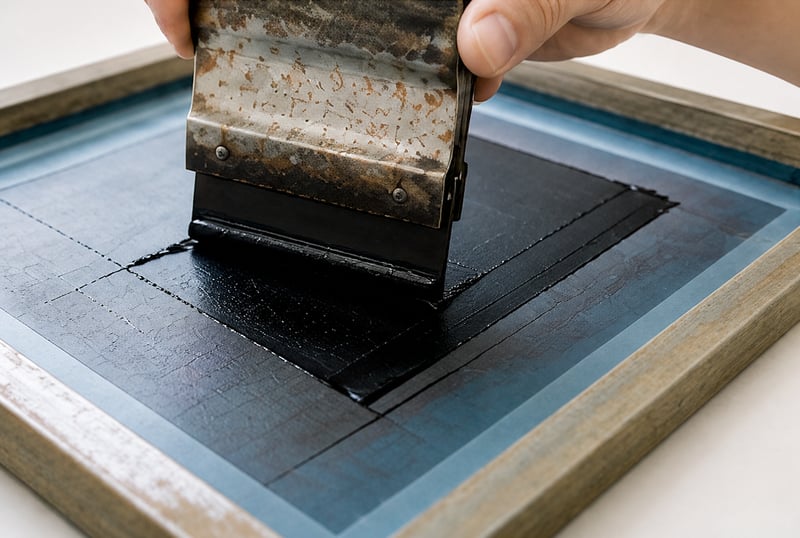
In contemporary printmaking (lithography, screenprint, digital), every impression is produced under controlled conditions from the same master. The result is uniform quality across the entire edition.
The idea that the first print is “better” than the last is largely outdated. Unlike historical techniques where plates could wear down, modern processes ensure that each print is visually consistent.
When large editions still hold strong value
Edition size is not everything.
For major artists and iconic images, demand can outweigh supply. Works by artists such as Andy Warhol demonstrate this clearly: even editions of 250 or more can achieve exceptional prices when the image is widely recognized and sought after.
In these cases, value is driven by:
In contemporary printmaking (lithography, screenprint, digital), every impression is produced under controlled conditions from the same master. The result is uniform quality across the entire edition.
The idea that the first print is “better” than the last is largely outdated. Unlike historical techniques where plates could wear down, modern processes ensure that each print is visually consistent.
When large editions still hold strong value
Edition size is not everything.
For major artists and iconic images, demand can outweigh supply. Works by artists such as Andy Warhol demonstrate this clearly: even editions of 250 or more can achieve exceptional prices when the image is widely recognized and sought after.
In these cases, value is driven by:
- the artist’s reputation
- the strength of the image
- market demand
What really matters
In practice, collectors and professionals focus on four factors:
The edition number itself plays only a minor role.
A pristine mid-numbered print from a small edition will almost always be more desirable than a poorly preserved “low-number” from a large run.
In practice, collectors and professionals focus on four factors:
- Edition size (scarcity)
- Condition
- Provenance
- Artist and image significance
The edition number itself plays only a minor role.
A pristine mid-numbered print from a small edition will almost always be more desirable than a poorly preserved “low-number” from a large run.
Related Articles

Collecting - October 11, 2023