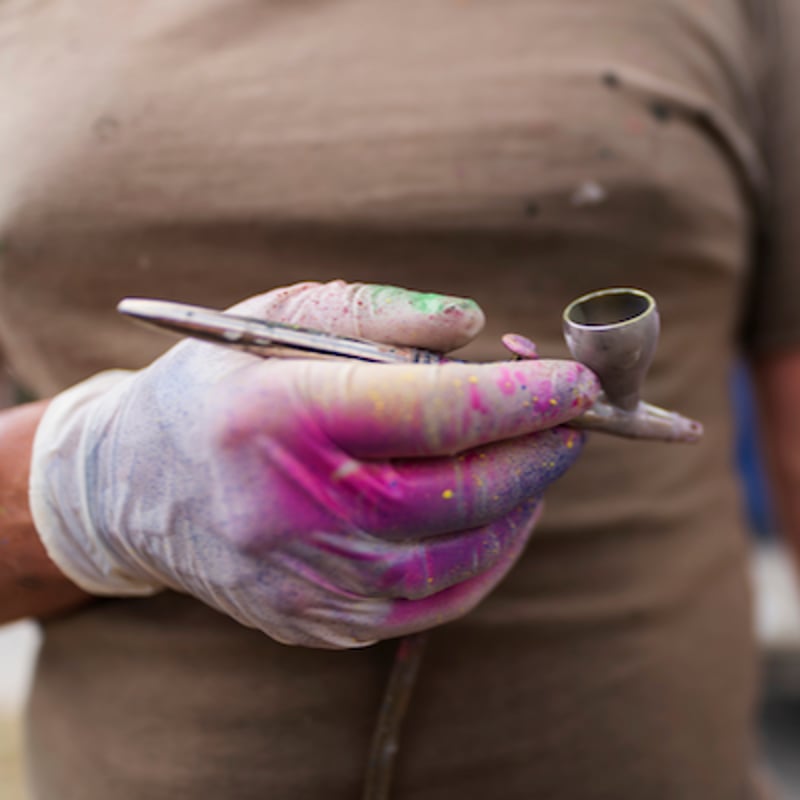
What is airbrush?
An airbrush is a device that sprays various media, including paint and ink, using compressed air. Artists use airbrushes to create a smooth, even application of color, often achieving effects that are not possible with traditional brushes. James Rosenquist, an American Pop artist, regularly used an airbrush in his work. Before gaining fame with pieces like the iconic F-111 (1965), he worked as a commercial and industrial painter, where he honed his airbrush skills.
Related Articles


Porcelain is a hard, durable material made from clay, primarily composed of the mineral kaolinite. It is fired at high temperatures, resulting in a fine, white, and often translucent finish. Porcelain is used to create art objects and a wide range of household items such as dishes and bowls. Porcelain items are especially popular for painting with special glazes due to their smooth surface and ability to hold intricate designs.

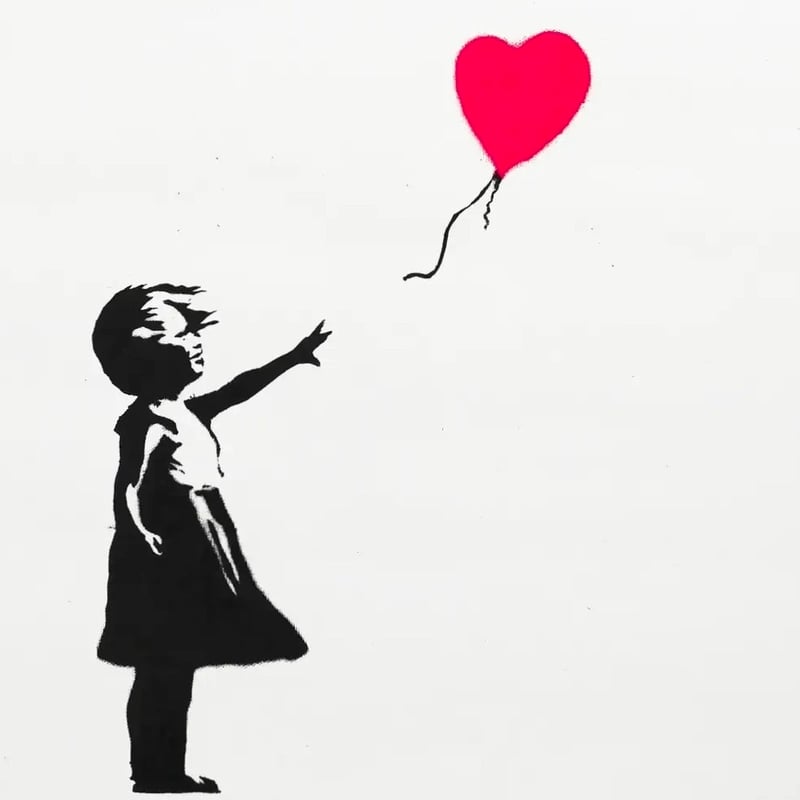
Authenticity refers to the qualities that define an original artwork as genuine, created by the artist under the original circumstances. A reproduction lacks authenticity because it was not made by the original artist and does not share the same context or creation process. The authenticity of an original artwork can be questioned when reproductions exist, which can diminish its value. Authenticity is often established through provenance, expert analysis, and documentation, ensuring the artwork's originality.
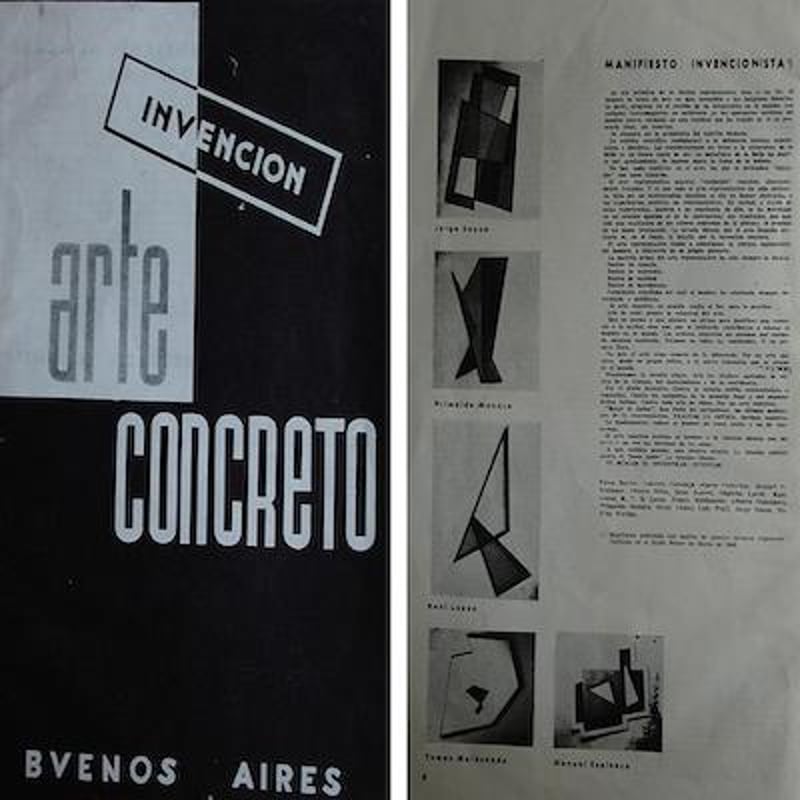
The Manifesto Invencionista was published in 1946, marking the beginning of the concrete art movement in Buenos Aires, Argentina. Written by artist Tomás Maldonado and published by the Asociación Arte Concreto-Invención, the manifesto announced the principles of Concrete Art. Concrete art is purely abstract, with no reference to visual reality, emphasizing geometric forms and the materiality of the artwork itself.
Can't find your Answer?
Thank you! Your question has been sent — we'll get back to you shortly.
