What is conceptual art?
- Show All
- Established
- Discoveries
- Show All
Artworks Related to Conceptual art
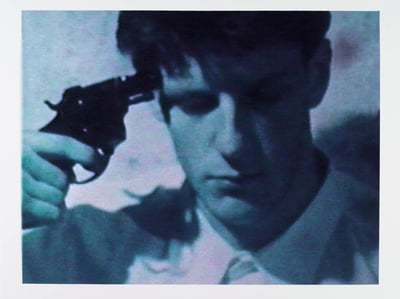
Jan Fabre
Zelfmoord ?, 2004
Limited Edition Print
Lithograph
EUR 1,950

Iain Baxter
Animal Preserve: The 3 Kingdoms, 2008
Sculpture / Object
Mixed Media
EUR 2,000

Waltercio Caldas
WC 56 2, 2015
Limited Edition Print
Mixed Media
EUR 1,800

Waltercio Caldas
WC 56 6, 2015
Limited Edition Print
Mixed Media
EUR 1,800
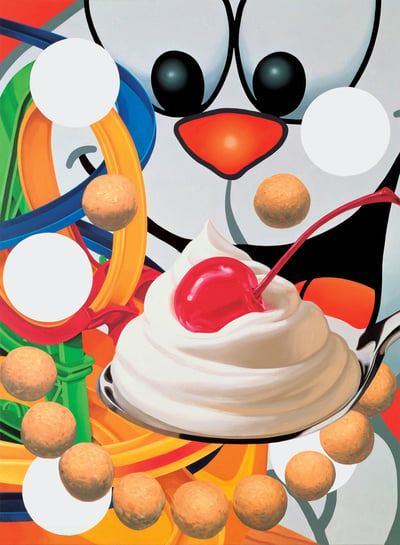
Jeff Koons
Loopy, 2000
Limited Edition Print
Digital Print on paper
Currently Not Available
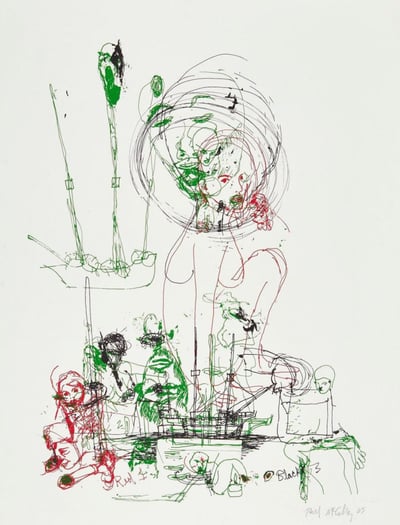
Paul Mccarthy
Red, Green, Black, 2005
Limited Edition Print
Silkscreen
USD 4,500

Bernar Venet
Two Undetermined Lines , 1990
Limited Edition Print
Mixed Media
USD 44,000
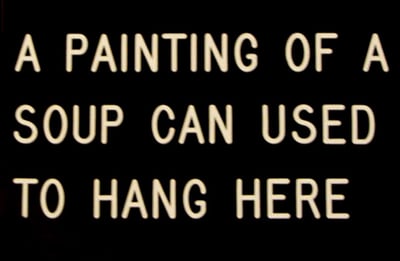
William Anastasi
A Painting of a Soup Can, 1990
Limited Edition Print
Silkscreen
USD 2,400
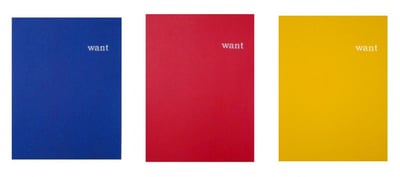
William Anastasi
The Want Portfolio (3), 1990
Limited Edition Print
Silkscreen
USD 7,800
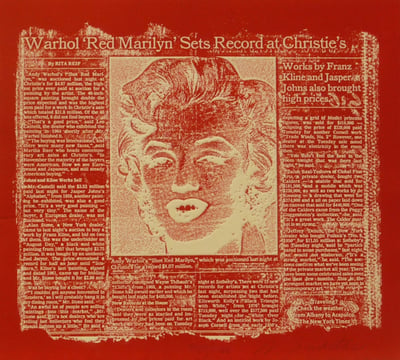
William Anastasi
Red Marilyn, 1990
Limited Edition Print
Etching
USD 3,800

Rachel Whiteread
Mike and the Modelmakers, 2008
Sculpture / Object
Object
EUR 1,300

Thomas Ruff
Chiracs battle, 1998
Photography
Photograph
EUR 950

Paul Mccarthy
Pudding, 1999
Sculpture / Object
Mixed Media
EUR 1,500
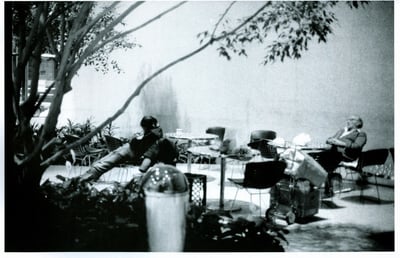
Dan Graham
Park Avenue Atrium, 1997
Photography
Photograph
Currently Not Available

Christian Boltanski
Signal, 1995
Photography
Photograph
Currently Not Available
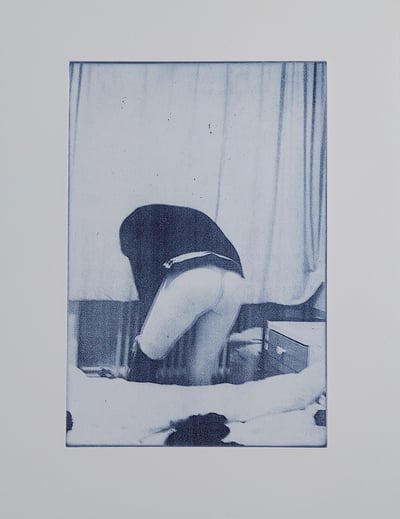
Christopher Wool
Untitled, 1994
Photography
Photogravure
Make Your Offer
Related Articles

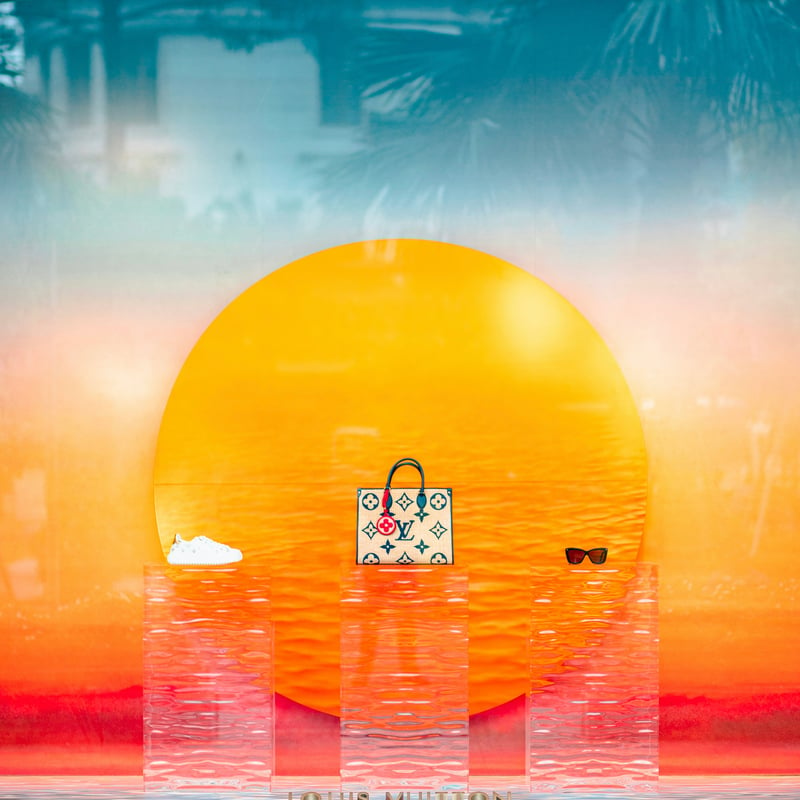


Composition refers to the arrangement of elements within an artwork. The artist carefully organizes these elements to create a harmonious or intentionally dynamic relationship. Traditional approaches to composition often follow classical, geometric principles, while contemporary movements may experiment with new arrangements and adjustments, breaking away from conventional rules to achieve different visual effects.
Hypermodernism is a cultural and artistic movement that emerged in the late 20th and early 21st centuries, characterized by an intense embrace of technology and a focus on speed, complexity, and the future. This movement often challenges traditional modernist values by emphasizing hyper-reality, where the boundaries between reality and virtuality blur. Hypermodernism is evident in architecture, design, and visual arts, where artists and creators use advanced digital tools and futuristic aesthetics to explore themes of globalization, identity, and the impact of technology on society.

New Generation Sculpture was a movement started in the 1960s by a group of British artists. They experimented with unconventional forms, materials, and colors, creating sculptures that did not rely on traditional bases. Their work often featured plastic sheeting, fiberglass, and other industrial materials, which were fastened together and brightly painted.
Can't find your Answer?
Thank you! Your question has been sent — we'll get back to you shortly.
