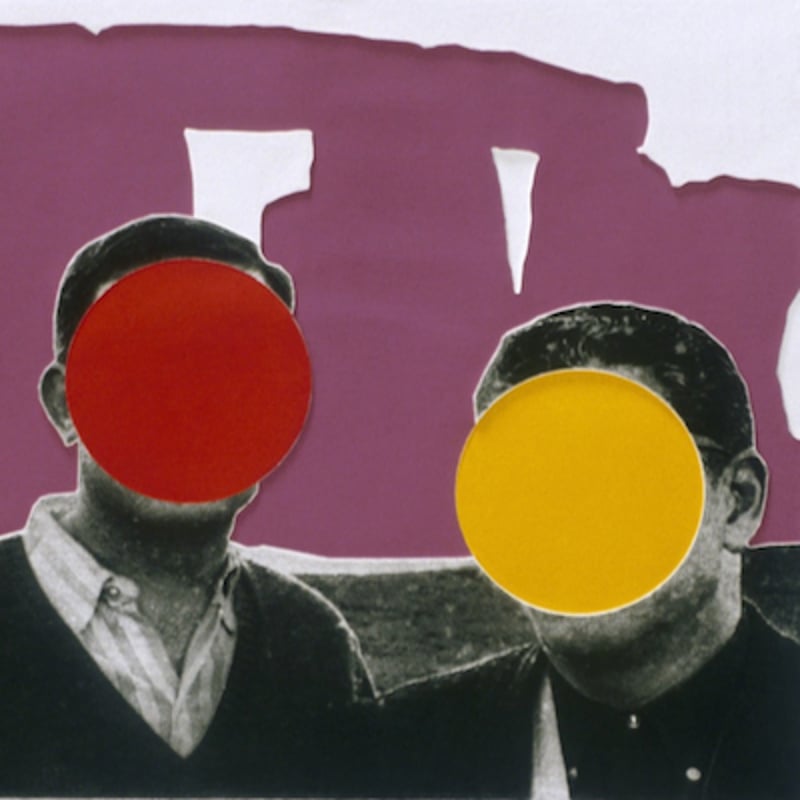
What is conceptual art?
Sometimes referred to as Conceptualism, this is an art form where the idea(s) or concept(s) behind the work take precedence over material concerns and traditional aesthetics. Many conceptual artworks can be created by anyone simply by following written instructions. The concept or idea is the most essential aspect of the artwork.
Show All
- Show All
- Established
- Discoveries
Show All
- Show All
Artworks Related to Conceptual art
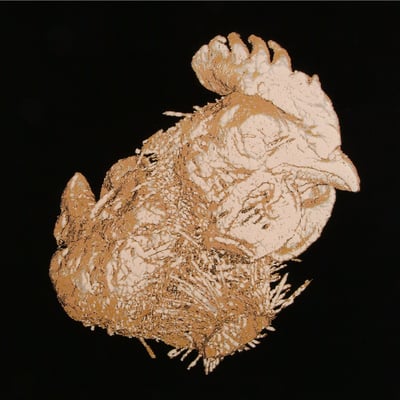
Koen Vanmechelen
Janus, 2005
Tapestry
Tapestry
EUR 1,900
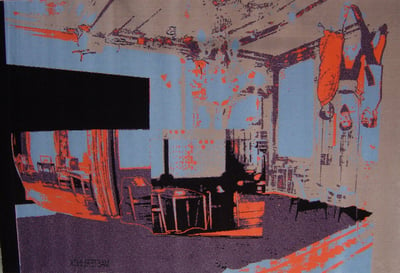
Anne-Mie Van Kerckhoven
Maeterlinck - reverse, 2003
Tapestry
Tapestry
Currently Not Available
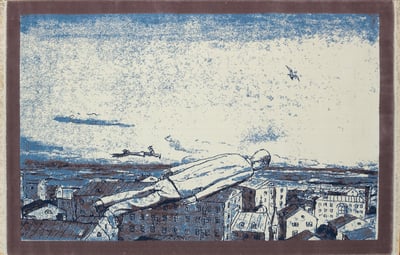
Ilja Kabakov
The Flying #4, 2006
Tapestry
Tapestry
EUR 13,500
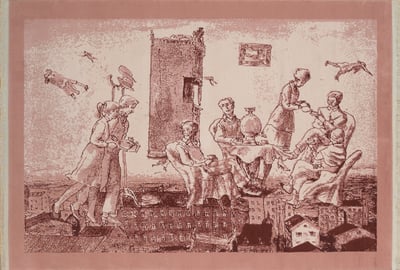
Ilja Kabakov
The Flying #3, 2006
Tapestry
Tapestry
EUR 13,500
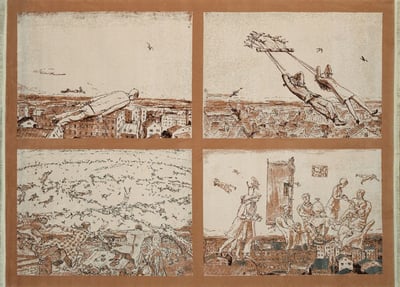
Ilja Kabakov
The Flying #2, 2006
Tapestry
Tapestry
EUR 24,000
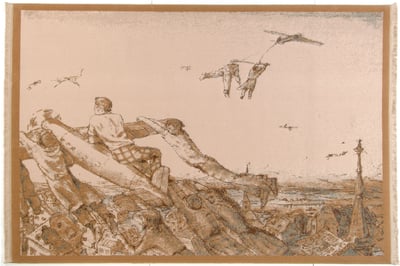
Ilja Kabakov
The Flying, 2006
Tapestry
Tapestry
EUR 13,500
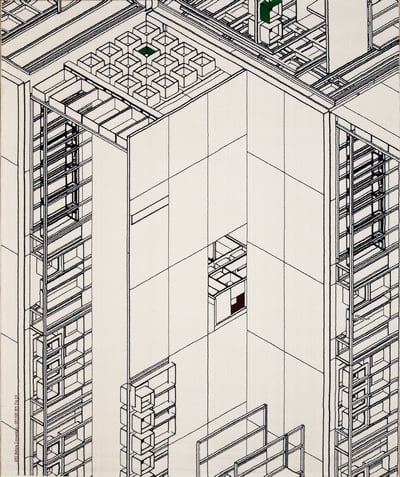
Jan De Cock
D53 Before Conversation Fig.154, 2006
Tapestry
Tapestry
EUR 11,000
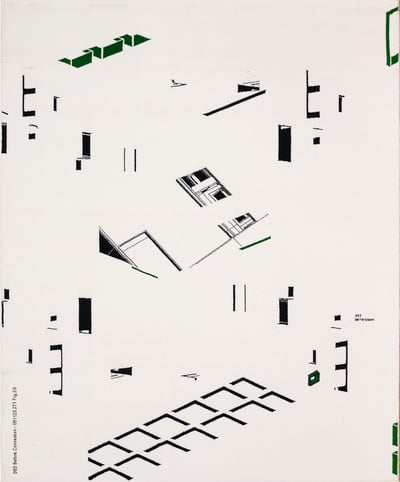
Jan De Cock
D53 Before Converdation Fig.271, 2006
Tapestry
Tapestry
EUR 7,500
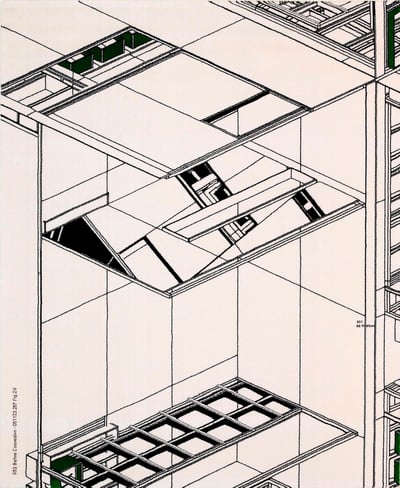
Jan De Cock
D53 Before Conversation Fig.267, 2006
Tapestry
Tapestry
EUR 7,500
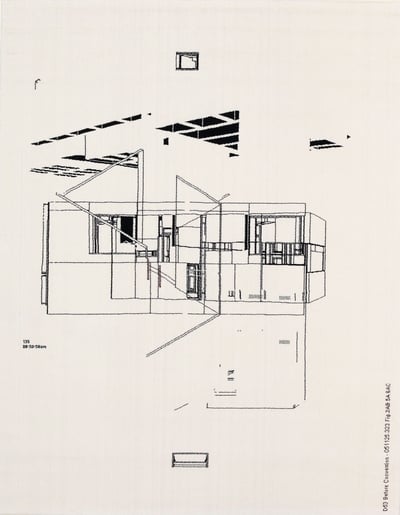
Jan De Cock
D53 Before Conversation - fig323, 2006
Tapestry
Tapestry
EUR 6,500
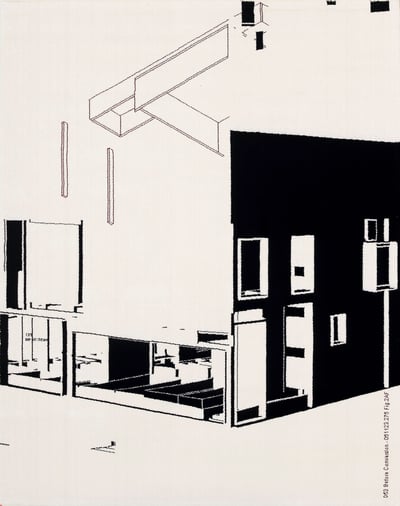
Jan De Cock
D53 Before Conversation - Fig275, 2006
Tapestry
Tapestry
EUR 6,500
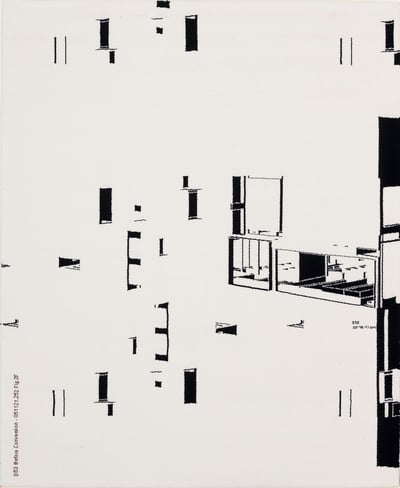
Jan De Cock
D53 Before Conversation - Fig252, 2006
Tapestry
Tapestry
EUR 6,500
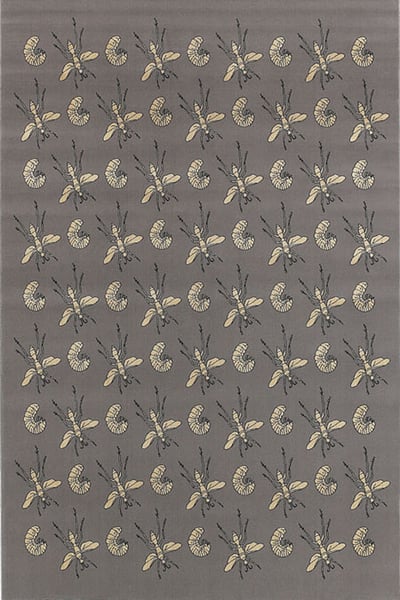
Jan Fabre
Flies, 2002
Tapestry
Tapestry
EUR 4,800
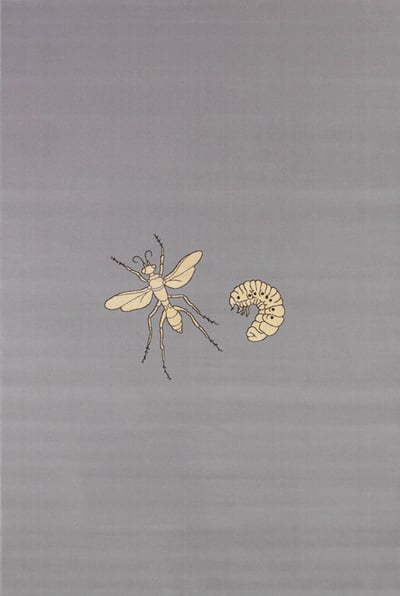
Jan Fabre
Fly, 2002
Tapestry
Tapestry
EUR 4,800
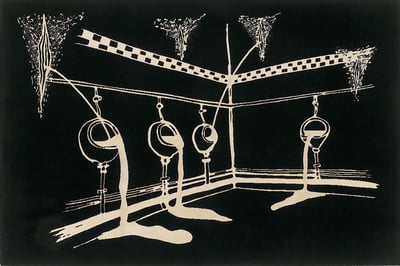
Jan Fabre
Privy - White, 2002
Tapestry
Tapestry
EUR 6,500
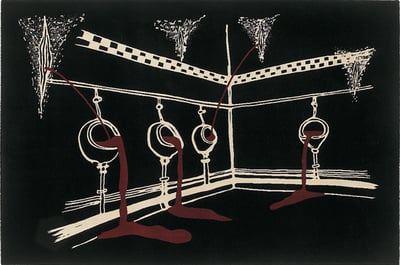
Jan Fabre
Privy - Red, 2002
Tapestry
Tapestry
EUR 6,500
Related Articles

Grupo Frente was a movement founded in 1954 in Brazil by teaching artist Ivan Serpa. The movement included many students from the Rio de Janeiro Museum of Modern Art and sought to reject the nationalism and figuration present in the modernist forms of Brazilian painting. Grupo Frente emphasized experimentation and abstraction, aiming to explore new artistic possibilities beyond traditional constraints.

Surrealism began in the 1920s as an art and literary movement with the goal of revealing the unconscious mind and unleashing the imagination by exploring unusual and dream-like imagery. Influenced by Sigmund Freud’s theories of psychoanalysis, Surrealist artists and writers sought to bring the unconscious into rational life, blurring the lines between reality and dreams. The movement aimed to challenge conventional perceptions and express the irrational aspects of the human experience.

Acrylic on paper is a technique that involves using acrylic paints on various paper types and textures. Artists often choose watercolor paper with smooth or rough surfaces to apply acrylics using watercolor techniques such as bleeding, washing, and spattering. This approach allows for a wide range of effects, combining the flexibility of acrylics with the delicate qualities of watercolor methods.
Can't find your Answer?
Thank you! Your question has been sent — we'll get back to you shortly.
