What is conceptual art?
- Show All
- Established
- Discoveries
- Show All
Artworks Related to Conceptual art

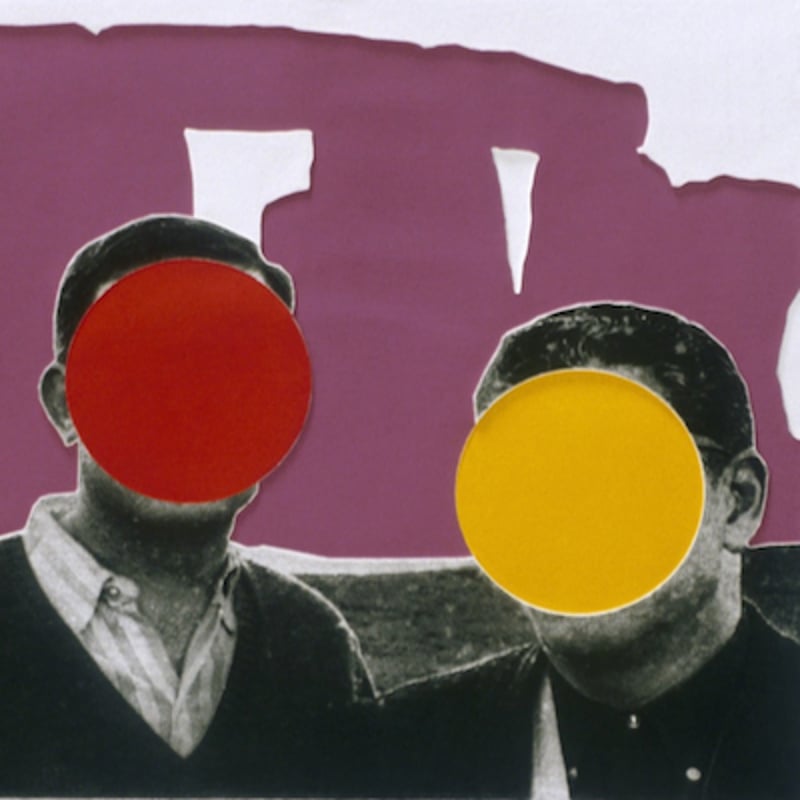
Laure Prouvost
It calms us both 1, 2014
Limited Edition Print
Etching
EUR 1,200
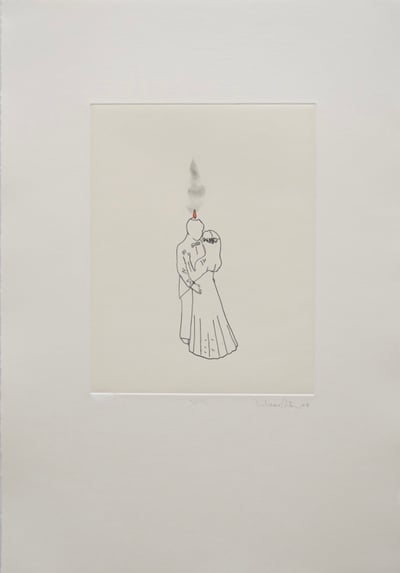
Liliana Porter
Vals , 2007
Limited Edition Print
Etching
EUR 1,400

Liliana Porter
Pato, 2007
Limited Edition Print
Etching
EUR 1,400

Liliana Porter
Concierto, 2007
Limited Edition Print
Etching
EUR 1,400
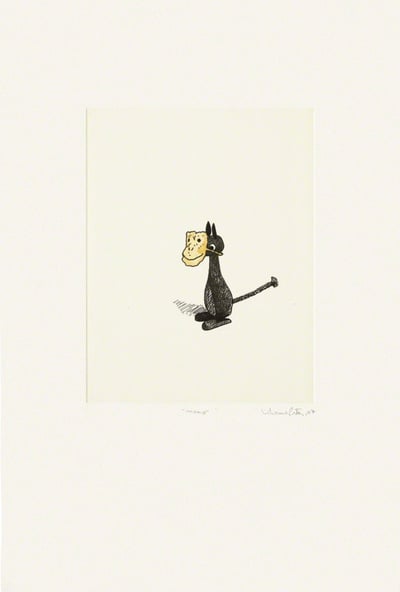
Liliana Porter
Mono, 2007
Limited Edition Print
Etching
EUR 1,400

Liliana Porter
Cantante, 2007
Limited Edition Print
Etching
EUR 1,400

Liliana Porter
Gorrito verde, 2007
Limited Edition Print
Etching
EUR 1,400

Liliana Porter
Máscara, 2007
Limited Edition Print
Etching
EUR 1,400
Liliana Porter
Conejo que levita, 2007
Limited Edition Print
Etching
EUR 1,400
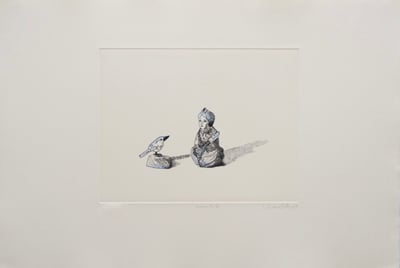
Liliana Porter
Concierto II, 2007
Limited Edition Print
Etching
EUR 1,400
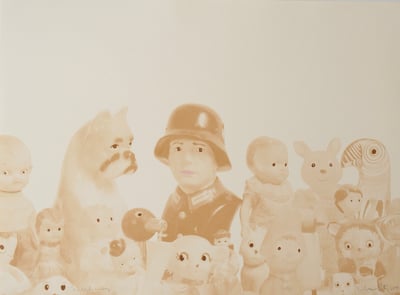
Liliana Porter
Sin título con nazi , 2005
Limited Edition Print
Lithograph
EUR 1,800
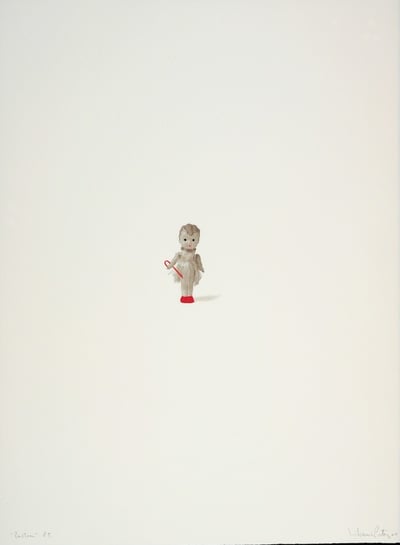
Liliana Porter
Pastora, 2005
Limited Edition Print
Lithograph
EUR 1,800
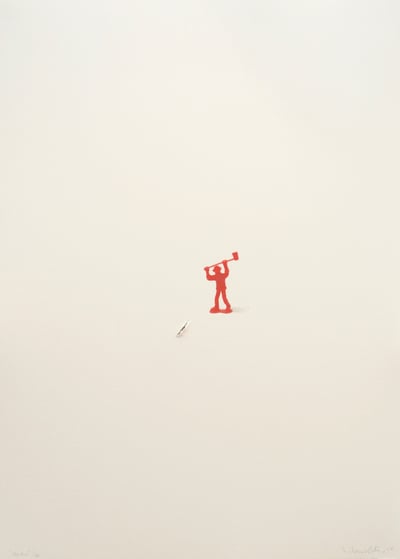
Liliana Porter
Hacha, 2005
Limited Edition Print
Lithograph
EUR 1,800
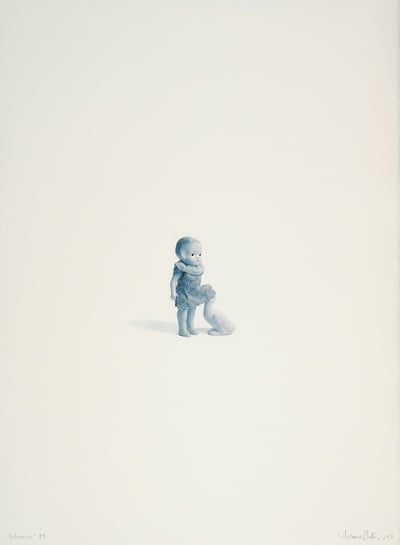
Liliana Porter
Situación, 2005
Limited Edition Print
Lithograph
EUR 1,800
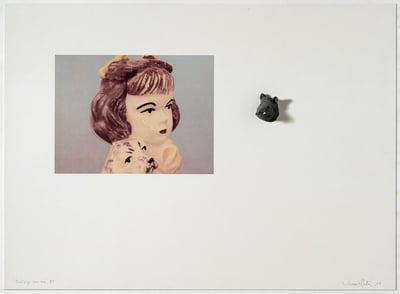
Liliana Porter
Diálogo con eso, 2005
Limited Edition Print
Lithograph
EUR 2,200

Liliana Porter
Shit, 2005
Limited Edition Print
Etching
EUR 1,400
Related Articles


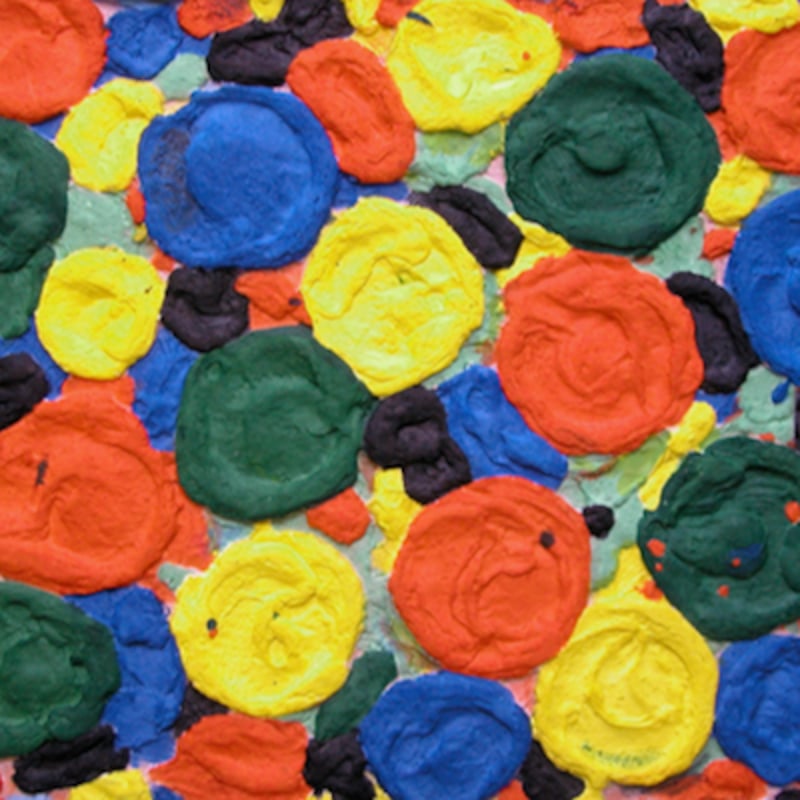
Aquagravure is a technique that combines multiple processes. It involves compressing wet paper pulp in a carved wood mold until the water drains off. The compressed paper is then painted, and ink is added to the mold to print onto the painted paper. The final work is allowed to dry. This method results in a unique textural and visual effect, blending elements of printmaking and papermaking.

Pastel is an art medium in stick form made from powdered pigment and a binder. The pigments used in pastels are the same as those in other colored art media. The color effect of pastels closely resembles that of dry pigments, more so than any other medium. Artworks created with pastels are called pastel paintings, pastel drawings, or simply pastels. The term pastel can also refer to the process of creating art using pastel sticks.
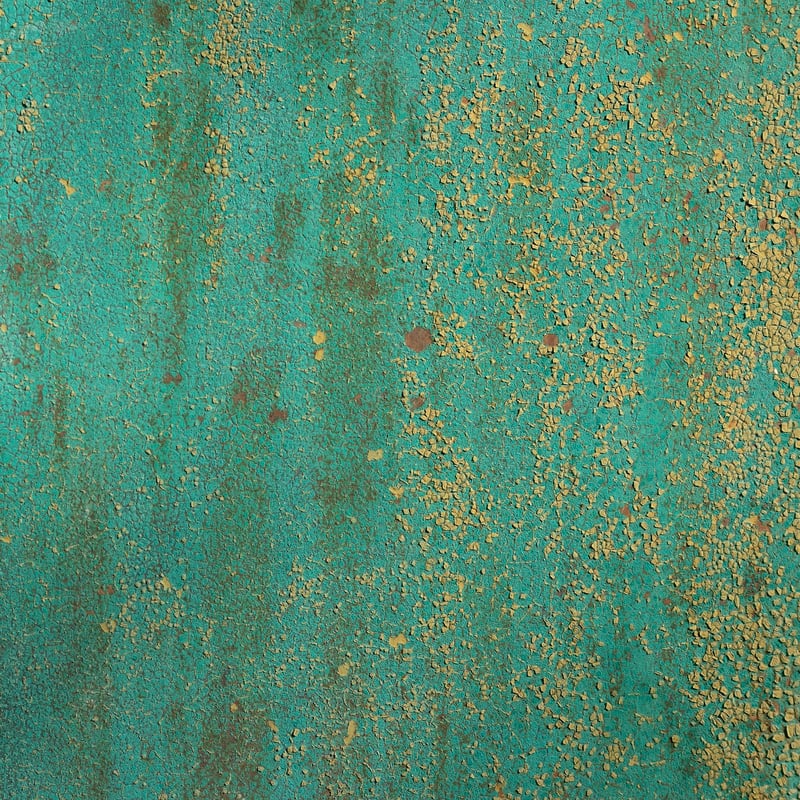
Patina is the distinctive greenish surface that bronze develops over time due to exposure to air and humidity. Artists can also apply chemicals to bronze to artificially create patina. Alternatively, bronze can be polished to reveal its natural rich gold color. Patina is not exclusive to bronze; it can also occur on other metals like copper and even on wood and stone, enhancing the material's character over time.
Can't find your Answer?
Thank you! Your question has been sent — we'll get back to you shortly.
