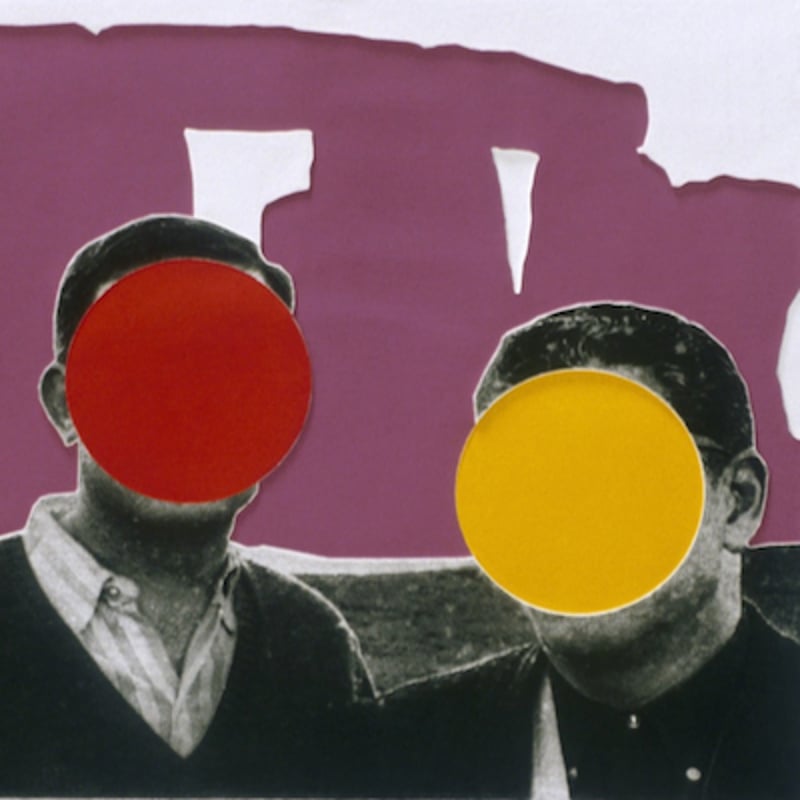
What is conceptual art?
- Show All
- Established
- Discoveries
- Show All
Artworks Related to Conceptual art
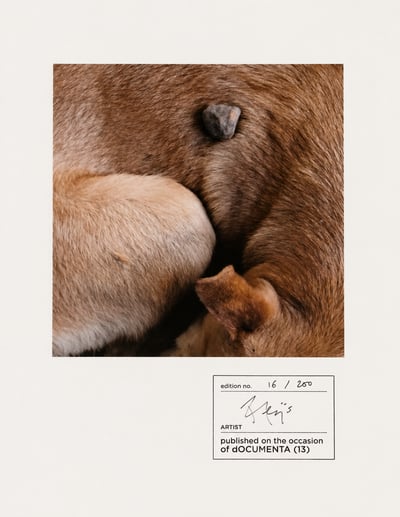
Francis Alys
Untitled (documenta 13), 2012
Photography
Photograph
EUR 590
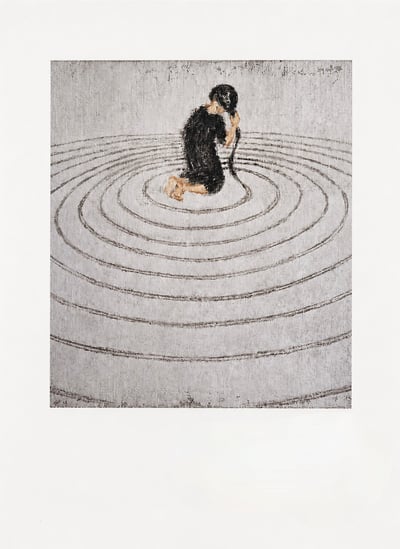
Francis Alys
Untitled (Salam Tristesse), 2018/2025
Limited Edition Print
Offset Print
EUR 860
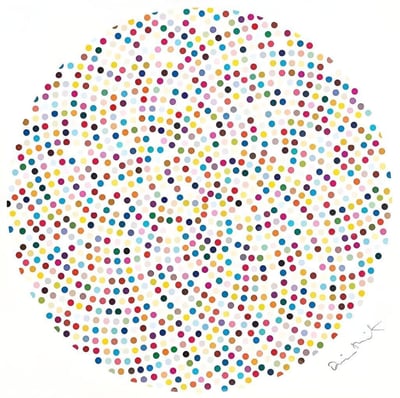
Damien Hirst
Valium, 2014
Limited Edition Print
Digital Print on paper
Inquire For Price
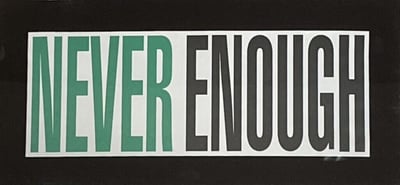
Barbara Kruger
Swimming Pool, 2019
Limited Edition Print
Screen-print
GBP 2,250 - 2,900
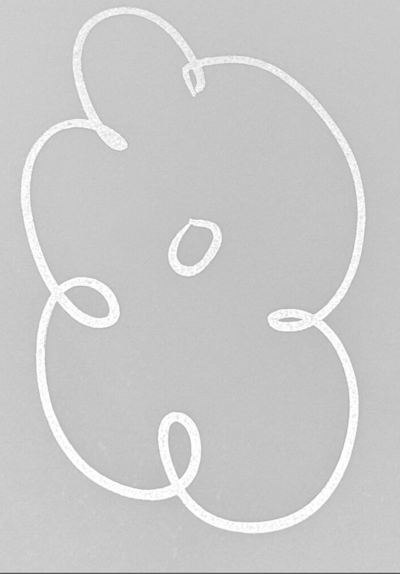
Jeff Koons
Untitled (flower), 1993
Drawing / Watercolor
Ink
GBP 35,000 - 45,000

Marina Abramovic
The Hero, 2022
Photography
Mixed Media
Inquire For Price
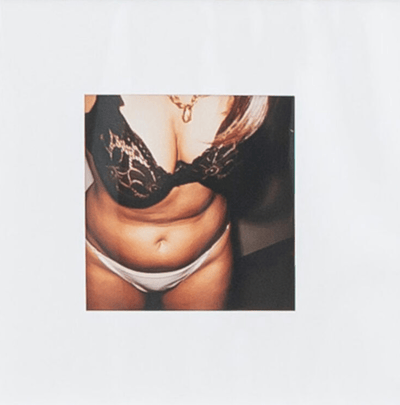
Tracey Emin
Self-Portrait - 12.11.2001, 2001
Photography
Mixed Media
GBP 7,000 - 9,000
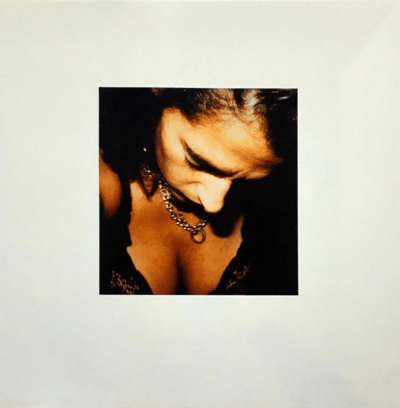
Tracey Emin
Self-Portrait - 12.11.2001, 2001
Photography
Mixed Media
GBP 7,000 - 9,000
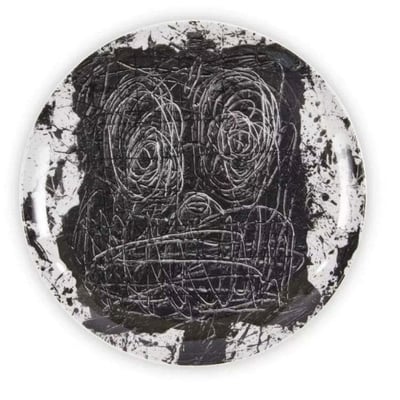
Rashid Johnson
Anxious Man, 2017/2021
Sculpture / Object
Plate
GBP 1,950 - 2,500
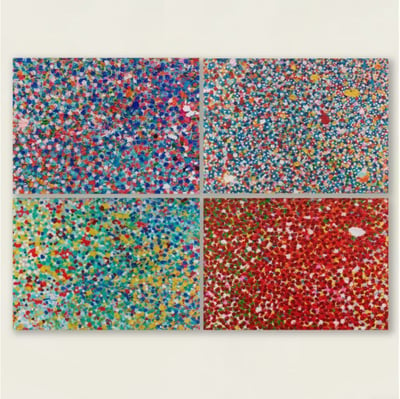
Damien Hirst
Veils Set of 4, 2020
Limited Edition Print
Giclée printing
Inquire For Price
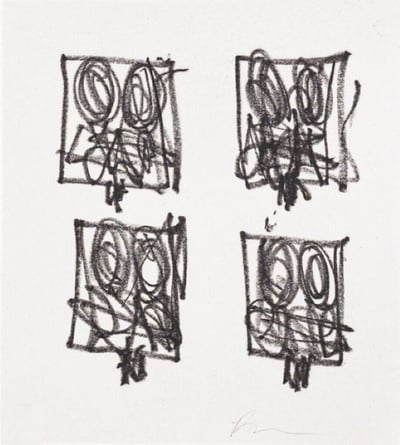
Rashid Johnson
Untitled (Anxious Man), 2023
Limited Edition Print
Etching
GBP 5,500 - 7,100
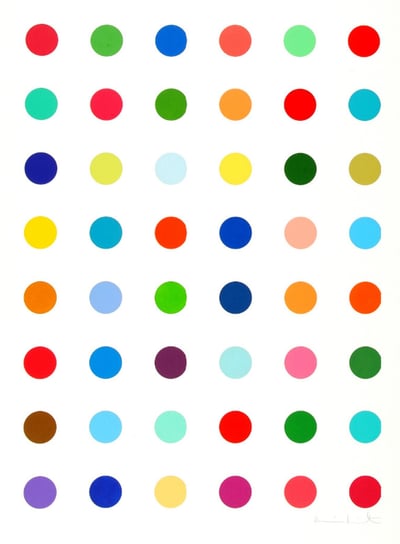
Damien Hirst
Oleoylsarcosine, 2008
Limited Edition Print
Etching
Inquire For Price
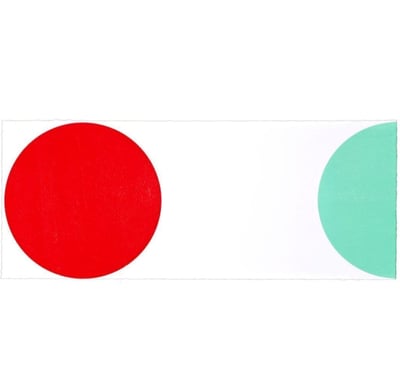
Damien Hirst
Picolinic Acid, 2011
Limited Edition Print
Woodcut
GBP 12,000 - 15,600
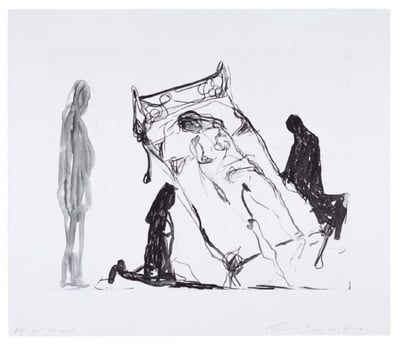
Tracey Emin
Not Yet the End, 2017
Limited Edition Print
Lithograph
GBP 4,500 - 5,800
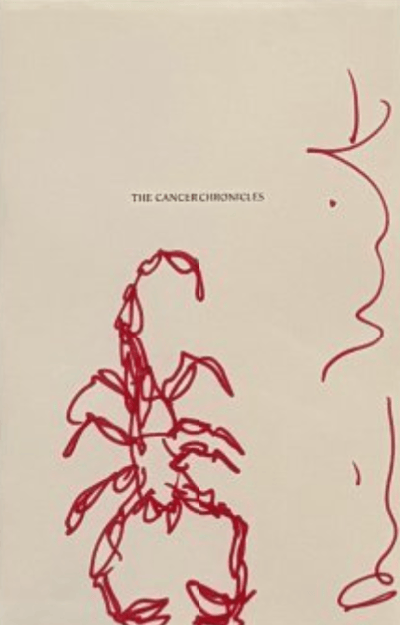
Damien Hirst
Untitled - Scorpion, 2003
Drawing / Watercolor
Pen and ink
Inquire For Price
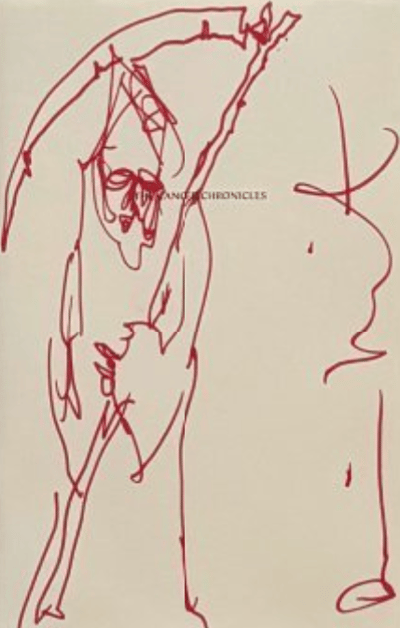
Damien Hirst
Untitled - grim reaper, 2003
Drawing / Watercolor
Mixed Media
Inquire For Price
Related Articles

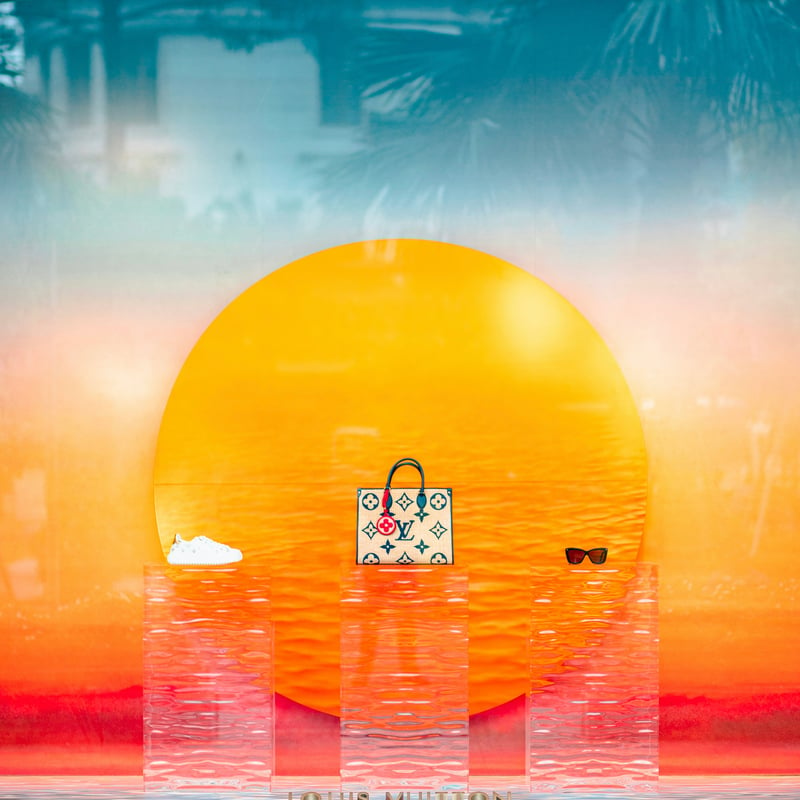
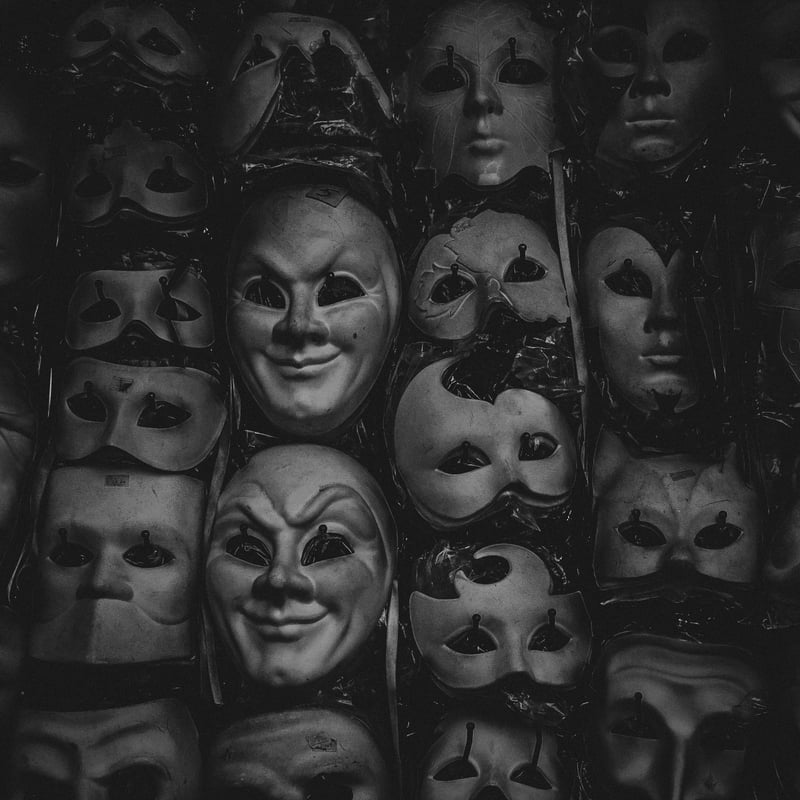
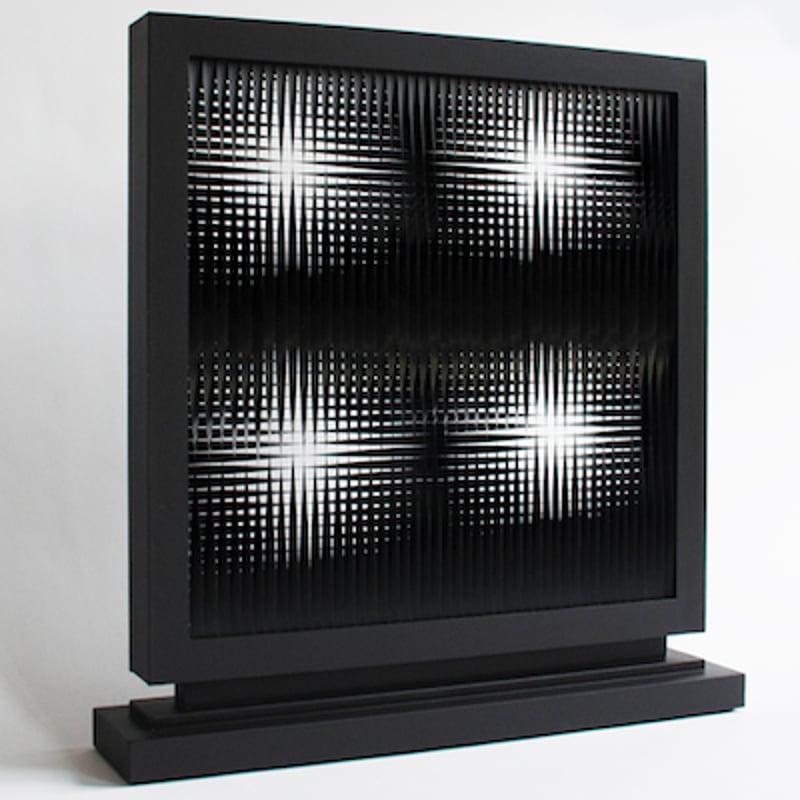
Interactive art is a form of art where the spectator is actively involved by the artist to achieve the artwork's purpose. This involvement can include allowing the visitor to walk around, in, or on the art installation, or even becoming a part of the artwork itself. Works in this category often feature computers, sensors, and interfaces that respond to various inputs such as meteorological changes, heat, motion, or other types of data programmed by the artist.
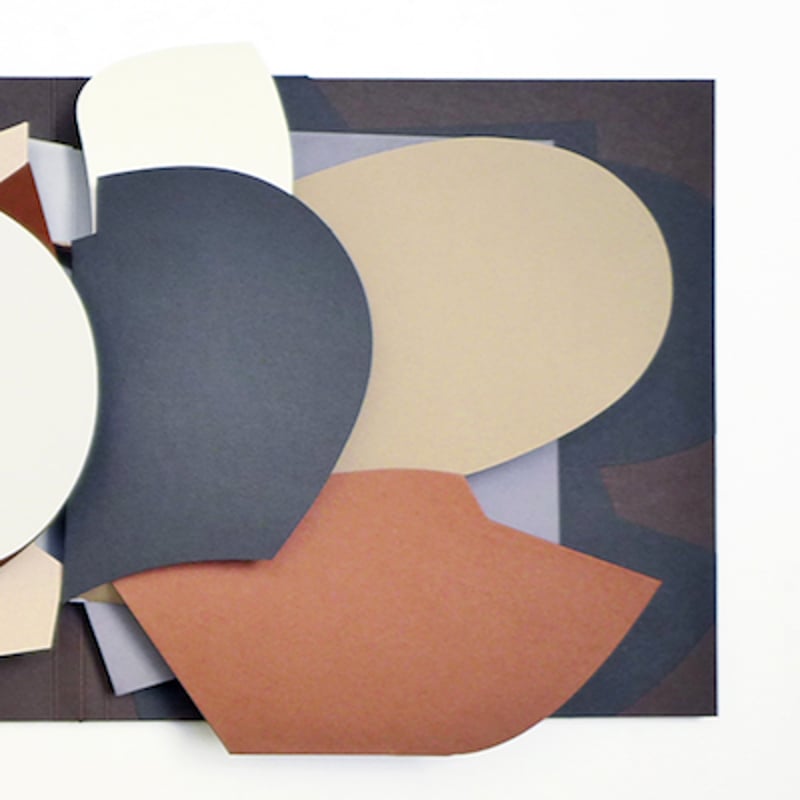
Assemblage is an artistic process involving the combination of three-dimensional objects to create a work of art. The term, which originates from the French word for assembly, often involves the use of found objects like leaves, stones, discarded items, or recycled materials. These objects are arranged creatively to form a unique and often thought-provoking artwork.
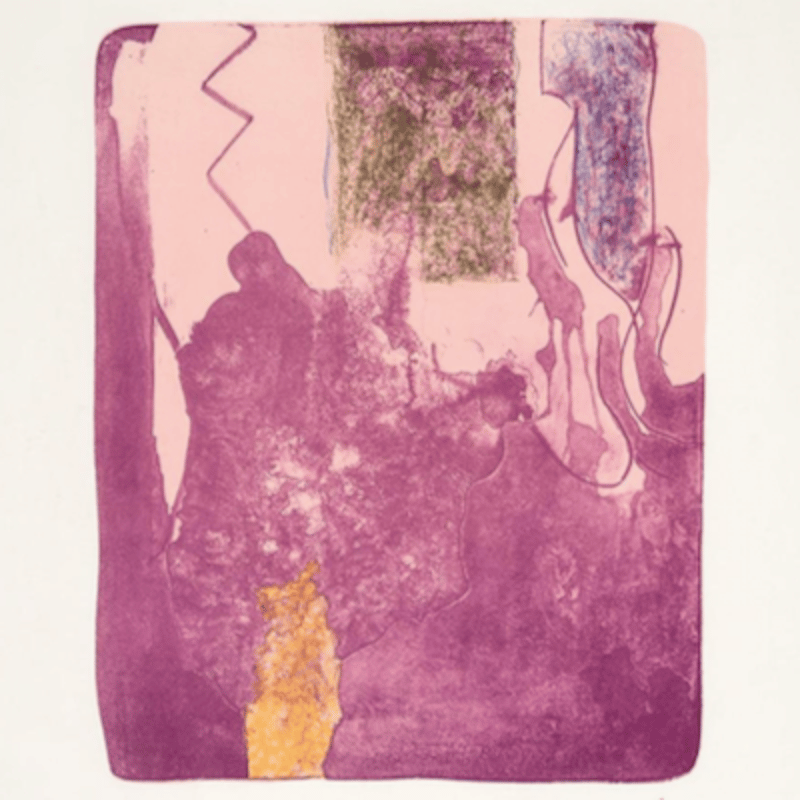
Abstract Expressionism is an art movement that emerged in the United States during the 1940s and 1950s. Characterized by large, abstract canvases, the movement emphasized spontaneous, expressive brushwork and the use of color and form to convey emotion rather than represent reality. Artists like Jackson Pollock, Mark Rothko, and Willem de Kooning are key figures in this movement. Abstract Expressionism marked a shift in the art world, making New York City a center of the international art scene.
Can't find your Answer?
Thank you! Your question has been sent — we'll get back to you shortly.
