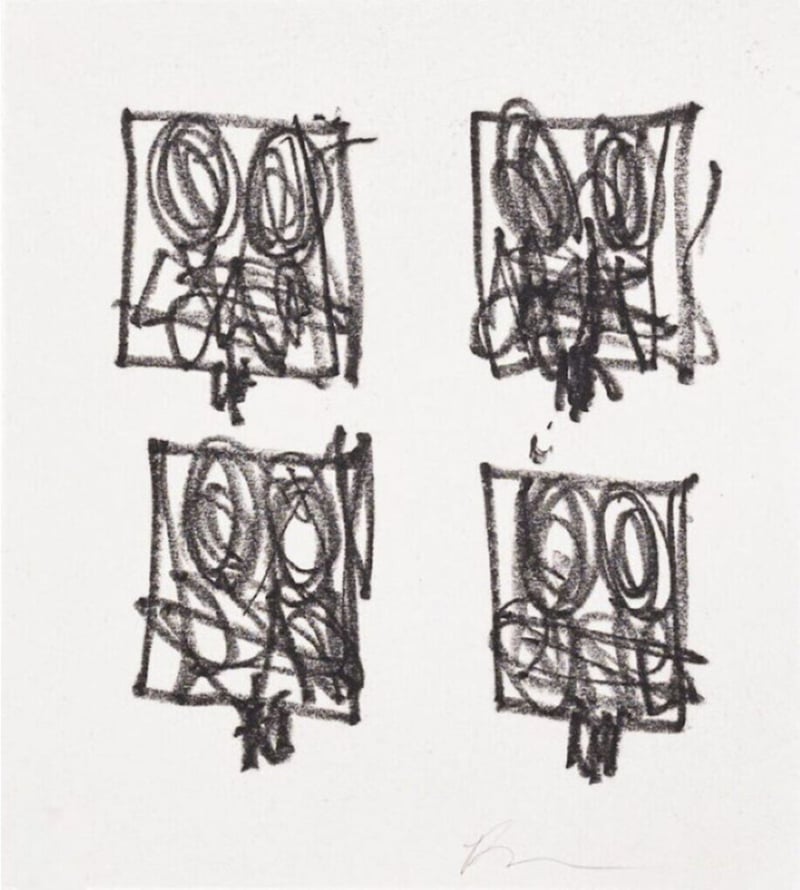
Soft Ground Etching on Hahnemühle Copperplate on 300gsm paper. Hand-signed by artist.
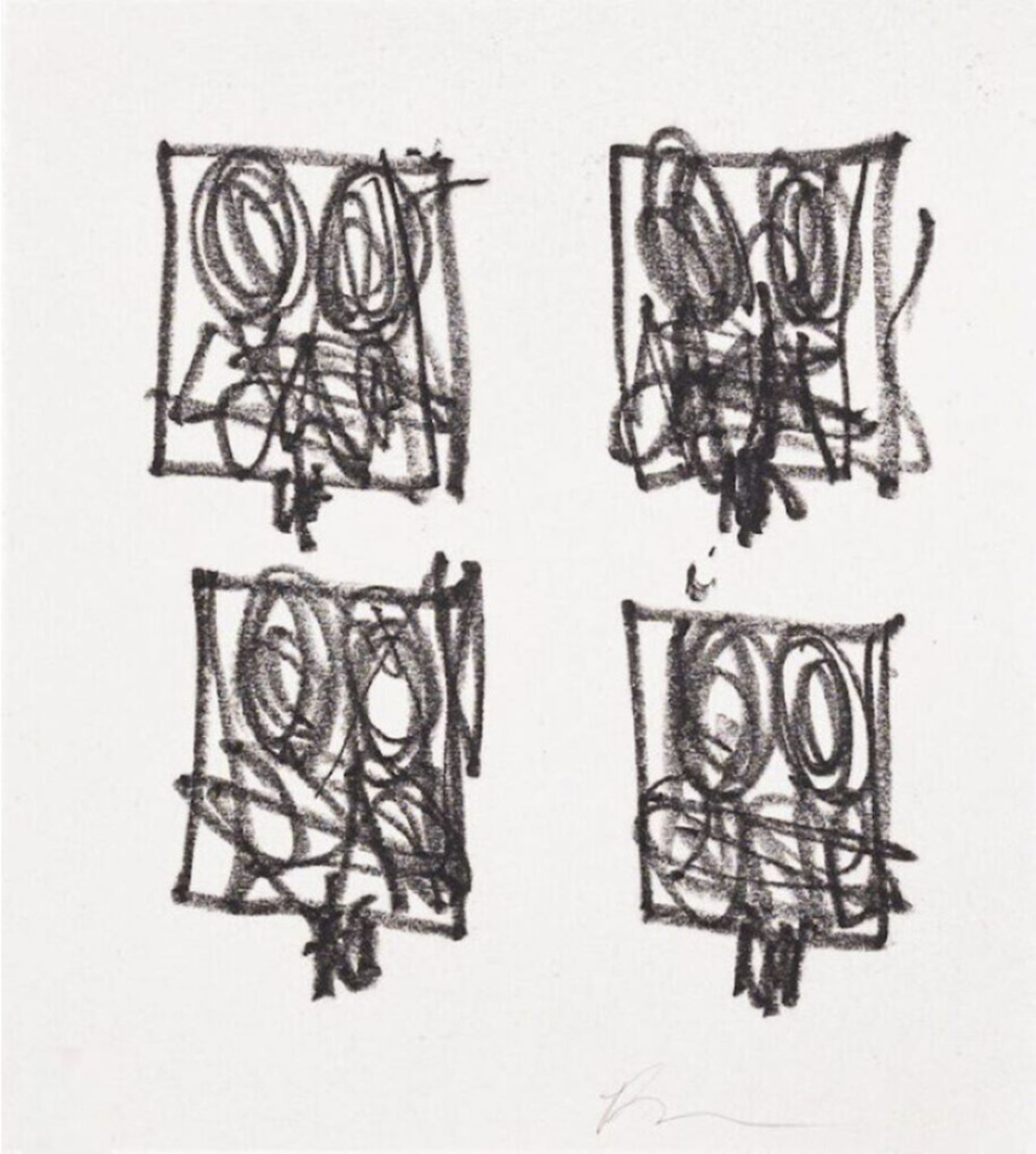
On heavyweight Hahnemühle Copperplate paper, Johnson stamps four small anxious-man faces in a 2x2 grid, each rendered in soft-ground etching with sketchy circular eyes, hatched mouths and rapid framing strokes. Hand-signed. The print is the intimate, chamber-music sister of his ceramic plates — same vocabulary, lighter touch, easier to live with on the wall daily. A confident, characterful acquisition for collectors tracking one of the most consequential contemporary Black American voices working today, and one of the most consistent practices in current American printmaking.
Artwork Copyright © Rashid JohnsonRashid Johnson (United States, 1977) is an American artist known for his conceptual post-black art. His diverse body of work includes photography, painting, sculpture, and installations that explore themes of African American identity, history, and culture. Johnson often incorporates materials like shea butter, black soap, and wax, infusing his pieces with symbolic meaning.
Artwork Copyright © Rashid JohnsonUntitled (Anxious Man), 2023
Form
Medium
Size
- Inches
- Centimeters
Edition
Price
- Authenticity Guaranteed
- Insured Shipping
- Online Since 2005
●Inventory 17503
●Signed
●Comes with gallery invoice and certificate
●Any questions?
Soft Ground Etching on Hahnemühle Copperplate on 300gsm paper. Hand-signed by artist.
On heavyweight Hahnemühle Copperplate paper, Johnson stamps four small anxious-man faces in a 2x2 grid, each rendered in soft-ground etching with sketchy circular eyes, hatched mouths and rapid framing strokes. Hand-signed. The print is the intimate, chamber-music sister of his ceramic plates — same vocabulary, lighter touch, easier to live with on the wall daily. A confident, characterful acquisition for collectors tracking one of the most consequential contemporary Black American voices working today, and one of the most consistent practices in current American printmaking.
Artwork Copyright © Rashid JohnsonRashid Johnson (United States, 1977) is an American artist known for his conceptual post-black art. His diverse body of work includes photography, painting, sculpture, and installations that explore themes of African American identity, history, and culture. Johnson often incorporates materials like shea butter, black soap, and wax, infusing his pieces with symbolic meaning.
Artwork Copyright © Rashid JohnsonAvailability
Size
Form
Medium
SORT BY
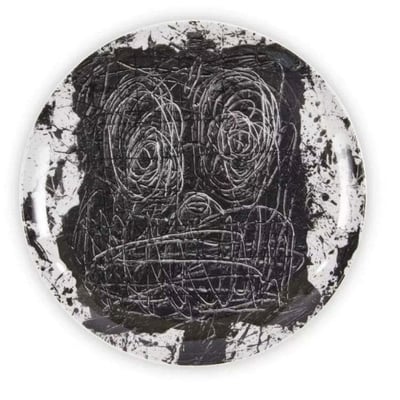
Rashid Johnson
Anxious Man, 2017/2021
Sculpture / Object
Plate
GBP 1,950 – 2,500
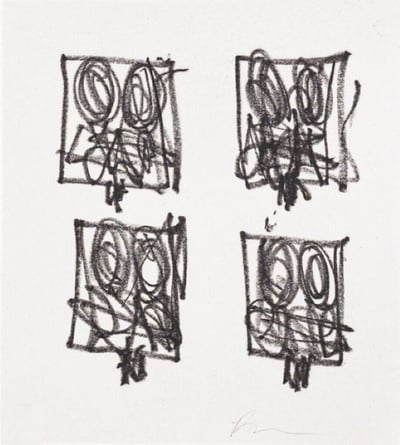
Rashid Johnson
Untitled (Anxious Man), 2023
Limited Edition Print
Etching
GBP 5,500 – 7,100
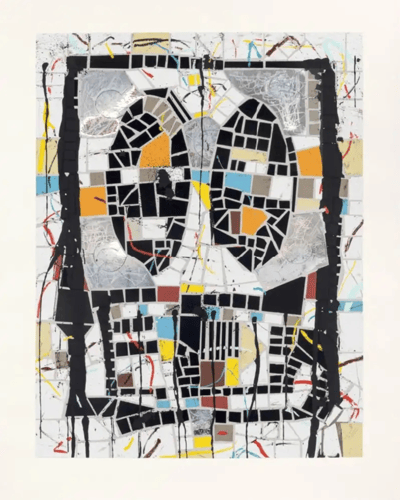
Rashid Johnson
Broken Men, 2019
Limited Edition Print
Collage
Inquire For Price
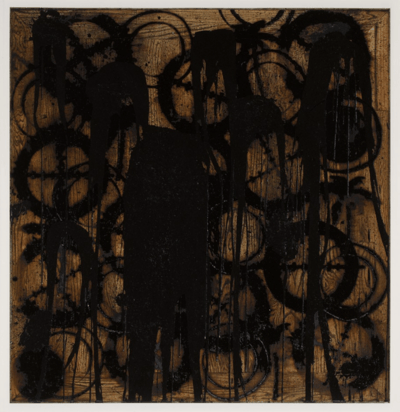
Rashid Johnson
Untitled (Good Days), 2012
Limited Edition Print
Etching
USD 16,600

Rashid Johnson
Untitled (Small Anxious Man), 2021
Limited Edition Print
Etching
USD 13,500
Related Artists


Related Articles
Popular, Artists, Collecting - July 22, 2025
Investing in Emerging Artists: A Guide for Collectors
Learn how to invest wisely in emerging artists—spot talent early, manage risk, and build a meaningful, future-focused art collection.Read More
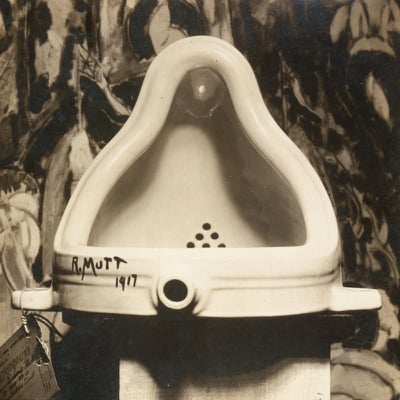
Artwork by Marcel Duchamp
What is Found Object?
A found object is a term used to describe a man-made or natural object, or a fragment of one, that an artist discovers or purchases and keeps for inspiration or as a work of art. The artist may also modify the object or incorporate it into a collage or assemblage, transforming it into a new piece of art.

Rashid Johnson
Untitled (Anxious Man), 2023
22.86 x 20.32 cm


