What is abstract expressionism?
- Show All
- Established
- Discoveries
- Show All
Artworks Related to Abstract expressionism
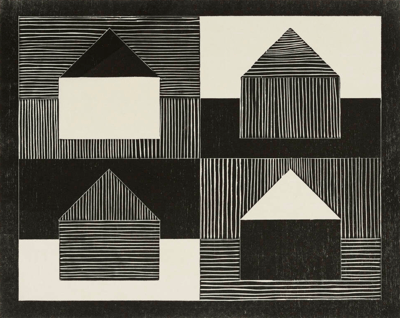
Jennifer Bartlett
Black, Grey, White, from Art Pro-Choice II, 1991
Limited Edition Print
Woodcut
Inquire For Price

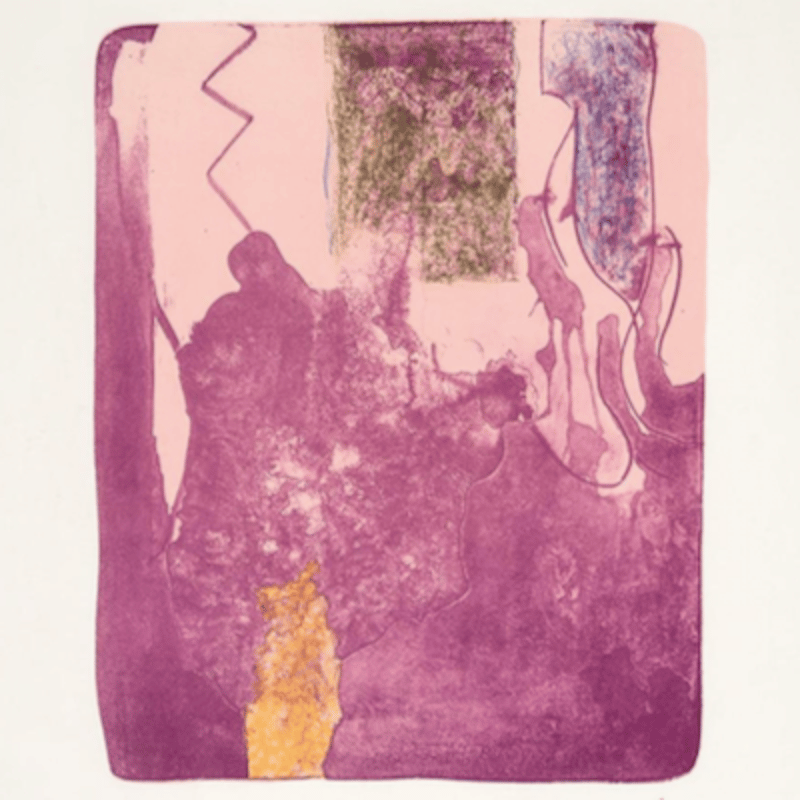
Sam Francis
Untitled (SF-329), 1988
Limited Edition Print
Lithograph
USD 8,400

Robert Motherwell
Game of Chance, 1987
Limited Edition Print
Collage
USD 8,400
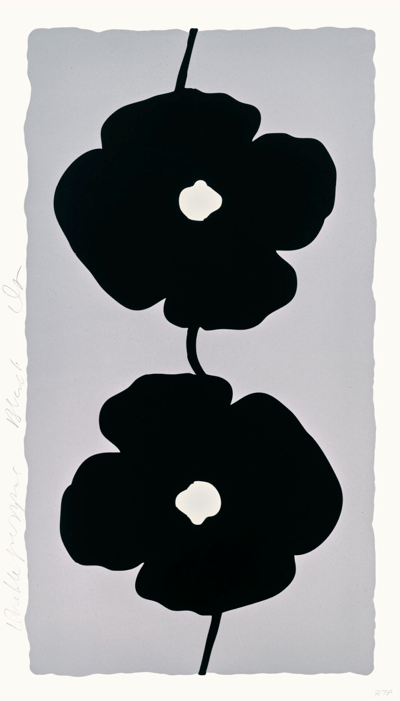
Donald Sultan
Double Poppies Black, 2025
Limited Edition Print
Mixed Media
USD 6,000
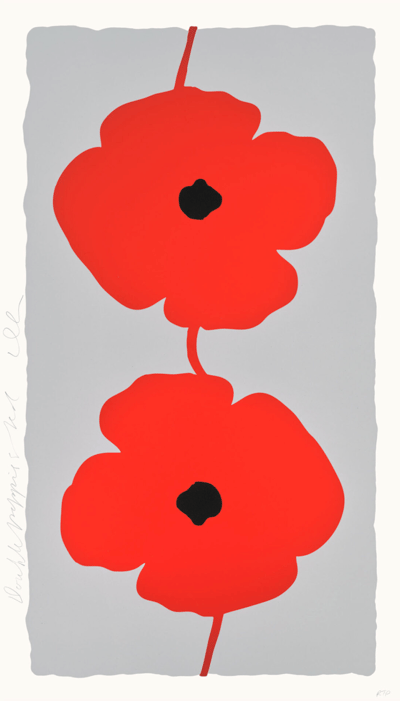
Donald Sultan
Double Poppies Red, 2025
Limited Edition Print
Mixed Media
USD 6,000

Walasse Ting
Natasha, 1997
Drawing / Watercolor
Mixed Media
Inquire For Price
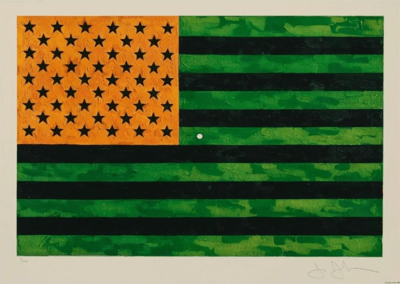
Jasper Johns
Flag (Moratorium), 1969
Limited Edition Print
Offset Print
GBP 34,000 - 42,000
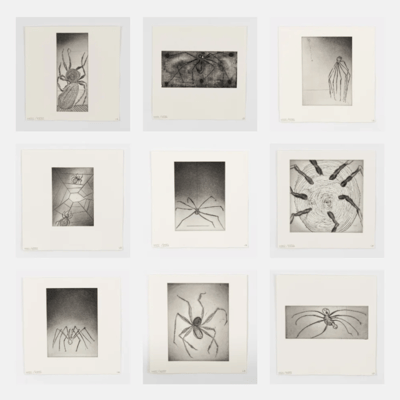
Louise Bourgeois
Ode à Ma Mère, 1995
Limited Edition Print
Drypoint
GBP 61,000 - 76,000
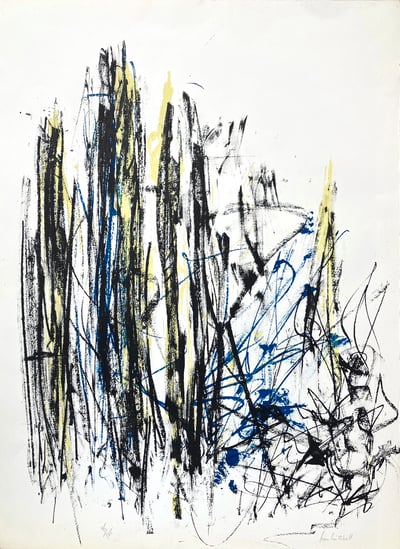
Joan Mitchell
Trees (black, yellow and blue), c. 1990/1991
Limited Edition Print
Lithograph
EUR 10,800
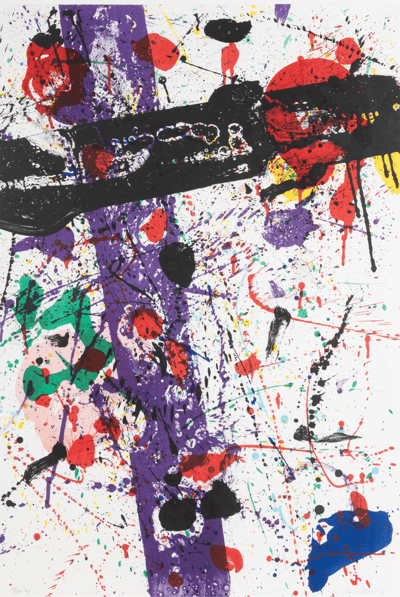
Sam Francis
Untitled (SF-272), 1984
Limited Edition Print
Lithograph
USD 3,850
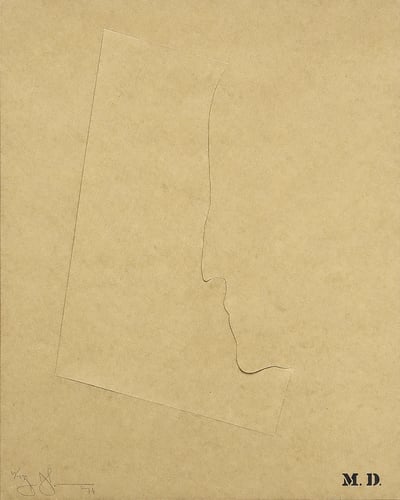
Jasper Johns
M. D., 1974
Limited Edition Print
Mixed Media
USD 4,750
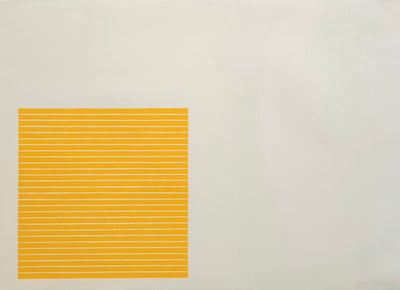
Frank Stella
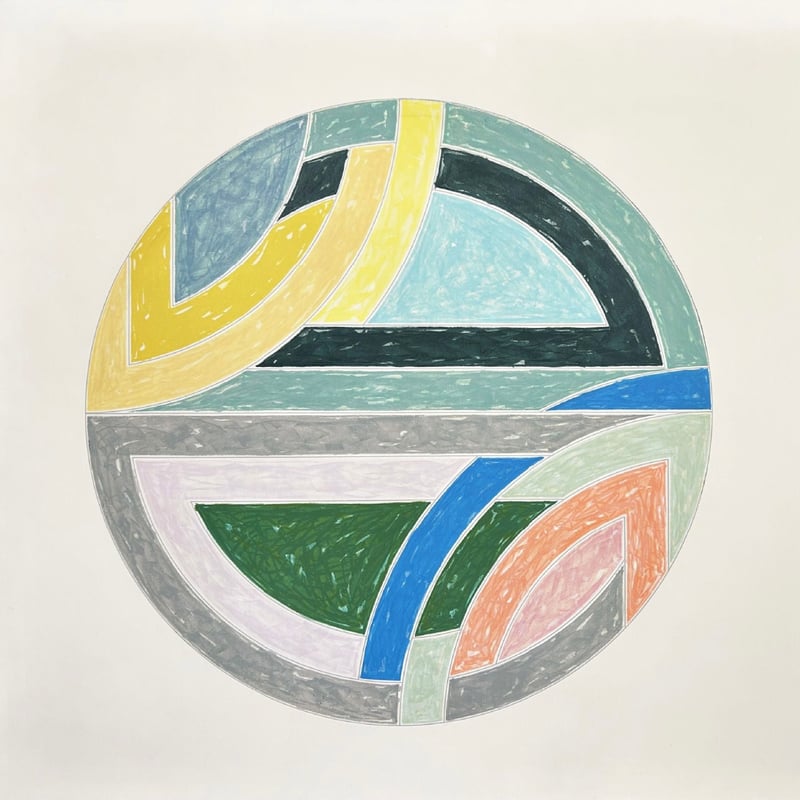
Palmito Ranch, from Benjamin Moore Series, 1971
Limited Edition Print
Lithograph
Inquire For Price
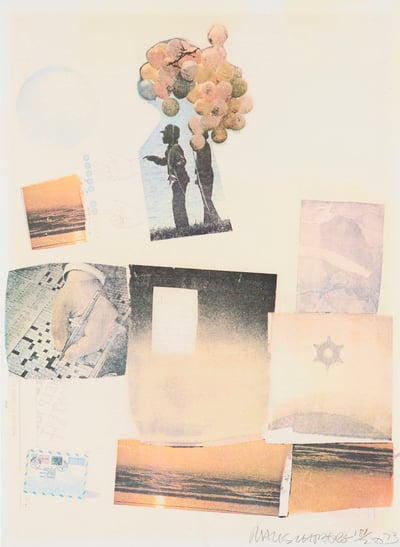
Robert Rauschenberg
Support, 1973
Limited Edition Print
Screen-print
USD 1,450
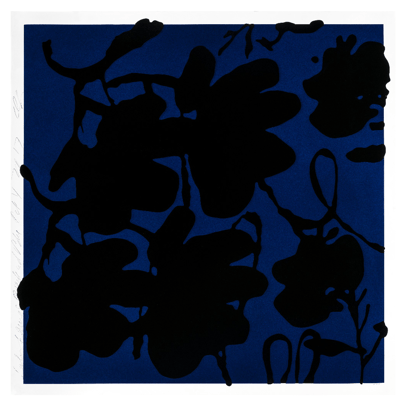
Donald Sultan
Lantern flowers (Black & blue), 2017
Limited Edition Print
Screen-print
USD 12,000
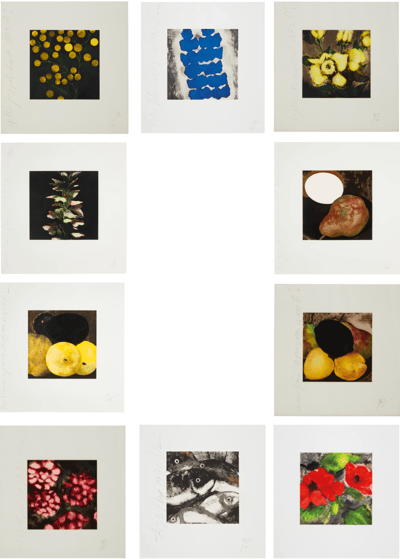
Donald Sultan
Fruit & Flowers, 1990’s
Limited Edition Print
Screen-print
USD 28,000
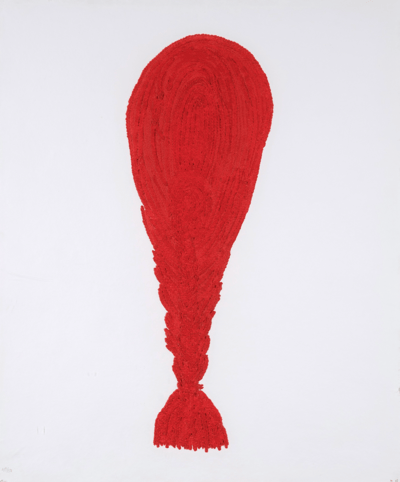
Louise Bourgeois
Crochet V, 1998
Limited Edition Print
Mixed Media
USD 34,750
Related Articles
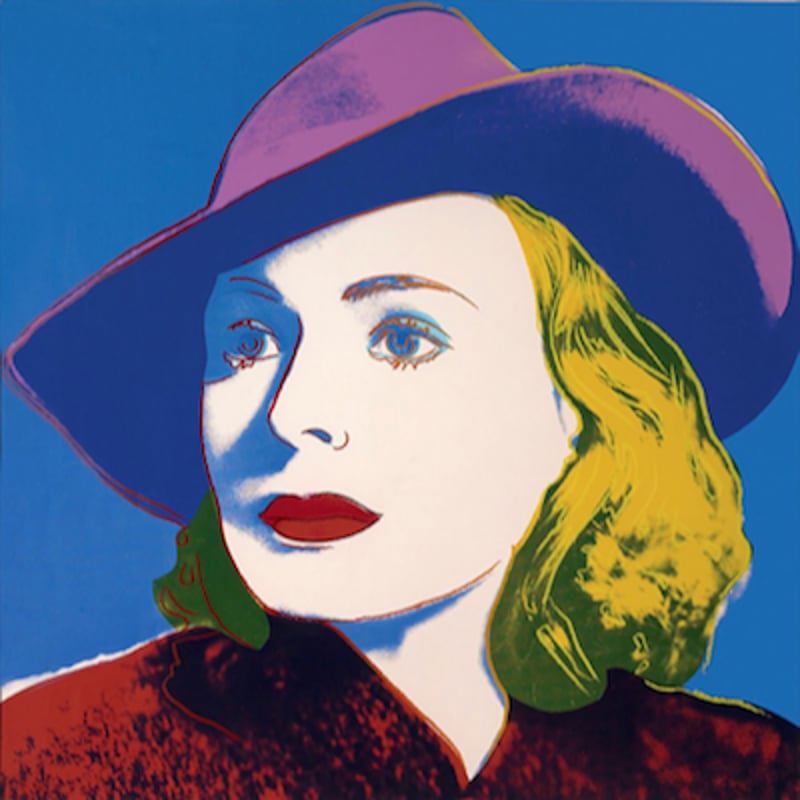
Pop Art is an art movement that began in Britain in 1955 and in the late 1950s in the U.S. It challenged traditional fine arts by incorporating imagery from popular culture, such as news, advertising, and comic books. Pop Art often isolates and recontextualizes materials, combining them with unrelated elements. The movement is more about the attitudes and ideas that inspired it than the specific art itself. Pop Art is seen as a reaction against the dominant ideas of Abstract Expressionism, bringing everyday consumer culture into the realm of fine art.

Cubism is an art movement that aimed to depict multiple perspectives of objects or figures within a single picture. Artists Georges Braque and Pablo Picasso pioneered this style around 1907. The name Cubism emerged from their use of geometric shapes and outlines that often resembled cubes, breaking objects down into abstracted forms.
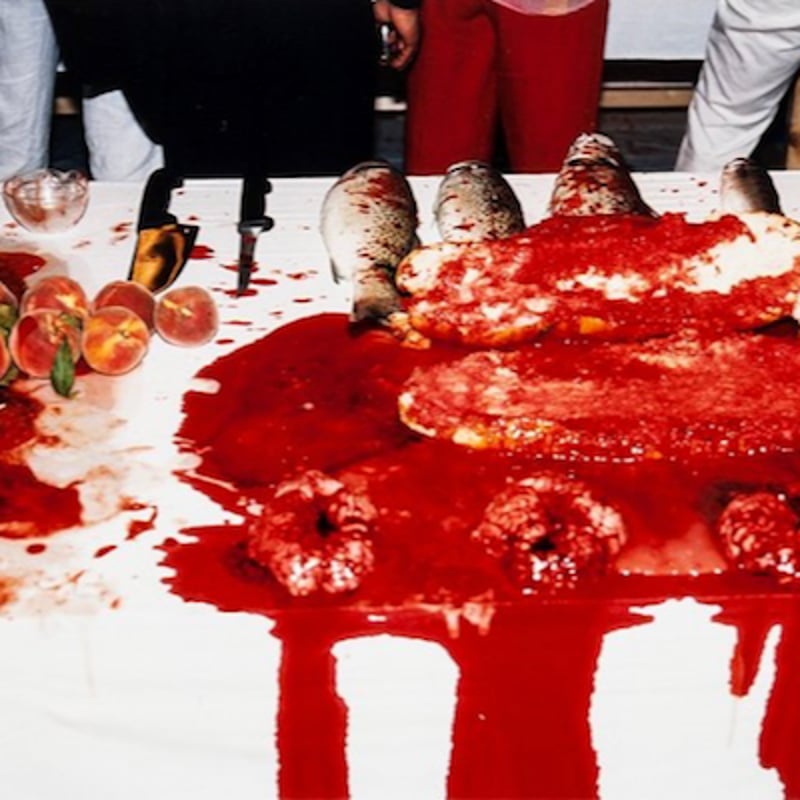
Viennese Actionism was a short-lived but intense art movement in the 20th century, emerging as part of the broader action art efforts of the 1960s. Known for its violent and provocative performances, the movement sought to break traditional art boundaries. Key figures in this movement included Arnulf Rainer and Hermann Nitsch.
Can't find your Answer?
Thank you! Your question has been sent — we'll get back to you shortly.
