
What is a Lithograph?
- Show All
- Established
- Discoveries
- Show All
Artworks Related to Lithograph
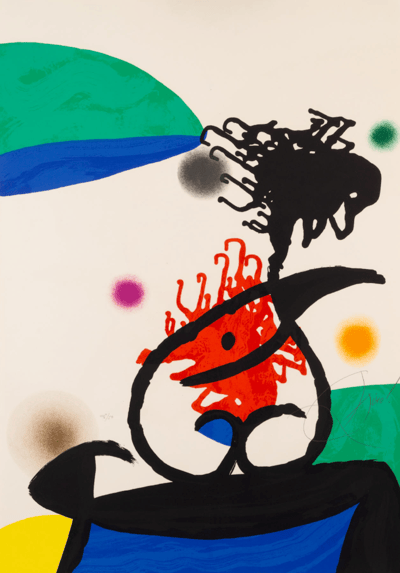
Joan Miró
Mandarin of the North, 1976
Limited Edition Print
Lithograph
USD 13,200
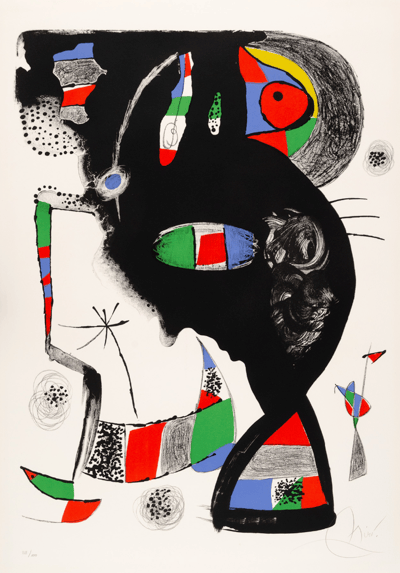
Joan Miró
42, Rue Blomet, 1977
Limited Edition Print
Lithograph
USD 13,100
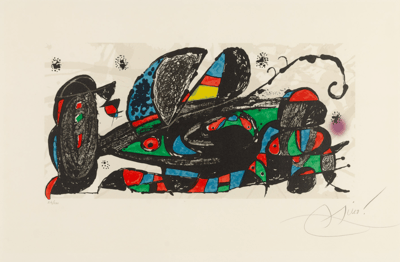
Joan Miró
Untitled from Joan Miró, 1974
Limited Edition Print
Lithograph
USD 15,100
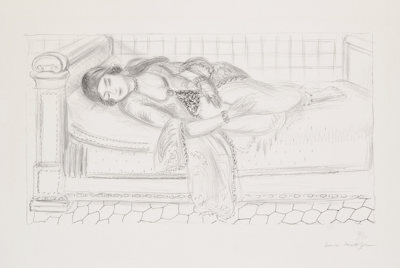
Henri Matisse
Orientale sur lit de repos, 1929
Limited Edition Print
Lithograph
Inquire For Price
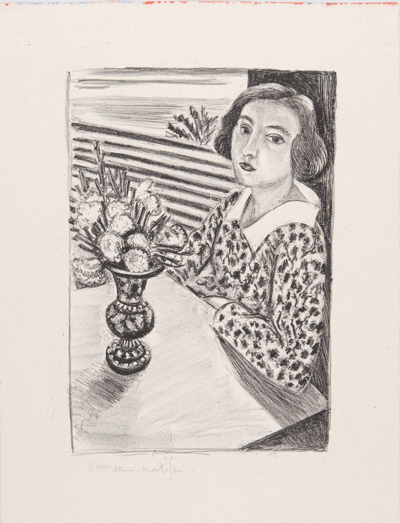
Henri Matisse
Young Woman Sitting with Bouquet of Flower, 1923
Limited Edition Print
Lithograph
Inquire For Price
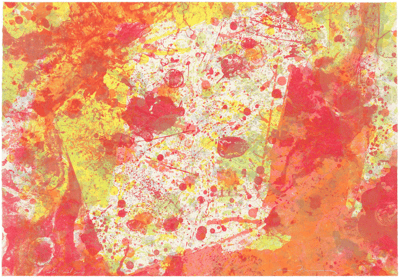
Sam Francis
And Pink (SF-143), 1973
Limited Edition Print
Lithograph
USD 11,600
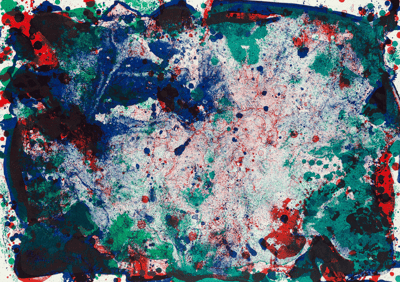
Sam Francis
Another Footprint, 1971
Limited Edition Print
Lithograph
USD 11,600
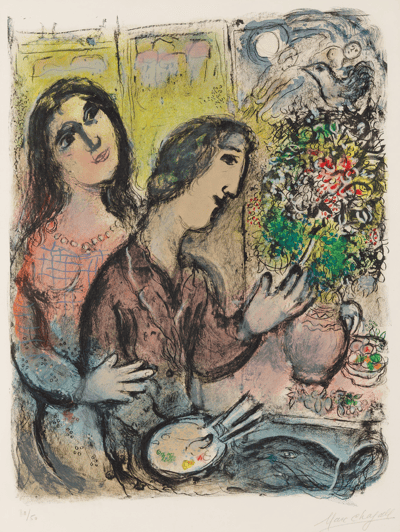
Marc Chagall
The Artist’s Wife / La femme du peintre, 1971
Limited Edition Print
Lithograph
Inquire For Price
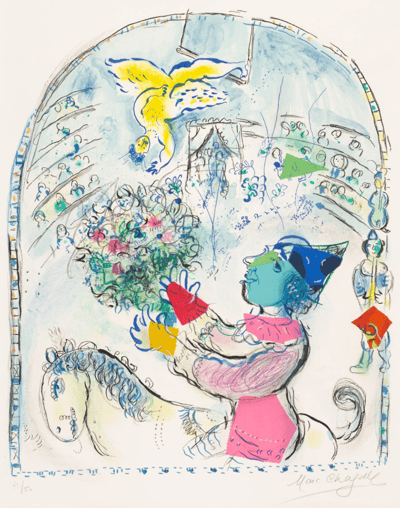
Marc Chagall
The Circus with the Angel / Le cirque à l’ange, 1968
Limited Edition Print
Lithograph
Inquire For Price
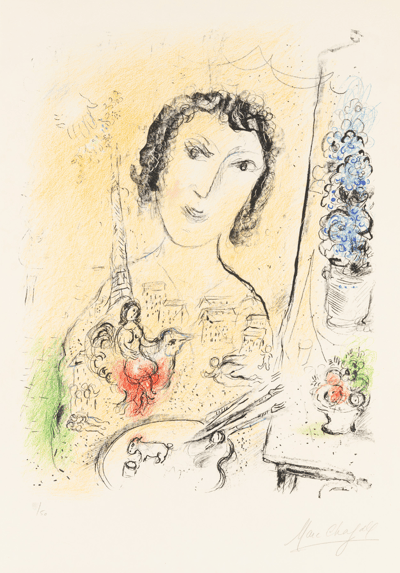
Marc Chagall
Self Portrait, 1974
Limited Edition Print
Lithograph
Inquire For Price
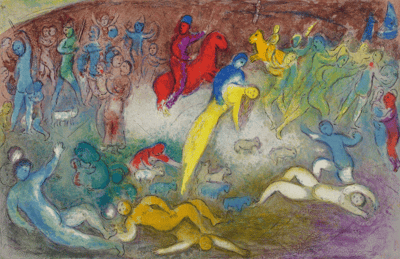
Marc Chagall
Chloe is Carried Off by the Methymneans, 1962
Limited Edition Print
Lithograph
Inquire For Price
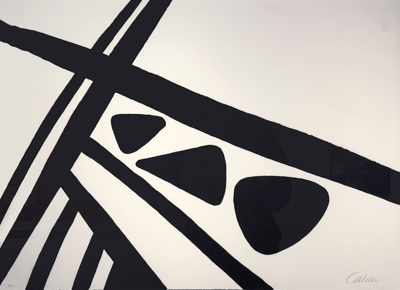
Alexander Calder
Iron Frame / Charpente de fer, 1969
Limited Edition Print
Lithograph
USD 6,900
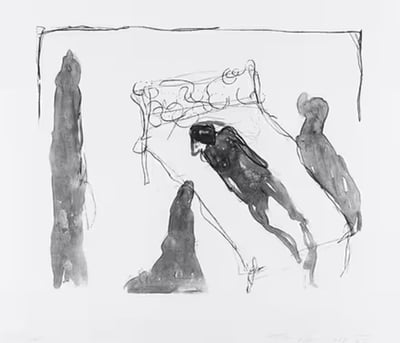
Tracey Emin
She Watched, 2017
Limited Edition Print
Lithograph
GBP 4,750 - 7,000
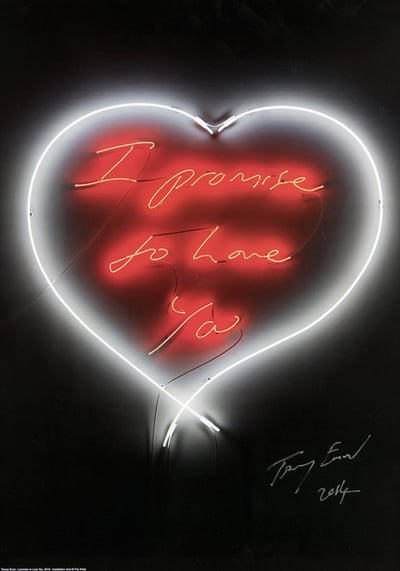
Tracey Emin
I Promise To Love You, 2014
Limited Edition Print
Lithograph
GBP 5,000 - 6,000
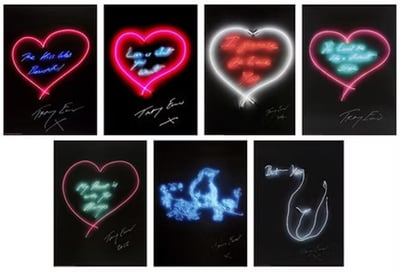
Tracey Emin
Full Set of Hand-Signed Love Neon Posters, 2014/2015
Limited Edition Print
Lithograph
GBP 22,500 - 30,000
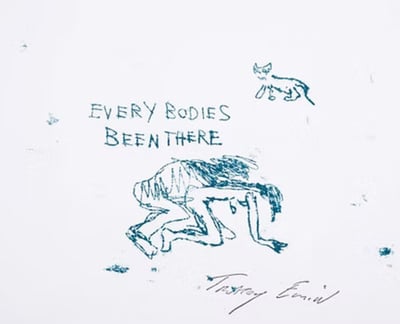
Tracey Emin
Every Bodies Been There, 1998
Limited Edition Print
Lithograph
GBP 2,340
Related Articles
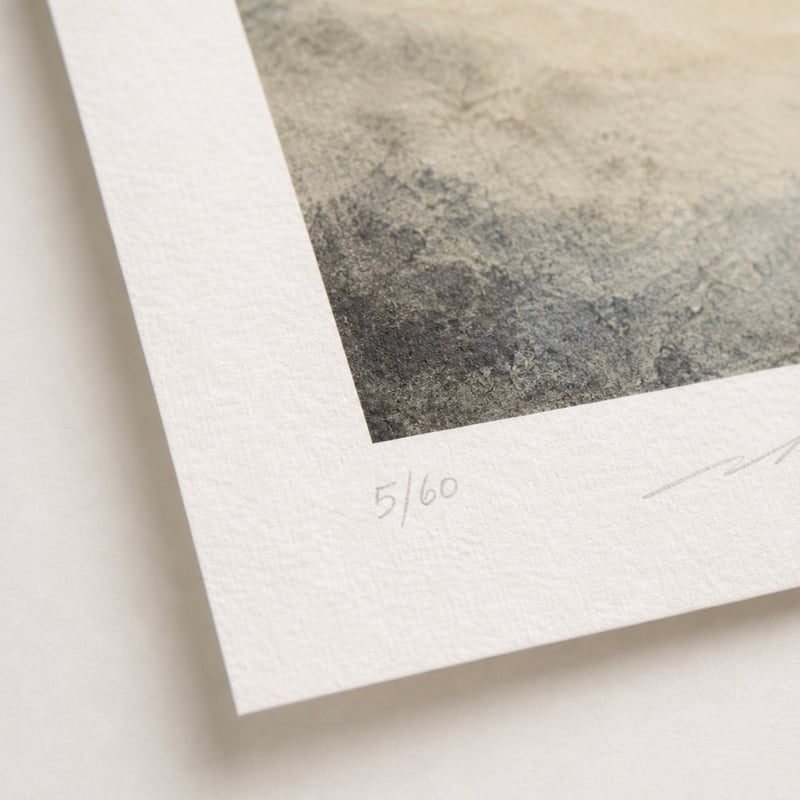
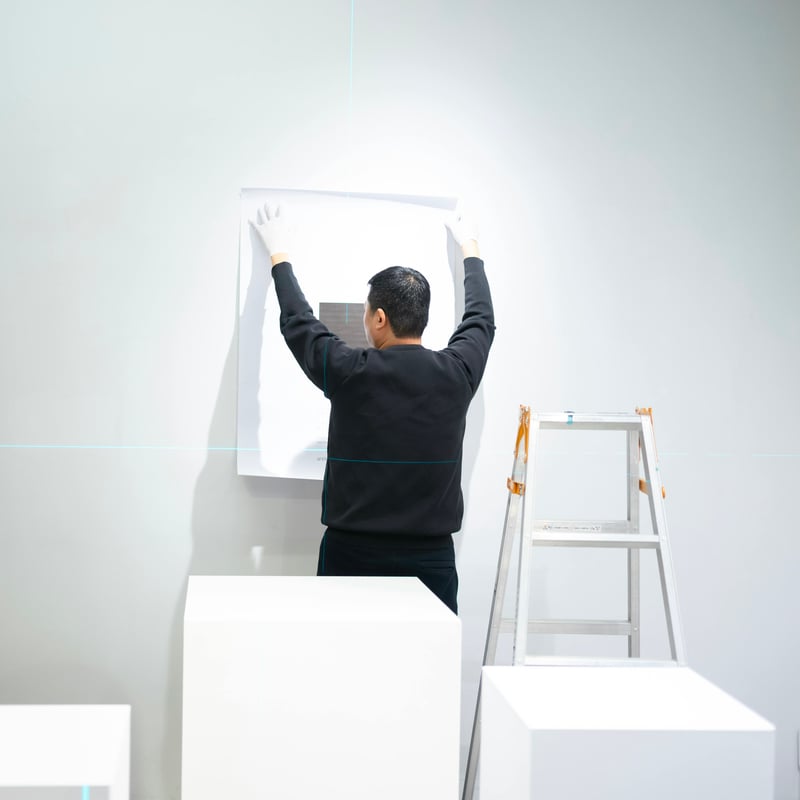
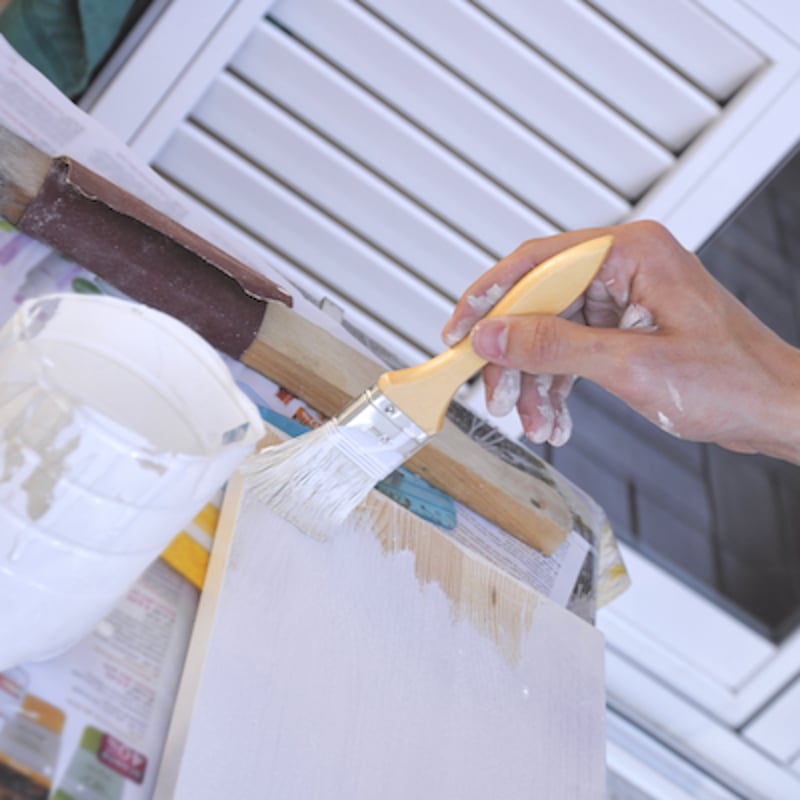
Bricolage is the creation or construction of a piece of art using materials that are readily available to the artist. The term is French and roughly translates to do-it-yourself. This approach became popular when materials were scarce, encouraging artists to improvise and repurpose everyday objects. Bricolage emphasizes creativity and resourcefulness, often resulting in artworks that reflect the unique character of the materials used.
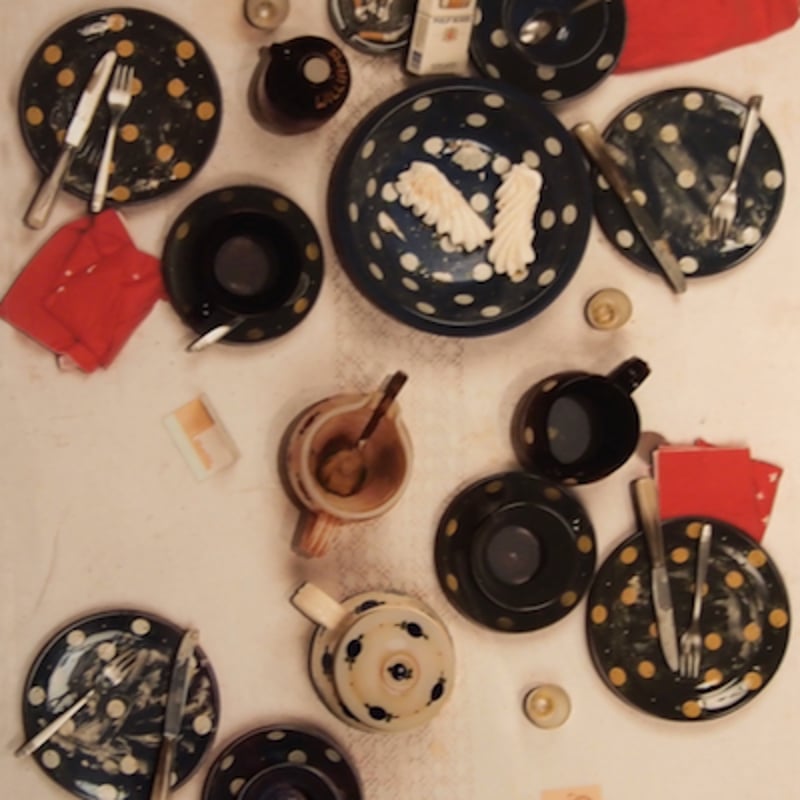
Nouveau Réalisme is an artistic movement founded in 1960 by art critic Pierre Restany and painter Yves Klein during a collective exhibition at a gallery in Milan. Restany wrote the original manifesto in April 1960, proclaiming the movement. In October of that year, nine artists, including Martial Raysse, Yves Klein, Daniel Spoerri, Jean Tinguely, Arman, Pierre Restany, and three Ultra-Lettrists—Jacques de la Villeglé, François Dufrêne, and Raymond Hains—signed the declaration. In 1961, the movement expanded to include Mimmo Rotella, Niki de Saint Phalle, Gérard Deschamps, and César. The movement emphasized a return to reality in art, often incorporating everyday objects and exploring the boundaries between art and life.
Digital print on canvas is a technology used to create fine art prints by reproducing digital photographs or artwork on canvas. The digital images are sent to professional printers that accurately capture variations in color and detail, resulting in high-quality canvas prints.
Can't find your Answer?
Thank you! Your question has been sent — we'll get back to you shortly.
