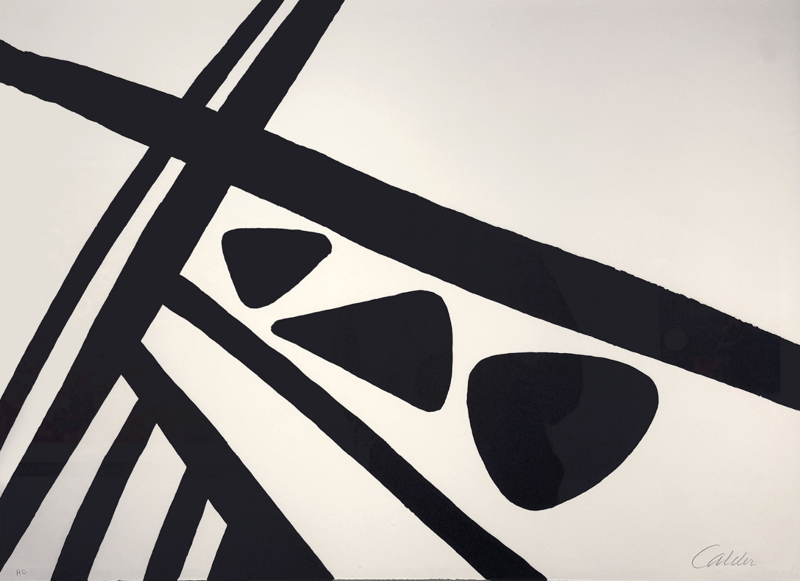
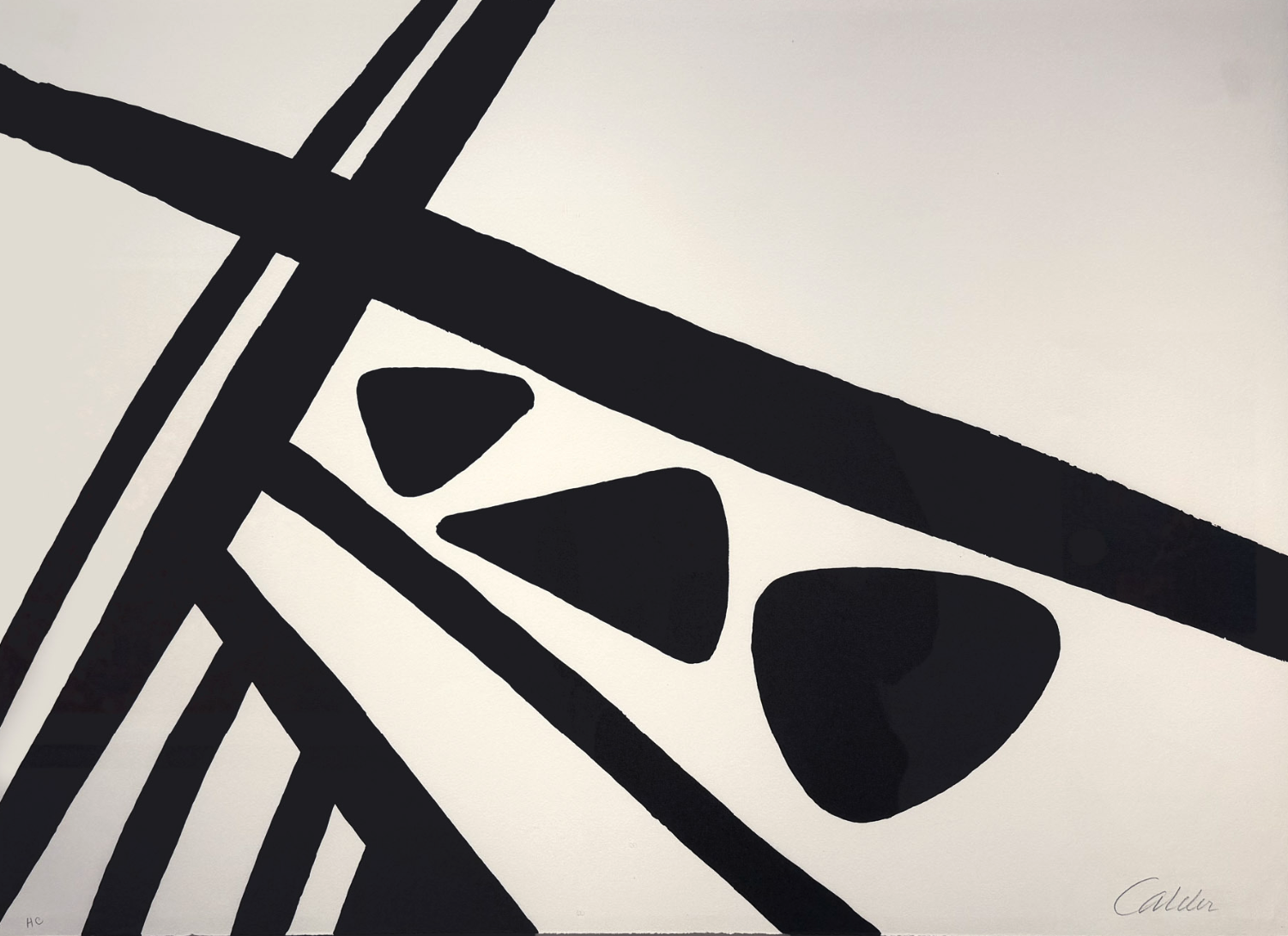
Iron Frame / Charpente de fer, 1969
Form
Medium
Size
- Inches
- Centimeters
Edition
Price
- USD
- EUR
- GBP
- CHF
- Authenticity Guaranteed
- Insured Shipping
- Online Since 2005
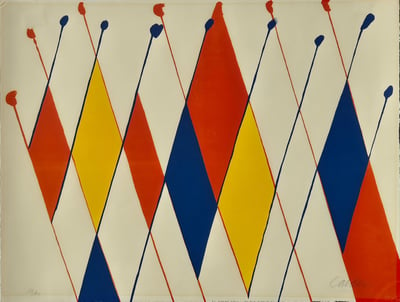
Alexander Calder
Un drôle de poisson, 1965
Limited Edition Print
Lithograph
Inquire For Price
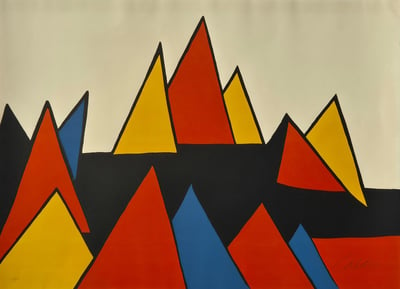
Alexander Calder
Horizontal Pyramides, 1974
Limited Edition Print
Lithograph
Inquire For Price
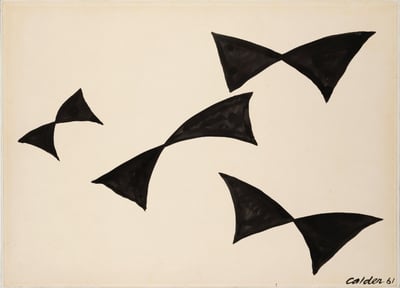
Alexander Calder
Untitled, circa 1961
Painting
Ink
Inquire For Price
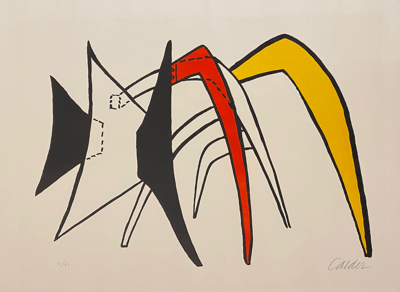
Alexander Calder
Stabiles, 1963
Limited Edition Print
Lithograph
USD 8,400
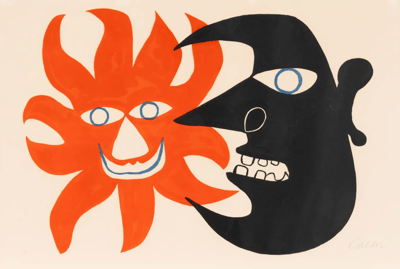
Alexander Calder
Black Moon and Red Sun, ca. 1970
Limited Edition Print
Lithograph
USD 6,900
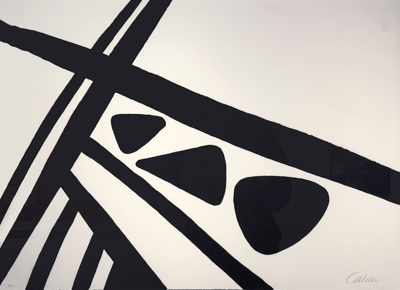
Alexander Calder
Iron Frame / Charpente de fer, 1969
Limited Edition Print
Lithograph
USD 6,900
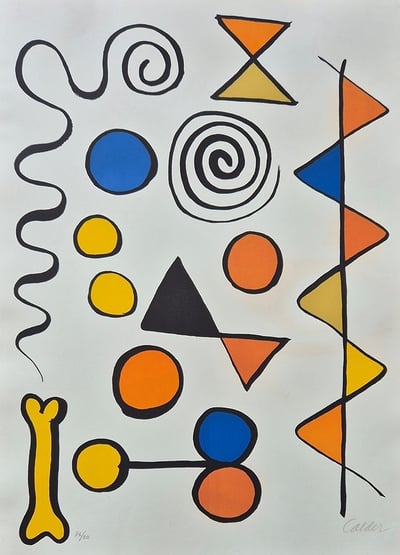
Alexander Calder
Os et Serpent, 1969
Limited Edition Print
Lithograph
USD 8,400
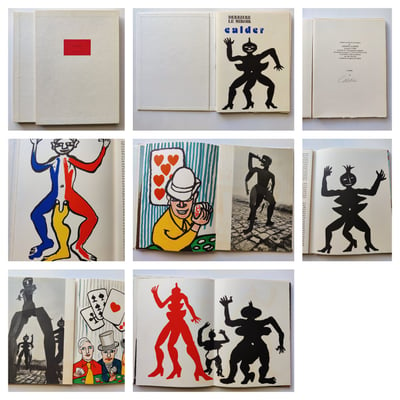
Alexander Calder
Derriere Le Miroir, 1975
Limited Edition Print
Lithograph
USD 6,000
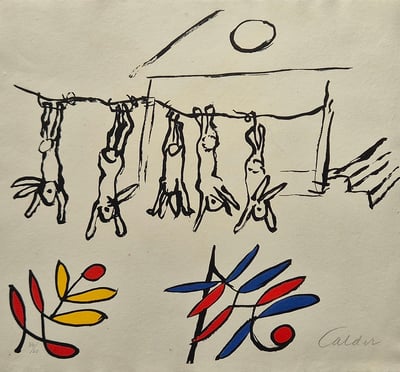
Alexander Calder
One Plate from The Sacrilege of Alan Kent, 1976
Limited Edition Print
Aquatint
USD 4,600
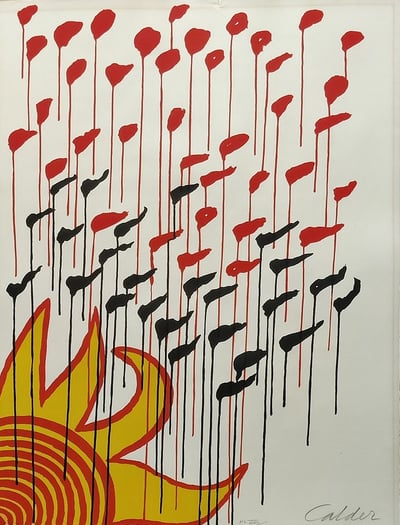
Alexander Calder
Rain, 1972
Limited Edition Print
Lithograph
USD 5,800
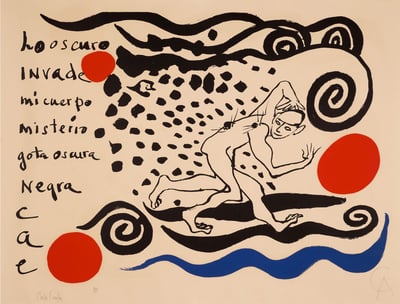
Alexander Calder
Lo oscuro invade, 1970
Limited Edition Print
Lithograph
USD 1,600
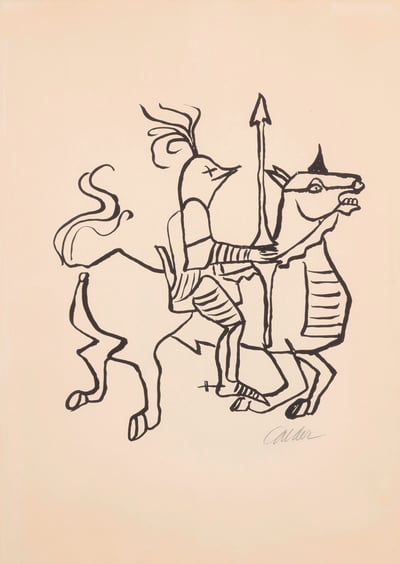
Alexander Calder
Le Chevalier, 1968
Limited Edition Print
Lithograph
USD 3,750
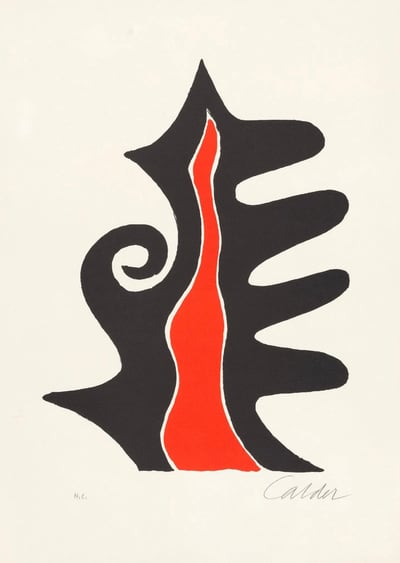
Alexander Calder
Untitled (Derriere le Miroir #201), c. 1970
Limited Edition Print
Lithograph
Inquire For Price
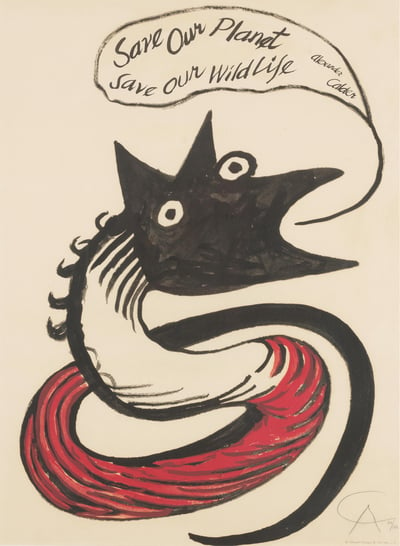
Alexander Calder
Save Our Planet, Save Our Wildlife, 1971
Limited Edition Print
Offset Print
USD 3,000
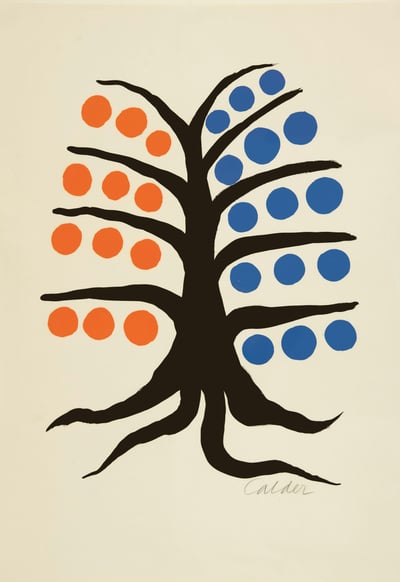
Alexander Calder
Tree, 1972
Limited Edition Print
Lithograph
EUR 3,985
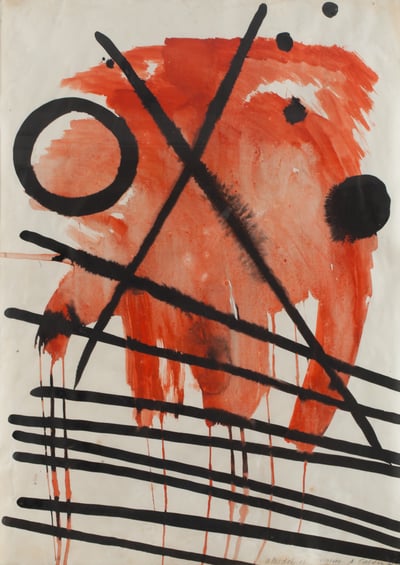
Alexander Calder
Untitled, 1961
Drawing / Watercolor
Mixed Media
Inquire For Price
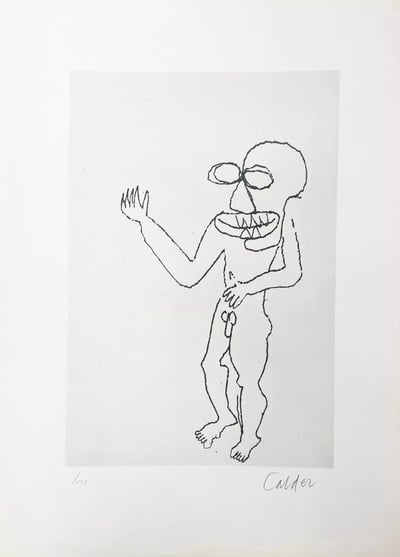
Alexander Calder
Santa Claus VIII, 1974
Limited Edition Print
Etching
USD 1,000

Alexander Calder
Santa Claus VII, 1974
Limited Edition Print
Etching
USD 1,150

Alexander Calder
Santa Claus VI, 1974
Limited Edition Print
Etching
USD 1,000
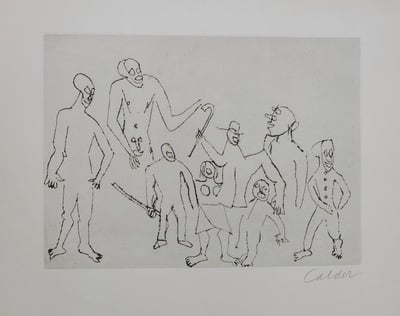
Alexander Calder
Santa Claus IV, 1974
Limited Edition Print
Etching
USD 1,000
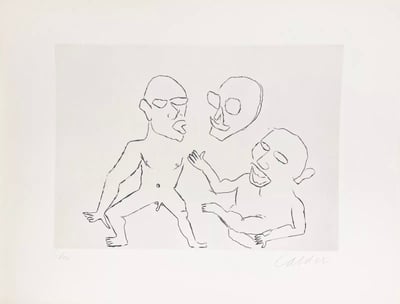
Alexander Calder
Santa Claus III, 1974
Limited Edition Print
Etching
Inquire For Price
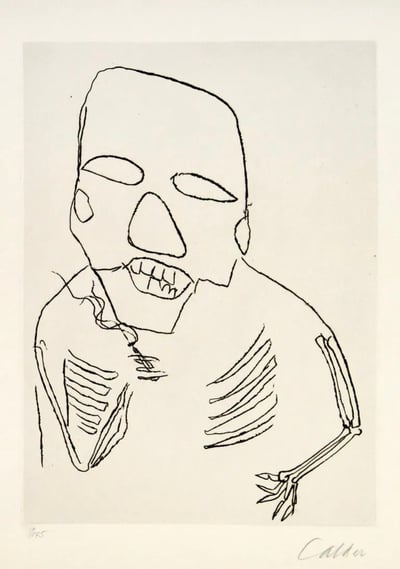
Alexander Calder
Santa Claus I, 1974
Limited Edition Print
Etching
USD 1,000

Alexander Calder
McGovern for McGovernment , 1972
Limited Edition Print
Screen-print
USD 1,850

Alexander Calder
McGovern for Government, 1974
Limited Edition Print
Lithograph
USD 1,350

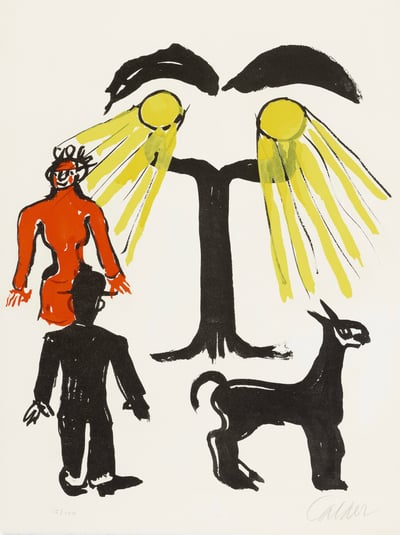
Alexander Calder
Clown, 1976
Limited Edition Print
Lithograph
USD 6,190
Alexander Calder
Cinema on Hommage a Man Ray, 1974
Limited Edition Print
Lithograph
USD 2,600
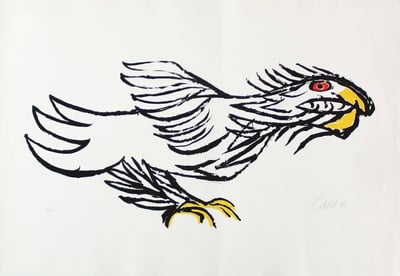
Alexander Calder
L'Aigle, 1973
Limited Edition Print
Lithograph
USD 4,450

Alexander Calder
Our Unfinished Revolution: Animals, 1976
Limited Edition Print
Lithograph
USD 9,600
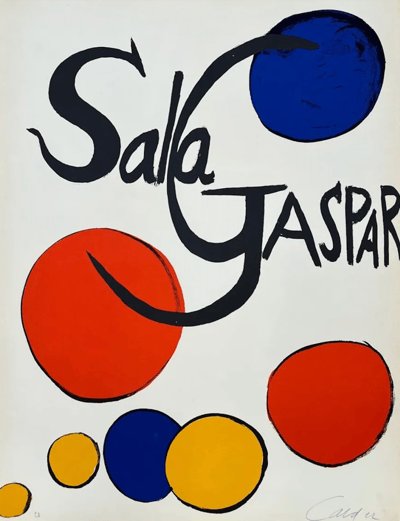
Alexander Calder
Sala Gaspar, 1973
Limited Edition Print
Lithograph
EUR 1,350
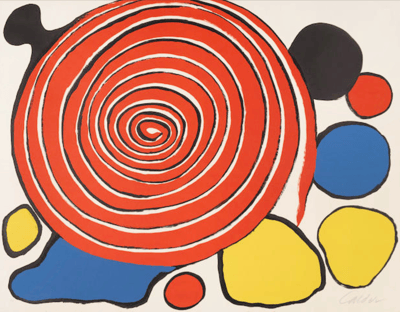
Alexander Calder
Untitled (Red Spiral), c. 1970
Limited Edition Print
Lithograph
USD 9,600

Alexander Calder
Stone Age, ca. 1970
Limited Edition Print
Lithograph
USD 9,600

Alexander Calder
Taches de Rousser (from La Memoire Elementaire), 1976
Limited Edition Print
Lithograph
USD 9,600
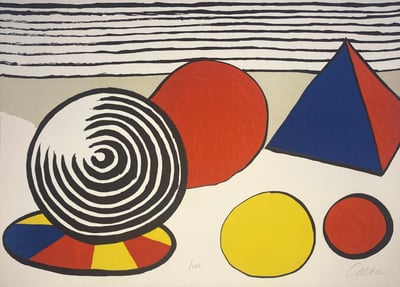
Alexander Calder
Le point de non retour (from La Memoire Elementaire), 1976
Limited Edition Print
Lithograph
USD 9,600
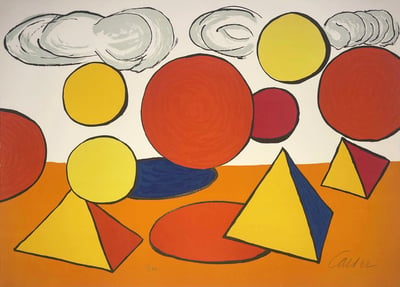
Alexander Calder
Le piège (from La Memoire Elementaire), 1976
Limited Edition Print
Lithograph
USD 9,600
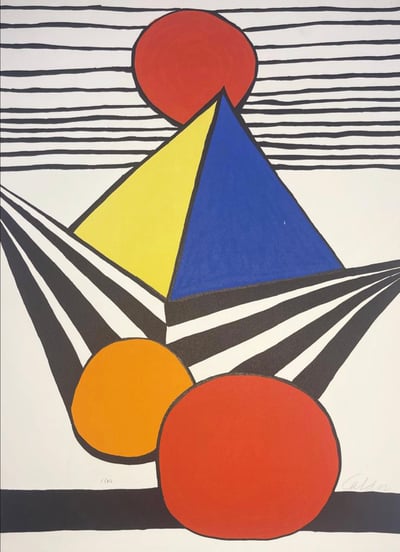
Alexander Calder
La pointe du progrès (from La Memoire Elementaire), 1976
Limited Edition Print
Lithograph
USD 9,600

Alexander Calder
Our Unfinished Revolution: Octopus/Squid, 1975-1976
Limited Edition Print
Lithograph
USD 9,600
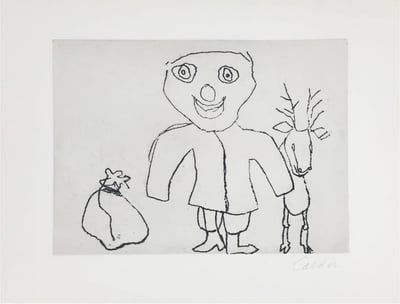
Alexander Calder
Santa Claus X, 1974
Limited Edition Print
Etching
USD 1,700
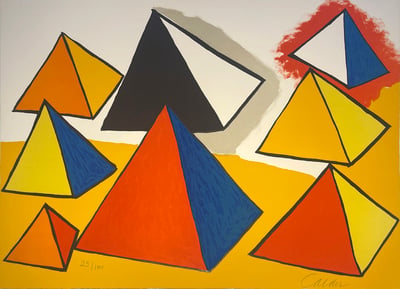
Alexander Calder
Hommage á Euclide / Hommage to Euclid from La Memoire Elementaire, 1976
Limited Edition Print
Lithograph
USD 9,600
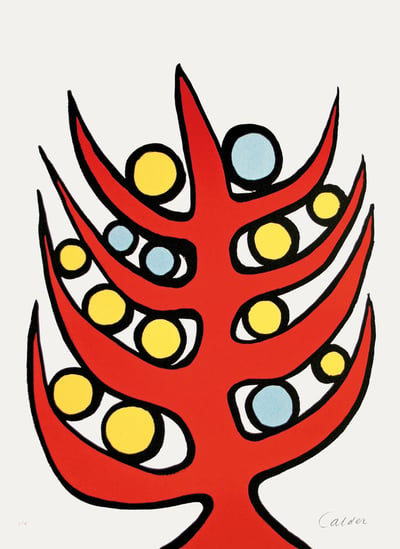
Alexander Calder
L’albero del bene e del male, 1975
Limited Edition Print
Lithograph
EUR 4,600
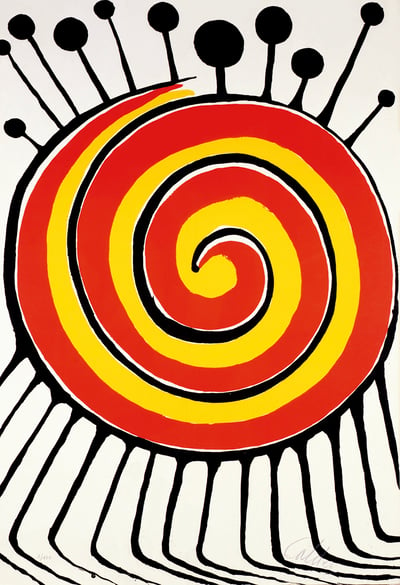
Alexander Calder
Spirale millepiedi, 1972
Limited Edition Print
Lithograph
EUR 4,850
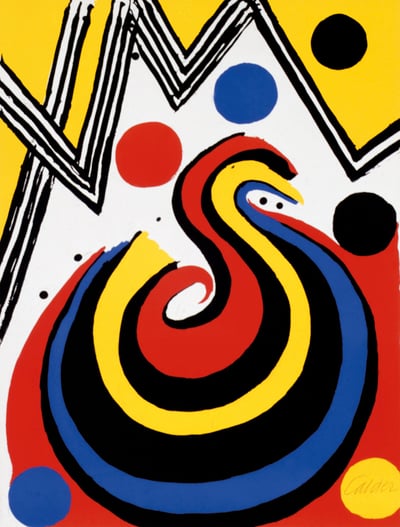
Alexander Calder
Girandola, 1972
Limited Edition Print
Lithograph
EUR 5,400

Alexander Calder
Alphabet Et Serpent, 1968
Limited Edition Print
Lithograph
USD 6,250
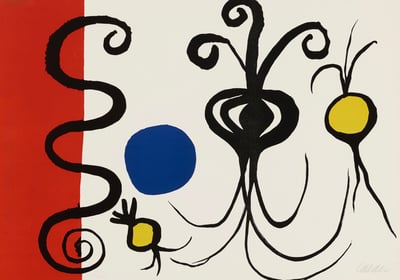
Alexander Calder
Trois Oignons, 1965
Limited Edition Print
Lithograph
USD 6,250
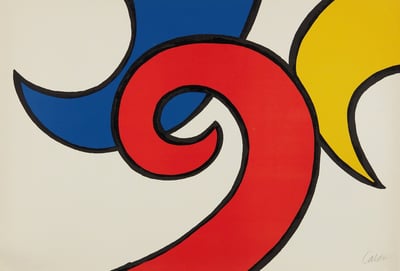
Alexander Calder
Les Vagues #21 (The Waves), 1971
Limited Edition Print
Lithograph
USD 7,500

Alexander Calder
Le Lettres, 1969
Limited Edition Print
Lithograph
USD 7,500
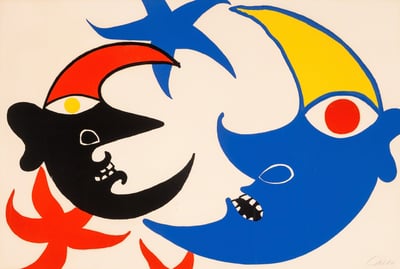
Alexander Calder
Les Deux Lues, 1974
Limited Edition Print
Lithograph
USD 7,500
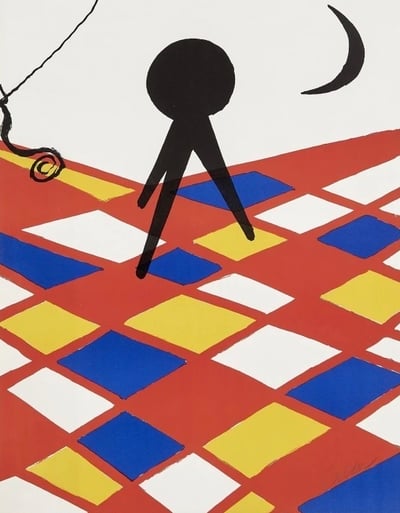
Alexander Calder
Tabouret Et Trois Pieds, 1969
Limited Edition Print
Lithograph
USD 6,250
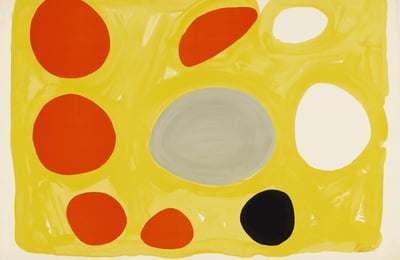
Alexander Calder
Grey Oval (Flat Mobile), 1974/1975
Limited Edition Print
Lithograph
USD 7,300
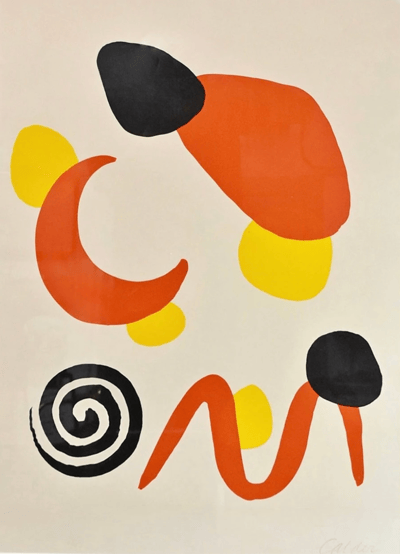
Alexander Calder
Red Moon and Swirl, 1965
Limited Edition Print
Lithograph
Currently Not Available

Alexander Calder
Papouse, 1969
Limited Edition Print
Lithograph
Currently Not Available
Related Artists
Related Articles
Collecting - March 21, 2024
Building a Thematic Art Collection: A Guide to Curated Artistry
Learn to build a thematic art collection that reflects your passion. Discover tips for curating, acquiring, and displaying art with a personal touch.Read More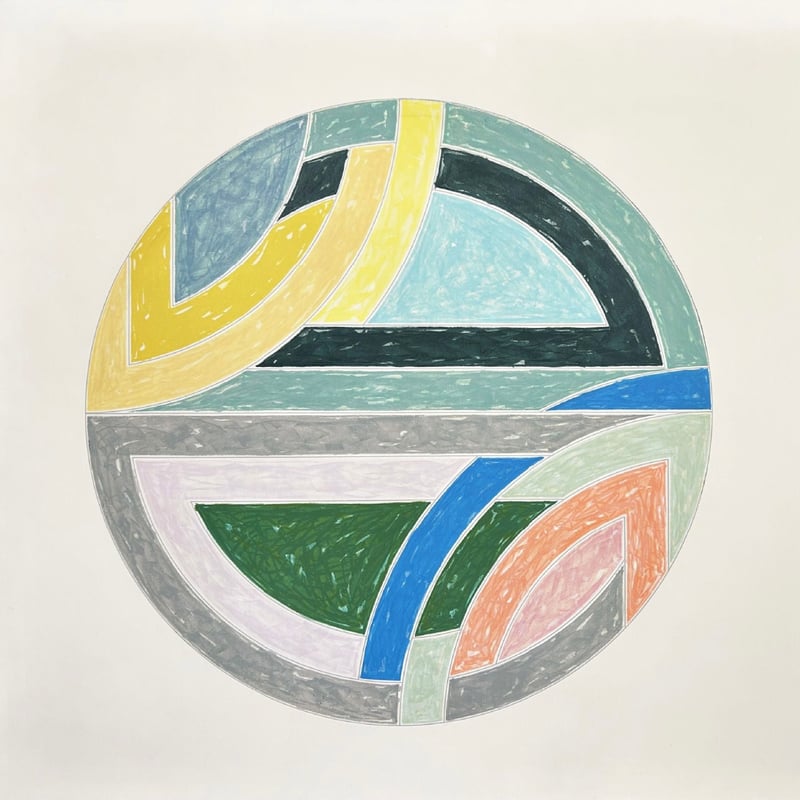

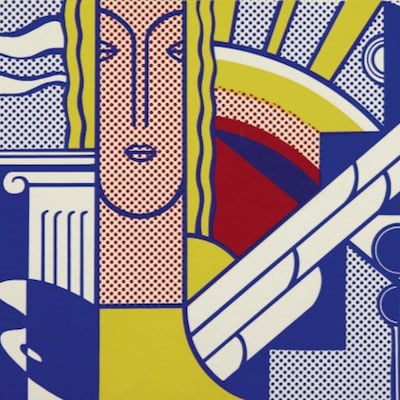
What is late modernism?
Late Modernism refers to the continuation and evolution of Modernist principles in art, architecture, and literature from the mid-20th century into the late 20th century. This movement maintains a focus on form, abstraction, and the rejection of traditional styles, but it often incorporates more complexity and ambiguity compared to early Modernism. Late Modernism explores themes such as alienation, identity, and the fragmentation of reality, reflecting the social and cultural shifts of the post-war period. It is seen in the works of architects like Louis Kahn and artists like Francis Bacon, who pushed the boundaries of Modernism while responding to the changing world around them.

Alexander Calder
Iron Frame / Charpente de fer, 1969
54.6 x 75.6 cm


