What is a digital print on canvas?
Digital print on canvas is a technology used to create fine art prints by reproducing digital photographs or artwork on canvas. The digital images are sent to professional printers that accurately capture variations in color and detail, resulting in high-quality canvas prints.
Show All
- Show All
- Established
- Discoveries
Show All
- Show All
Artworks Related to Digital print on canvas
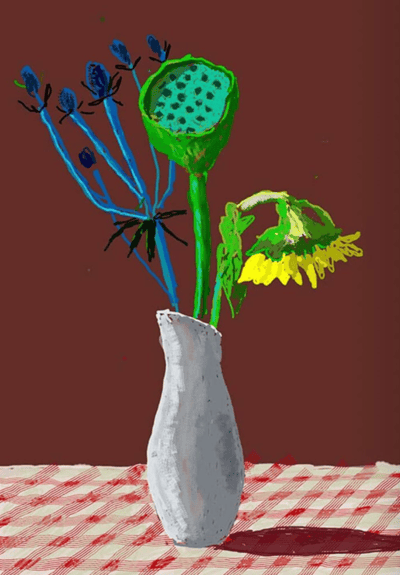
David Hockney
19th March 2021, Sunflower with Exotic Flower, 2021
Limited Edition Print
Digital print on canvas
Inquire For Price
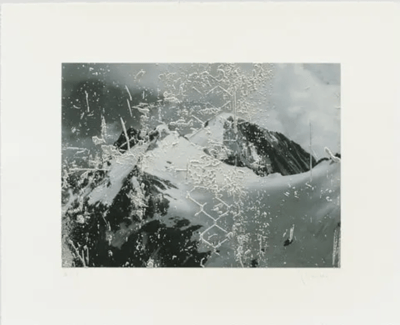
Rudolf Stingel
Untitled, 2023
Limited Edition Print
Digital print on canvas
USD 5,000 - 6,000
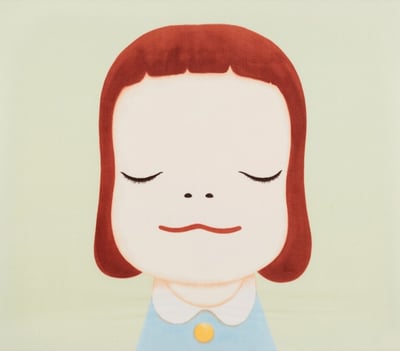
Yoshitomo Nara
WOW (Works on Whatever) Project beach towel, 2010
Tapestry
Digital print on canvas
USD 12,000

Julie Mehretu
Among the Multitude III, 2021
Limited Edition Print
Digital print on canvas
Currently Not Available
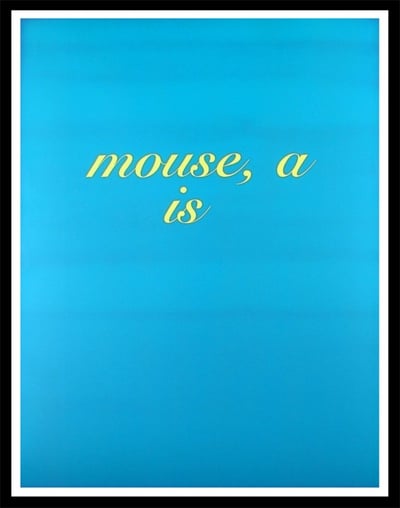
Diana Thater
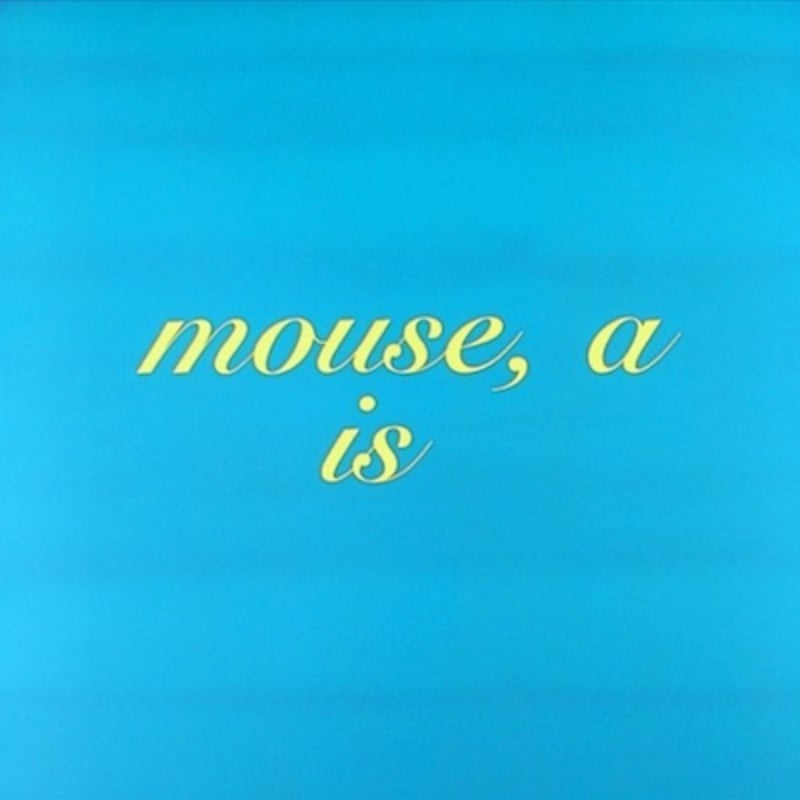
MOUSE A IS, 1996
Limited Edition Print
Digital print on canvas
USD 4,500

Diana Thater
CAT A IS, 1996
Limited Edition Print
Digital print on canvas
USD 4,500
Related Articles

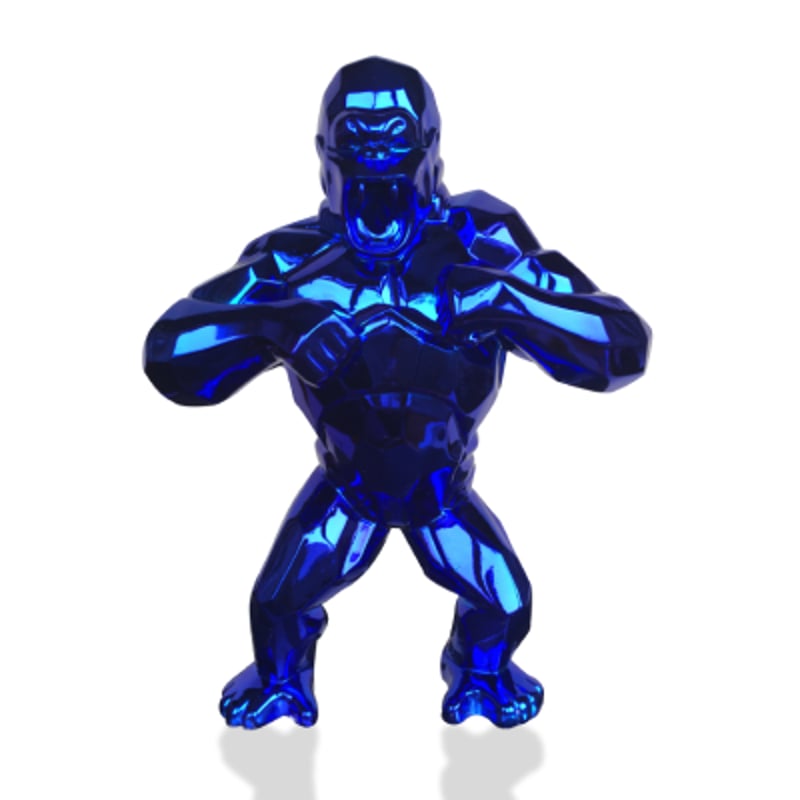
Resin can be derived from both natural sources, such as pine sap, and synthetic processes. Natural resin comes from tree sap, while synthetic resin is a type of dense, easily molded plastic. Resin is commonly used in sculpture, and it can also enhance the vibrancy of paint colors.
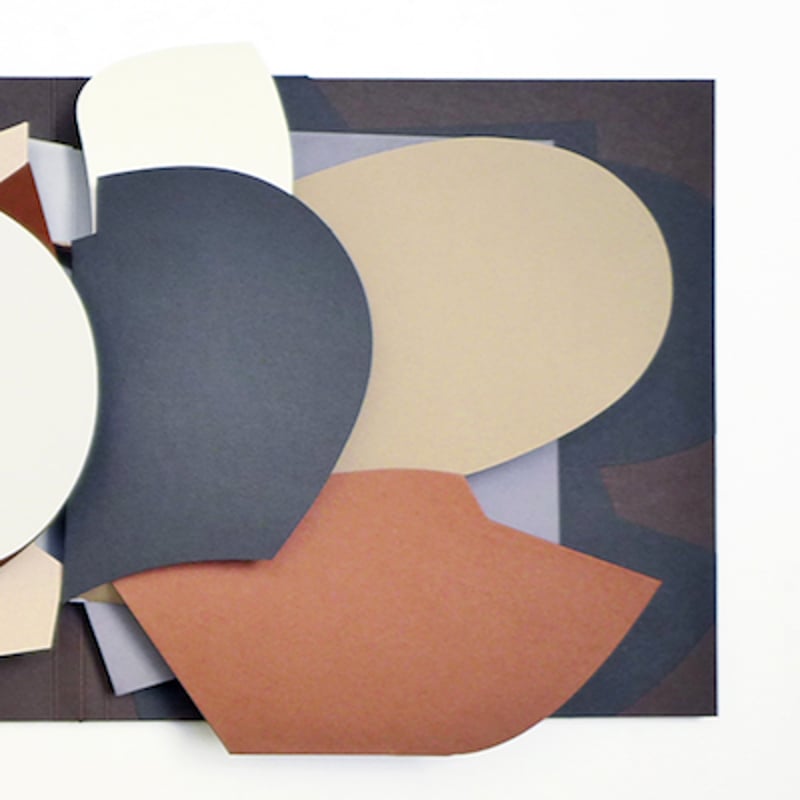
Assemblage is an artistic process involving the combination of three-dimensional objects to create a work of art. The term, which originates from the French word for assembly, often involves the use of found objects like leaves, stones, discarded items, or recycled materials. These objects are arranged creatively to form a unique and often thought-provoking artwork.

Woodcut is a printing technique where an image is carved into the surface of a woodblock using gouges, with the remaining flat surface holding the ink for printing. The areas cut away by the artist do not carry ink, while the uncut areas do, producing the desired print. The carving follows the wood's grain, unlike wood engraving, where the block is cut across the end-grain. Ink is applied to the surface with a roller, ensuring only the flat, uncarved areas receive ink, leaving the recessed, non-printing areas clean.
Can't find your Answer?
Thank you! Your question has been sent — we'll get back to you shortly.
