
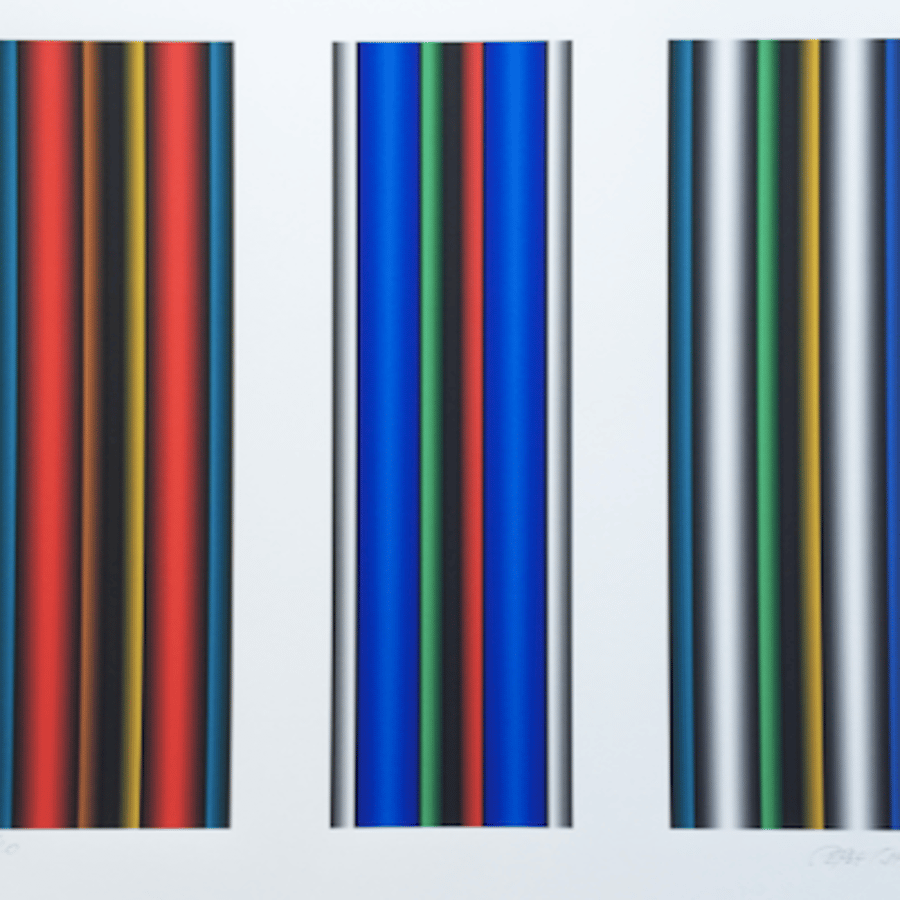
What is a Lithograph?
- Show All
- Established
- Discoveries
- Show All
Artworks Related to Lithograph
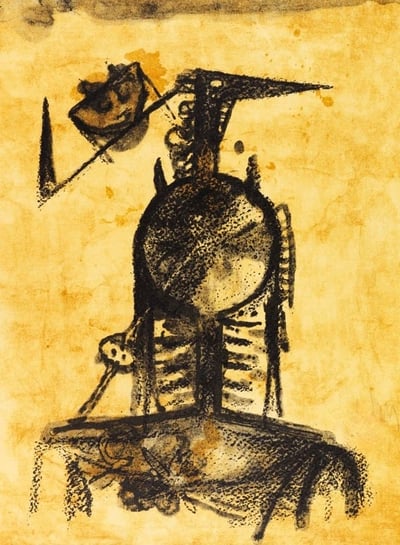
Wifredo Lam
Jean Cassou, 1975
Limited Edition Print
Lithograph
EUR 980
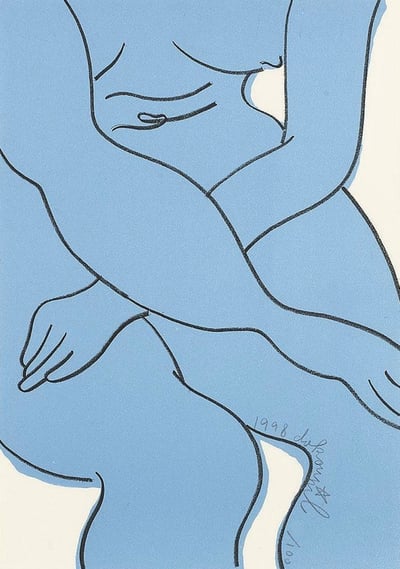
Georg Jiri Dokoupil
Blue Nude, 1998
Limited Edition Print
Lithograph
Currently Not Available
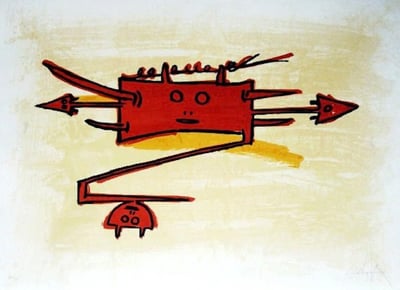
Wifredo Lam
El último viaje del buque fantasma VI, 1976
Limited Edition Print
Lithograph
EUR 850
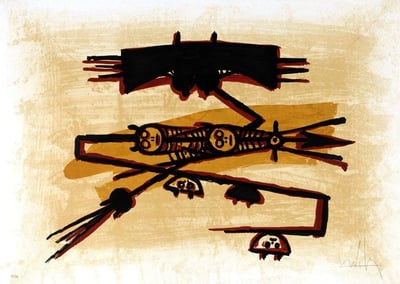
Wifredo Lam
El último viaje del buque fantasma III, 1976
Limited Edition Print
Lithograph
EUR 850
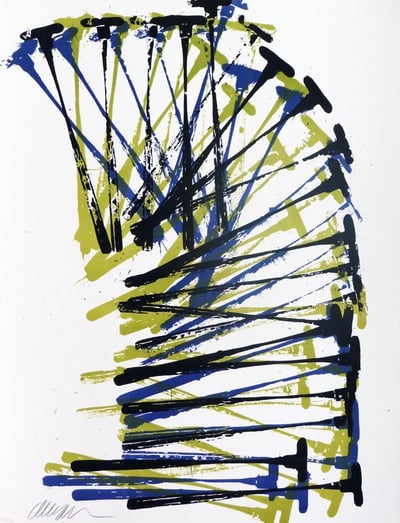
Fernandez Arman
Aesculapius hammer, 1977
Limited Edition Print
Lithograph
EUR 640
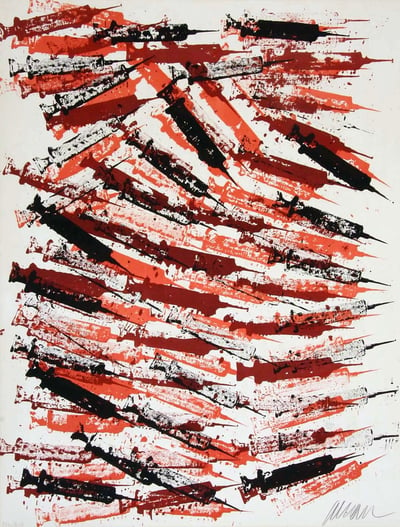
Fernandez Arman
Hypored, 1977
Limited Edition Print
Lithograph
EUR 640
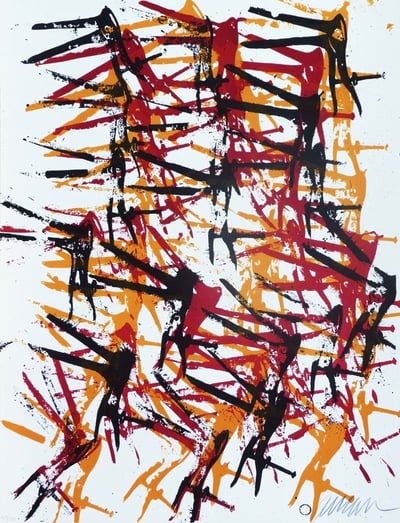
Fernandez Arman
Inside story, 1977
Limited Edition Print
Lithograph
EUR 640
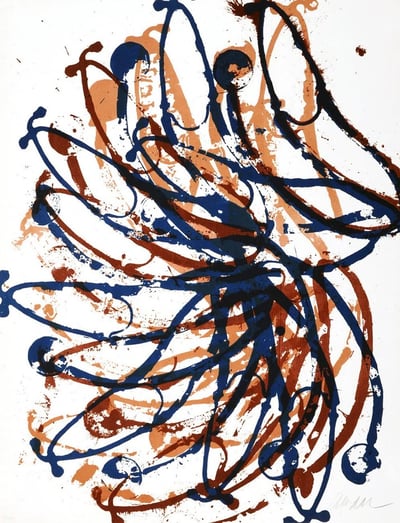
Fernandez Arman
Rien ne bat plus, 1977
Limited Edition Print
Lithograph
EUR 640

Albert Ràfols-Casamada
Estructures 2, 2006
Limited Edition Print
Lithograph
EUR 450
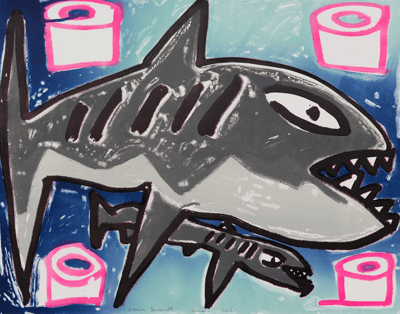
Katherine Bernhardt
Swimmers, 2022
Limited Edition Print
Lithograph
USD 3,490
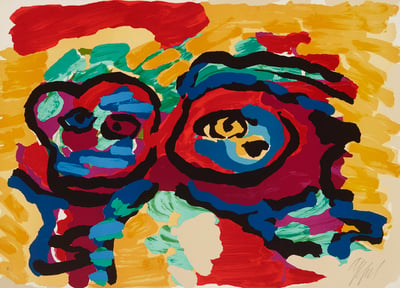
Karel Appel
Two Figures, c. 1980
Limited Edition Print
Lithograph
USD 1,000
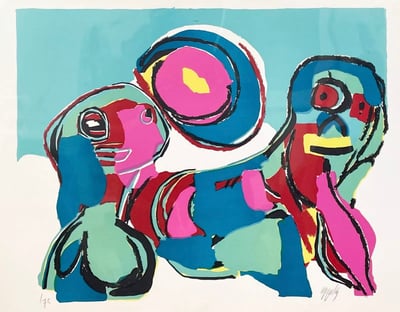
Karel Appel
Composition , 1969
Limited Edition Print
Lithograph
USD 950

Frank Stella
Honduras Lottery Co., 1972
Limited Edition Print
Lithograph
Currently Not Available

Jasper Johns
Hinged Canvas, 1971
Limited Edition Print
Lithograph
USD 5,000
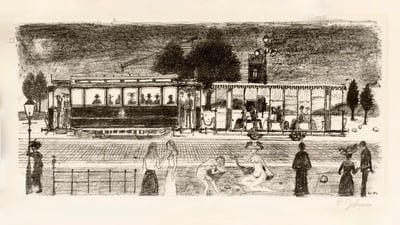
Paul Delvaux
Le tramway, 1971
Limited Edition Print
Lithograph
EUR 2,600
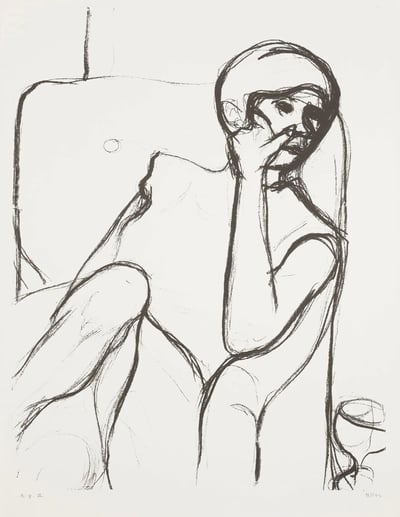
Richard Diebenkorn
Seated Woman in Arm Chair, 1965
Limited Edition Print
Lithograph
Currently Not Available
Related Articles
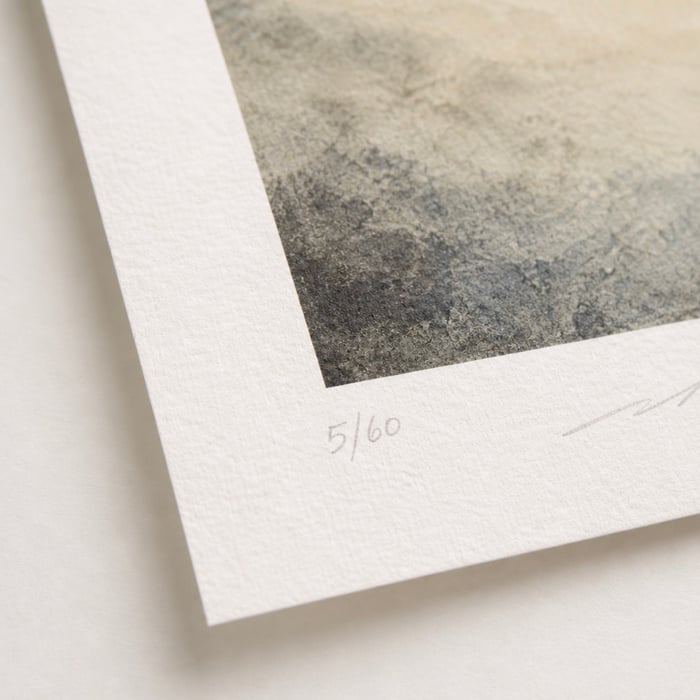


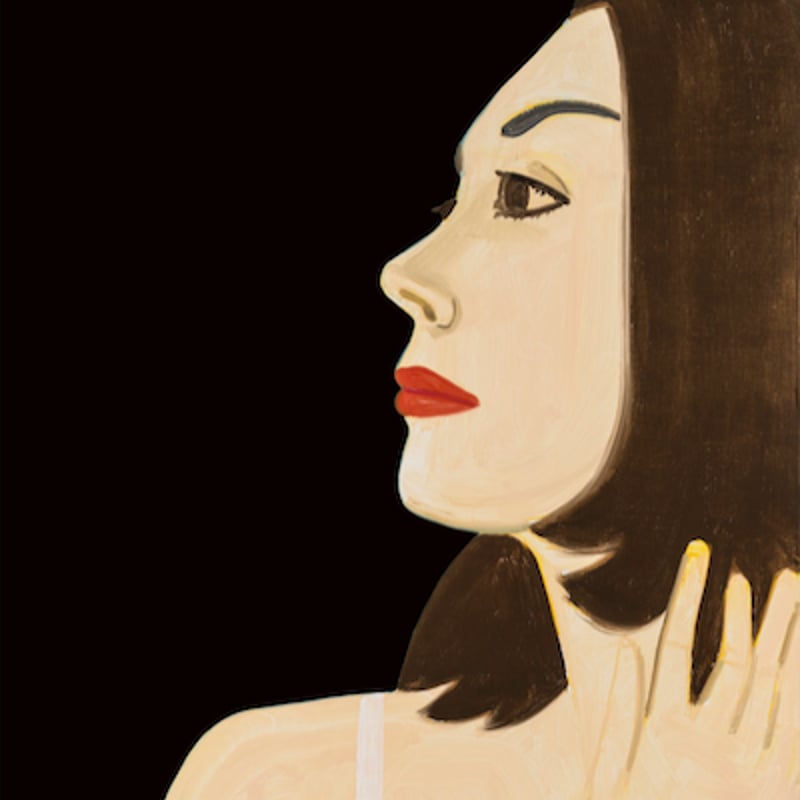
Sometimes known as Figurativism, figurative art refers to sculptures and paintings that are clearly or specifically derived from real objects, making them representational. The term figurative art is often used in contrast to abstract art. However, since the emergence of abstract art, figurative art has come to describe any form of modern art that has strong references to the real world or actual situations.

A watermark is an image or pattern embedded into a sheet of paper during the papermaking process. Each papermaker includes a faint trademark, which becomes visible when the paper is held up to a light source. Watermarks serve as a mark of authenticity and are used for identification, often carrying historical significance in determining the origin and age of the paper.
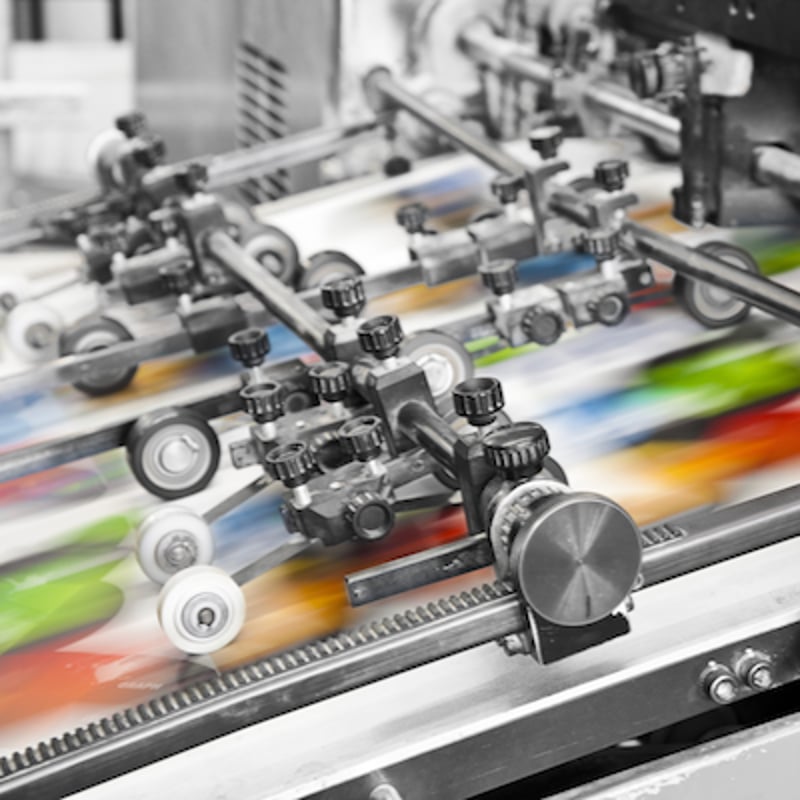
Offset lithography is a printing technique where the inked image is first transferred (offset) from a plate to a rubber blanket and then to the printing surface. This method combines the lithographic process, which relies on the repulsion of water and oil, to keep non-printing areas ink-free by attracting a water-based film. Offset lithography was originally developed to reduce costs in reproducing artwork and is widely used for high-volume printing due to its efficiency and ability to produce sharp, consistent images.
Can't find your Answer?
Thank you! Your question has been sent — we'll get back to you shortly.
