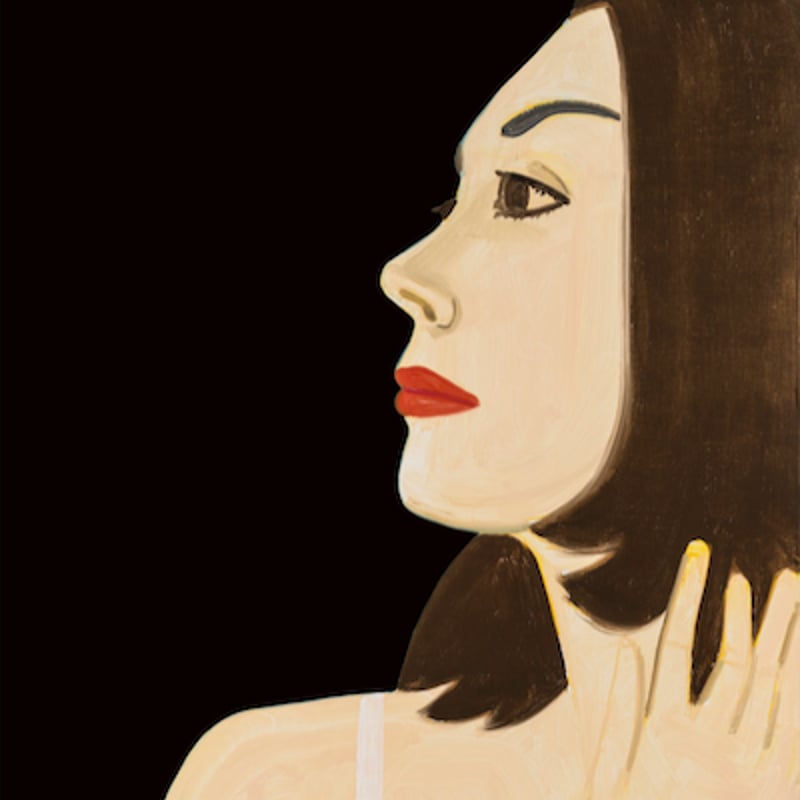
What is figurative art?
Sometimes known as Figurativism, figurative art refers to sculptures and paintings that are clearly or specifically derived from real objects, making them representational. The term figurative art is often used in contrast to abstract art. However, since the emergence of abstract art, figurative art has come to describe any form of modern art that has strong references to the real world or actual situations.
Notable Artists Working in figurative art



From default mode to deliberate choice
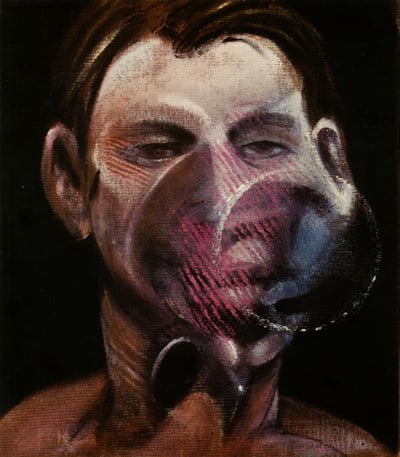
For most of art history, figuration needed no name. Representing the visible world — bodies, faces, landscapes, objects — was simply what painting and sculpture did. It was only when abstraction arrived in the early twentieth century, with Kandinsky, Malevich and Mondrian stripping away recognisable subject matter, that "figurative" became a category at all. From that point on, painting a face or a room was no longer a default but a decision, and every figurative artist since has worked in conversation with abstraction, whether they embrace it, ignore it or push against it.
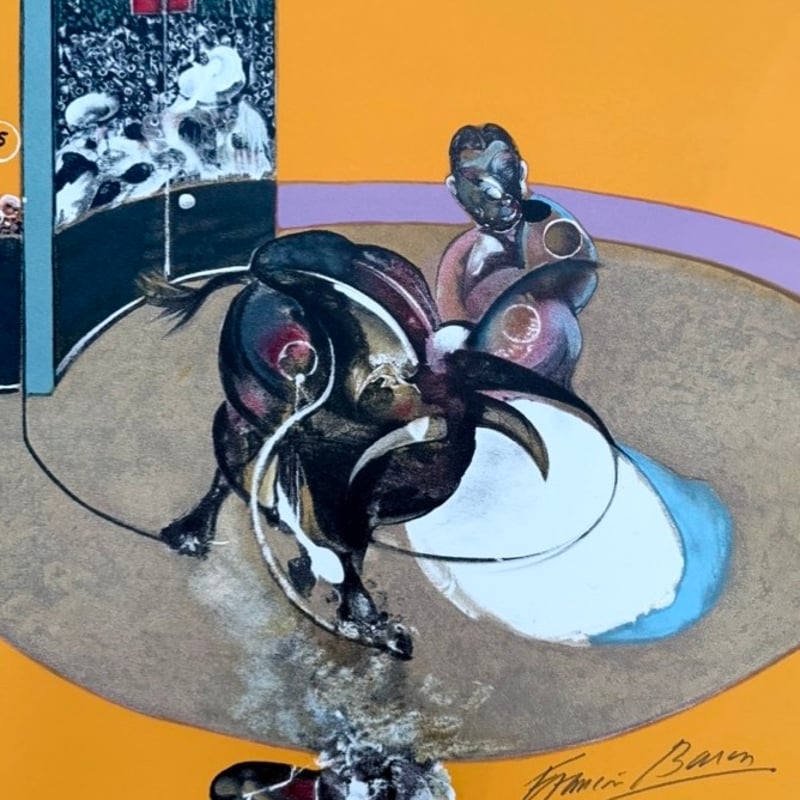
Far from being extinguished by abstraction, figuration kept regenerating. In post-war London, painters such as Francis Bacon, Lucian Freud and Frank Auerbach made the human body the site of intense psychological and material investigation, laying paint on thickly enough that flesh and pigment became nearly interchangeable.
"Flesh was the reason why oil painting was invented."
Willem de Kooning
De Kooning himself is the great reminder that the border is porous: his Women paintings of the early 1950s scandalised abstract expressionist orthodoxy precisely because they smuggled the figure back into gestural painting.
Waves of return
Figuration has returned in distinct waves ever since. The 1960s brought Pop art's cool, mediated imagery of consumer objects and celebrities. The late 1970s and 1980s saw Neo-Expressionism, with Georg Baselitz, Julian Schnabel and Jean-Michel Basquiat reasserting the painted figure with raw urgency. In the 1990s and 2000s, the New Leipzig School, led by Neo Rauch, demonstrated that rigorous, technically trained figurative painting could feel entirely contemporary.
The most recent wave began in the mid-2010s, when a new generation of painters turned to the figure to address identity, community and the body — subjects abstraction struggles to speak to directly. Portraiture in particular, long dismissed as conservative, became one of the most vital territories in contemporary art. For collectors, this long arc matters: figuration is not a style that comes and goes, but a continuous tradition that periodically renews itself, which is one reason it has proved so durable in both museums and the market.
Why figuration endures with collectors
Figurative art has a structural advantage in the market: it is legible. A strong portrait or interior communicates before any explanation, which broadens its audience across generations and geographies. That legibility underpins remarkably stable demand — figurative painting and sculpture have anchored the secondary market for decades, and when tastes rotate away from one style of abstraction or another, well-made figuration tends to hold its ground. It is also less vulnerable to the boom-and-bust cycles that can affect narrowly fashionable movements, precisely because it is not one movement but a broad, continuously replenished tradition.
Judging quality
Because figuration invites comparison with the real world, weaknesses show quickly. When assessing a work, look first at drawing: are anatomy, perspective and proportion handled with control — or, if distorted, distorted with evident intent and consistency? Then look at the paint or material itself. The best figurative artists do more than describe a subject; the surface has its own life — confident brushwork, considered edges, colour that does work rather than merely filling in shapes. Be wary of work that is technically polished but inert, a pastiche of academic or photographic sources with nothing of its own. Ask what the artist has decided to leave out; economy is often the surest sign of skill.
Editions, provenance and entry points
Figurative imagery translates unusually well into printmaking — etching, lithography and screenprint have long traditions in portraiture and the figure — so editions offer a genuine entry point rather than a compromise. With any edition, confirm the edition size, numbering and signature, and whether the print was made and authorised during the artist's lifetime or produced posthumously, which affects value significantly. For unique works, provenance matters as it does anywhere: a clear chain of ownership, gallery invoices and inclusion in exhibitions or catalogues all support long-term value. Condition checks are conventional but essential — raking light to reveal craquelure or restoration on paintings, and inspection of patina and joins on figurative sculpture. Buy the strongest example of an artist's central subject you can afford: in figurative art, the works most closely tied to what an artist is known for are almost always the ones the market remembers.
Artworks Related to Figurative art
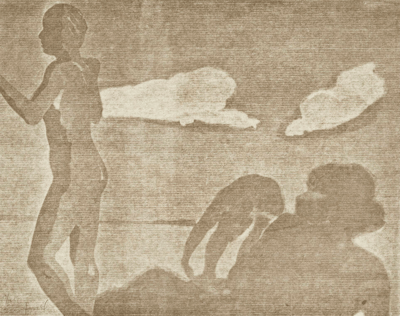
Eric Fischl
Untitled (Beach scene), from Art Pro-Choice II, 1991
Limited Edition Print
Relief printing
Inquire For Price
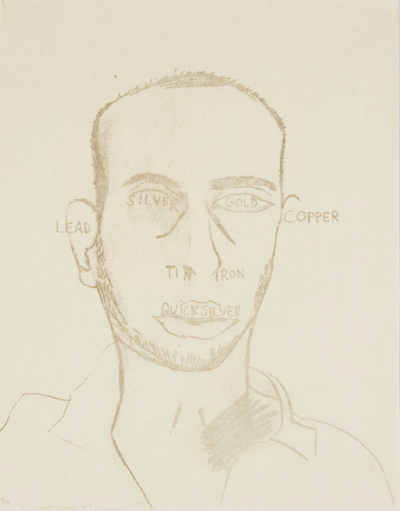
Francesco Clemente
Traditional Self Portrait, from Art Pro-Choice II, 1991
Limited Edition Print
Lithograph
Inquire For Price

Stephan Balkenhol
Kopfsäule Mann, 2020
Sculpture / Object
Wood
EUR 66,000 - 80,000

Keith Haring
The Valley (2), 1989
Limited Edition Print
Etching
EUR 3,600

Keith Haring
The Valley (1), 1989
Limited Edition Print
Etching
EUR 3,600

KAWS
Companion vs Astroboy, 2002
Limited Edition Print
Screen-print
Inquire For Price

Rufino Tamayo
Figura en negro, 1980
Limited Edition Print
Etching
EUR 4,500

Rufino Tamayo
Personaje en la ventana, 1980
Limited Edition Print
Etching
EUR 3,750

Rufino Tamayo
Cabeza con iniciales, 1975
Limited Edition Print
Mixed Media
EUR 3,750

Rufino Tamayo
Hombre, 1979
Limited Edition Print
Lithograph
EUR 2,300

Rufino Tamayo
Hombre en rosa, 1984
Limited Edition Print
Etching
EUR 4,350

Peter Doig
Lions (Ghost), 2026
Limited Edition Print
Giclée printing
GBP 6,000 - 7,500
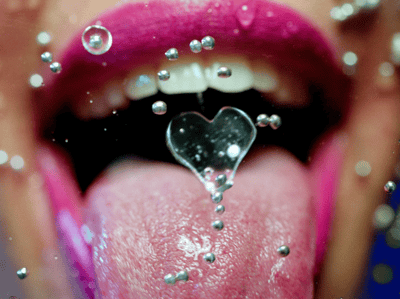
Marilyn Minter
Sweetheart, 2024
Limited Edition Print
Archival Print
EUR 5,400
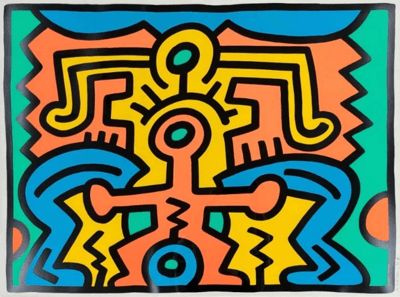
Keith Haring
Growing 5 (Littmann p.91), 1988
Limited Edition Print
Screen-print
GBP 43,000 - 55,000
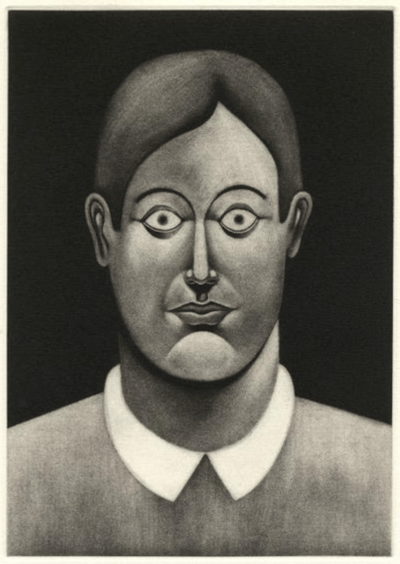
Nicolas Party
Portrait, 2016
Limited Edition Print
Mezzotint
GBP 16,000 - 20,000
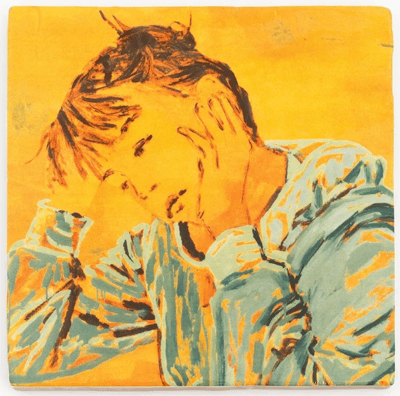
Claire Tabouret
Self-portrait at the Table, 2025
Ceramics
Ceramic
GBP 1,850
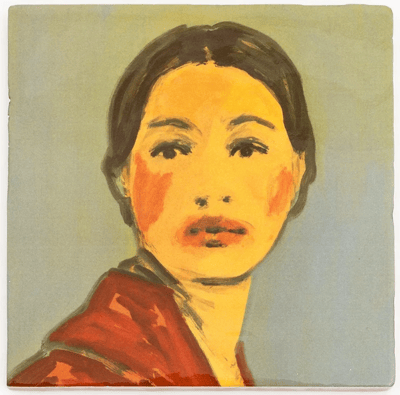
Claire Tabouret
Makeup (red coat), 2025
Ceramics
Ceramic
GBP 1,850
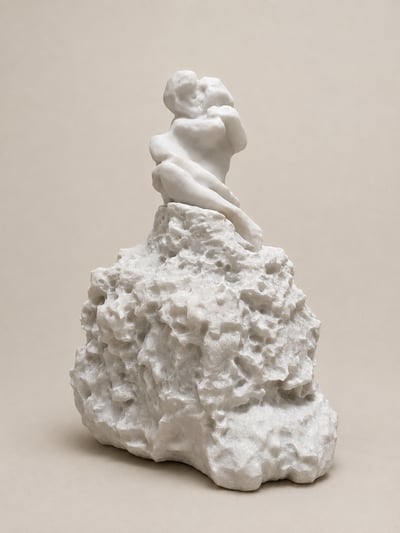
Eva Claessens
La naissance de l'amour, 2026
Sculpture / Object
Marble
EUR 27,000 - 34,000
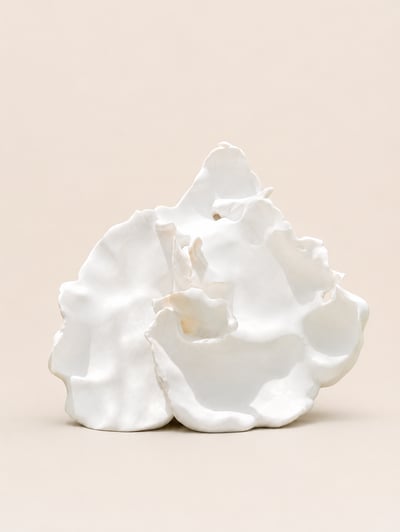
Eva Claessens
Un murmue de fleur, 2026
Sculpture / Object
Marble
EUR 15,000 - 25,000
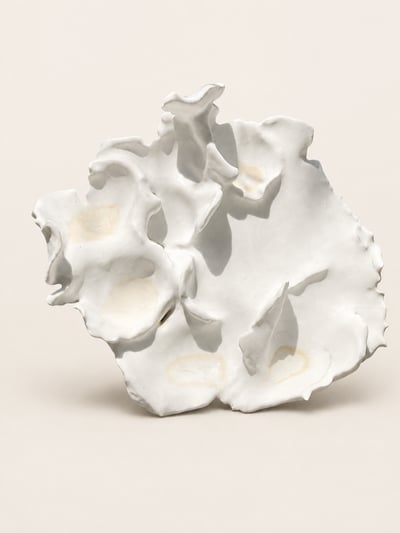
Eva Claessens
L'âme d'une fleur, 2026
Sculpture / Object
Marble
Inquire For Price
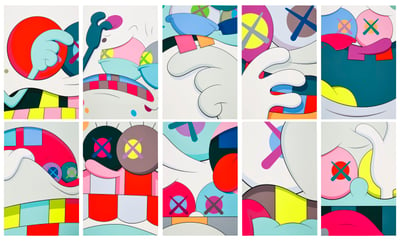
KAWS
Blame Game, 2014
Limited Edition Print
Screen-print
USD 190,000 - 200,000
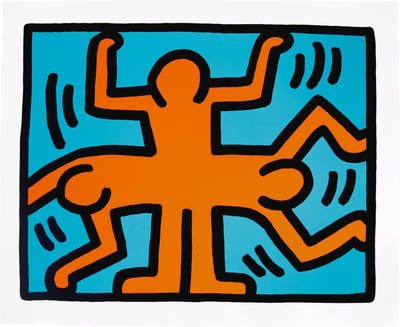
Keith Haring
Pop Shop VI , 1989
Limited Edition Print
Screen-print
EUR 17,750
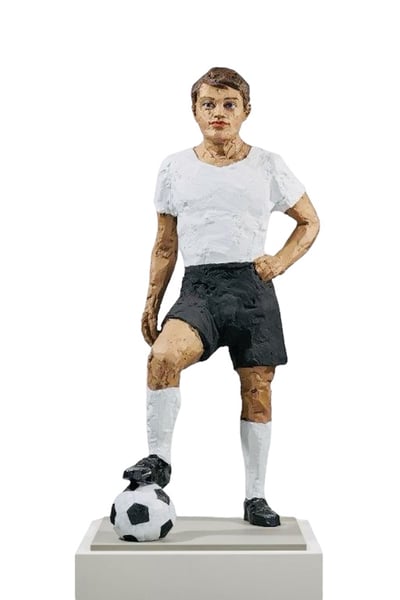
Stephan Balkenhol
Fussballliebe, 2024
Sculpture / Object
Bronze
EUR 25,800
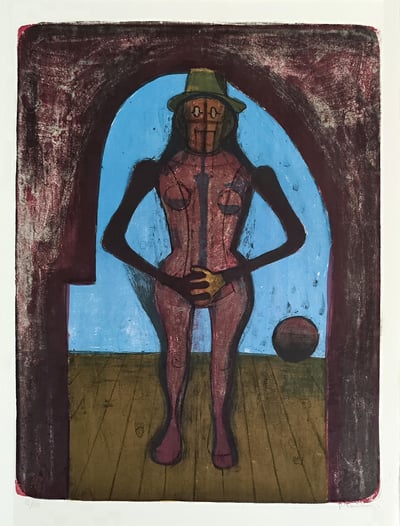
Rufino Tamayo
Femme au Collant Rose, 1969
Limited Edition Print
Lithograph
EUR 2,600
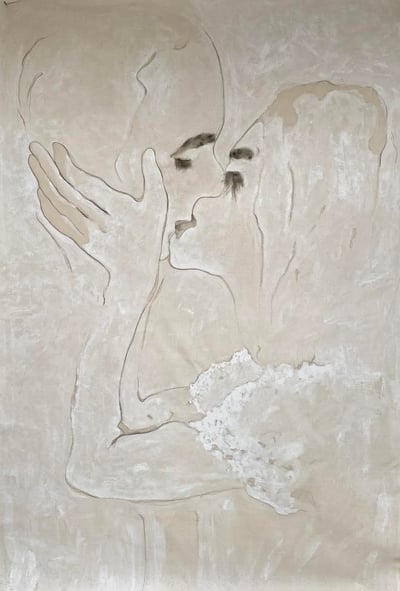
Eva Claessens
A Kiss, 2025
Painting
Mixed Media
EUR 9,500
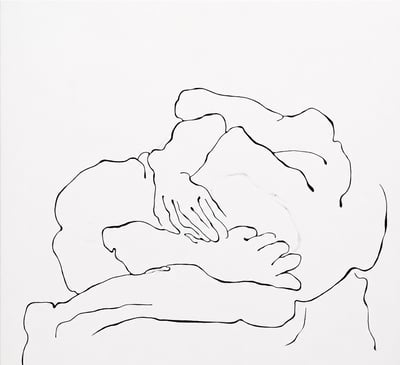
Eva Claessens
She said yes, 2026
Painting
Mixed Media
USD 10,000
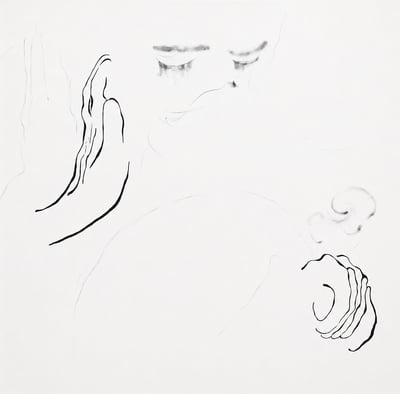
Eva Claessens
A kiss, 2026
Painting
Mixed Media
USD 10,000
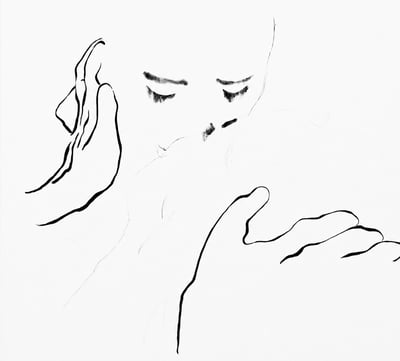
Eva Claessens
A kiss, 2026
Painting
Mixed Media
USD 10,000
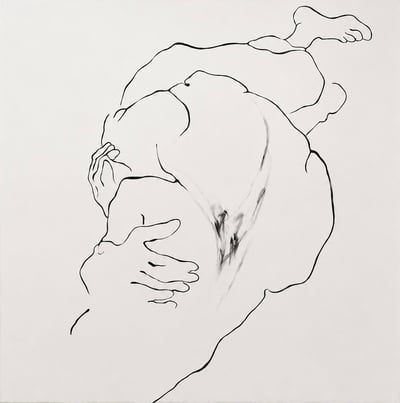
Eva Claessens
Seeking the silence, 2026
Painting
Mixed Media
USD 10,000
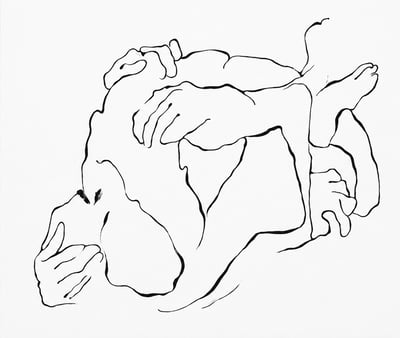
Eva Claessens
e-motion, 2026
Painting
Mixed Media
USD 10,000
Related Terms
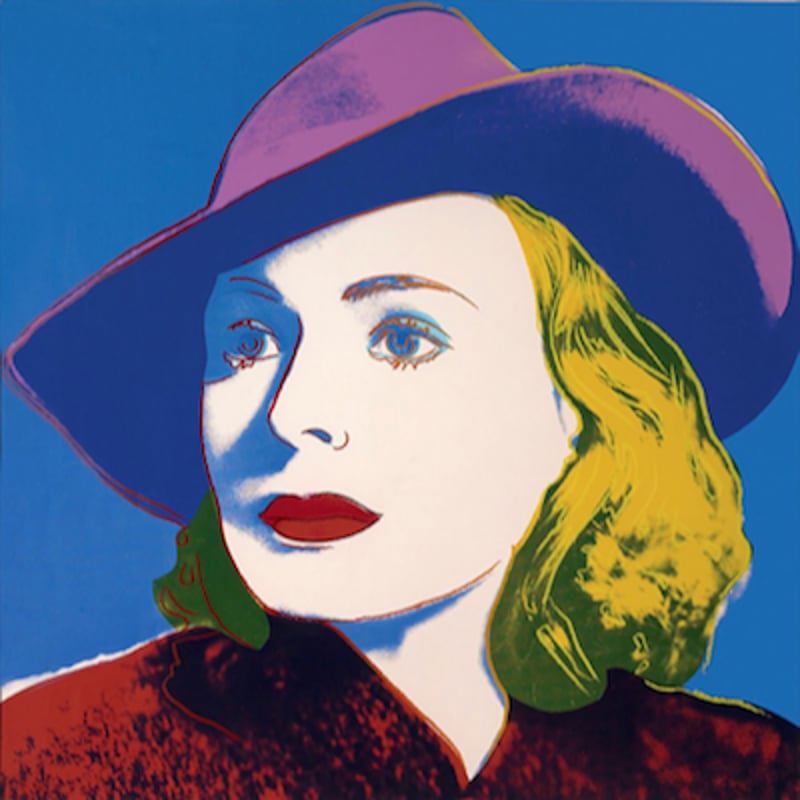
Pop Art is an art movement that began in Britain in 1955 and in the late 1950s in the U.S. It challenged traditional fine arts by incorporating imagery from popular culture, such as news, advertising, and comic books. Pop Art often isolates and recontextualizes materials, combining them with unrelated elements. The movement is more about the attitudes and ideas that inspired it than the specific art itself. Pop Art is seen as a reaction against the dominant ideas of Abstract Expressionism, bringing everyday consumer culture into the realm of fine art.

Contemporary art refers to avant-garde or innovative art created in the recent past or present day. The exact starting point of contemporary art varies depending on the institution, often tied to the founding year of museums or galleries that showcase the style. Contemporary art is characterized by its focus on current ideas, diverse media, and the exploration of new concepts and techniques.
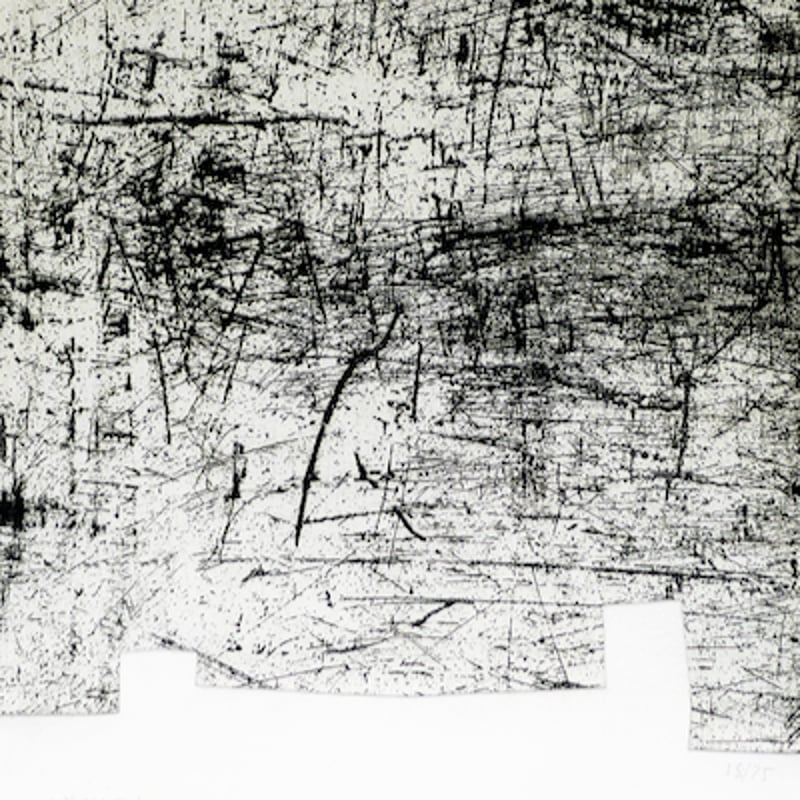
Abstract art uses form, shape, line, and color to create a visual experience without attempting to represent external reality. The composition exists independently of the world's visual references, focusing on expressing ideas and emotions through non-representational means.
Related Articles
Can't find your Answer?
Thank you! Your question has been sent — we'll get back to you shortly.
