
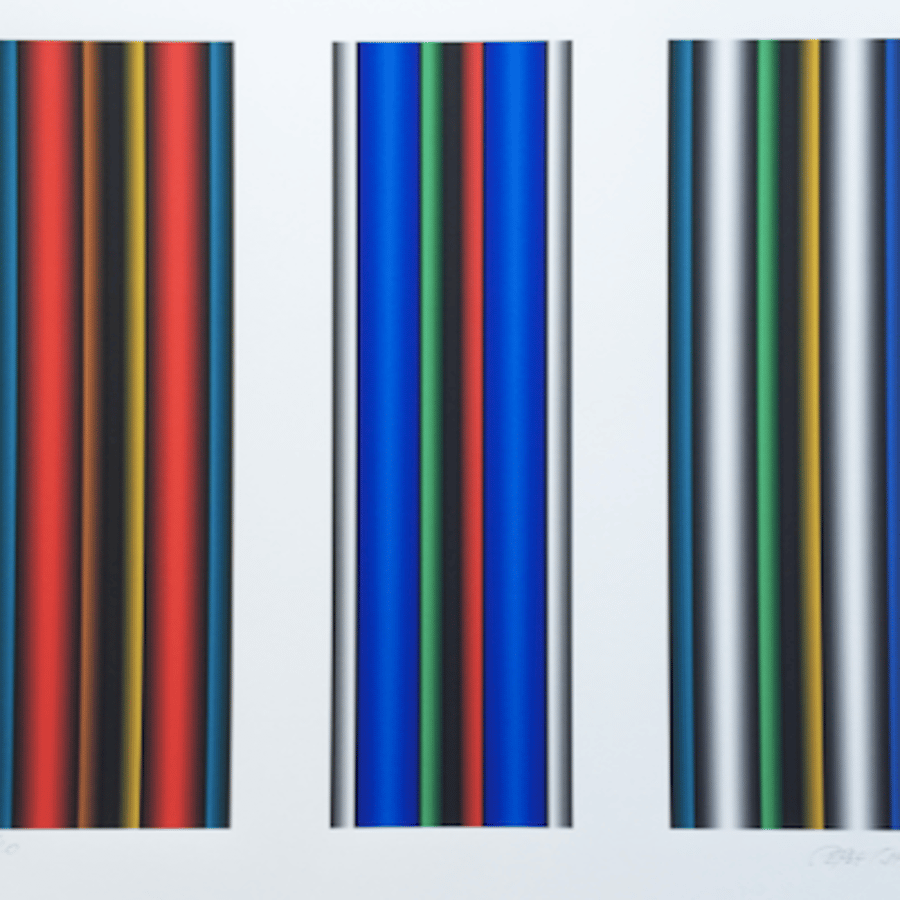
What is a Lithograph?
- Show All
- Established
- Discoveries
- Show All
Artworks Related to Lithograph
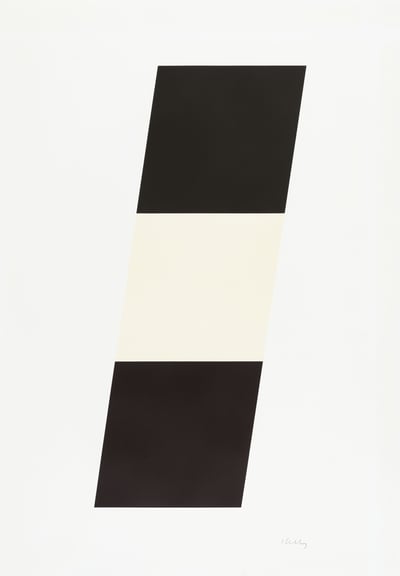
Ellsworth Kelly
Black/White/Black, 1970
Limited Edition Print
Lithograph
USD 10,350
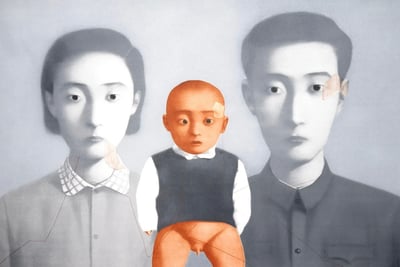
Zhang Xiaogang
Big Family Portrait, 2007
Limited Edition Print
Lithograph
Inquire For Price
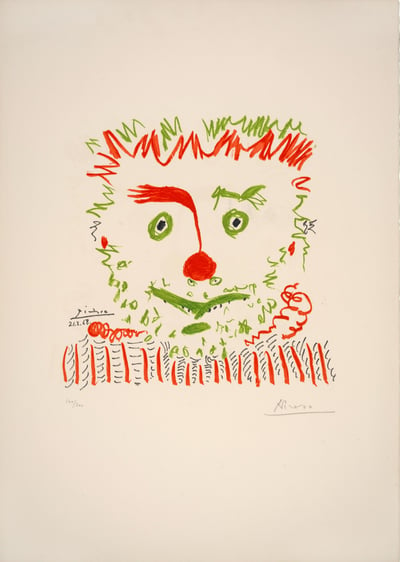
Pablo Picasso
Le Clown, 1968
Limited Edition Print
Lithograph
USD 9,500
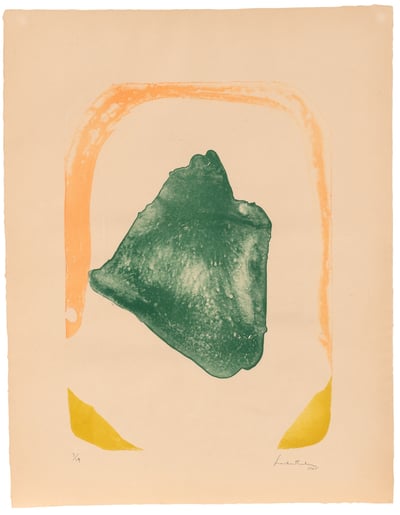
Helen Frankenthaler
Orange Hoop, 1965
Limited Edition Print
Lithograph
Currently Not Available

Frank Stella
Gran Cairo (from multicolored squares), 1970
Limited Edition Print
Lithograph
Currently Not Available

Alexander Calder
Papouse, 1969
Limited Edition Print
Lithograph
Currently Not Available

Alexander Calder
McGovern for Government, 1974
Limited Edition Print
Lithograph
USD 1,350

Alexander Calder
Clown, 1976
Limited Edition Print
Lithograph
USD 6,190
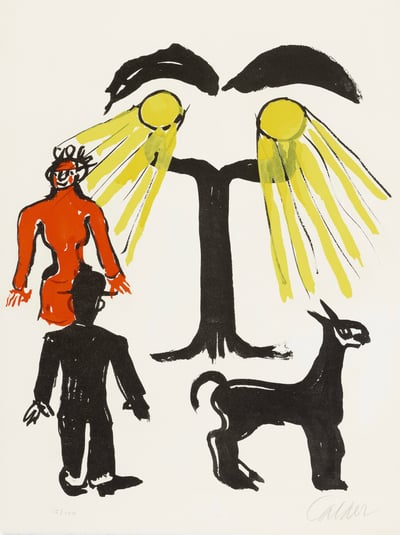
Alexander Calder
Cinema on Hommage a Man Ray, 1974
Limited Edition Print
Lithograph
USD 2,600
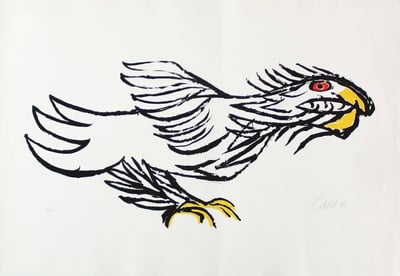
Alexander Calder
L'Aigle, 1973
Limited Edition Print
Lithograph
USD 4,450
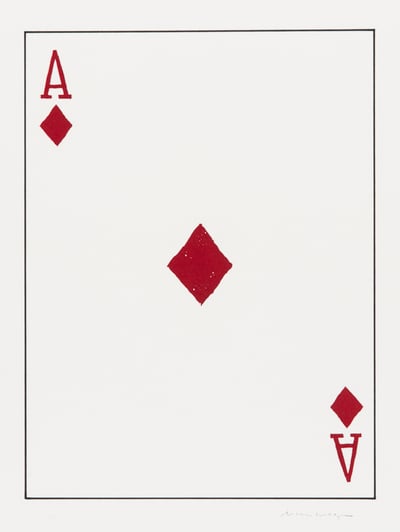
William Wegman
Ace of Diamonds, 1998
Limited Edition Print
Lithograph
Inquire For Price

Robert Rauschenberg
Pre-Morocco, 1983
Limited Edition Print
Lithograph
USD 2,750
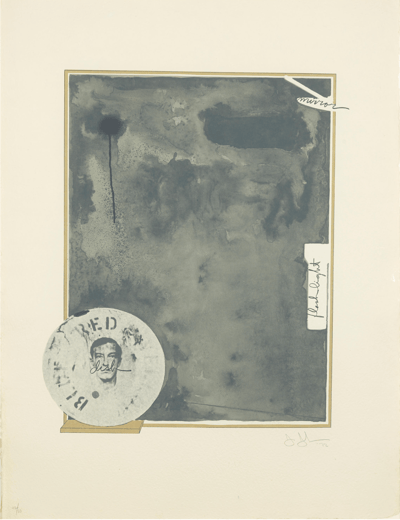
Jasper Johns
Souvenir I, 1972
Limited Edition Print
Lithograph
Inquire For Price

Jasper Johns
Zone, 1972
Limited Edition Print
Lithograph
Inquire For Price

Joan Miró
Untitled 3 from Maravillas con variaciones acrósticas , 1975
Limited Edition Print
Lithograph
USD 5,690
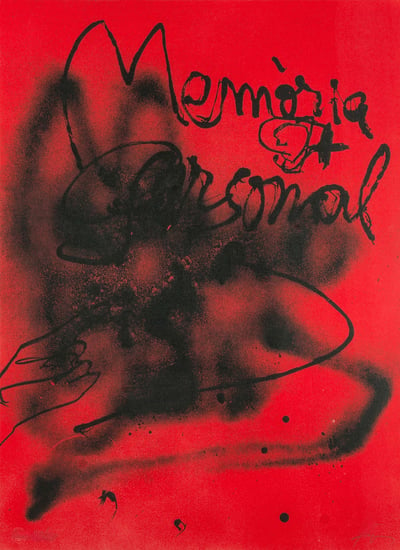
Antoni Tapies
Memoria Personal, 1988
Limited Edition Print
Lithograph
EUR 2,800
Related Articles


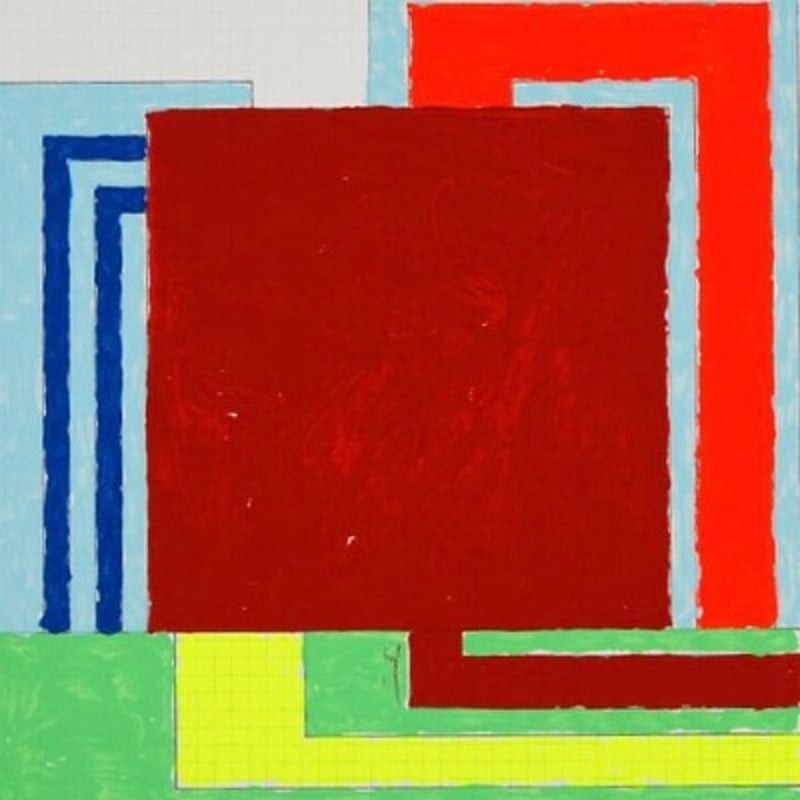
Known as Neo-Geo for short, this movement uses geometric objects and shapes to create abstract artwork as a metaphor for society. Inspired by various 20th-century art styles, including minimalism and pop art, Neo-Geo emerged in the 1980s as a response to the industrialization and commercialization of the modern world. The movement reflects on the impact of mass production, consumerism, and technology, often critiquing the superficiality of contemporary culture through its abstract, geometric compositions.

The Aesthetic Movement emerged in the late 19th century, emphasizing the beauty and sensual qualities of art over practical or moral considerations. It promoted the idea of creating art for its own sake, valuing beauty and aesthetic experience as ends in themselves. The movement was particularly influential in Britain.
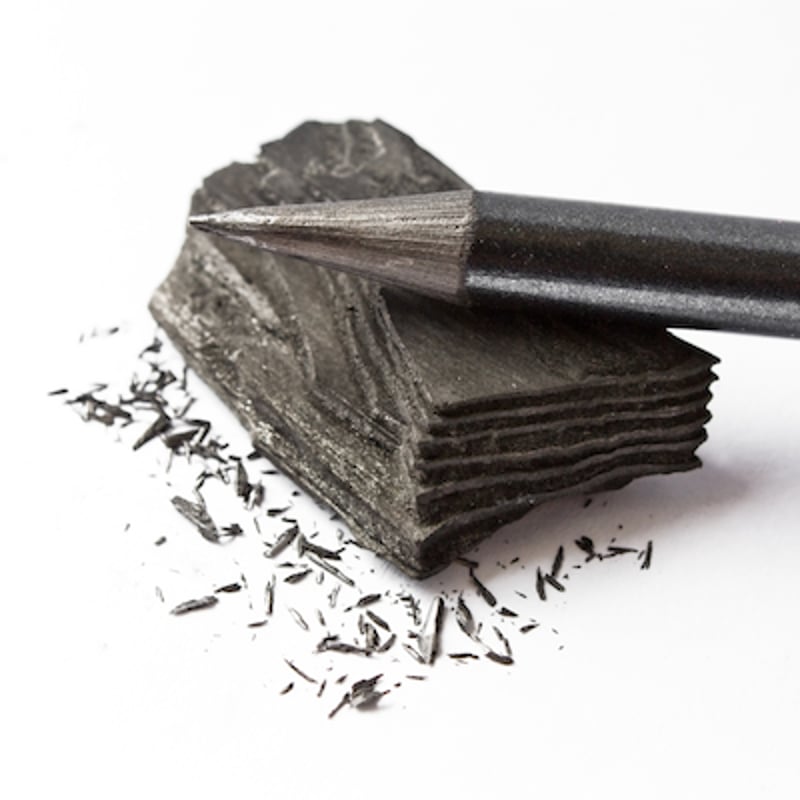
Graphite is a form of carbon commonly used as the core material in pencils. It can be compressed to various levels of hardness, allowing for different shading effects in drawing. In powdered form, graphite can be applied with a brush for broader, softer applications. Graphite erases easily and was first discovered in the 1500s in England's Lake District.
Can't find your Answer?
Thank you! Your question has been sent — we'll get back to you shortly.
