
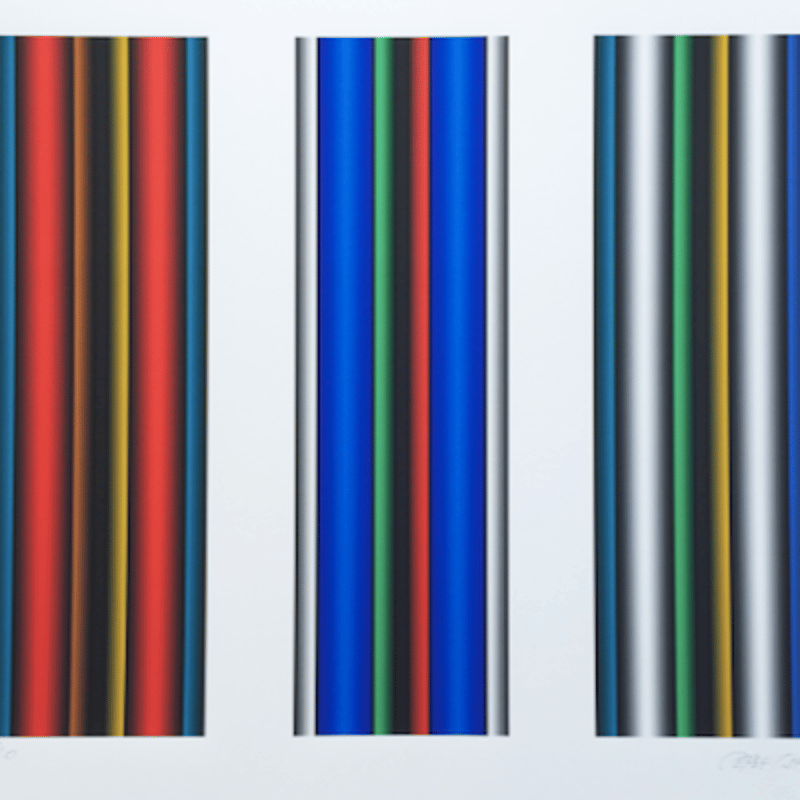
What is a Lithograph?
- Show All
- Established
- Discoveries
- Show All
Artworks Related to Lithograph
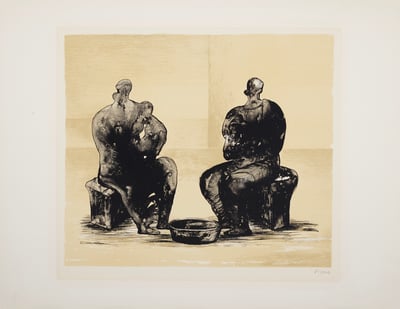
Henry Moore
Two Women Bathing Child II (C. 310), 1973
Limited Edition Print
Lithograph
USD 3,600
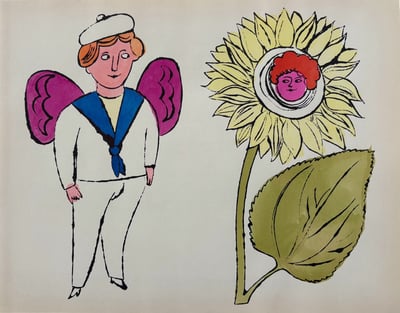
Andy Warhol
In The Bottom of my Garden IV.87A, CA. 1956
Limited Edition Print
Lithograph
EUR 6,600
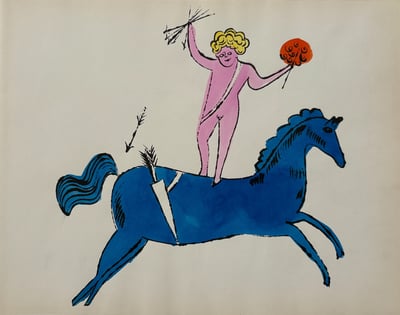
Andy Warhol
In The Bottom of my Garden IV.91A, CA.1956
Limited Edition Print
Lithograph
USD 6,600
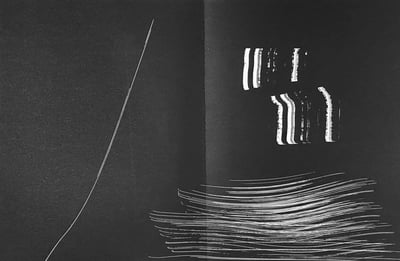
Hans Hartung
Lithograph X from Farandole, 1971
Limited Edition Print
Lithograph
USD 1,280
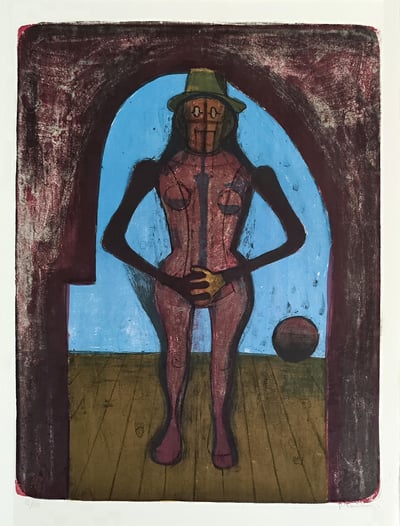
Rufino Tamayo
Femme au Collant Rose, 1969
Limited Edition Print
Lithograph
EUR 2,600
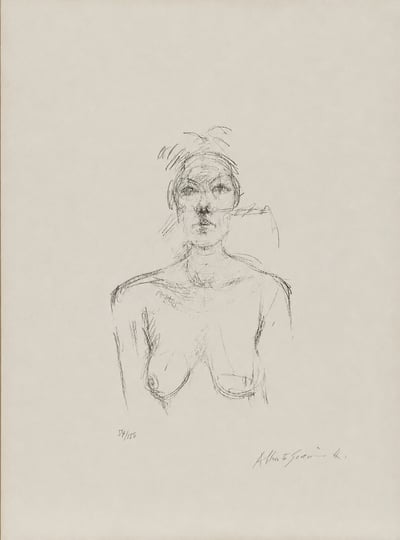
Alberto Giacometti
Buste II, 1960
Limited Edition Print
Lithograph
EUR 4,800
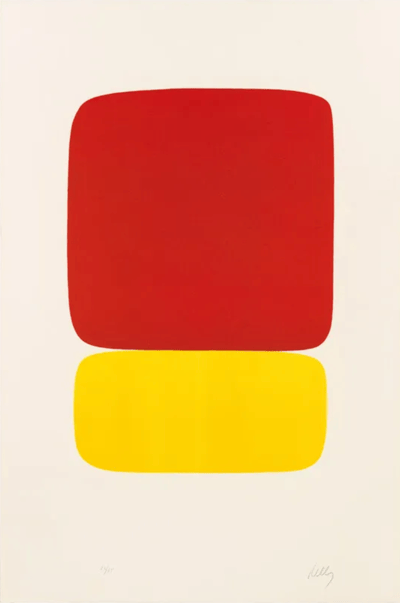
Ellsworth Kelly
Red Over Yellow, 1964-1965
Limited Edition Print
Lithograph
Inquire For Price
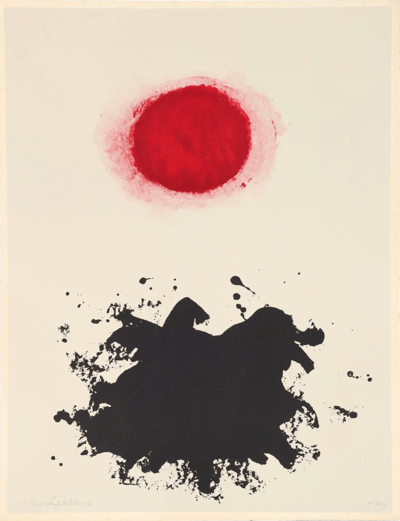
Adolph Gottlieb
Untitled (from the Flight portfolio), 1971
Limited Edition Print
Lithograph
Inquire For Price
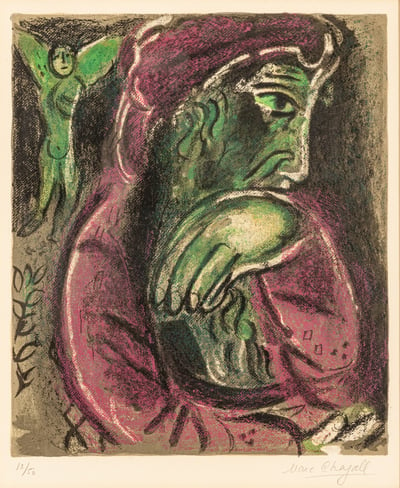
Marc Chagall
Job in Despair, 1960
Limited Edition Print
Lithograph
USD 5,300
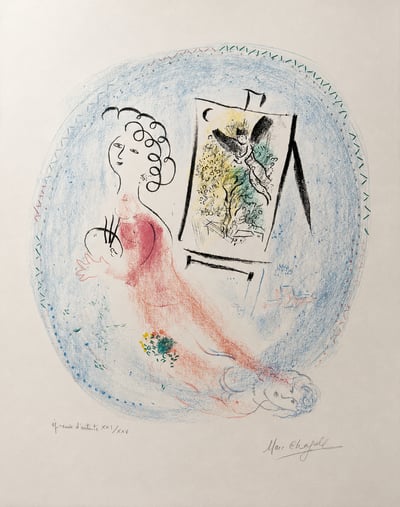
Marc Chagall
The Easel, 1969
Limited Edition Print
Lithograph
EUR 8,500
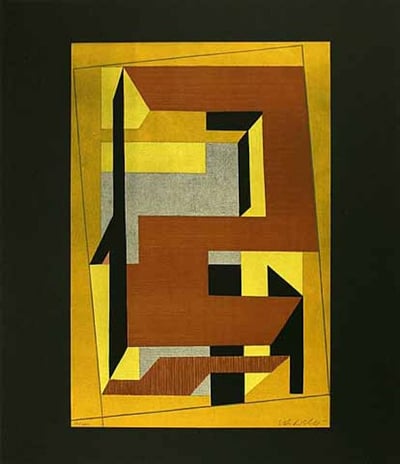
Victor Vasarely
Gordes Taira, 1971
Limited Edition Print
Lithograph
EUR 1,500
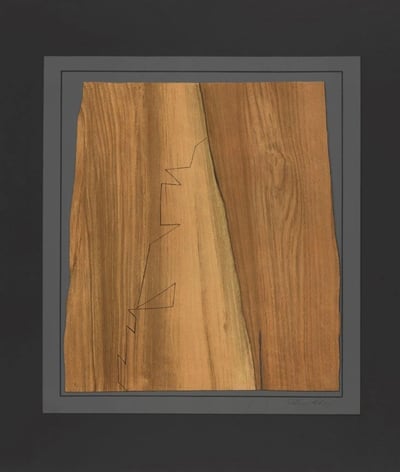
Victor Vasarely
Gordes Tabor, 1971
Limited Edition Print
Lithograph
EUR 1,400
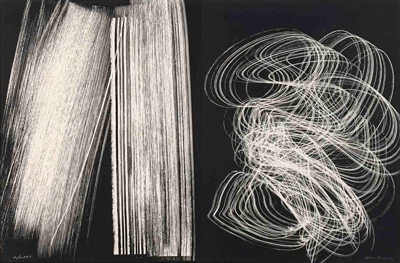
Hans Hartung
Farandole V, L-1970-5, 1970
Limited Edition Print
Lithograph
EUR 1,700
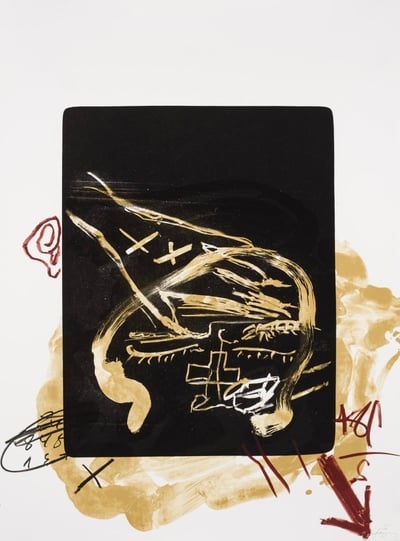
Antoni Tapies
Main sur tête, 1984
Limited Edition Print
Lithograph
EUR 3,800
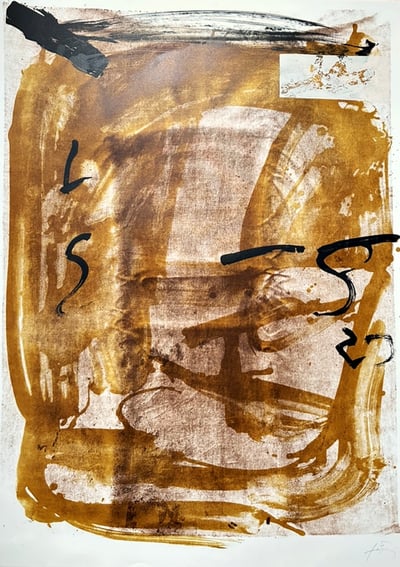
Antoni Tapies
Apparitions, 1984
Limited Edition Print
Lithograph
EUR 3,200
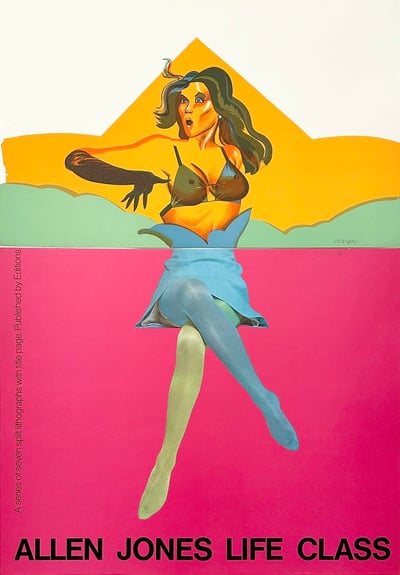
Allen Jones
Life Class, Title page, 1968
Limited Edition Print
Lithograph
EUR 2,300
Related Articles
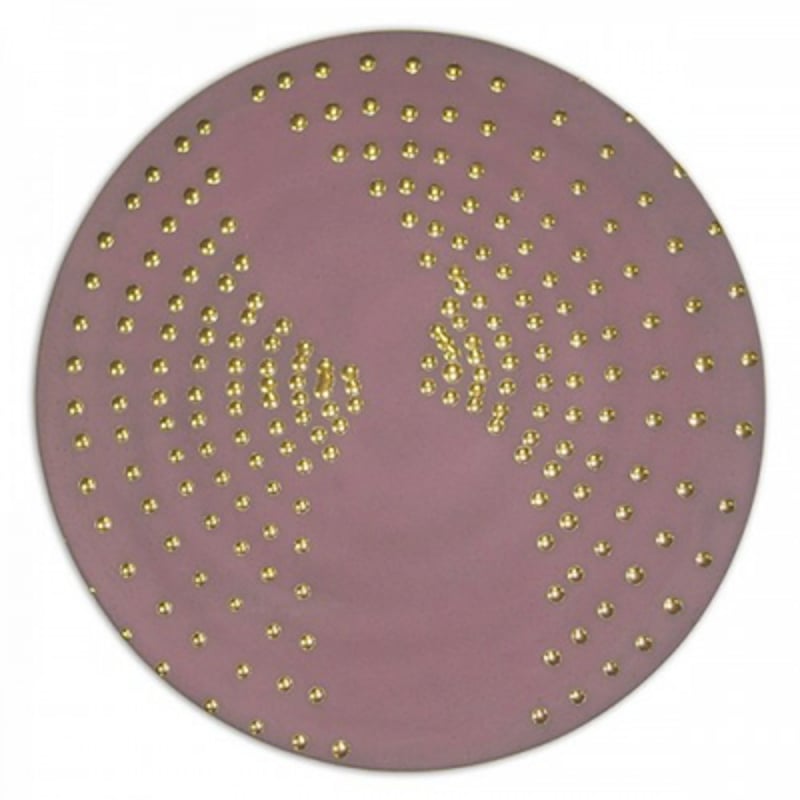
ZERO was an art movement founded by Otto Piene and Heinz Mack, aiming to develop into a large international and cross-border movement. The name ZERO originated from a magazine founded by Heinz Mack in 1957, which became a platform for the group's ideas. The magazine was published for several years before ceasing in 1967. The ZERO movement sought to create a new beginning in art, emphasizing light, space, and movement, and became influential in post-war European art.

Naïve art describes a style of artwork that is simple and unsophisticated, often created by artists without formal training in an academy or art school. The style is characterized by a lack of advanced techniques, giving it a childlike appearance. Naïve art often features bright colors, simple shapes, and a straightforward approach to subject matter, reflecting the artist's untrained perspective.

Mezzotint is a printmaking technique in which a copper or steel plate is roughened to produce a solid black print. The artist smooths specific areas of the plate to create a range of tones, from deep blacks to delicate grays and whites. By varying the degree of smoothing, the artist can achieve detailed gradations of light and shadow, resulting in prints with rich, velvety textures and subtle transitions between light and dark.
Can't find your Answer?
Thank you! Your question has been sent — we'll get back to you shortly.
