What is Naive Art?
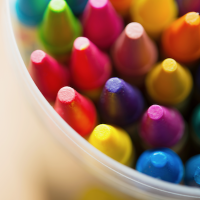
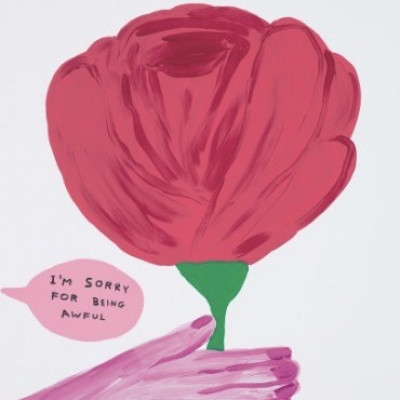
Naïve art describes a style of artwork that is simple and unsophisticated, often created by artists without formal training in an academy or art school. The style is characterized by a lack of advanced techniques, giving it a childlike appearance. Naïve art often features bright colors, simple shapes, and a straightforward approach to subject matter, reflecting the artist's untrained perspective.
- Show All
- Established
- Discoveries
ARTWORKS RELATED TO NAIVE ART

Pablo Picasso
Taureau sous l'arbre (Bull under the Tree), 1952
Ceramics
Ceramic
EUR 4,800

Pablo Picasso
Le Joueur de Diaule, 1966
Limited Edition Print
Etching and Aquatint
EUR 20,000

Pablo Picasso
Peintre et modèle au bandeau, 1966
Limited Edition Print
Etching and Aquatint
EUR 18,000

Pablo Picasso
Bethsabée, 1966
Limited Edition Print
Etching and Aquatint
EUR 22,350

David Shrigley
Vibes, 2018
Limited Edition Print
Offset Print
GBP 3,000 - 5,000

Nicolas Party
Untitled, Red Portrait, 2017
Painting
Watercolor
GBP 50,000 - 60,000

Nicolas Party
Untitled (portrait), 2014
Painting
Watercolor
GBP 23,000 - 29,900

Nicolas Party
Untitled (face), 2015
Painting
Watercolor
GBP 35,000 - 45,500

Nicolas Party
Untitled (cat), 2017
Painting
Watercolor
GBP 37,500 - 50,000

Yoshitomo Nara
Banging The Drum, 2020
Limited Edition Print
Offset Print
GBP 1,800

Jonas Wood
Bonsai, Banana and Bromelaid, 2020
Limited Edition Print
Screen-print
GBP 25,000 - 32,500

David Shrigley
Pretty Thoughts Inside Your Head, 2018
Limited Edition Print
Screen-print
Inquire For Price

Rose Wylie
Singing in the Rain, 2019
Limited Edition Print
Mixed Media
GBP 5,500 - 7,100

David Shrigley
Shut Up, 2018
Limited Edition Print
Screen-print
GBP 2,950 - 3,800

David Shrigley
It's Ok Not To Like It, 2022
Limited Edition Print
Screen-print
GBP 2,750 - 3,500

David Shrigley
Linocut (The Memory Is The First Thing To Go), 2022
Limited Edition Print
Linocut
GBP 1,600
Related Articles

Collecting - March 21, 2024
Building a Thematic Art Collection: A Guide to Curated Artistry
Learn to build a thematic art collection that reflects your passion. Discover tips for curating, acquiring, and displaying art with a personal touch. Read More

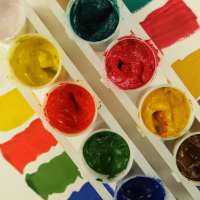
Gouache is an opaque watercolor paint that allows artists to layer from light to dark. Unlike traditional transparent watercolors, gouache is used for creating solid, vibrant colors. It belongs to the water-media category and is made of pigment, a binding agent, and an inert material, specifically designed for opaque painting.
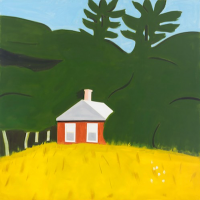
A pigment print is a type of print that uses ink colored with pigment particles. Pigment ink is commonly used in inkjet printing because it is more durable and resistant to fading compared to dye-based ink, which is more vibrant but less stable over time.