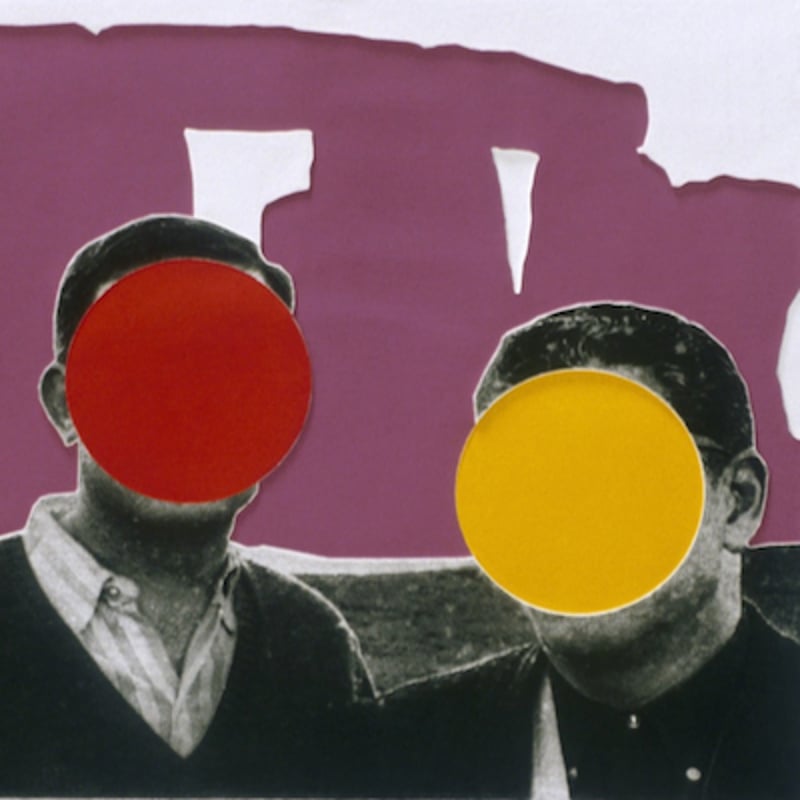
What is conceptual art?
- Show All
- Established
- Discoveries
- Show All
Artworks Related to Conceptual art
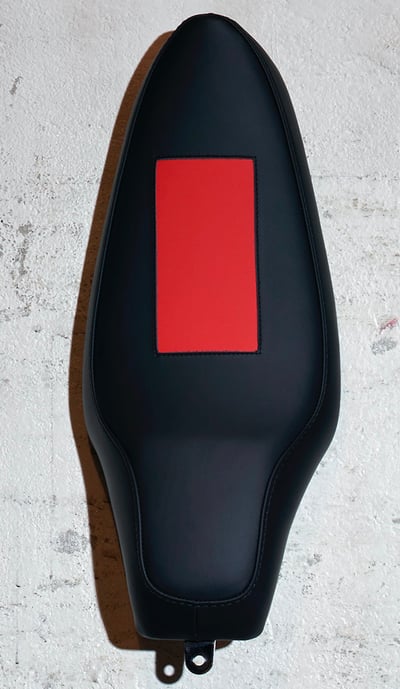
Olivier Mosset
Banana saddle ( red ), 2019
Sculpture / Object
Mixed Media
EUR 3,500
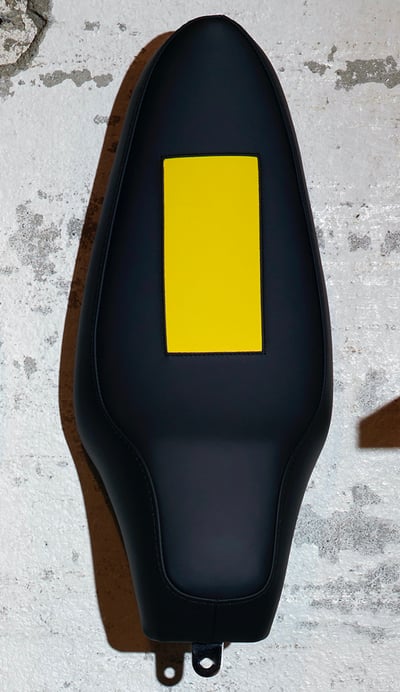
Olivier Mosset
Banana saddle (yellow), 2019
Sculpture / Object
Mixed Media
EUR 3,500
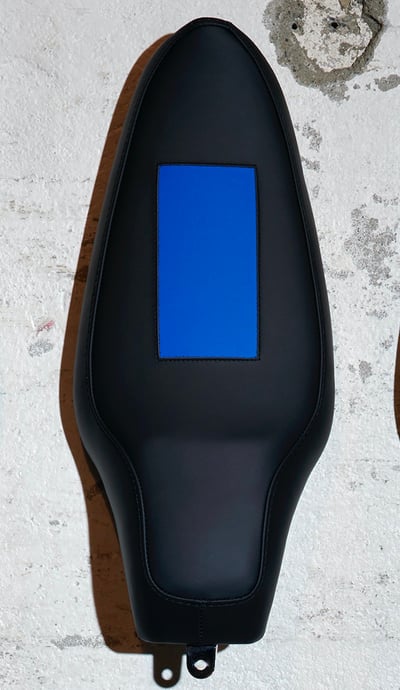
Olivier Mosset
Banana saddle (blue), 2019
Sculpture / Object
Mixed Media
EUR 3,500

Olivier Mosset
Untitled (Solo & Pillon saddle), 2019
Sculpture / Object
Mixed Media
EUR 3,500
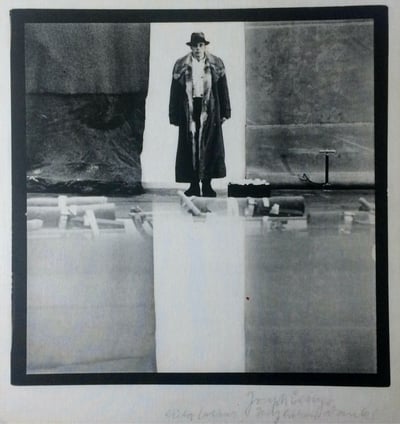
Joseph Beuys
Beuys for Lothar, 1973
Photography
Photograph
EUR 5,500

Robert Therrien
Untitled (Doors), 1996
Limited Edition Print
Aquatint
Currently Not Available
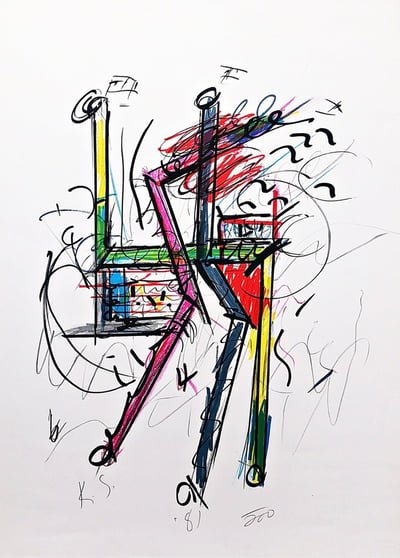
Keith Sonnier
Untitled, 1981
Limited Edition Print
Lithograph
Currently Not Available
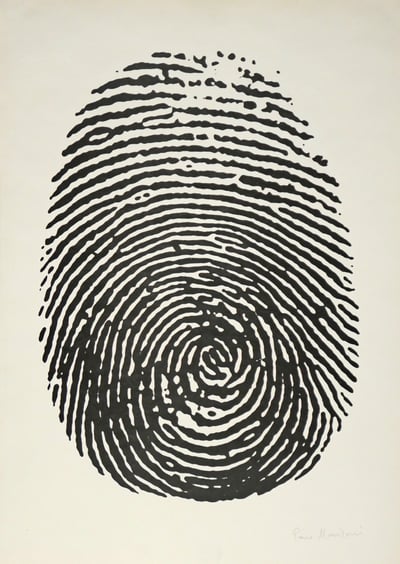
Piero Manzoni
Impronta del pollice sinistro, 1960
Limited Edition Print
Lithograph
Currently Not Available
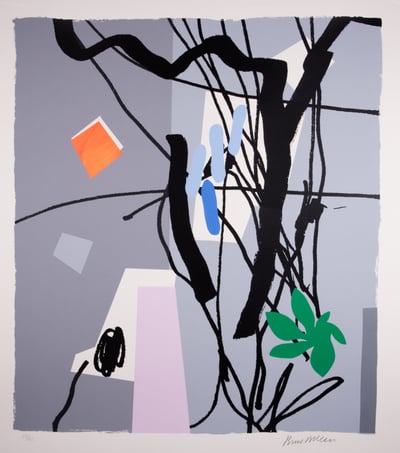
Bruce McLean
Shades of Grey - Light Blue, 2017
Limited Edition Print
Screen-print
Currently Not Available

Sherrie Levine
Barcham Green Portfolio No. 5, 1986
Limited Edition Print
Photogravure
Currently Not Available
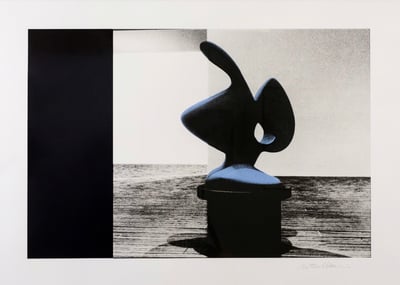
Bertrand Lavier
Walt Disney Productions 1947-2008, II, 2008
Limited Edition Print
Lithograph
Currently Not Available

Anne Collier
Double exposure, 2011
Photography
C-Print
Currently Not Available
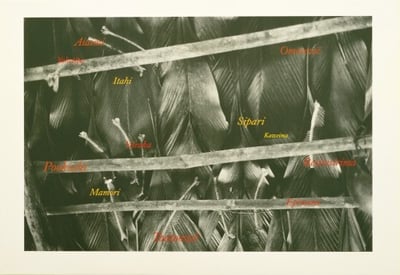
Lothar Baumgarten
Untitled (Fish), 1985
Limited Edition Print
Screen-print
Currently Not Available
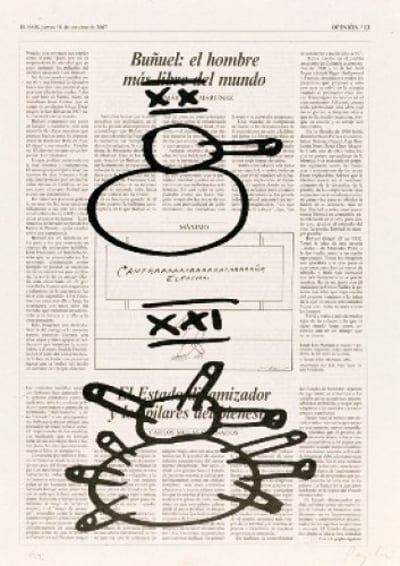
Dan Perjovschi
El País, 2007
Limited Edition Print
Lithograph
EUR 500
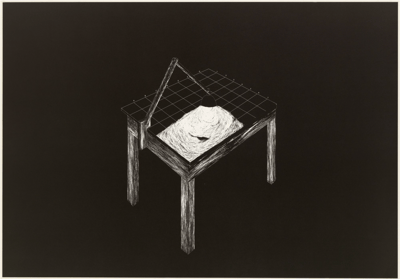
André Komatsu
Desapropriaçâo 1, 2011
Limited Edition Print
Lithograph
EUR 700
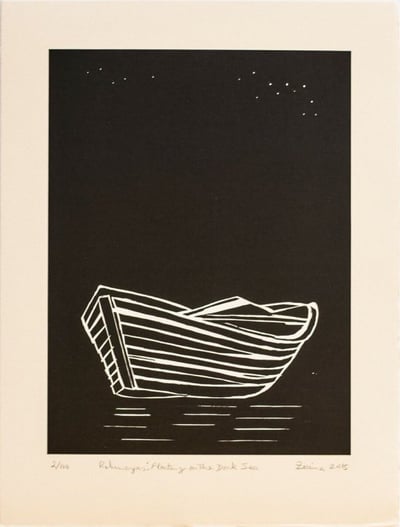
Zarina Hashmi
Rohingyas: Floating On The Dark Sea, 2015
Limited Edition Print
Woodcut
Currently Not Available
Related Articles



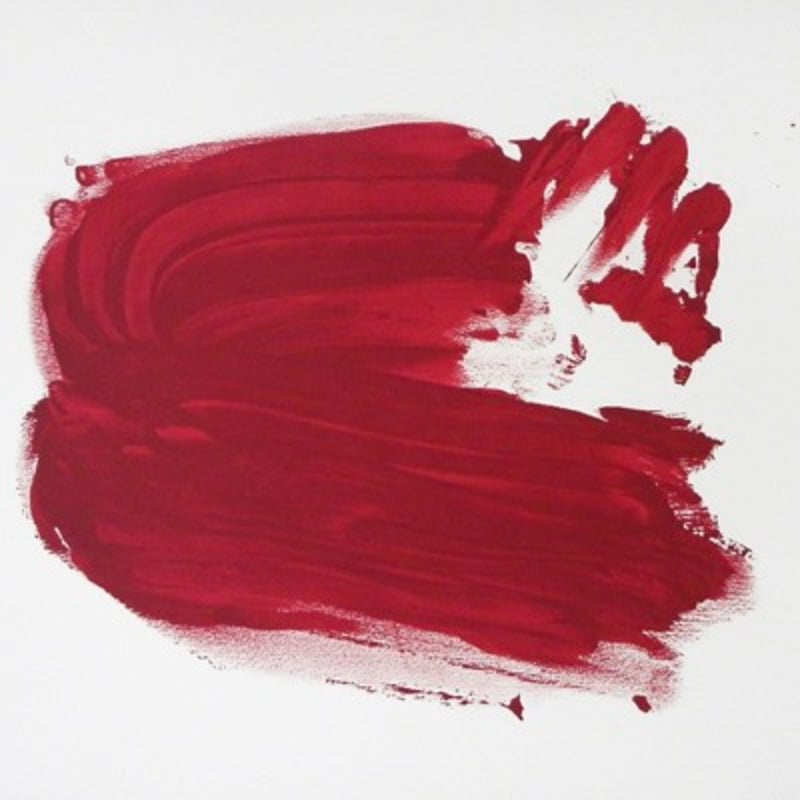
Dau Al Set was an artistic movement that sought to express both the conscious and unconscious mind through art. Initially an offshoot of Surrealism, it evolved into a distinct movement over time. Founded in Catalonia post-World War II, Dau Al Set was the first artistic movement in the region after the war. The name Dau Al Set translates to the seventh face of the dice in Catalan, symbolizing the movement's unique and unconventional character.
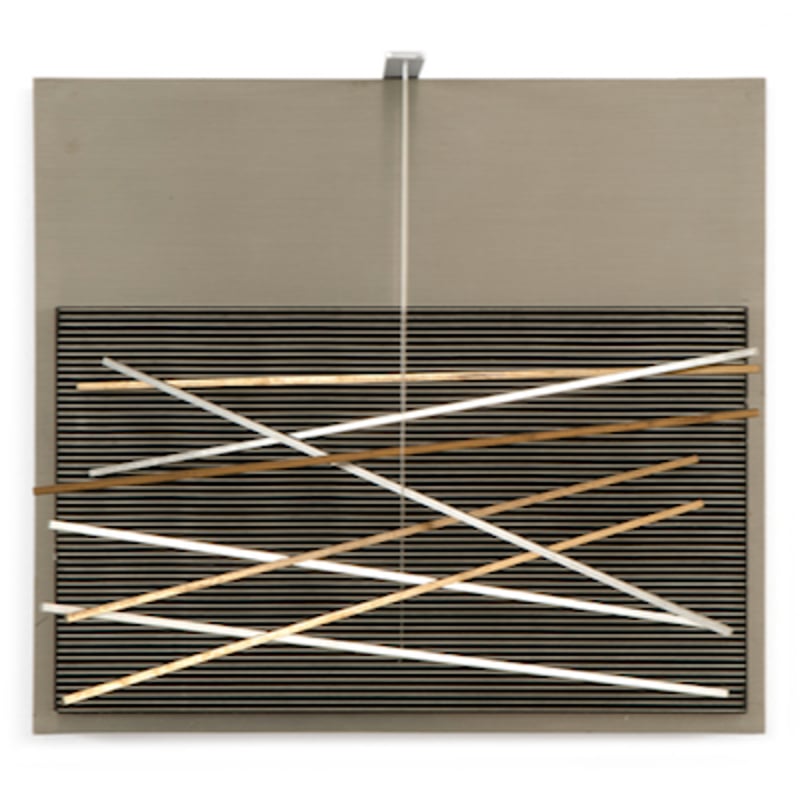
Kinetic art is an international movement that emerged in the 1920s and gained prominence in the 1960s, referring to art that involves both apparent and real motion. It encompasses any medium that includes movement, either relying on actual motion for its effect or being perceived as moving by the viewer. Early examples include canvas paintings designed to create optical illusions of movement. Today, kinetic art often refers to three-dimensional figures and sculptures, such as those operated by machines or those that move naturally. The movement covers a variety of styles and techniques that frequently overlap.

A C-type print, also known as a chromogenic print, is a photographic print made from a color negative or slide. The print is created on chromogenic paper, which contains three emulsion layers, each sensitized to a different primary color. After exposure, the paper is processed in a series of chemical baths, where each layer reacts to the chemicals to produce the final image. C-type prints are known for their rich color depth and are widely used in fine art and commercial photography.
Can't find your Answer?
Thank you! Your question has been sent — we'll get back to you shortly.
