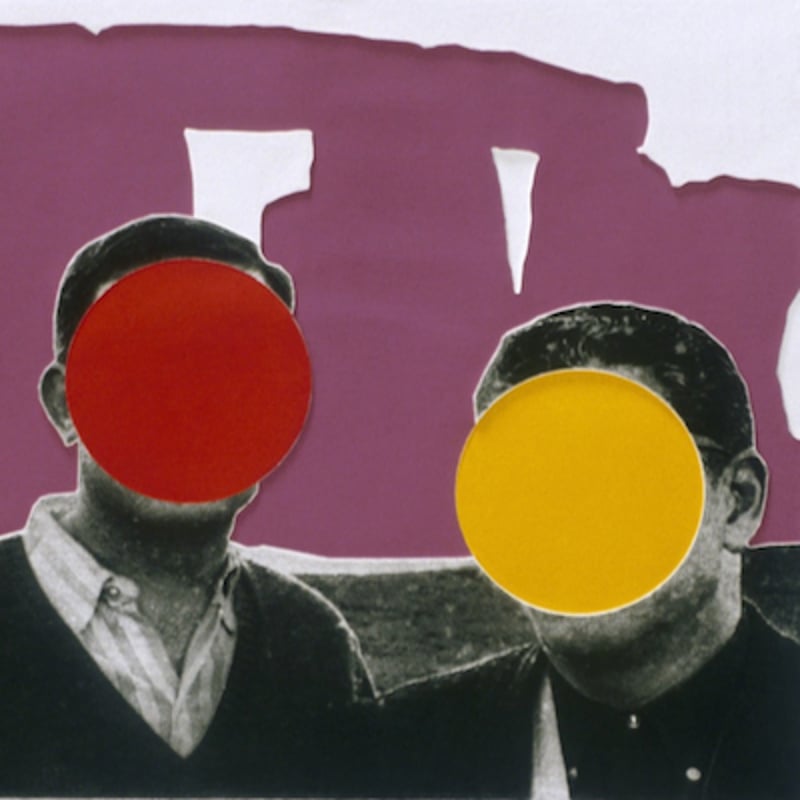
What is conceptual art?
- Show All
- Established
- Discoveries
- Show All
Artworks Related to Conceptual art
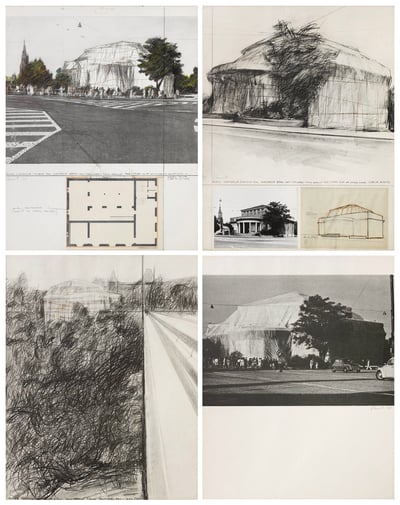
Javacheff Christo
Kunsthalle Bern, 1972
Limited Edition Print
Mixed Media
EUR 18,000
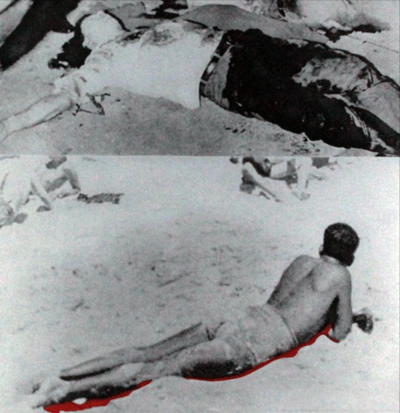
John Baldessari
Two Figures (One with Shadow), 1986
Limited Edition Print
Etching and Aquatint
Currently Not Available
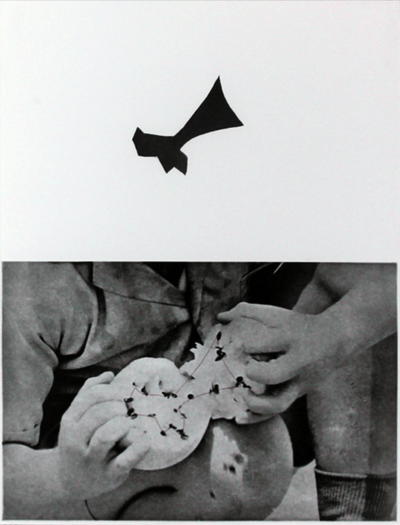
John Baldessari
Seeds, 1986
Limited Edition Print
Etching and Aquatint
USD 2,250
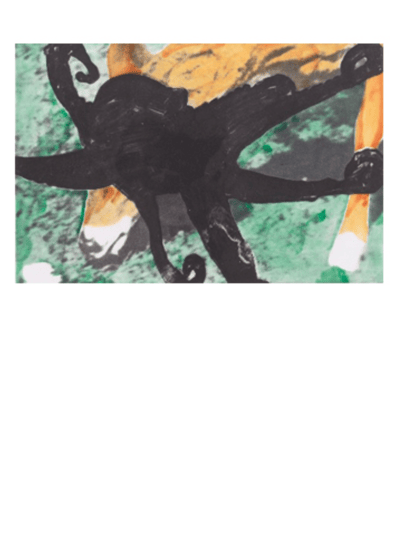
John Baldessari
Deer and Octopus, 1986
Limited Edition Print
Etching and Aquatint
USD 2,250
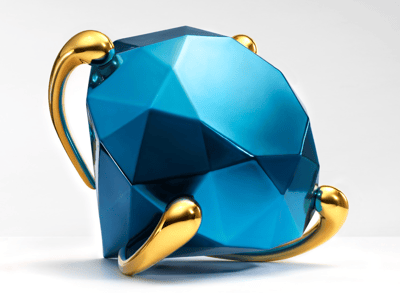
Jeff Koons
Diamond (Blue), 2023
Sculpture / Object
Porcelain
USD 16,500

Weiwei Ai
Glass Vase, 2023
Sculpture / Object
Glass
GBP 4,000 - 7,000
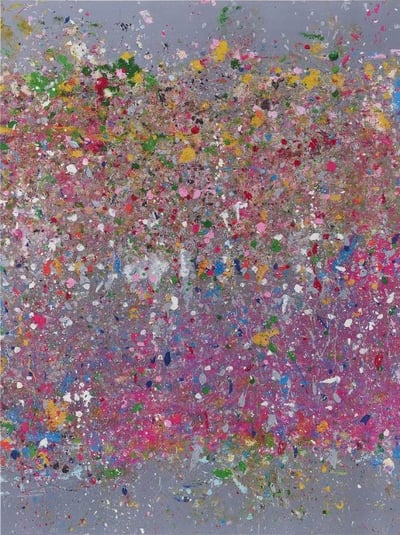
Damien Hirst
H13-4 Studland Bay (from Where the Land Meets the Sea), 2023
Limited Edition Print
Giclée printing
GBP 5,700
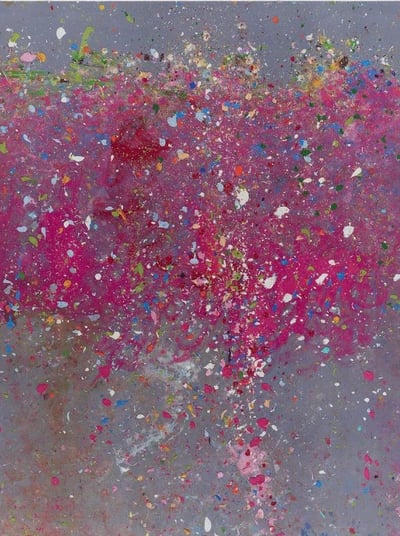
Damien Hirst
H13-3 Kynance Cove (from Where the Land Meets the Sea), 2023
Limited Edition Print
Giclée printing
GBP 5,400
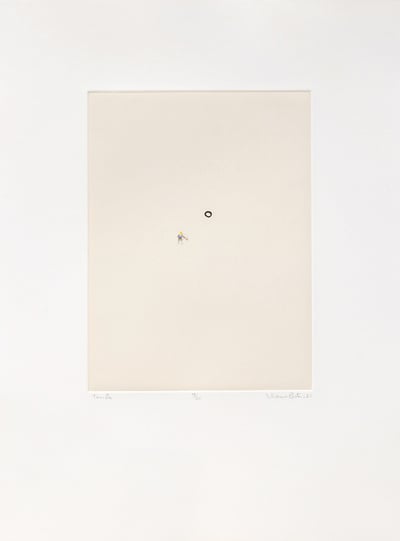
Liliana Porter
Tenista, 2021
Limited Edition Print
Collage
EUR 1,800
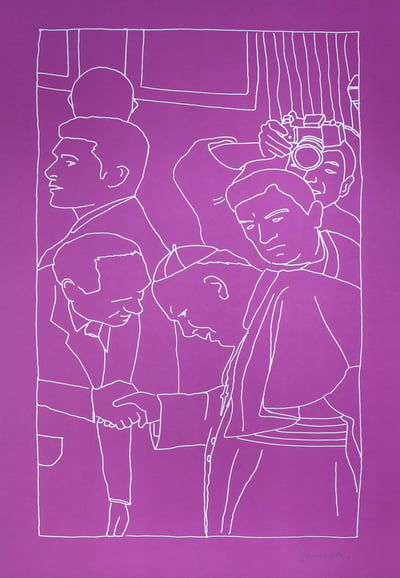
Antoni Muntadas
B+P, 2003
Limited Edition Print
Lithograph
EUR 1,200
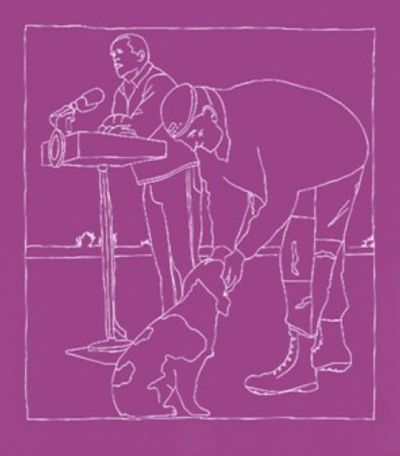
Antoni Muntadas
B+G+D, 2003
Limited Edition Print
Lithograph
EUR 1,200
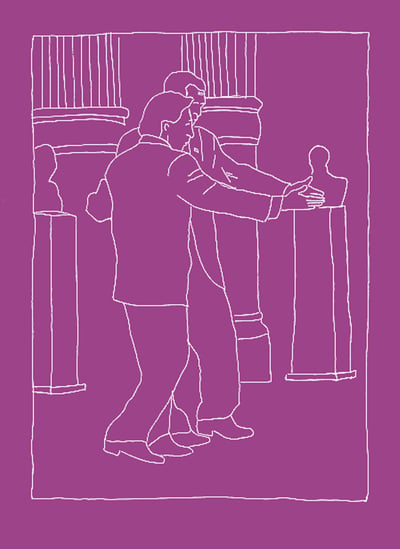
Antoni Muntadas
B+T, 2003
Limited Edition Print
Lithograph
EUR 1,200
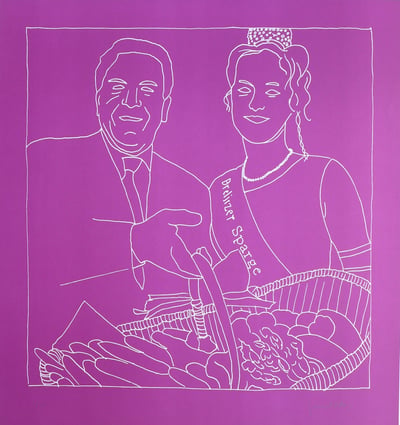
Antoni Muntadas
S+M, 2003
Limited Edition Print
Lithograph
EUR 1,200
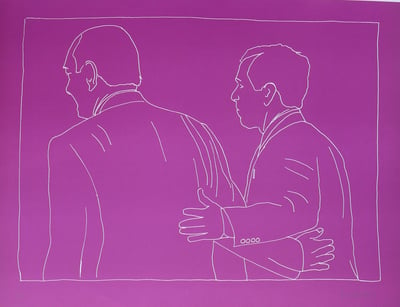
Antoni Muntadas
CH+B, 2003
Limited Edition Print
Lithograph
EUR 1,200
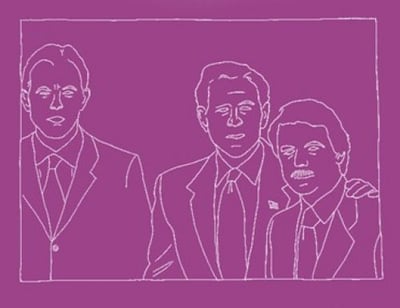
Antoni Muntadas
B+B+A, 2003
Limited Edition Print
Lithograph
EUR 1,200
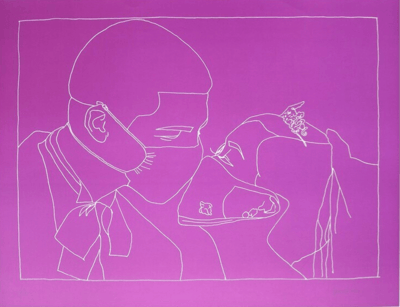
Antoni Muntadas
Duo, 2003
Limited Edition Print
Lithograph
EUR 1,200
Related Articles



Comic strip art refers to artwork that utilizes the subject matter and commercial printing techniques found in comic strips. In the 1960s, a group of artists began creating paintings that incorporated Ben-Day dots—commonly used in comics and advertising—to produce highly graphic designs in bright colors, using traditional art media.

Mezzotint is a printmaking technique in which a copper or steel plate is roughened to produce a solid black print. The artist smooths specific areas of the plate to create a range of tones, from deep blacks to delicate grays and whites. By varying the degree of smoothing, the artist can achieve detailed gradations of light and shadow, resulting in prints with rich, velvety textures and subtle transitions between light and dark.
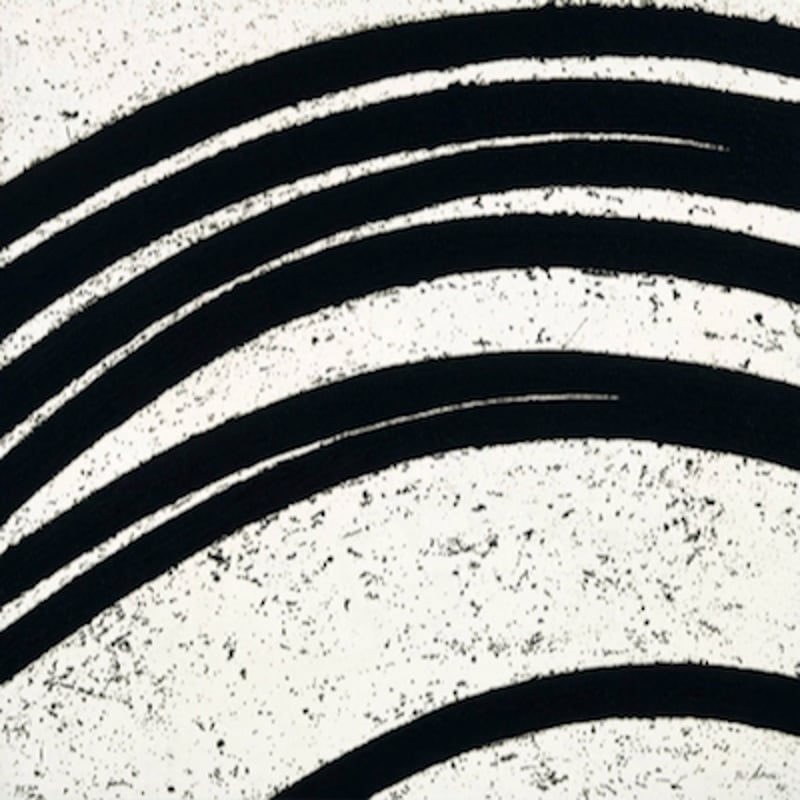
Postminimalism refers to a range of art styles that emerged in the 1960s, following the Minimalism movement. While Minimalism focused on simplicity and impersonality, Postminimalist artists retained some elements of Minimalism but also explored greater expressiveness, experimenting with new materials and techniques. This movement includes various forms of art such as conceptual art, body art, performance art, process art, and site-specific works. Postminimalism represents a shift toward more personal, tactile, and process-oriented approaches to art-making.
Can't find your Answer?
Thank you! Your question has been sent — we'll get back to you shortly.
