What is conceptual art?
- Show All
- Established
- Discoveries
- Show All
Artworks Related to Conceptual art

Cristina Iglesias
Habitación XI (b&w), 2002
Limited Edition Print
Silkscreen
EUR 3,950
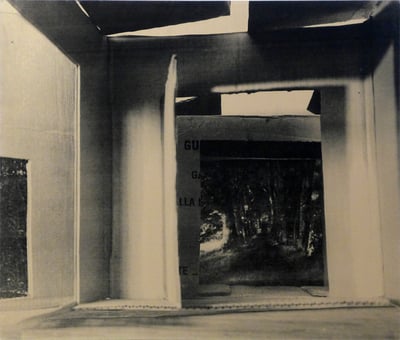
Cristina Iglesias
Habitación XII, 2002
Limited Edition Print
Silkscreen
EUR 3,950

Dirk Braeckman
Self-portrait, 1989
Photography
Photograph
Artwork On Hold
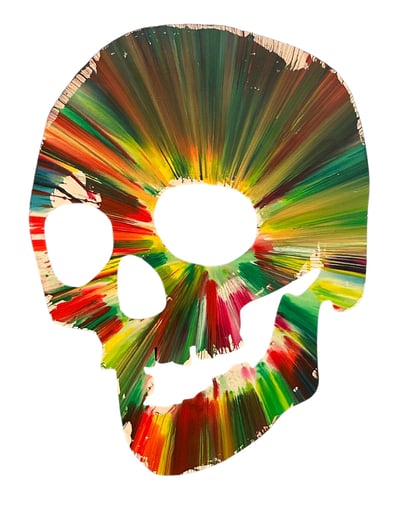
Damien Hirst
Skull Spin Painting, 2009
Painting
Acrylic on paper
EUR 11,900
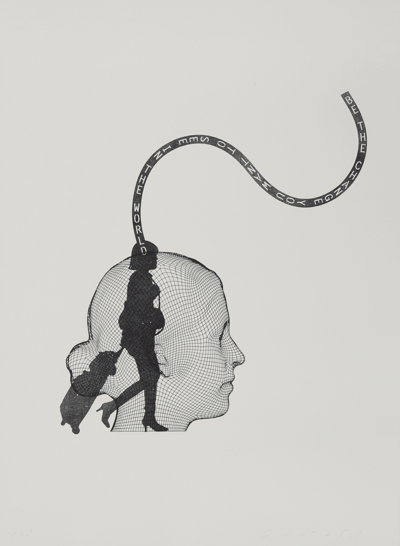
Jaume Plensa
Be the change you want to see in the world, 2022
Limited Edition Print
Relief printing
Inquire For Price

Mel Bochner
Untitled (Four X Four X Four), 1990
Limited Edition Print
Screen-print
USD 1,450

John Baldessari
Falling Star, 1989-90
Limited Edition Print
Mixed Media
Inquire For Price
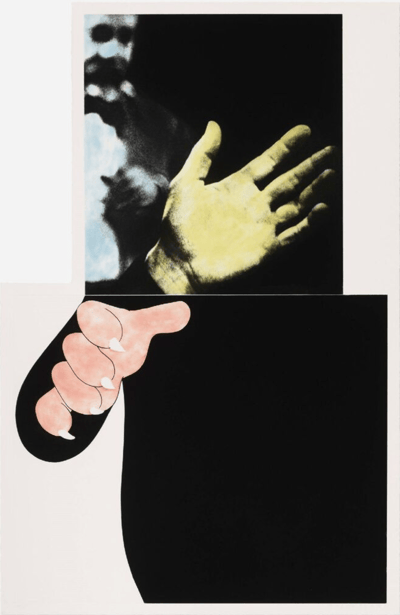
John Baldessari
Two Hands (With Distant Figure), 1989-1990
Limited Edition Print
Mixed Media
USD 5,500
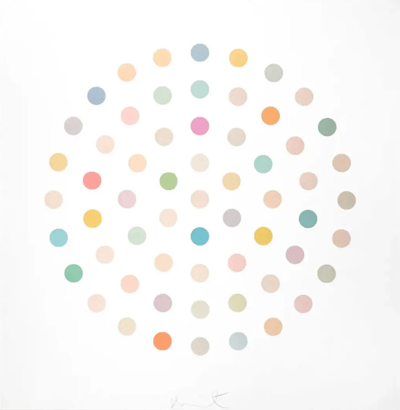
Damien Hirst
Ciclopirox Olamine, 2004
Limited Edition Print
Etching
Currently Not Available
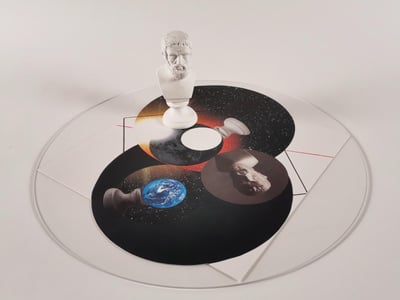
Giulio Paolini
Elea, 2009
Sculpture / Object
Assemblage
EUR 2,300
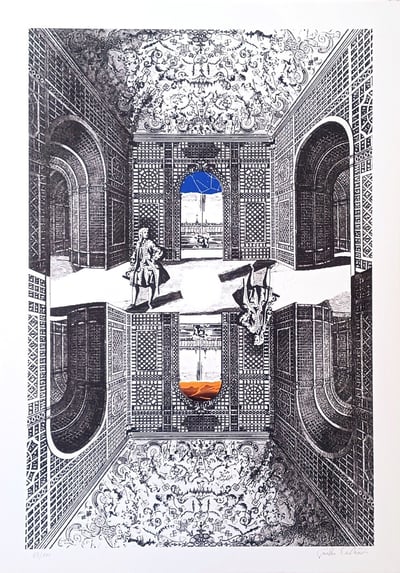
Giulio Paolini
Signore e Signori…, 1988
Limited Edition Print
Silkscreen
EUR 1,250

Michelangelo Pistoletto
Alter Ego, 1984
Limited Edition Print
Screen-print
EUR 1,050

Louise Lawler
Twice Untitled (Traced and Painted), 2019
Drawing / Watercolor
Mixed Media
GBP 6,020

Louise Lawler
Pollyanna (adjusted to fit, distorted for the times, more), 2018
Photography
Digital Print on paper
GBP 1,225

Damien Hirst
The Currency Unique Print H11-46, 2022
Limited Edition Print
Giclée printing
GBP 5,525
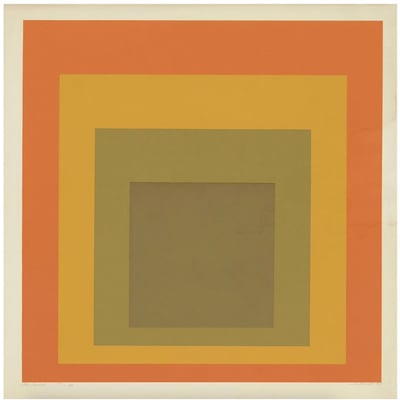
Josef Albers
Concord (From Dei Oberflache), 1965
Limited Edition Print
Screen-print
Currently Not Available
Related Articles

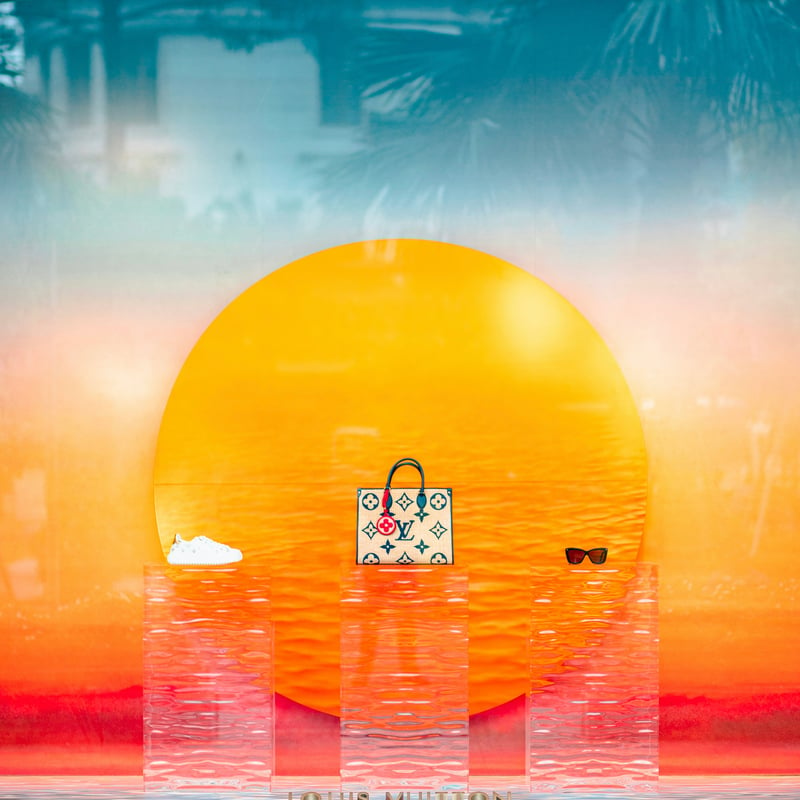


A Catalogue Raisonné is an annotated and comprehensive listing of all the known works of an artist. It includes detailed information that helps to identify and authenticate the artist's output across all media or within a specific medium. Typical details in a catalogue raisonné include the title, dimensions, date, medium, and current location of each work. This resource is essential for scholars, collectors, and art historians in tracking and verifying the complete body of work by an artist.

Space Art is an artistic genre that depicts the cosmic elements of the universe, including celestial bodies, interstellar space, and space exploration. It began in 1865 with the first science-based illustrations by A. de Neuville and Emile Bayard in Jules Verne’s novel From the Earth to the Moon. Space Art has since evolved to include various forms of visual art inspired by astronomical discoveries and the human imagination, playing a key role in visualizing the wonders of space.
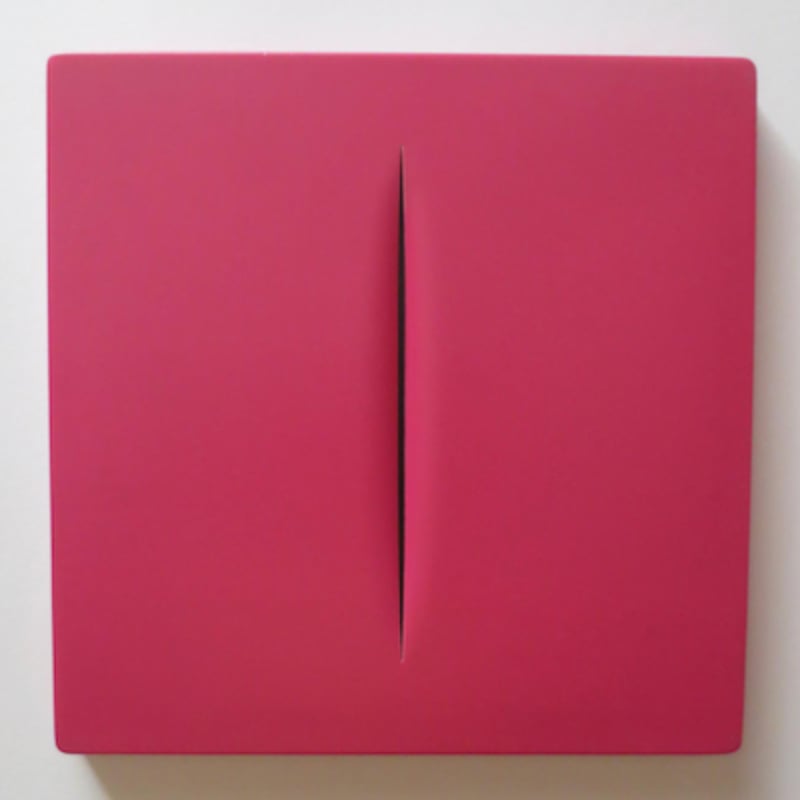
Spatialism is an art movement that originated in Italy in 1947, founded by Lucio Fontana with the intention of synthesizing sound, color, movement, and space into a new form of art. The movement's central ideas were outlined in Fontana's first manifesto, published in 1947, where he introduced the concept of spatial art to capture the spirit of the post-war era. His ideas were further developed in five subsequent manifestos. Although Fontana's ideas were sometimes considered vague, his influence was significant, as he was one of the first European artists to emphasize art as a performance and gesture.
Can't find your Answer?
Thank you! Your question has been sent — we'll get back to you shortly.
