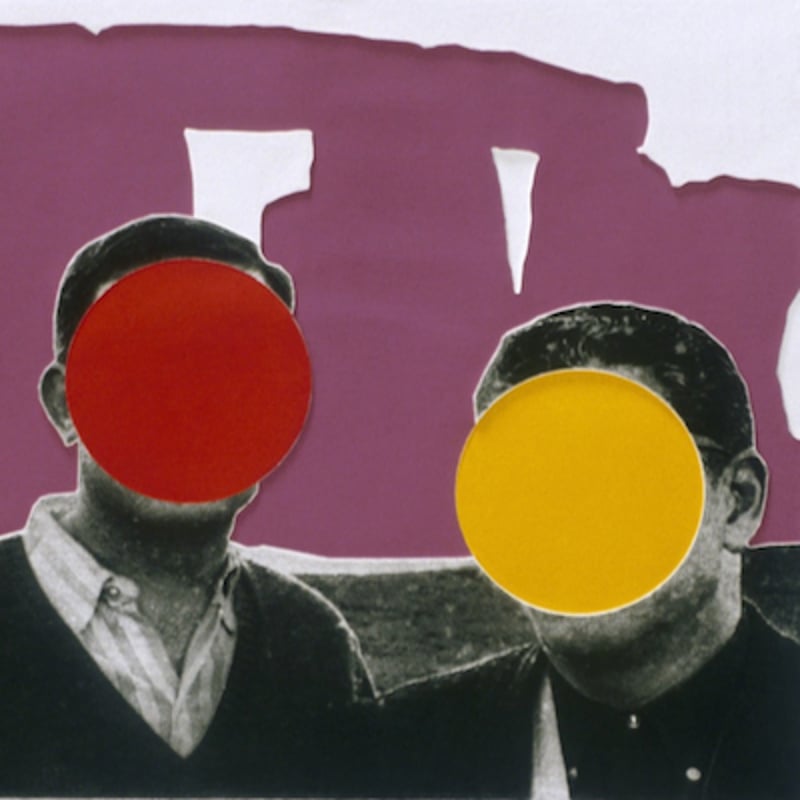
What is conceptual art?
- Show All
- Established
- Discoveries
- Show All
Artworks Related to Conceptual art

Ed Ruscha
Cash for Tolls 1 (from Rusty Signs), 2014
Limited Edition Print
Mixed Media
USD 20,000 - 25,000

Ed Ruscha
Cash for Tolls 2 (from Rusty Signs), 2014
Limited Edition Print
Mixed Media
USD 20,000 - 25,000
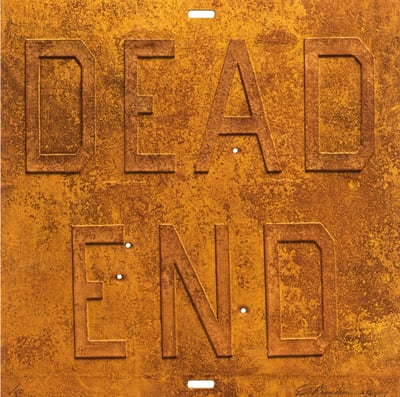
Ed Ruscha
Dead End II (from Rusty Signs), 2014
Limited Edition Print
Mixed Media
USD 20,000 - 25,000
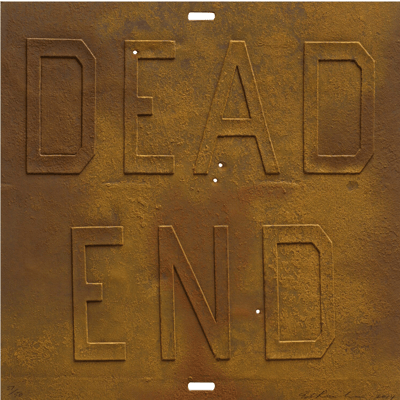
Ed Ruscha
Dead End III (from Rusty Signs), 2014
Limited Edition Print
Mixed Media
USD 20,000 - 25,000
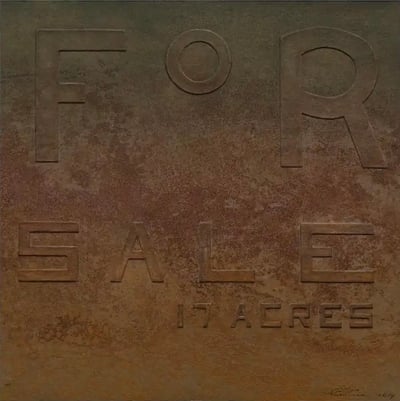
Ed Ruscha
For Sale 17 Acres (from Rusty Signs), 2014
Limited Edition Print
Mixed Media
USD 20,000 - 25,000
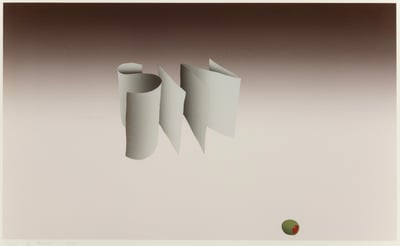
Ed Ruscha
Sin, 1970
Limited Edition Print
Lithograph
USD 20,000 - 30,000
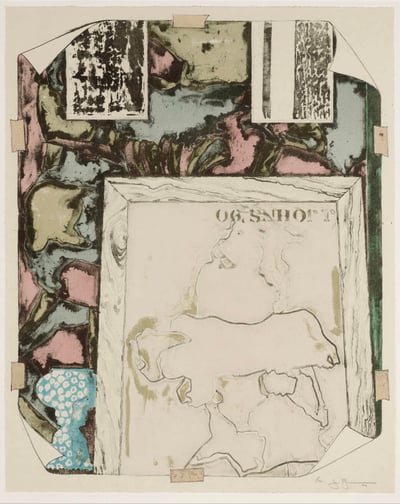
Jasper Johns
Untitled (Faded Impressions), 1992
Limited Edition Print
Lithograph
Inquire For Price
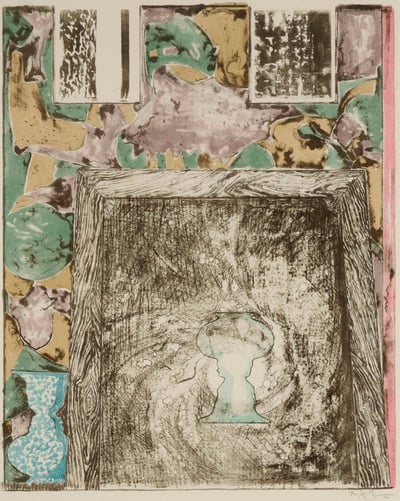
Jasper Johns
Untitled (Shattered Vessel), 1992
Limited Edition Print
Lithograph
Inquire For Price
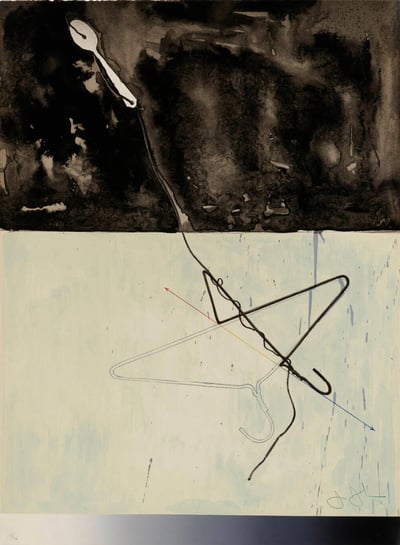
Jasper Johns
Coathanger and Spoon, 1971
Limited Edition Print
Lithograph
Inquire For Price
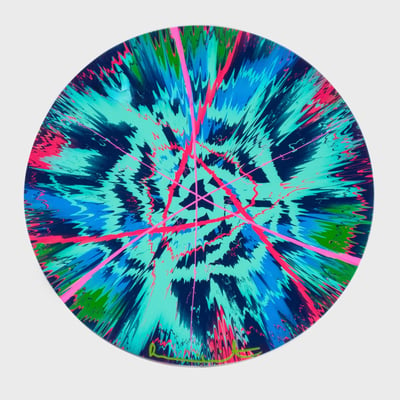
Damien Hirst
H12-3 (Medium), 2023
Limited Edition Print
Giclée printing
GBP 6,500
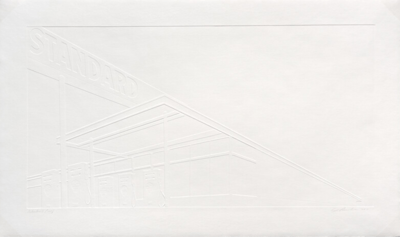
Ed Ruscha
Ghost Station, 2011
Limited Edition Print
Relief printing
Currently Not Available

Ed Ruscha
Sponge Puddle, 2015
Limited Edition Print
Lithograph
USD 42,000 - 50,000
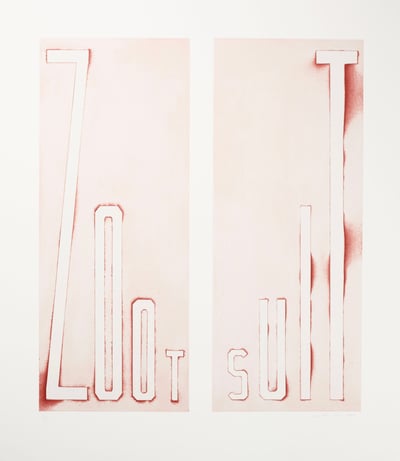
Ed Ruscha
Zoot Suit, 2014
Limited Edition Print
Etching
USD 15,500
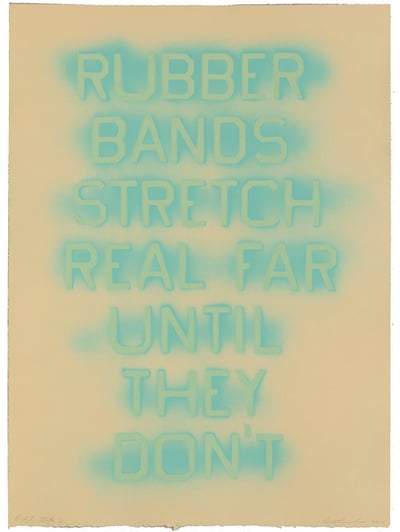
Ed Ruscha
Rubber Bands (State II), 2017
Limited Edition Print
Lithograph
USD 14,300

Ed Ruscha
Wen Out For Cigrets N Never Came Back, 2017
Sculpture / Object
Bronze
USD 150,000 - 170,000

Ed Ruscha
Mysteries, 2021
Limited Edition Print
Lithograph
USD 50,000 - 60,000
Related Articles



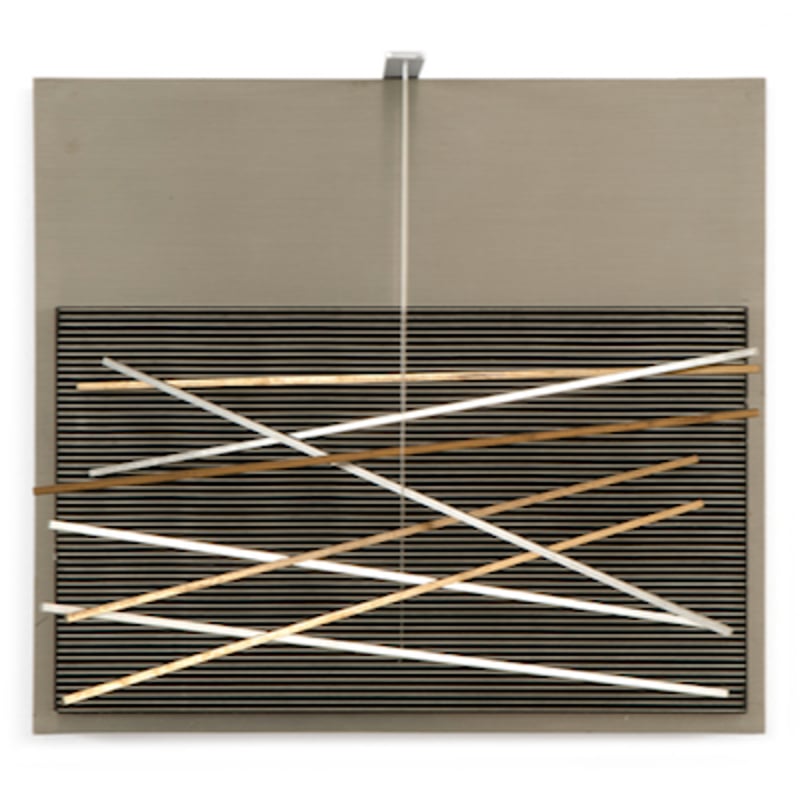
Kinetic art is an international movement that emerged in the 1920s and gained prominence in the 1960s, referring to art that involves both apparent and real motion. It encompasses any medium that includes movement, either relying on actual motion for its effect or being perceived as moving by the viewer. Early examples include canvas paintings designed to create optical illusions of movement. Today, kinetic art often refers to three-dimensional figures and sculptures, such as those operated by machines or those that move naturally. The movement covers a variety of styles and techniques that frequently overlap.
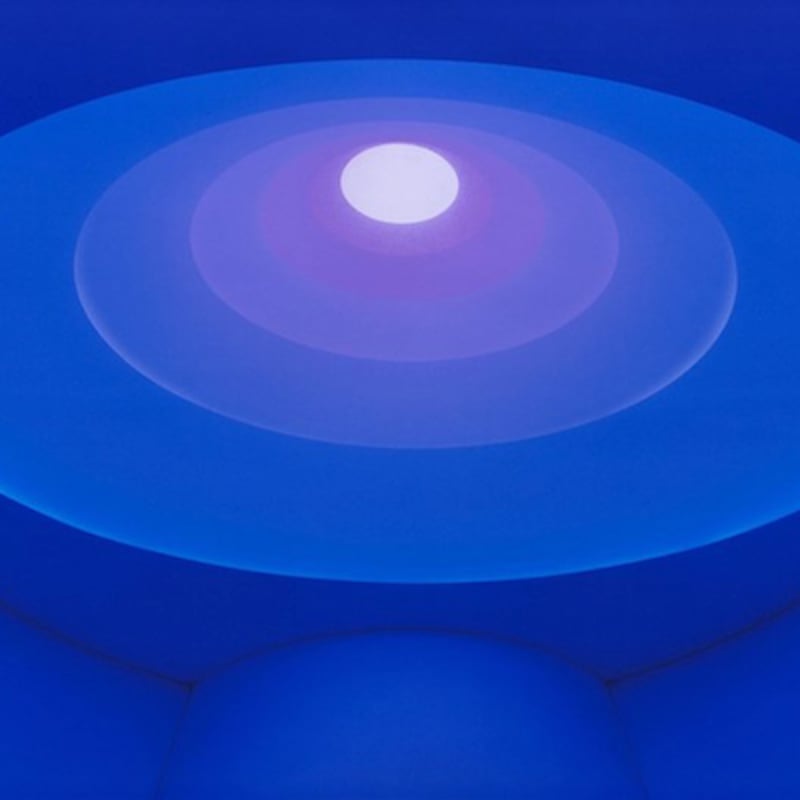
The Light and Space Movement refers to loosely affiliated art movements connected to minimalism, geometric abstraction, and op art that originated in Southern California in the 1960s. Greatly influenced by artist John McLaughlin, these artists focused on sensory phenomena such as light, perception, and space as central elements of their work. They also incorporated cutting-edge technologies from the aerospace and engineering industries to develop light-filled and sensuous objects, creating immersive experiences that emphasize the viewer's perception.

A replica is a copy of an artwork that is so precisely made that it is nearly indistinguishable from the original. Artists may create replicas of their own work, or replicas can be produced for educational purposes, preservation, or display when the original cannot be shown. While replicas aim to closely mimic the original, they are usually identified as reproductions rather than original works.
Can't find your Answer?
Thank you! Your question has been sent — we'll get back to you shortly.
