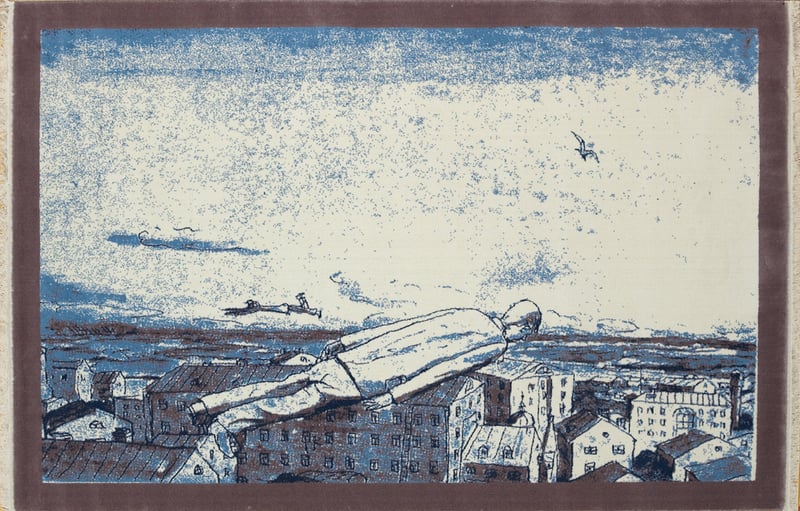
With certificate signed by the artist
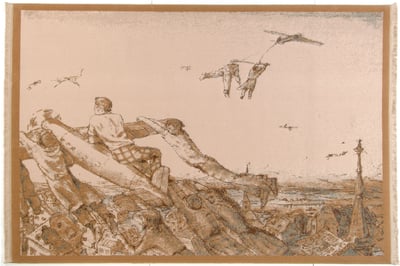
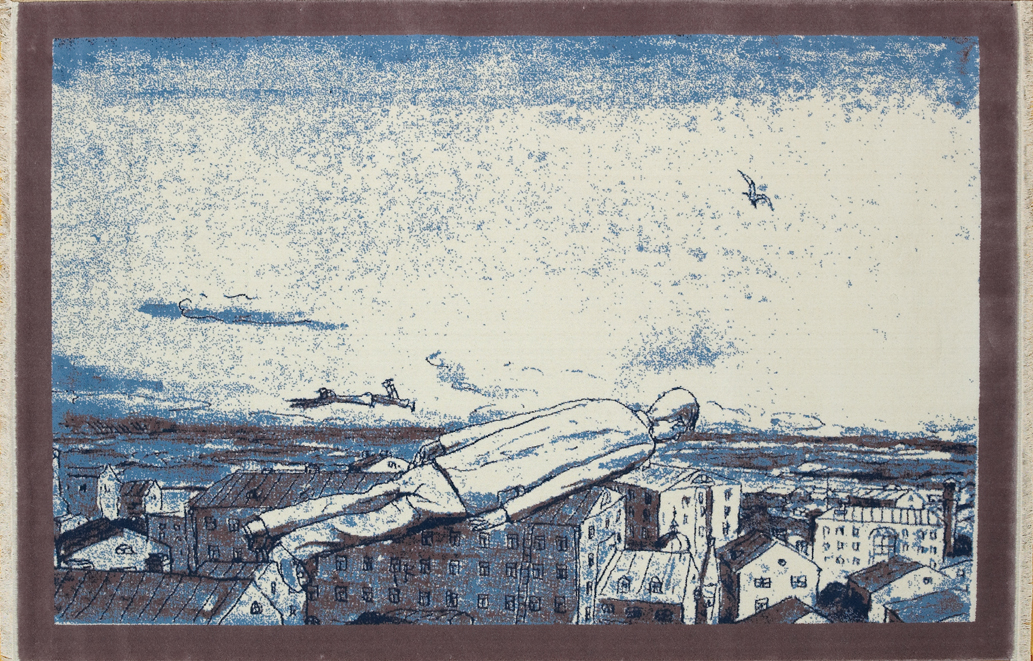
The Flying #4 by Ilja Kabakov, created in 2006, is a tapestry that captures a surreal scene of a man floating horizontally above a cityscape, as if in flight. Rendered in muted blue and earthy tones, the piece evokes a sense of dreamlike freedom and introspection, with the figure hovering above detailed buildings and rooftops that stretch towards the horizon. The simplicity of the color palette and the texture of the tapestry enhance the contemplative mood, drawing attention to the contrast between grounded urban life below and the solitary figure soaring above. Kabakov’s work often explores themes of escapism, isolation, and the human desire for transcendence, making this piece a powerful visual metaphor for liberation and the yearning to break free from constraints.
Artwork Copyright © Ilja KabakovIlya Kabakov (Ukraine, 1933–2023) was a pioneering conceptual artist known for immersive installations blending Soviet-era memories with universal themes. His works, often collaborative with his wife Emilia, explored utopia, dystopia, and human resilience. Kabakov’s art, exhibited globally, challenged narratives of identity, history, and the power of imagination.
Artwork Copyright © Ilja KabakovThe Flying #4, 2006
Form
Medium
Size
- Inches
- Centimeters
Edition
Price
- USD
- EUR
- GBP
- CHF
- Authenticity Guaranteed
- Insured Shipping
- Online Since 2005
●Inventory 3492
●Signed
●Comes with gallery invoice and certificate
●Any questions?
With certificate signed by the artist
The Flying #4 by Ilja Kabakov, created in 2006, is a tapestry that captures a surreal scene of a man floating horizontally above a cityscape, as if in flight. Rendered in muted blue and earthy tones, the piece evokes a sense of dreamlike freedom and introspection, with the figure hovering above detailed buildings and rooftops that stretch towards the horizon. The simplicity of the color palette and the texture of the tapestry enhance the contemplative mood, drawing attention to the contrast between grounded urban life below and the solitary figure soaring above. Kabakov’s work often explores themes of escapism, isolation, and the human desire for transcendence, making this piece a powerful visual metaphor for liberation and the yearning to break free from constraints.
Artwork Copyright © Ilja KabakovIlya Kabakov (Ukraine, 1933–2023) was a pioneering conceptual artist known for immersive installations blending Soviet-era memories with universal themes. His works, often collaborative with his wife Emilia, explored utopia, dystopia, and human resilience. Kabakov’s art, exhibited globally, challenged narratives of identity, history, and the power of imagination.
Artwork Copyright © Ilja KabakovAvailability
Size
Form
Medium
SORT BY
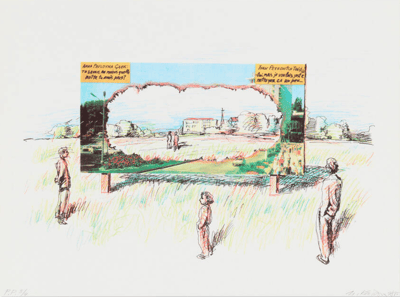
Ilja Kabakov
Untitled (From The Edge of Awareness), 1998
Limited Edition Print
Screen-print
USD 800
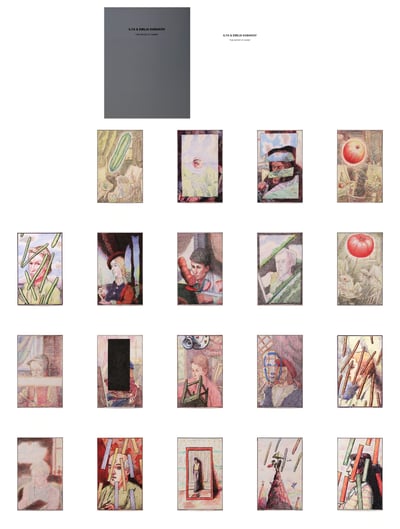
Ilja Kabakov
The artist at work, 2016
Limited Edition Print
Lithograph
EUR 40,000

Ilja Kabakov
Untitled (Insect), 2004
Limited Edition Print
Silkscreen
EUR 1,600
Ilja Kabakov
The Flying #4, 2006
Tapestry
Tapestry
EUR 13,500
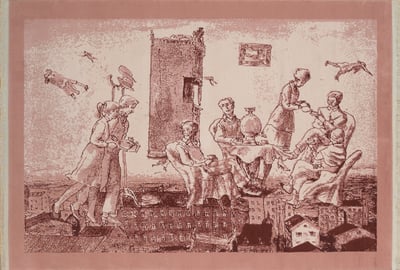
Ilja Kabakov
The Flying #3, 2006
Tapestry
Tapestry
EUR 13,500
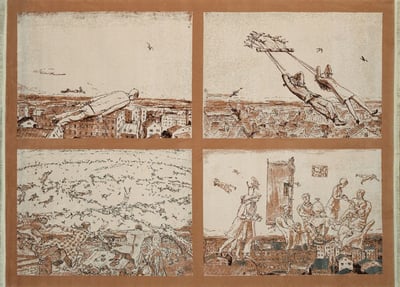
Ilja Kabakov
The Flying #2, 2006
Tapestry
Tapestry
EUR 24,000
Ilja Kabakov
The Flying, 2006
Tapestry
Tapestry
EUR 13,500
Ilja Kabakov
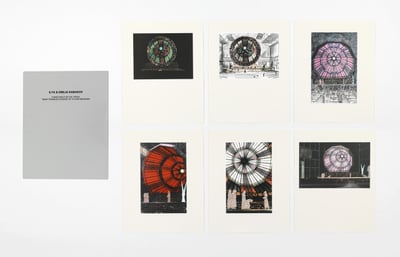
6 Sketches for the Opera Saint François Assise, 2010
Limited Edition Print
Lithograph
EUR 15,000
Related Artists
Related Articles
Art Movements - October 4, 2023
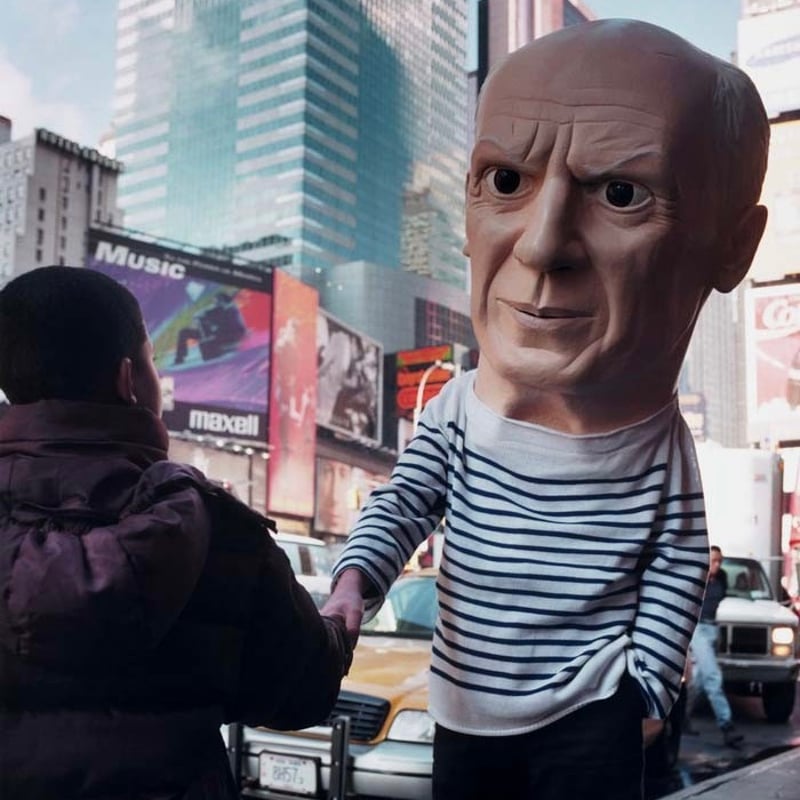
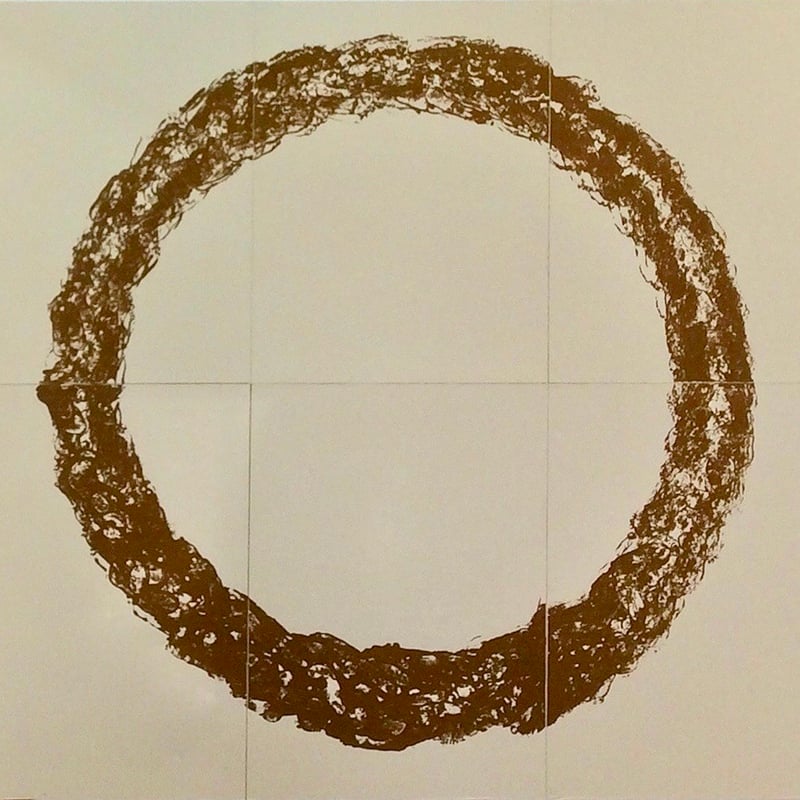
The Picture Perfect Loops And Wheels of Performance Art
Explore the evolution of performance art, blending life and creativity. Discover iconic works and artists who challenge societal norms and artistic boundaries.Read More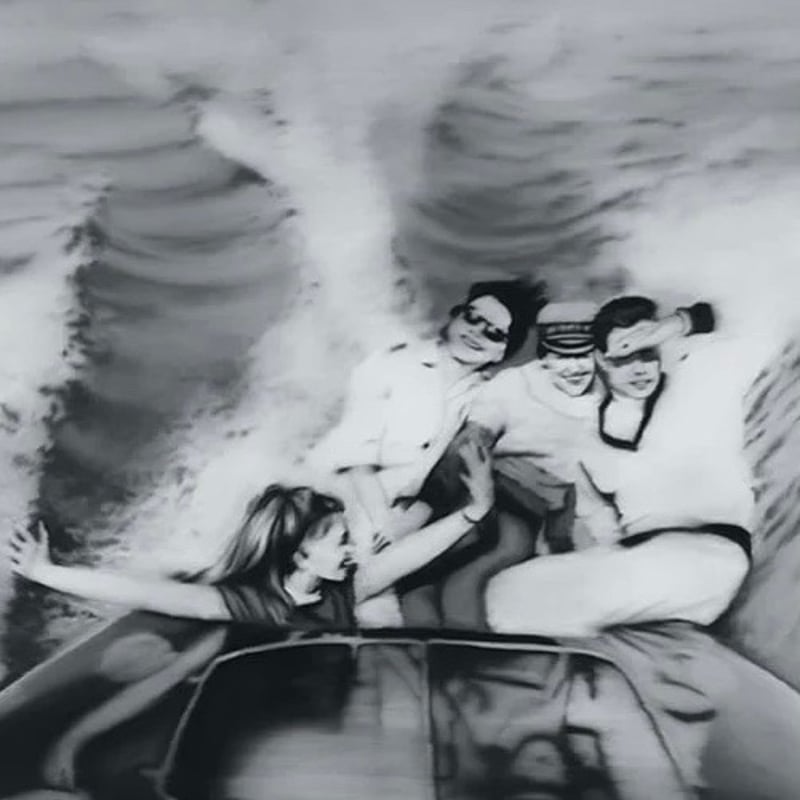
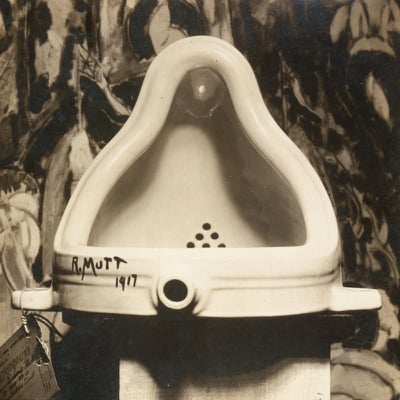
Artwork by Marcel Duchamp
What is Found Object?
A found object is a term used to describe a man-made or natural object, or a fragment of one, that an artist discovers or purchases and keeps for inspiration or as a work of art. The artist may also modify the object or incorporate it into a collage or assemblage, transforming it into a new piece of art.

Ilja Kabakov
The Flying #4, 2006
200 x 300 cm


