What is conceptual art?
- Show All
- Established
- Discoveries
- Show All
Artworks Related to Conceptual art
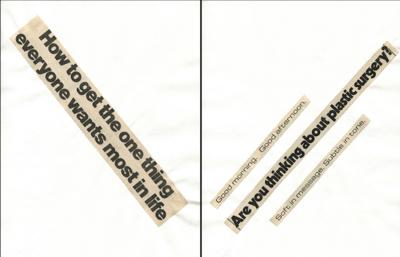
Lorraine O'Grady
Cutting Out CONYT 5, 1977 - 2017
Limited Edition Print
Mixed Media
USD 20,000
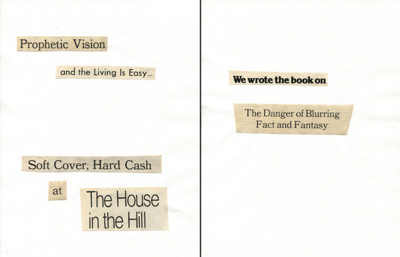
Lorraine O'Grady
Cutting Out CONYT 4, 1977 - 2017
Limited Edition Print
Mixed Media
USD 20,000
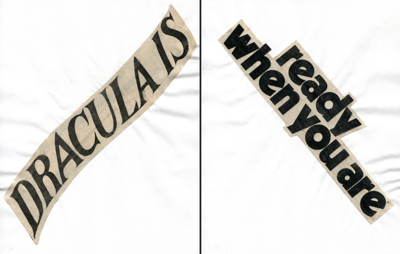
Lorraine O'Grady
Cutting Out CONYT 3, 1977 - 2017
Limited Edition Print
Mixed Media
USD 20,000
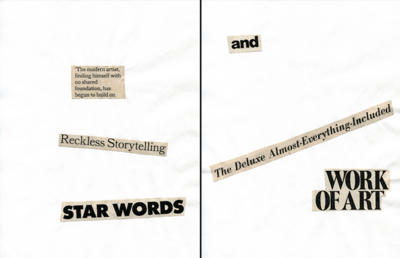
Lorraine O'Grady
Cutting Out CONYT 2, 1977 - 2017
Limited Edition Print
Mixed Media
USD 20,000
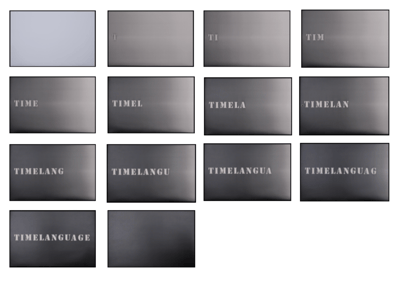
Luis Camnitzer
TIMELANGUAGE, 2016
Limited Edition Print
Mixed Media
EUR 35,000
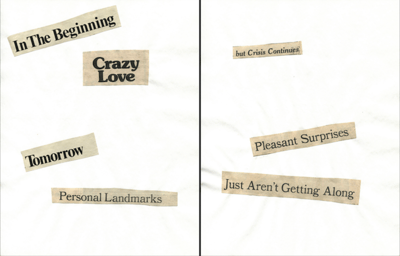
Lorraine O'Grady
Cutting Out CONYT 1, 1977 - 2017
Limited Edition Print
Mixed Media
USD 20,000
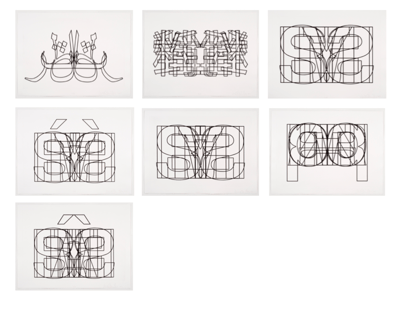
Luis Camnitzer
Symmetrical Jails, 2014
Limited Edition Print
Etching
USD 50,000
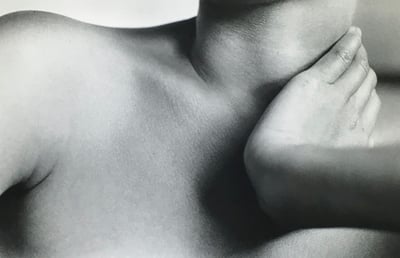
Ralph Gibson
Infanta, 1993
Photography
Gelatin Silver Print
Currently Not Available
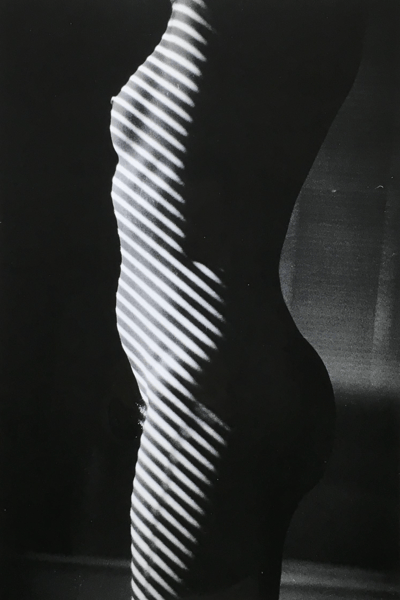
Ralph Gibson
Tropism L'anonyme , 1981
Photography
Gelatin Silver Print
Currently Not Available
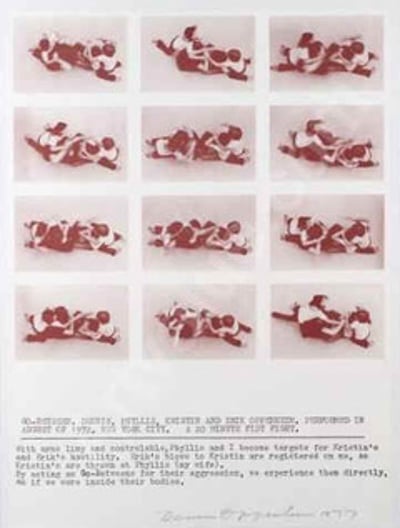
Dennis Oppenheim
Go Beteween, 1977
Limited Edition Print
Lithograph
EUR 940
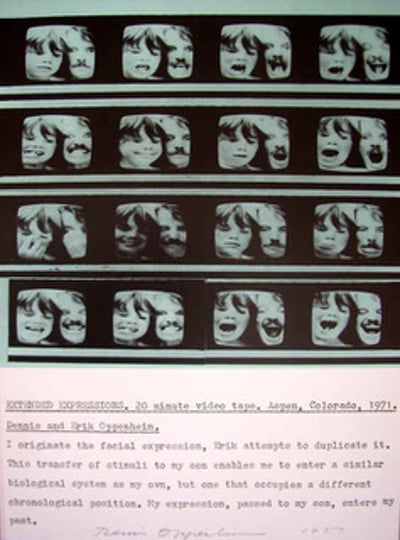
Dennis Oppenheim
Extended Expressions, 1976
Limited Edition Print
Lithograph
EUR 940
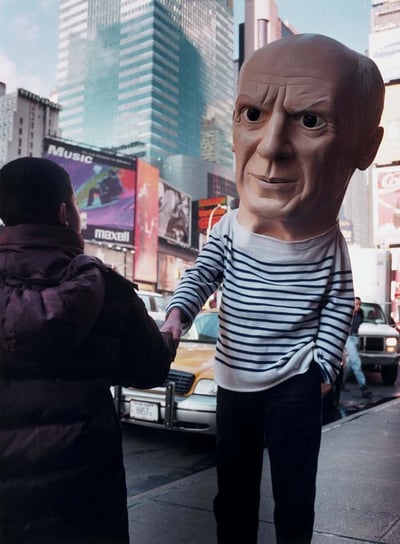
Maurizio Cattelan
Untitled (Picasso), 1999
Limited Edition Print
Photograph
EUR 1,880
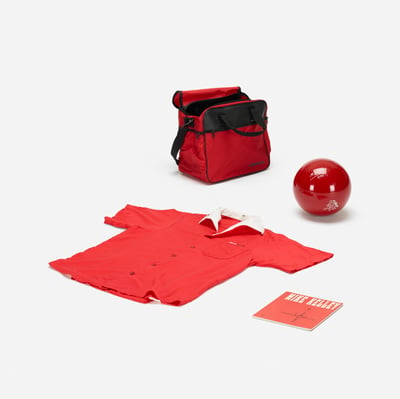
Mike Kelley
Bowling Bag, 1991
Sculpture / Object
Mixed Media
Currently Not Available
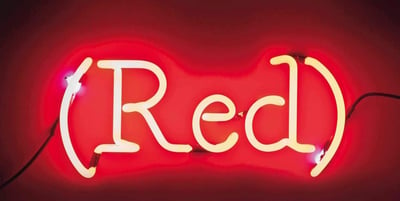
Joseph Kosuth
Wittgenstein's colour, 1989
Sculpture / Object
Mixed Media
EUR 29,300
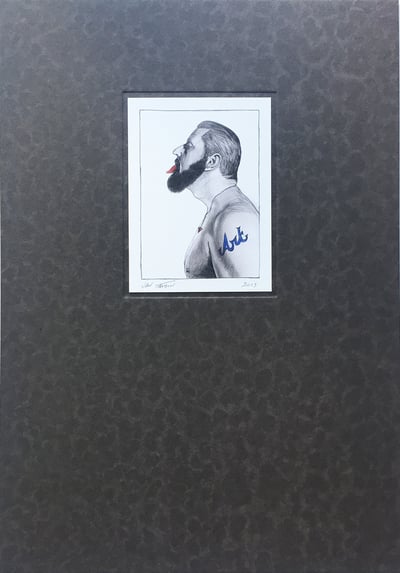
Jan Fabre
Art, 2013
Limited Edition Print
Collage
EUR 1,000
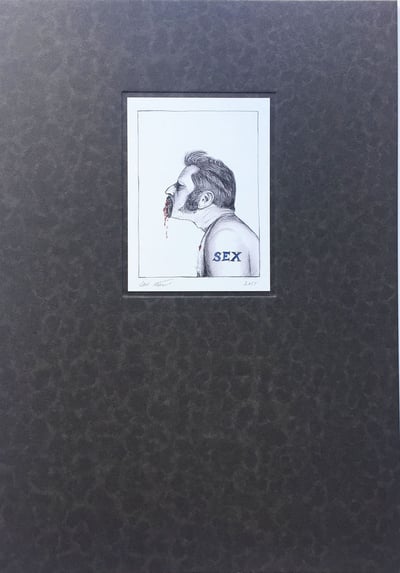
Jan Fabre
Sex, 2013
Limited Edition Print
Collage
EUR 1,000
Related Articles

Wood is one of the most ancient and versatile materials used in creating art. It has served as a base for paintings, brush handles, pens, and pencils, as well as for easels, wood engraving, woodcut, woodblock printing, and sculpting. Various types of wood, such as oak, maple, and pine, are commonly used in these artistic applications.

An artist proof traditionally refers to a print impression taken during the printing process to evaluate the current state of the artwork as the artist works on the plate. These proofs often show incomplete images and are sometimes called trial impressions or working proofs. However, in modern practice, an artist proof typically refers to an impression of the finished work that is identical to the numbered edition copies but is set aside for the artist's personal use. Artist proofs are usually marked A.P. and may be considered more valuable by collectors due to their limited availability.
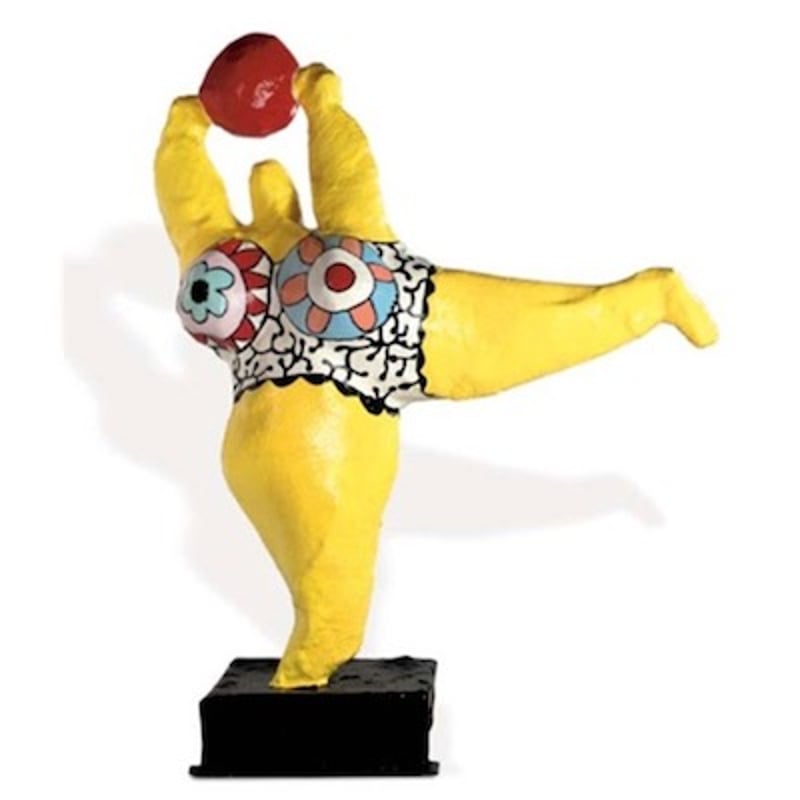
Papier-mâché is a composite material made from pieces of paper or pulp, reinforced with textiles and bound with adhesives like starch, wallpaper paste, or glue. There are two main methods to create papier-mâché: one involves layering strips of paper soaked in adhesive, while the other uses a pulp made by boiling or soaking paper and then adding glue. Though each method has a different process, both yield similar results.
Can't find your Answer?
Thank you! Your question has been sent — we'll get back to you shortly.
