What is an Artist Proof?
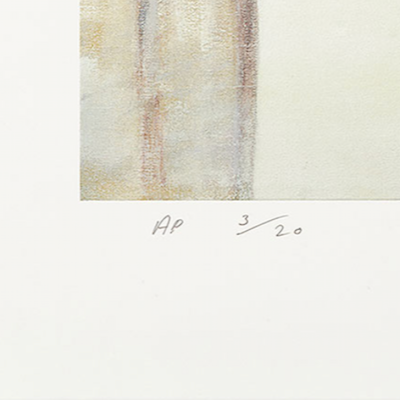
An artist proof traditionally refers to a print impression taken during the printing process to evaluate the current state of the artwork as the artist works on the plate. These proofs often show incomplete images and are sometimes called trial impressions or working proofs. However, in modern practice, an artist proof typically refers to an impression of the finished work that is identical to the numbered edition copies but is set aside for the artist's personal use. Artist proofs are usually marked A.P. and may be considered more valuable by collectors due to their limited availability.
Show All
- Show All
- Established
- Discoveries
Show All
Related Articles

Collecting - March 07, 2025
Glossary Deep Dive: 10 Art Terms Every Collector Should Know
Master 10 essential art terms—from giclée to collage—to enhance your collecting knowledge and appreciation. A must-read for art enthusiasts! Read More

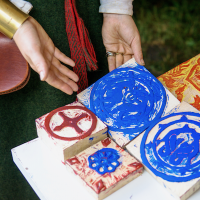
Woodblock printing is a technique that uses a carved wooden surface to create an image on materials such as paper or cloth. Ink or paint is applied thinly to the carved surface, which is then pressed against the material to transfer the image. This method has been historically significant in various cultures for producing prints and textiles.
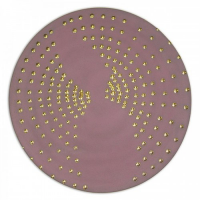
ZERO was an art movement founded by Otto Piene and Heinz Mack, aiming to develop into a large international and cross-border movement. The name ZERO originated from a magazine founded by Heinz Mack in 1957, which became a platform for the group's ideas. The magazine was published for several years before ceasing in 1967. The ZERO movement sought to create a new beginning in art, emphasizing light, space, and movement, and became influential in post-war European art.