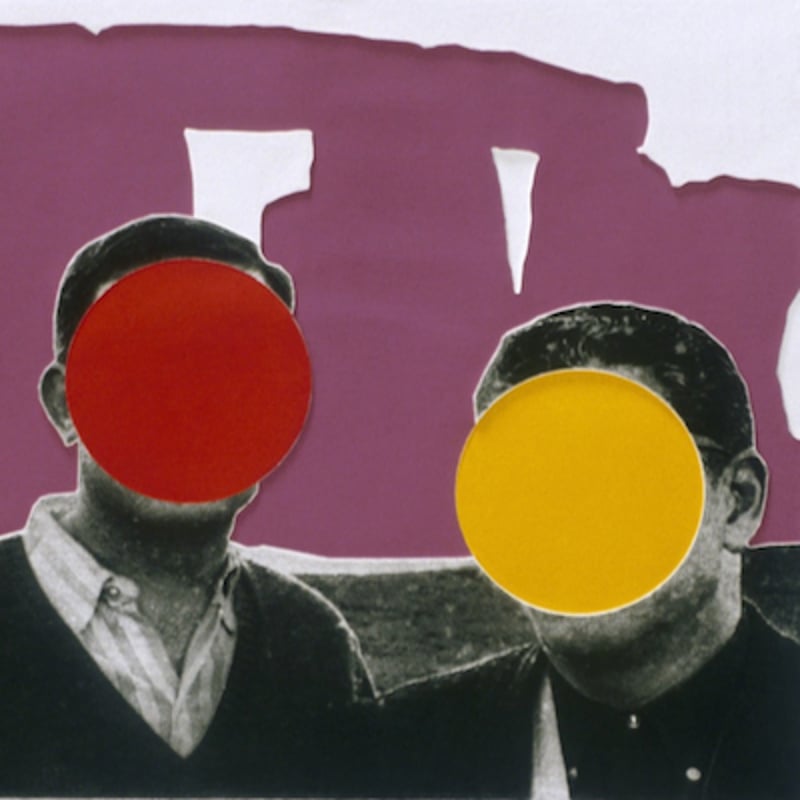
What is conceptual art?
- Show All
- Established
- Discoveries
- Show All
Artworks Related to Conceptual art
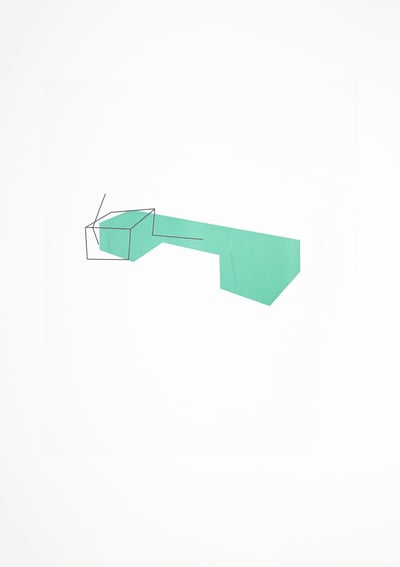
Waltercio Caldas
WC 56 3, 2015
Limited Edition Print
Lithograph
EUR 1,800
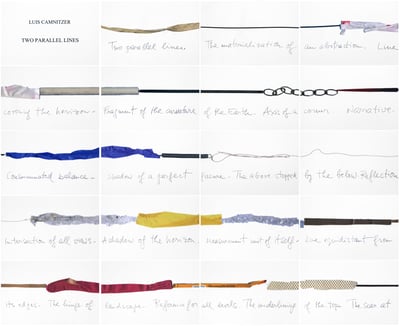
Luis Camnitzer
Two Parallel lines , 2014
Limited Edition Print
Digital Print on paper
EUR 9,000

Massimo Bartolini
Dust Chaser 2, 2014
Limited Edition Print
Etching
EUR 1,300
Massimo Bartolini
Dust Chaser 1, 2014
Limited Edition Print
Etching
EUR 1,300
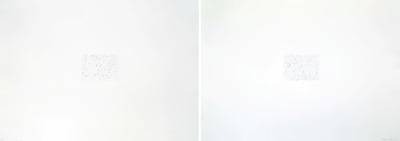
Massimo Bartolini
Dust Chaser, 2014
Limited Edition Print
Etching
EUR 1,800
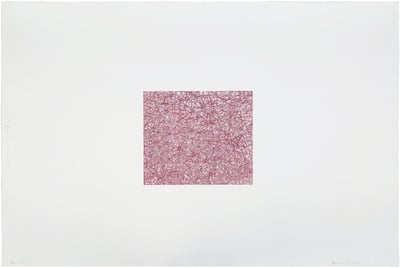
Massimo Bartolini
145 hours, 2014
Limited Edition Print
Etching
EUR 1,300
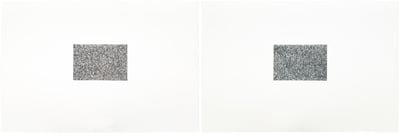
Massimo Bartolini
287 hours, 2014
Limited Edition Print
Etching
EUR 1,800

Carlos Amorales
Sin título 1 , 2008
Limited Edition Print
Etching
Currently Not Available
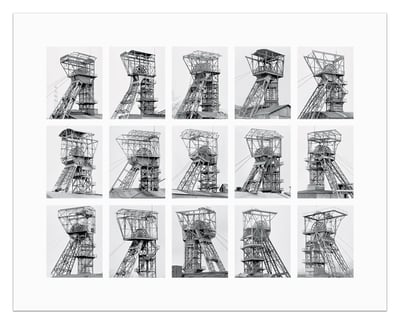
Bernd & Hilla Becher
Fördertürme, 2006
Limited Edition Print
Digital Print on paper
Currently Not Available
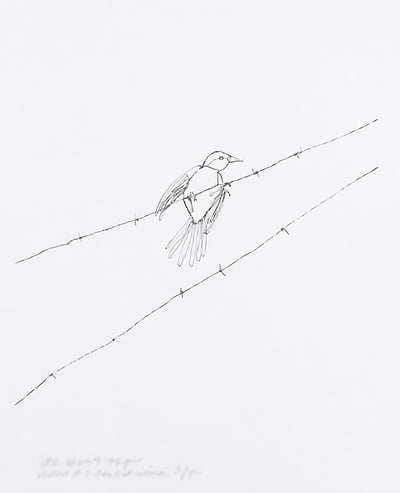
Vik Muniz
Vireo on Barbed Wire, 1995
Photography
Photograph
USD 6,200
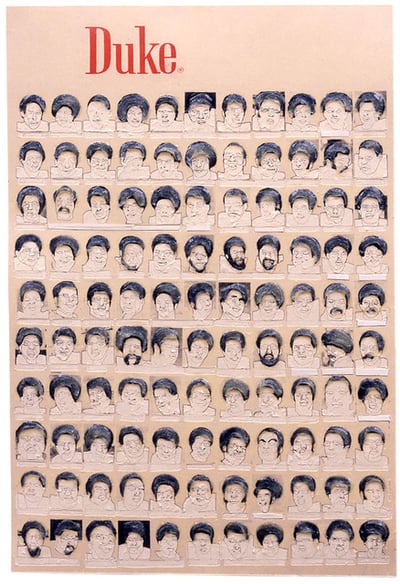
Ellen Gallagher
Duke, 2004
Photography
Photogravure
Currently Not Available
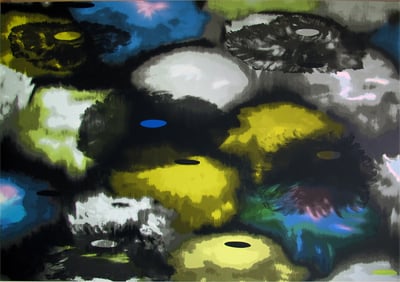
Ross Bleckner
Dream and Do I, 1997
Limited Edition Print
Screen-print
USD 3,400
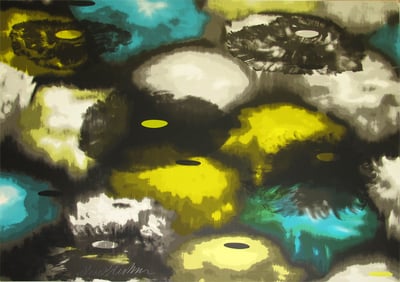
Ross Bleckner
Dream and Do II, 1997
Limited Edition Print
Screen-print
USD 3,400
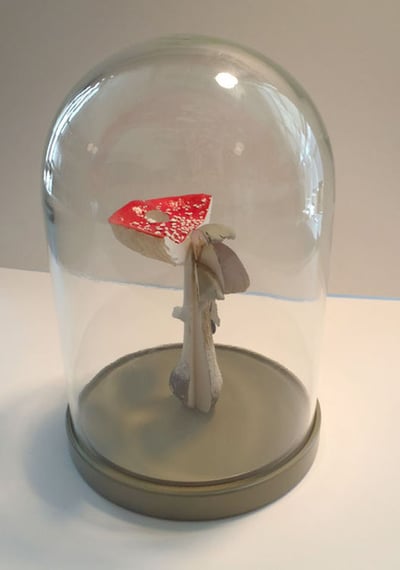
Carsten Holler
Multiple Mushroom Dome , 2012
Sculpture / Object
Mixed Media
Currently Not Available
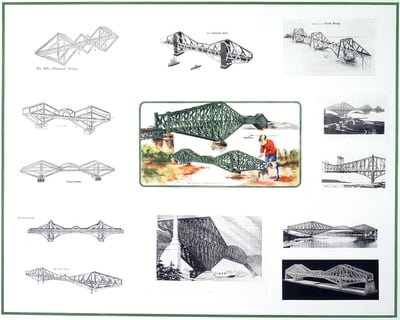
Chris Burden
Cantilever Bridges, 2000
Limited Edition Print
Aquatint
Currently Not Available
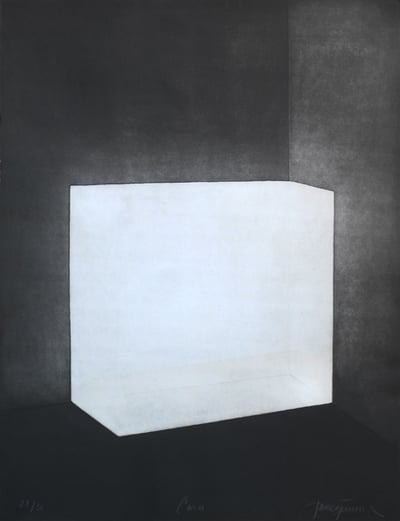
James Turrell
Carn, 1988
Limited Edition Print
Etching
Currently Not Available
Related Articles

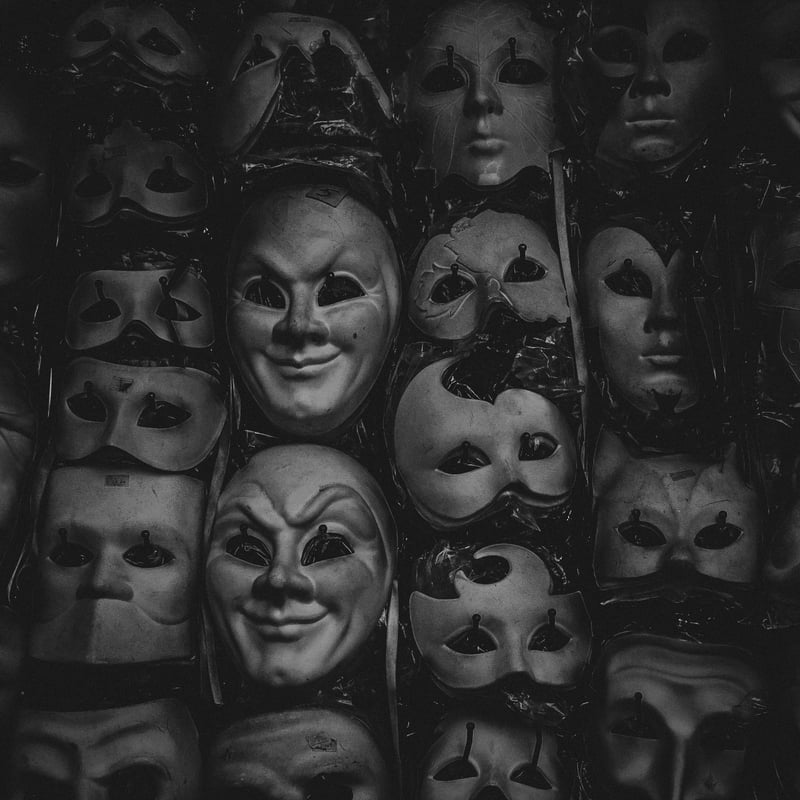
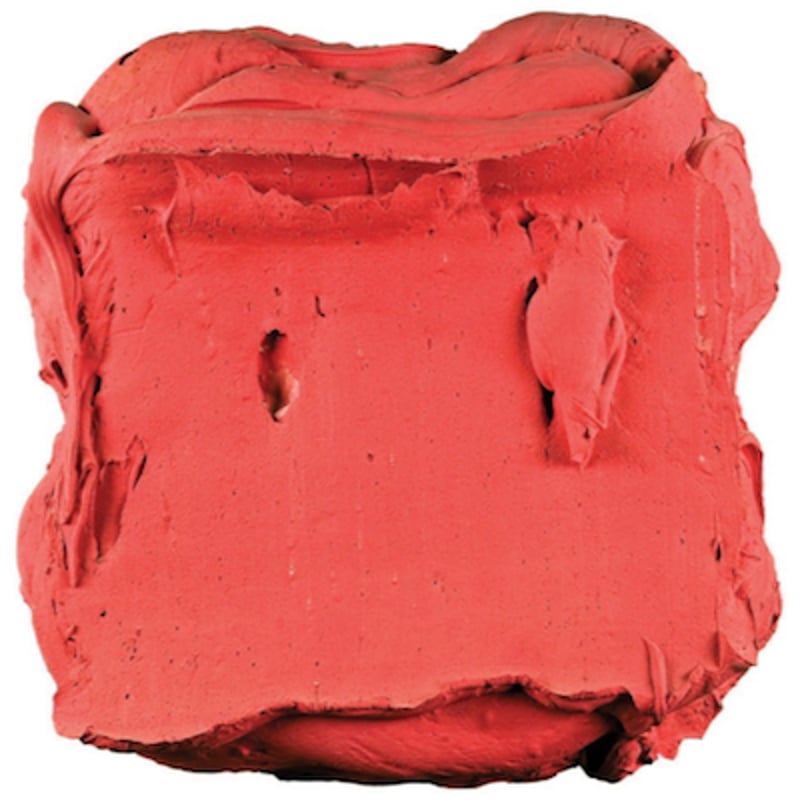
Matter painting is a technique that involves blending thick impasto paints with materials like cement, mud, sand, or shells. The term first emerged in the 1950s to describe the works of Belgian and Dutch painters who explored the physical properties of painting materials and the different ways paint could be manipulated. This approach emphasizes texture and the tactile qualities of the surface, creating a sculptural effect on the canvas.
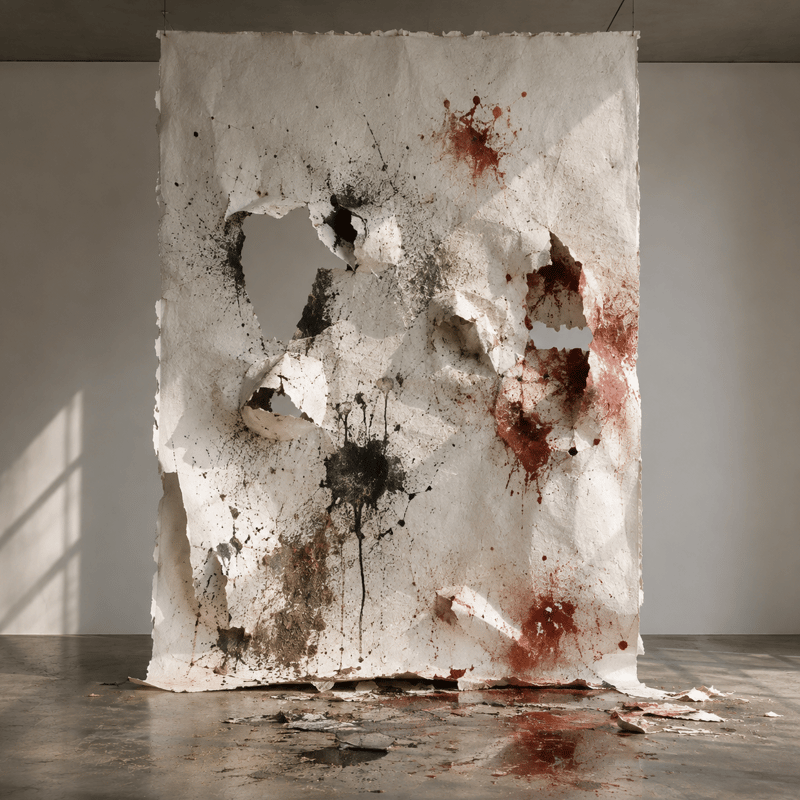
Gutai was a group of Japanese radical artists who formed the Gutai Art Association in 1954. The word Gutai translates to embodiment. The group was known for creating art on the spot for live audiences, often incorporating their own physical movements. Their performances included actions like throwing paint, piercing paper, and rolling in mud, emphasizing the direct interaction between the body and the material.
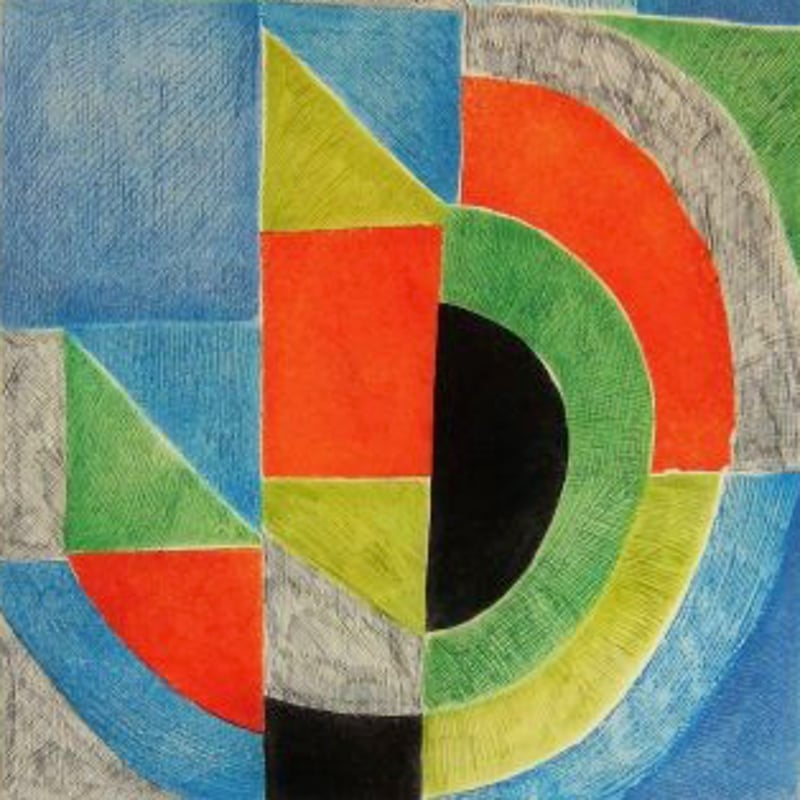
Réalités Nouvelles means new realities and refers to an exhibiting society founded in 1939 in Paris by Sonia Delaunay. The Salon des Réalités Nouvelles was dedicated to promoting abstract art, which it considered to be a new reality because it does not imitate the existing physical world. The movement emphasized that abstract art creates its own reality, independent of the external world, and played a significant role in the development and recognition of abstract art in the mid-20th century.
Can't find your Answer?
Thank you! Your question has been sent — we'll get back to you shortly.
