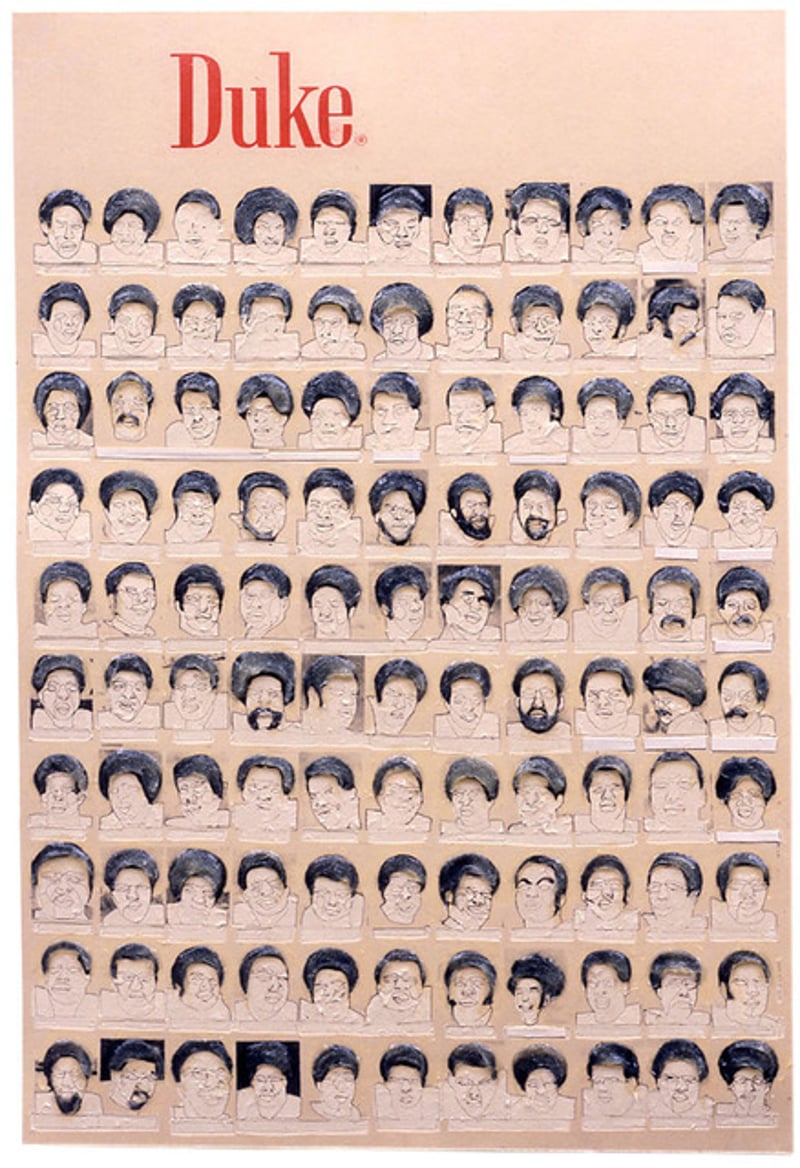
Photogravure with laser-incised peeled paper, collage and hair pomade
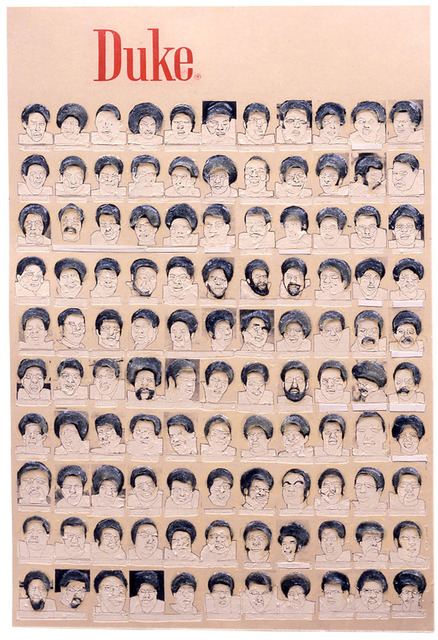
Duke by Ellen Gallagher is a 2004 photogravure collage that explores themes of identity and cultural representation. This intricate work combines photogravure with laser-incised paper, collage elements, and hair pomade, creating a textured surface that is both visually engaging and conceptually rich. Arranged in a grid, a series of faces with varied hairstyles fill the composition, each modified to reflect different hair textures and styles. The use of hair pomade highlights African American cultural aesthetics and comments on societal standards of beauty and identity. Gallagher’s piece is a powerful commentary on race, individuality, and the commodification of appearance.
Artwork Copyright © Ellen GallagherEllen Gallagher (United States, 1965) is an American artist whose multimedia works explore themes of race, identity, and history. She merges painting, collage, and film to craft layered narratives, frequently referencing African American culture and the Middle Passage. Gallagher's art invites reflection on historical contexts and challenges perceptions of cultural memory.
Artwork Copyright © Ellen GallagherDuke, 2004
Form
Medium
Size
- Inches
- Centimeters
Edition
Price
Available works →
- Authenticity Guaranteed
- Insured Shipping
- Online Since 2005
●
●Inventory 2542
●Signed
●Comes with gallery invoice and certificate
●Sell Us a Similar Artwork. Learn more.
Photogravure with laser-incised peeled paper, collage and hair pomade
Duke by Ellen Gallagher is a 2004 photogravure collage that explores themes of identity and cultural representation. This intricate work combines photogravure with laser-incised paper, collage elements, and hair pomade, creating a textured surface that is both visually engaging and conceptually rich. Arranged in a grid, a series of faces with varied hairstyles fill the composition, each modified to reflect different hair textures and styles. The use of hair pomade highlights African American cultural aesthetics and comments on societal standards of beauty and identity. Gallagher’s piece is a powerful commentary on race, individuality, and the commodification of appearance.
Artwork Copyright © Ellen GallagherEllen Gallagher (United States, 1965) is an American artist whose multimedia works explore themes of race, identity, and history. She merges painting, collage, and film to craft layered narratives, frequently referencing African American culture and the Middle Passage. Gallagher's art invites reflection on historical contexts and challenges perceptions of cultural memory.
Artwork Copyright © Ellen Gallagher- Recently Added
- Price (Low-High)
- Price (High-Low)
- Year (Low-High)
- Year (High-Low)
Ellen Gallagher
Duke, 2004
Photography
Photogravure
Currently Not Available
Related Artists

Related Articles
Popular, News, Artists, Collecting - August 12, 2026
In Minor Keys: Finding Intimacy and Identity at the 61st Venice Biennale — and in Your Collection
Explore how Koyo Kouoh’s 61st Venice Biennale vision, In Minor Keys, is shifting contemporary collecting toward quiet introspection, memory, and personal identity.Read More

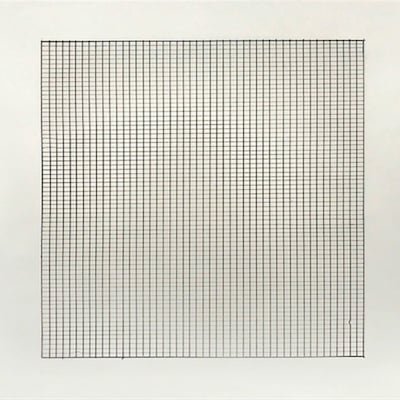
Artwork by Agnes Martin
What is minimalism?
Minimalism is a style in music and visual arts characterized by pared-down designs and simplicity. It began in Western art after World War II, gaining prominence particularly in American visual arts. Minimalism draws heavily on aspects of modernism and is often viewed as a reaction against Abstract Expressionism, as well as a precursor to post-minimal art practices. Prominent minimalist artists include Agnes Martin, Donald Judd, Robert Morris, Frank Stella, and Dan Flavin.

Ellen Gallagher
Duke, 2004
35.6 x 26.7 cm


