
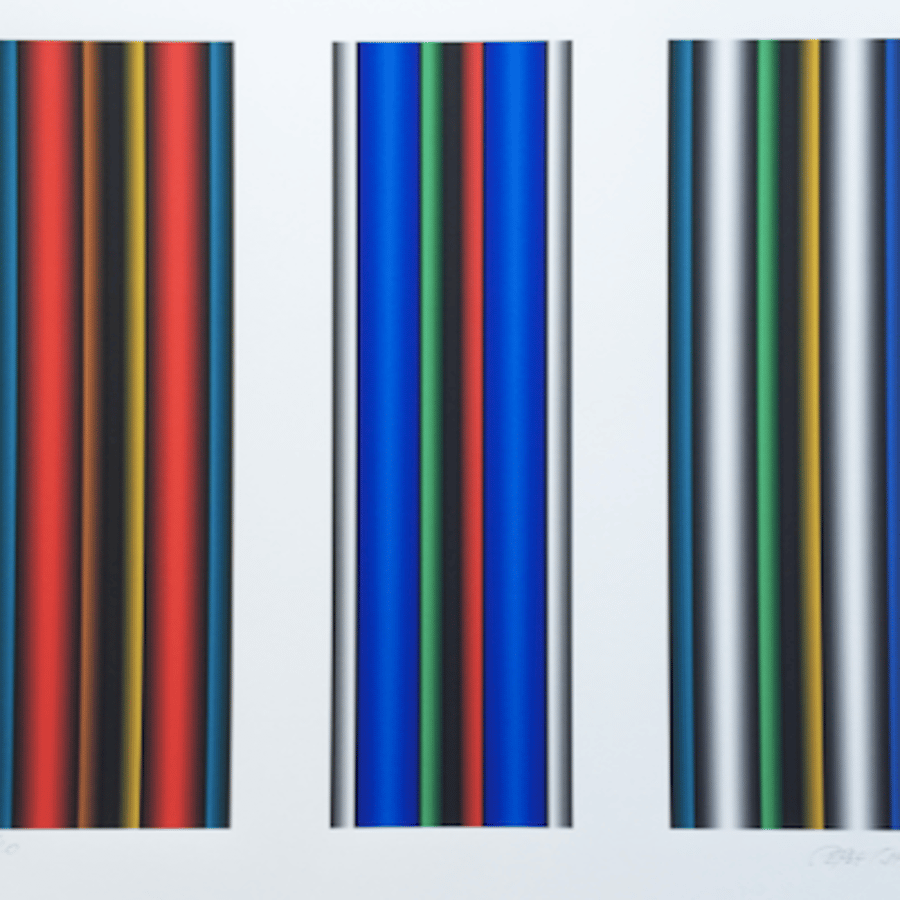
What is a Lithograph?
- Show All
- Established
- Discoveries
- Show All
Artworks Related to Lithograph

Alexander Calder
Taches de Rousser (from La Memoire Elementaire), 1976
Limited Edition Print
Lithograph
USD 9,600
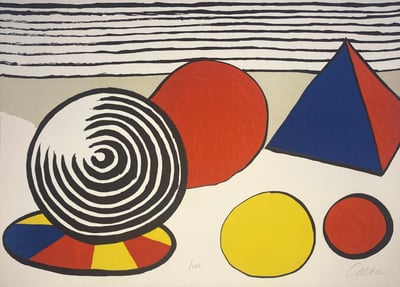
Alexander Calder
Le point de non retour (from La Memoire Elementaire), 1976
Limited Edition Print
Lithograph
USD 9,600
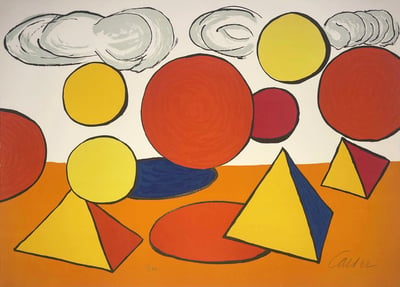
Alexander Calder
Le piège (from La Memoire Elementaire), 1976
Limited Edition Print
Lithograph
USD 9,600
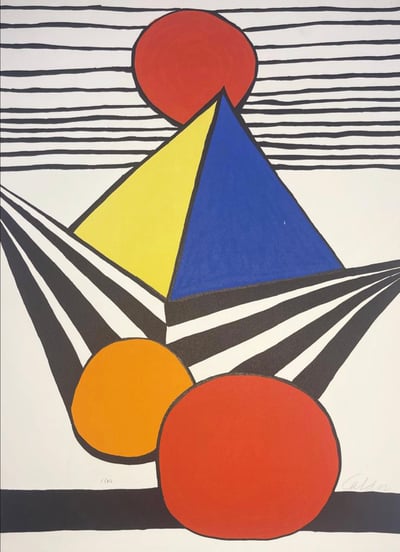
Alexander Calder
La pointe du progrès (from La Memoire Elementaire), 1976
Limited Edition Print
Lithograph
USD 9,600

Roy Lichtenstein
Haystack #1, 1969
Limited Edition Print
Lithograph
USD 19,300

Ed Ruscha
Mysteries, 2021
Limited Edition Print
Lithograph
USD 50,000 - 60,000
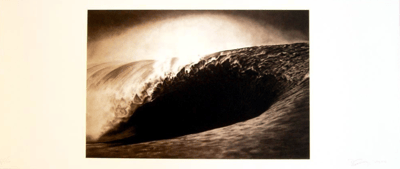
Robert Longo
Untitled #4 Wave, 2000
Limited Edition Print
Lithograph
USD 3,700
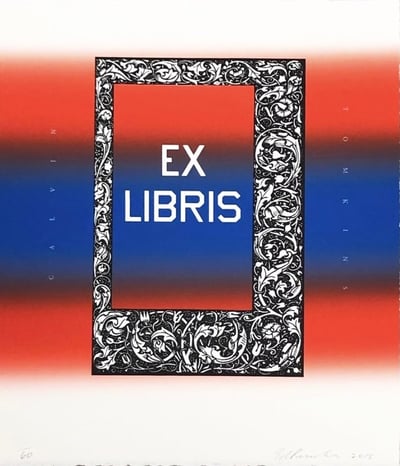
Ed Ruscha
Ex Libris, 2018
Limited Edition Print
Lithograph
USD 6,100
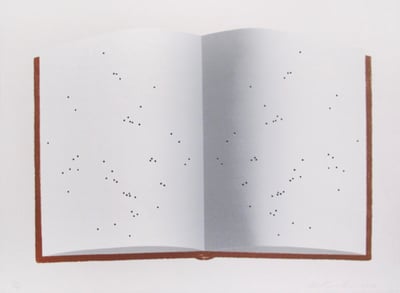
Ed Ruscha
Open Book With Worm Holes, 2012
Limited Edition Print
Lithograph
USD 12,000
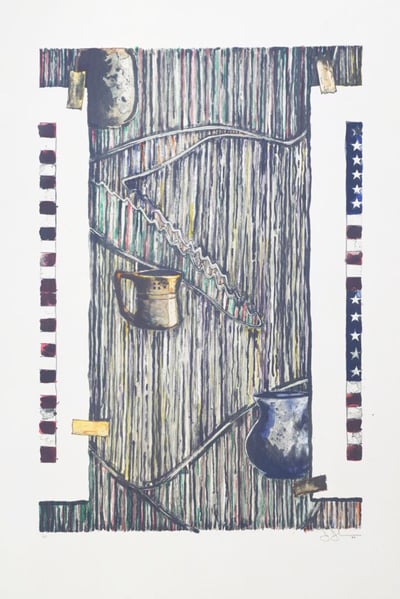
Jasper Johns
Ventriloquist, 1985
Limited Edition Print
Lithograph
USD 13,000

Alexander Calder
Our Unfinished Revolution: Octopus/Squid, 1975-1976
Limited Edition Print
Lithograph
USD 9,600
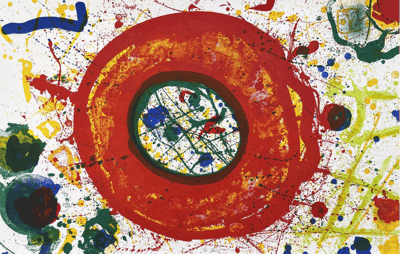
Sam Francis
Untitled (SF-356), 1992
Limited Edition Print
Lithograph
USD 14,400
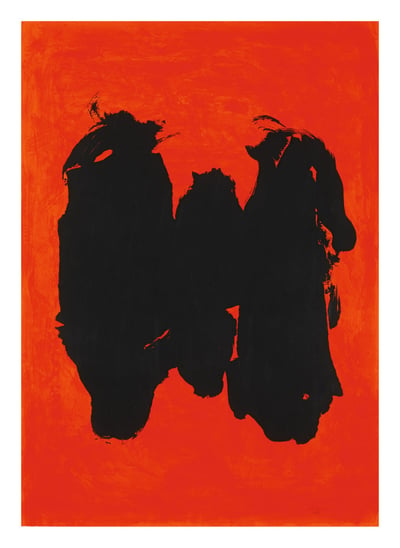
Robert Motherwell
Three Figures, 1989
Limited Edition Print
Lithograph
USD 30,000 - 40,000

David Hockney
Two Pembroke Studio Chairs from the Moving Focus series, 1984
Limited Edition Print
Lithograph
USD 38,000 - 45,000
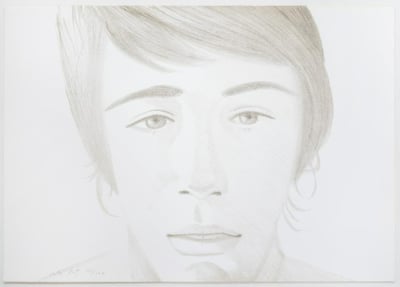
Alex Katz
Vincent, 1972
Limited Edition Print
Lithograph
USD 1,650
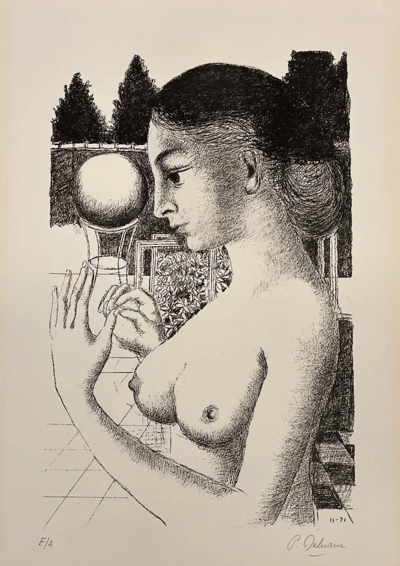
Paul Delvaux
La femme a la Boule, 1971
Limited Edition Print
Lithograph
EUR 2,650
Related Articles
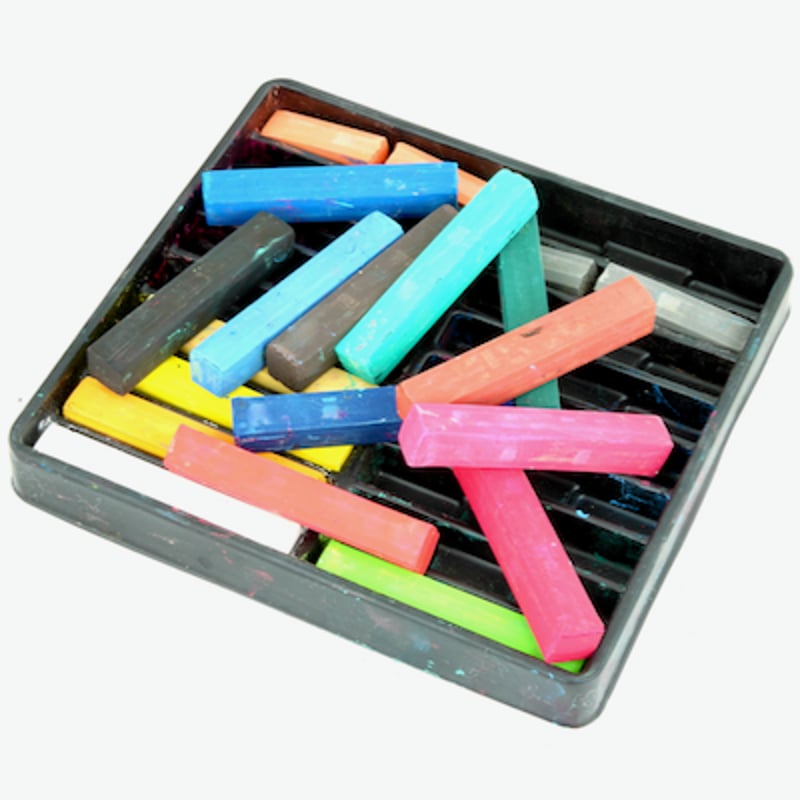
Conté is a vivid, waxy crayon invented by Nicolas-Jacques Conté in 1795. Artists use Conté crayons for detailed drawing, shading large areas, and blending colors. The tips can be sharpened with sanding pads for precision, or the sides can be dragged flat for broad shading.

A watermark is an image or pattern embedded into a sheet of paper during the papermaking process. Each papermaker includes a faint trademark, which becomes visible when the paper is held up to a light source. Watermarks serve as a mark of authenticity and are used for identification, often carrying historical significance in determining the origin and age of the paper.

Oil on board is a painting technique where oil paint is applied to either wood panels that have been sanded and primed or high-density cardboard covered with canvas. These surfaces offer the advantage of being more compact for storage compared to traditional stretched canvas on frames, while still providing a stable surface for painting.
Can't find your Answer?
Thank you! Your question has been sent — we'll get back to you shortly.
