
What is the aesthetic movement?
The Aesthetic Movement emerged in the late 19th century, emphasizing the beauty and sensual qualities of art over practical or moral considerations. It promoted the idea of creating art for its own sake, valuing beauty and aesthetic experience as ends in themselves. The movement was particularly influential in Britain.
Related Articles



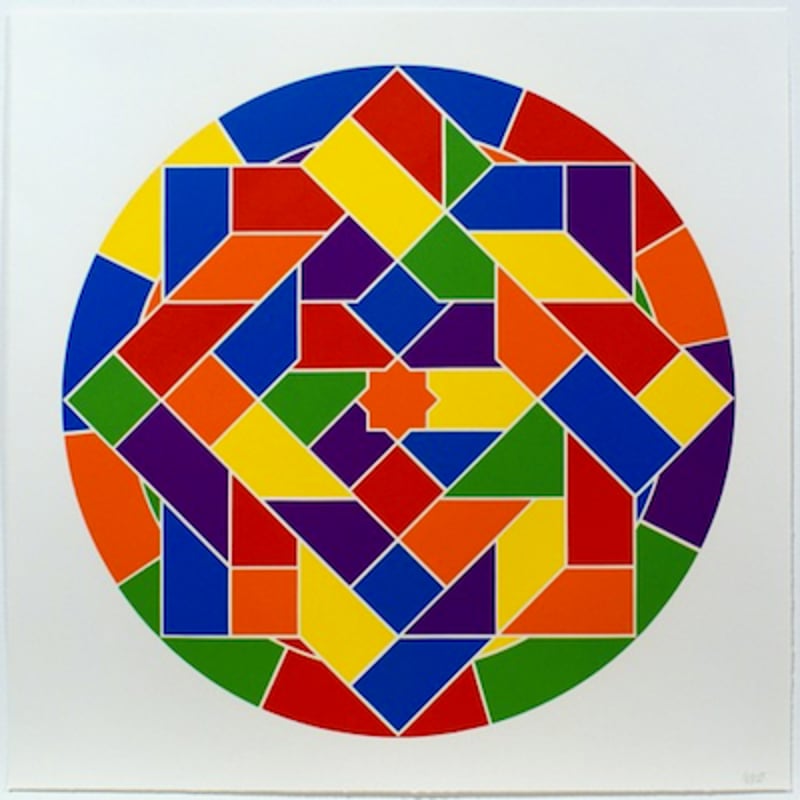
Generative art refers to art that is wholly or partly created through an autonomous system. This system can be independent or non-human, capable of determining features that would otherwise be decided by the artist. The generative system can act as the creator or as a collaborator with the artist. Generative art often refers to works generated algorithmically by computers, where the system plays a significant role in the creation process.
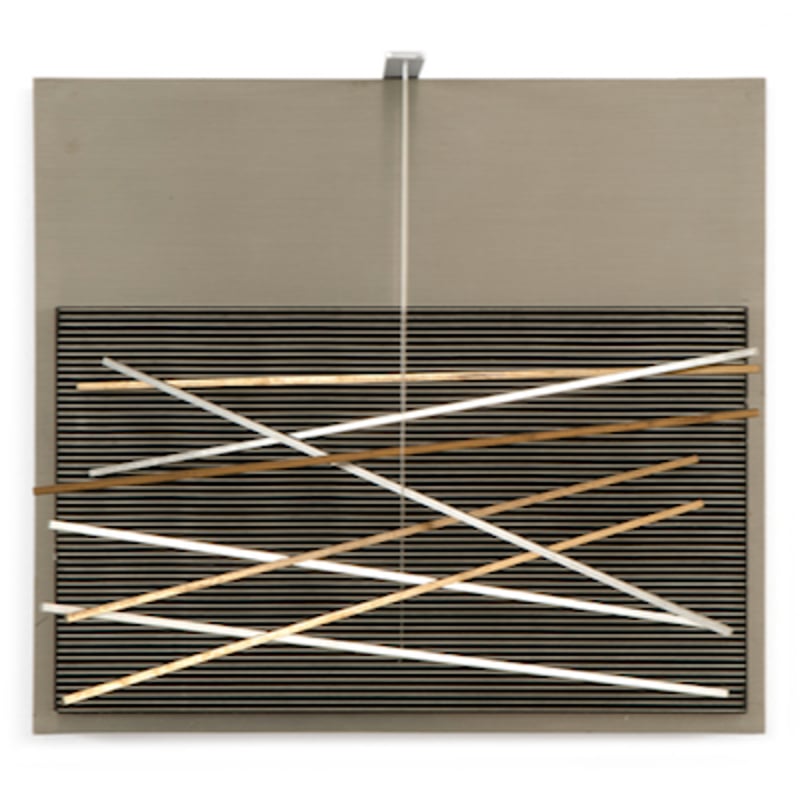
Kinetic art is an international movement that emerged in the 1920s and gained prominence in the 1960s, referring to art that involves both apparent and real motion. It encompasses any medium that includes movement, either relying on actual motion for its effect or being perceived as moving by the viewer. Early examples include canvas paintings designed to create optical illusions of movement. Today, kinetic art often refers to three-dimensional figures and sculptures, such as those operated by machines or those that move naturally. The movement covers a variety of styles and techniques that frequently overlap.

A cast is a form created by pouring a liquid material, such as plastic, plaster, acrylic, concrete, or mixed media, into a mold. Once the liquid cools and fully solidifies, the cast is removed from the mold, revealing the final shape. This process is widely used in sculpture, manufacturing, and various forms of art to replicate intricate designs and shapes.
Can't find your Answer?
Thank you! Your question has been sent — we'll get back to you shortly.
