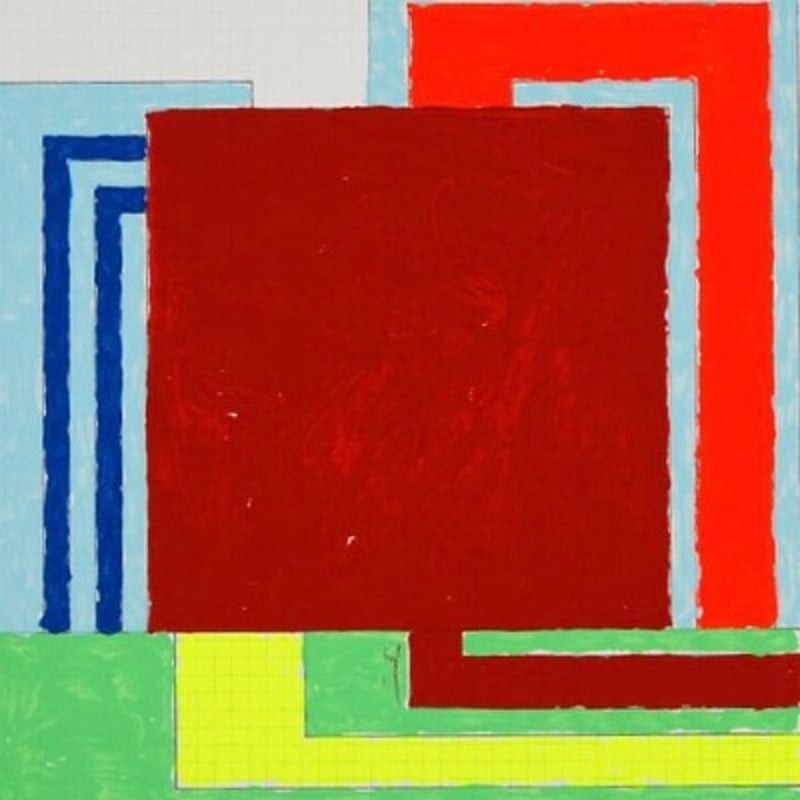
What is Neo-Geo?
- Show All
- Established
- Discoveries
- Show All
Artworks Related to Neo-Geo
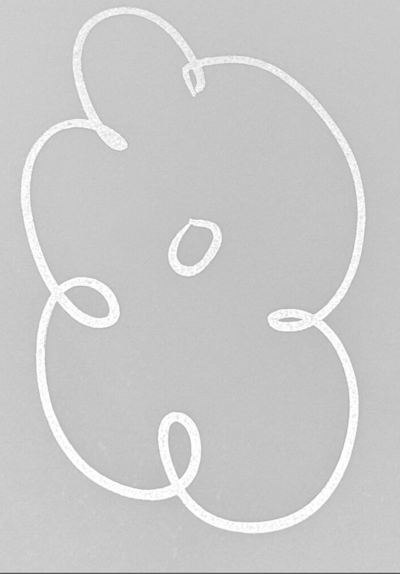
Jeff Koons
Untitled (flower), 1993
Drawing / Watercolor
Ink
GBP 35,000 - 45,000
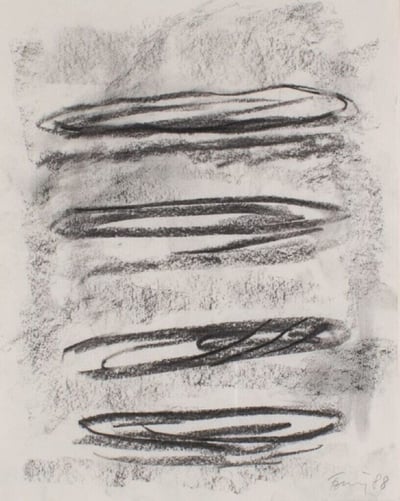
Gunther Forg
Untitled, 1988
Drawing / Watercolor
Charcoal
Inquire For Price
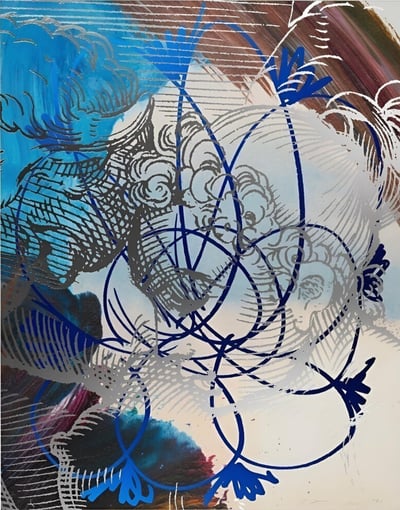
Jeff Koons
Carracci Flower, 2021
Limited Edition Print
Pigment print
GBP 14,000 - 16,000
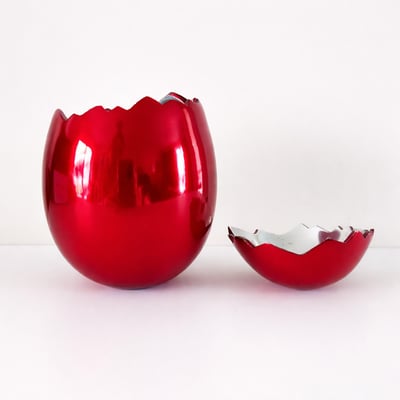
Jeff Koons
Cracked Egg (Red), 2008
Sculpture / Object
Metal
USD 3,200
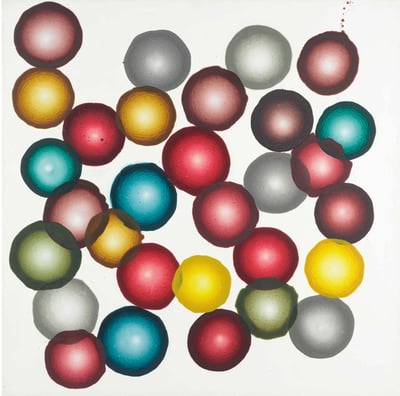
Ross Bleckner
Untitled, 2001
Painting
Mixed Media
Inquire For Price
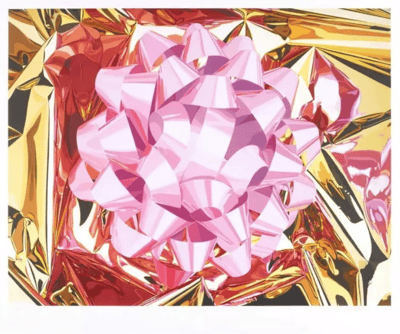
Jeff Koons
Pink Bow - Celebration series, 2013
Limited Edition Print
Inkjet print
Currently Not Available

Jeff Koons
Split-Rocker (Vase), 2012
Sculpture / Object
Porcelain
Currently Not Available
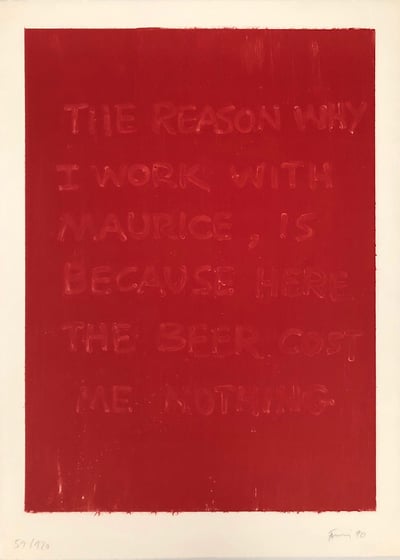
Gunther Forg
The Reason Why I Work With Maurice, is Because Here the Beer Cost Me Nothing, 1990
Limited Edition Print
Lithograph
USD 6,000
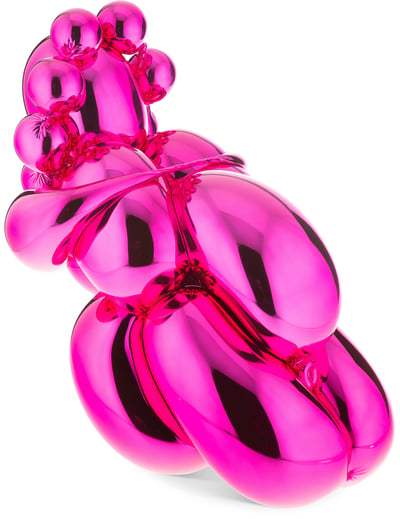
Jeff Koons
Balloon Venus Dom Perignon, 2013
Sculpture / Object
Resin
USD 50,000 - 70,000
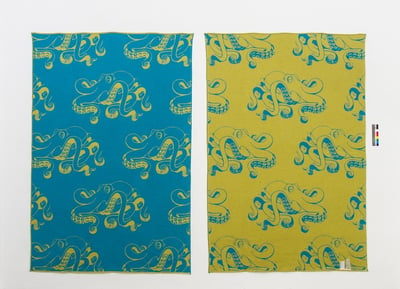
John Armleder
Gold Fish, 2016
Tapestry
Tapestry
EUR 1,400
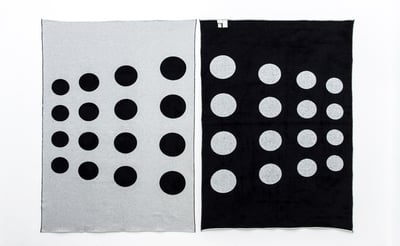
John Armleder
Silver Fish, 2016
Tapestry
Tapestry
EUR 1,400
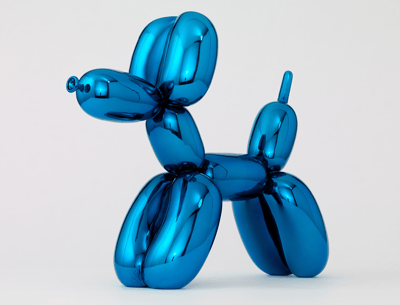
Jeff Koons
Balloon Dog (Blue), 2021
Sculpture / Object
Porcelain
Inquire For Price

Jeff Koons
Diamond (Red), 2020
Sculpture / Object
Mixed Media
EUR 10,200
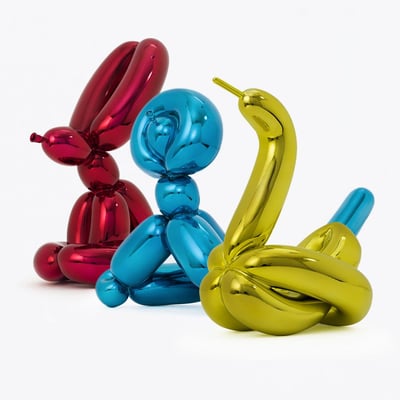
Jeff Koons
Balloon Animals, Set I, 2017
Sculpture / Object
Porcelain
EUR 45,000
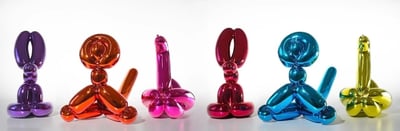
Jeff Koons
Balloon Animals (Collector´s Set), 2017-2019
Sculpture / Object
Porcelain
EUR 95,000

Jeff Koons
Balloon Monkey (Orange), 2019
Sculpture / Object
Porcelain
USD 12,000
Related Articles

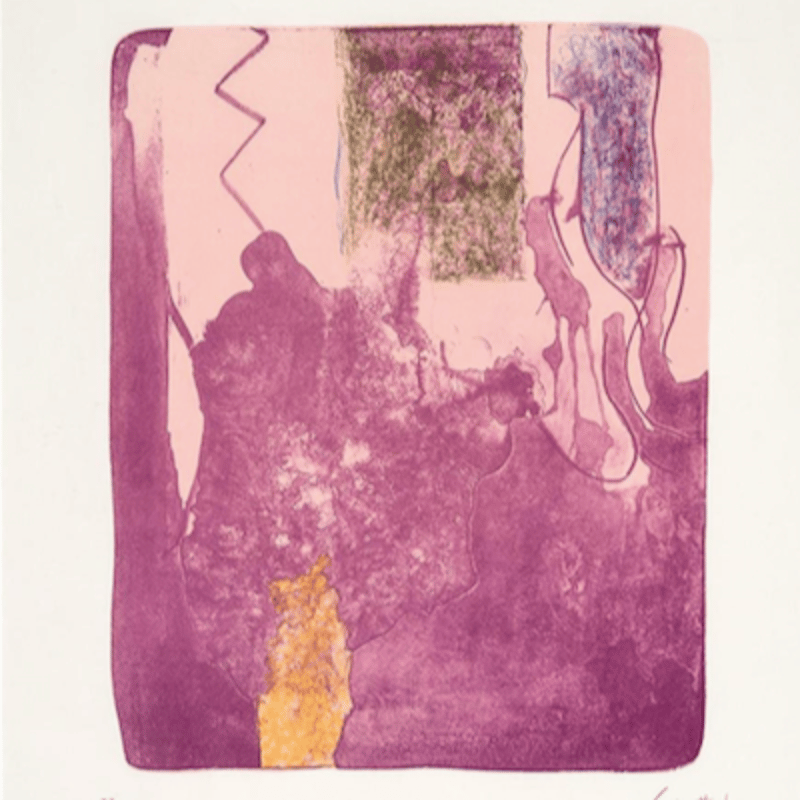
Lyrical abstraction is a descriptive term characterizing a type of abstract painting closely related to Abstract Expressionism, in use from the 1940s to the present. The term can also describe two distinct but related trends in post-World War II modernist painting. This art movement originated in Paris, France, after the war, emphasizing personal expression, spontaneity, and the emotional use of color and form.
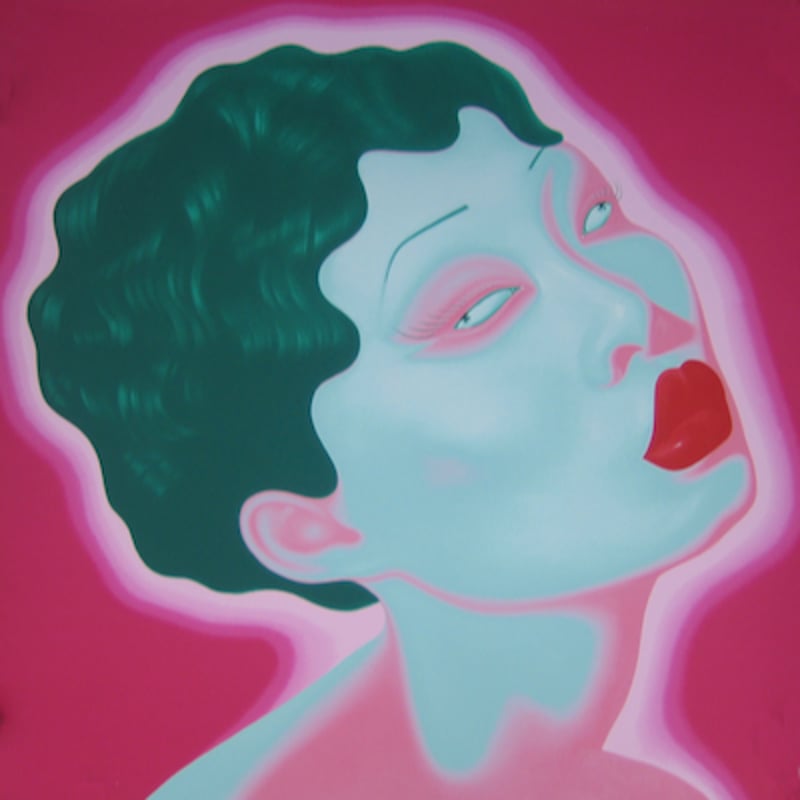
Chinese Contemporary Art is marked by a wide range of styles and experimental approaches. In the 1980s, avant-garde exhibitions were often shut down by government officials. The 1990s saw the rise of political pop and cynical realism, while China's One-Child Policy influenced artists to explore the individual as a subject matter.

A plate is a broad, primarily flat vessel used for serving food, but it can also serve ceremonial or decorative purposes. Plates are typically circular, though they can be any shape and made from various water-resistant materials. Most plates have raised edges, either by curving upward or featuring a wider lip. Vessels without a raised edge or with a more rounded profile are often considered bowls or dishes, while very large, plate-shaped vessels might also be classified as dishes.
Can't find your Answer?
Thank you! Your question has been sent — we'll get back to you shortly.
