
What is a Lithograph?
- Show All
- Established
- Discoveries
- Show All
Artworks Related to Lithograph
Georges Braque
Quatre Oiseaux, 1959
Limited Edition Print
Lithograph
Inquire For Price

Ed Ruscha
Sea of Desire, 1984
Limited Edition Print
Lithograph
USD 30,000 - 40,000
Helen Frankenthaler
Reflections IX, 1995
Limited Edition Print
Lithograph
USD 7,150
Willem de Kooning
Untitled from Self Portrait in a Convex Mirror, 1984
Limited Edition Print
Lithograph
Inquire For Price
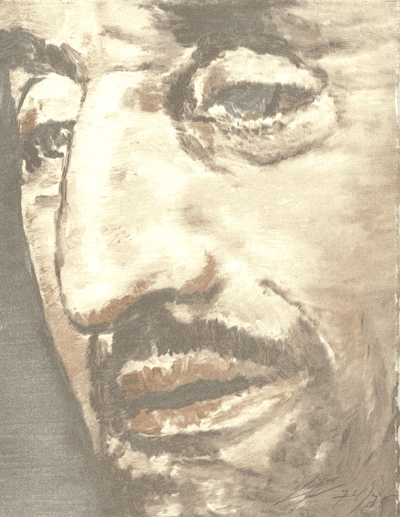
Luc Tuymans
The Nose/Le Nez, 2014
Limited Edition Print
Lithograph
USD 3,960
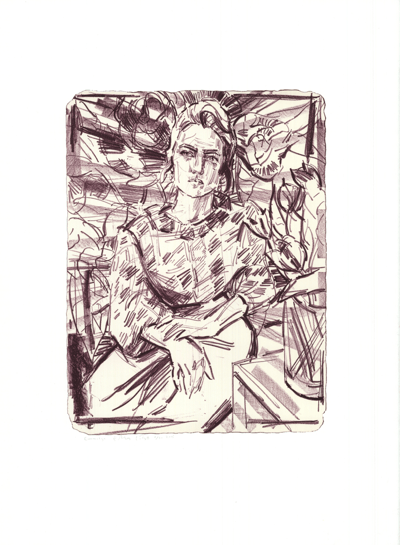
Elizabeth Peyton
Emmelyn Butterfield-Rosen, 2014
Limited Edition Print
Lithograph
USD 4,000 - 6,000
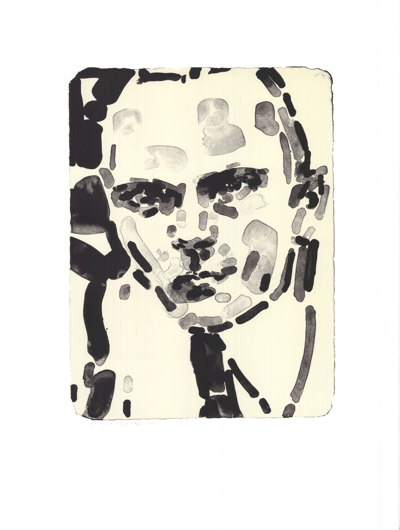
Elizabeth Peyton
Kristian, 2014
Limited Edition Print
Lithograph
USD 4,000 - 6,000
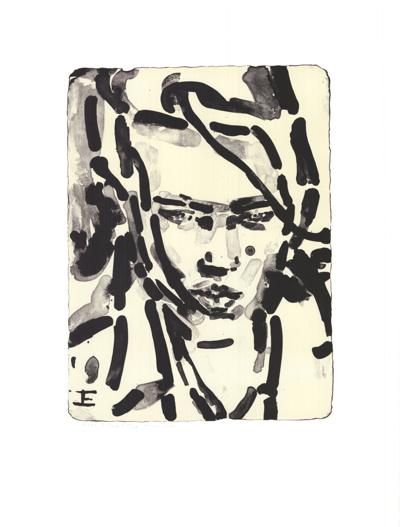
Elizabeth Peyton
Elias, 2014
Limited Edition Print
Lithograph
Inquire For Price
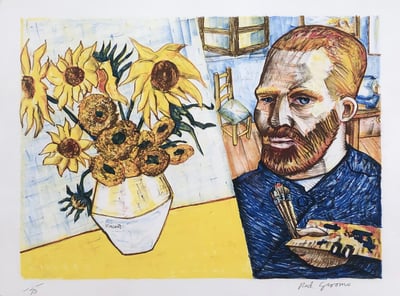
Red Grooms
Van Gogh with Sunflowers, 1988
Limited Edition Print
Lithograph
USD 5,000 - 7,000
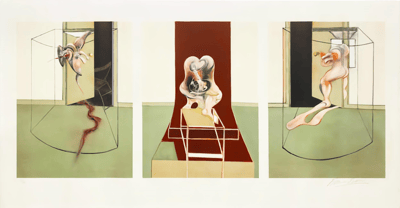
Francis Bacon
Triptych Inspired by Oresteia of Aeschylus (s.9503), 1981
Limited Edition Print
Lithograph
Inquire For Price
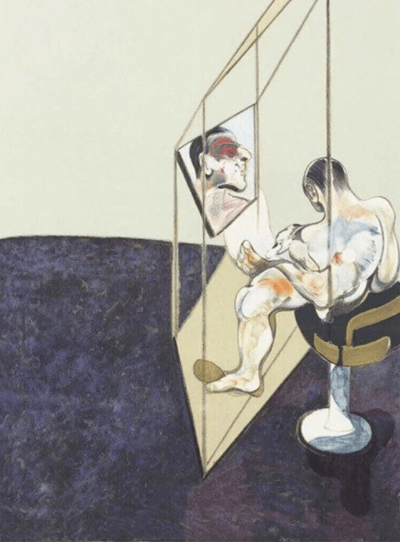
Francis Bacon
Three Studies of Male Back (One Work - Right hand panel of the triptych), 1987
Limited Edition Print
Lithograph
Inquire For Price
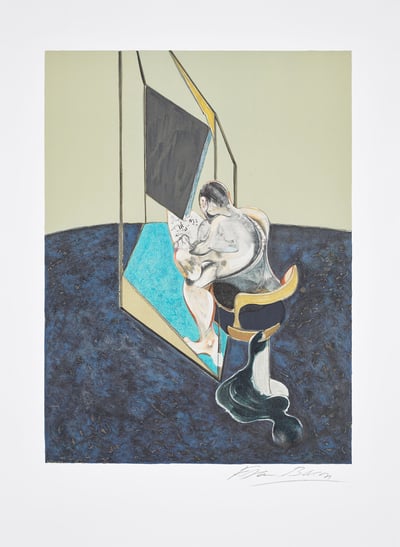
Francis Bacon
Three Studies of Male Back (One Work - Central panel of the triptych), 1987
Limited Edition Print
Lithograph
GBP 18,000 - 22,000
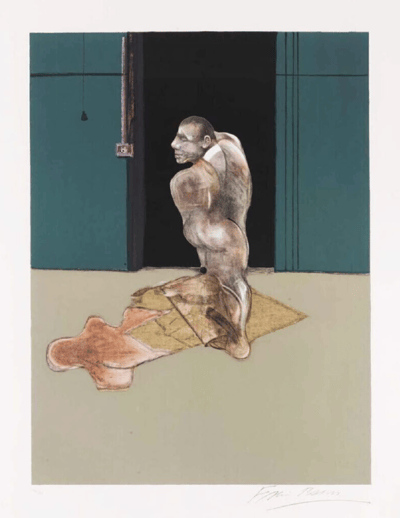
Francis Bacon
Study for a portrait of John Edwards (s.9495), 1986
Limited Edition Print
Lithograph
GBP 17,000 - 20,000
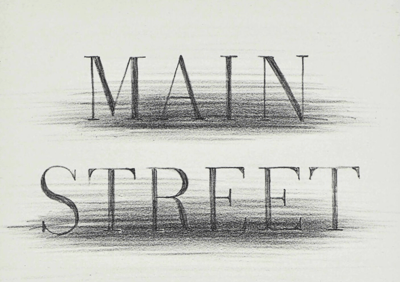
Ed Ruscha
Main Street, 1990
Limited Edition Print
Lithograph
Inquire For Price
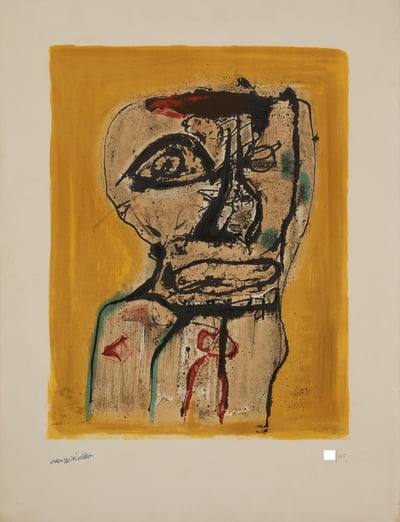
Willem Van Hecke
Untitled
Limited Edition Print
Lithograph
Currently Not Available
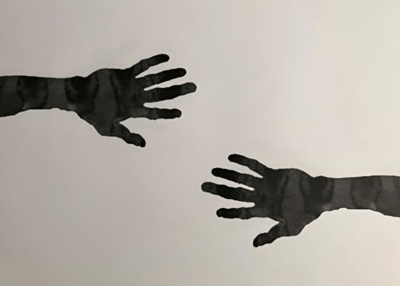
Antony Gormley
Hands, 2005
Limited Edition Print
Lithograph
GBP 1,550
Related Articles
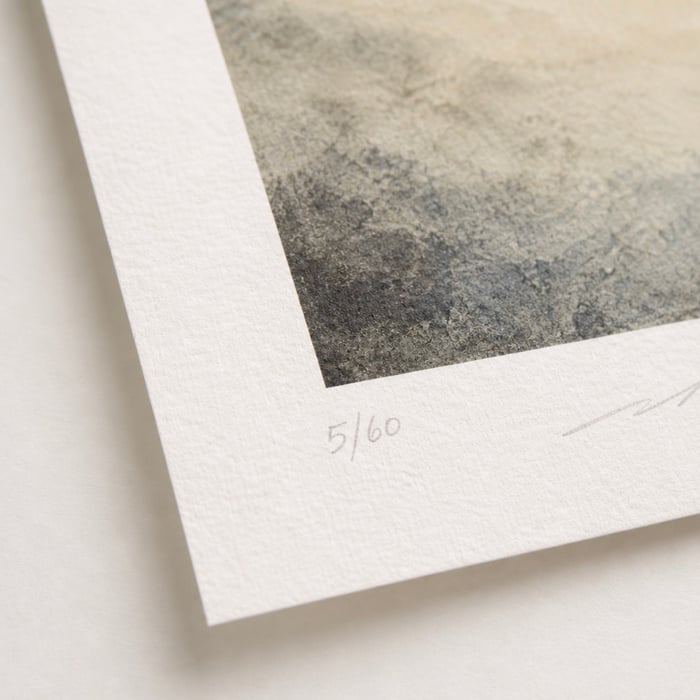


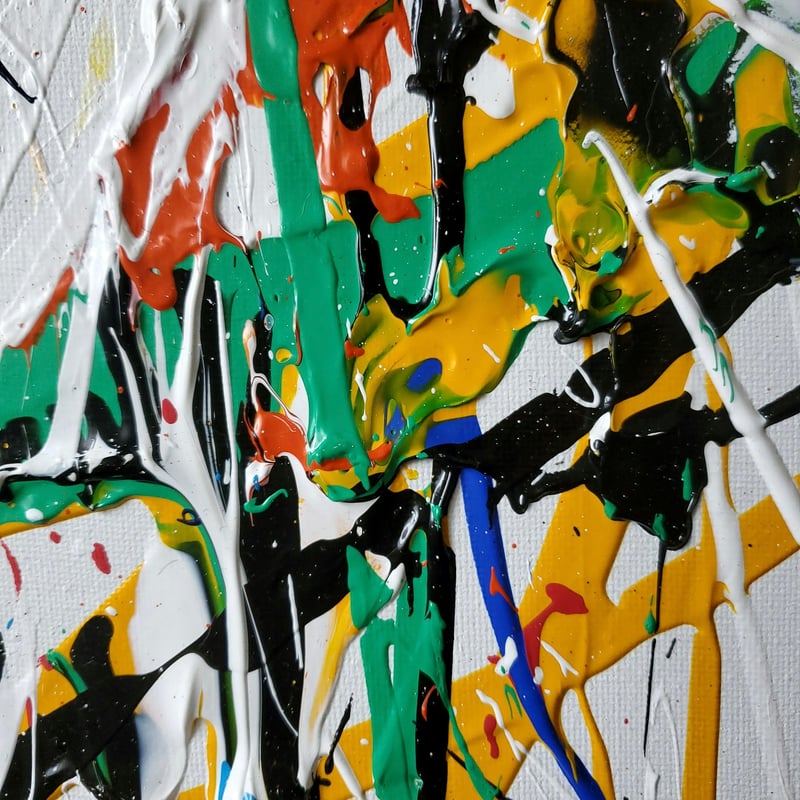
Original artwork is art that stems directly from the personal inspiration and creativity of an artist. It is not a direct copy of another artist’s work, though it may be inspired by it. The subject matter can be similar, but it cannot be an exact replication. The term also refers to a unique piece, as opposed to a multiple or edition.
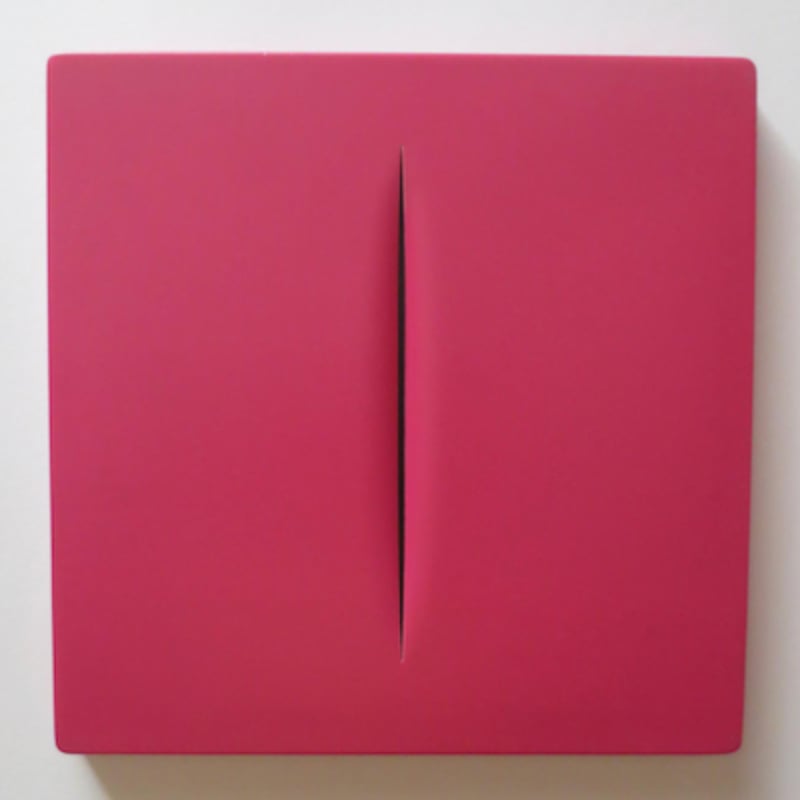
Spatialism is an art movement that originated in Italy in 1947, founded by Lucio Fontana with the intention of synthesizing sound, color, movement, and space into a new form of art. The movement's central ideas were outlined in Fontana's first manifesto, published in 1947, where he introduced the concept of spatial art to capture the spirit of the post-war era. His ideas were further developed in five subsequent manifestos. Although Fontana's ideas were sometimes considered vague, his influence was significant, as he was one of the first European artists to emphasize art as a performance and gesture.
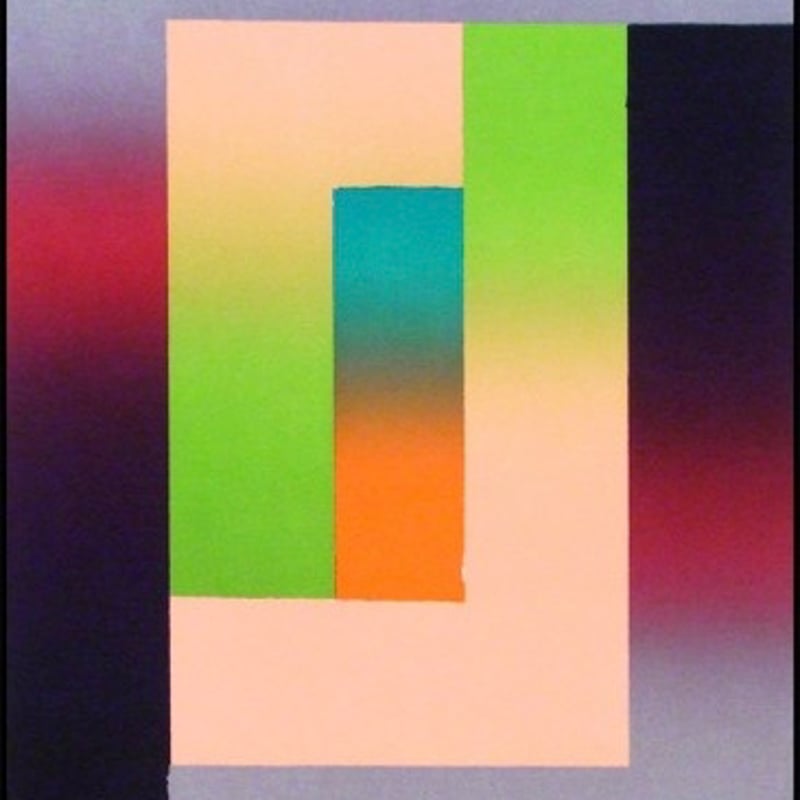
Entropy, in a broader sense, refers to the inevitable deterioration or decline of a society or system. In art, the concept was popularized by artist Robert Smithson in the 1960s. He used the term to critique what he saw as the static and overly simplified nature of contemporary minimalist art. Smithson's work often explored the idea of entropy as a force of chaos and decay, contrasting with the perceived order and purity of minimalist works.
Can't find your Answer?
Thank you! Your question has been sent — we'll get back to you shortly.
