
What is contemporary art?
- Show All
- Established
- Discoveries
- Show All
Artworks Related to Contemporary Art
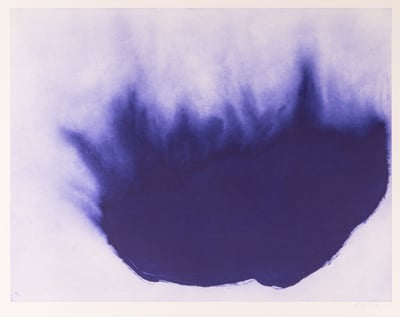
Anish Kapoor
Composition No 3, from 12 Etchings, 2007
Limited Edition Print
Etching
USD 15,000
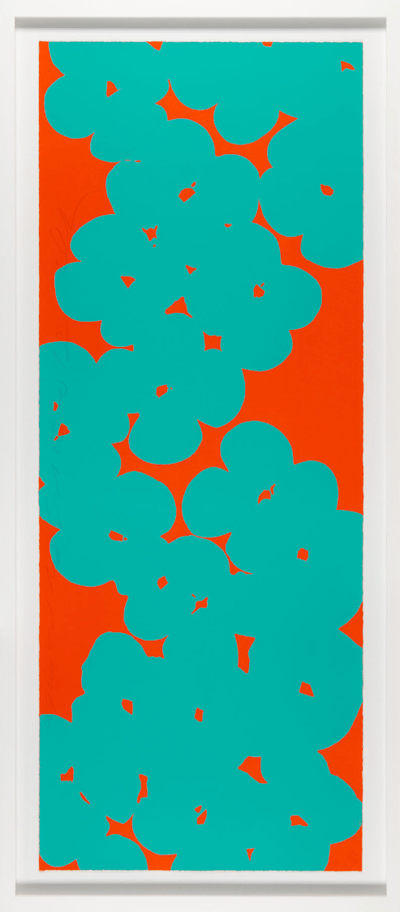
Donald Sultan
Wallflowers (Aqua and Orange), 2018
Limited Edition Print
Screen-print
USD 12,100
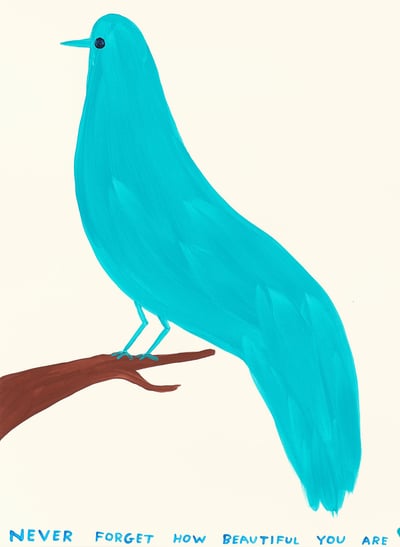
David Shrigley
Never Forget How Beautiful You Are, 2025
Drawing / Watercolor
Acrylic on paper
GBP 5,500 - 7,100
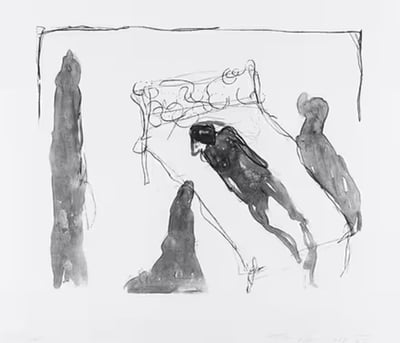
Tracey Emin
She Watched, 2017
Limited Edition Print
Lithograph
GBP 4,750 - 7,000
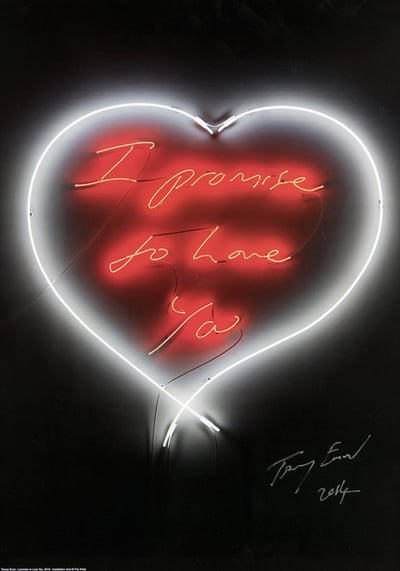
Tracey Emin
I Promise To Love You, 2014
Limited Edition Print
Lithograph
GBP 5,000 - 6,000
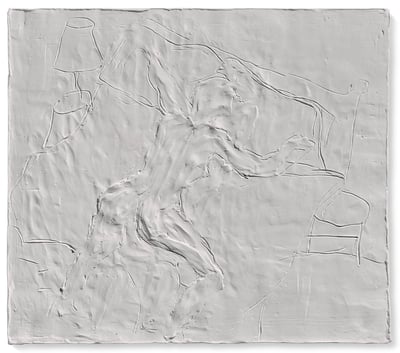
Tracey Emin
Holding On To You, 2015
Sculpture / Object
Bronze
GBP 35,000 - 45,000
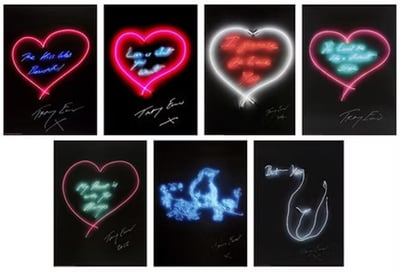
Tracey Emin
Full Set of Hand-Signed Love Neon Posters, 2014/2015
Limited Edition Print
Lithograph
GBP 22,500 - 30,000
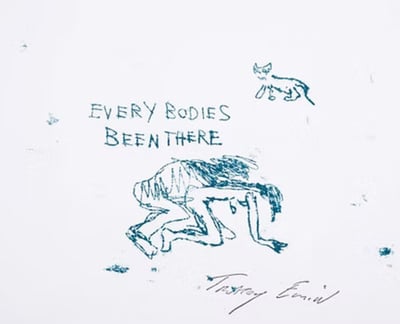
Tracey Emin
Every Bodies Been There, 1998
Limited Edition Print
Lithograph
GBP 2,340
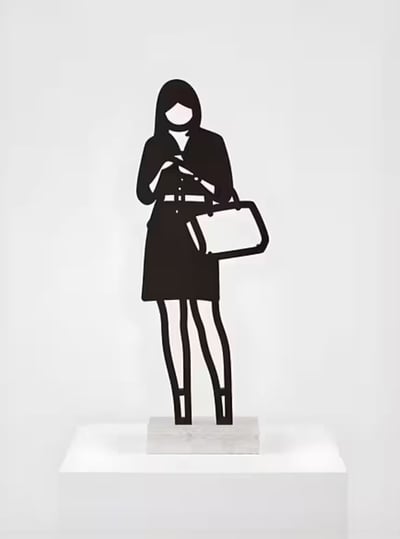
Julian Opie
Handbag, 2020
Sculpture / Object
Bronze
GBP 10,000 - 12,000
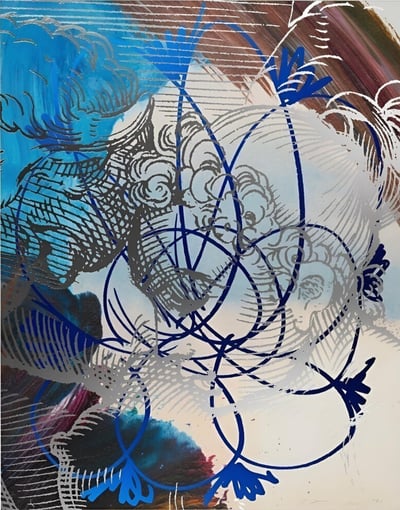
Jeff Koons
Carracci Flower, 2021
Limited Edition Print
Pigment print
GBP 14,000 - 16,000
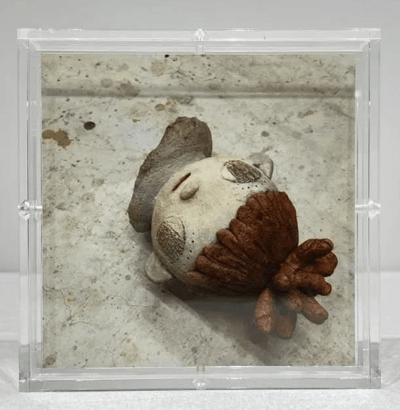
Yoshitomo Nara
Days 2014-2018: Sixteen springs and sixteen summers gone-Take your time, it won’t be long now, 2018
Sculpture / Object
Mixed Media
EUR 3,500 - 5,000
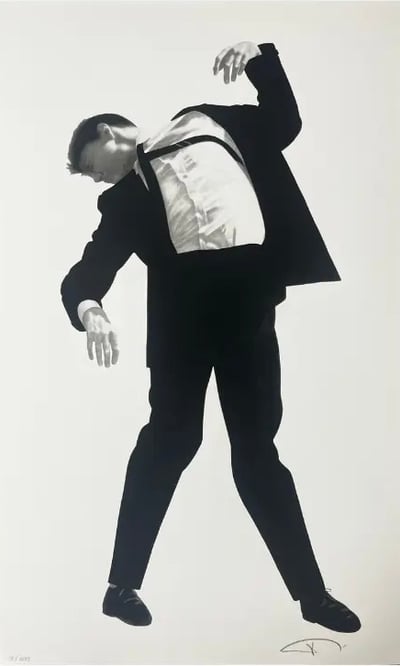
Robert Longo
Untitled (Eric, from Men in the Cities), 2025
Limited Edition Print
Silkscreen
EUR 3,000
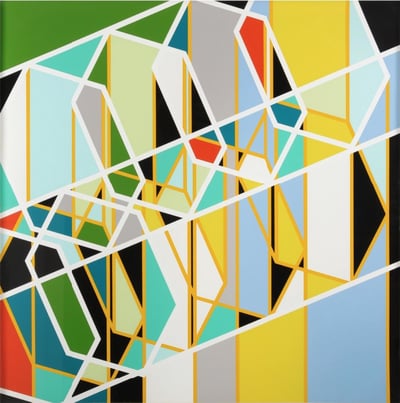
Sarah Morris
Robert Towne, 2006
Limited Edition Print
Mixed Media
EUR 2,400
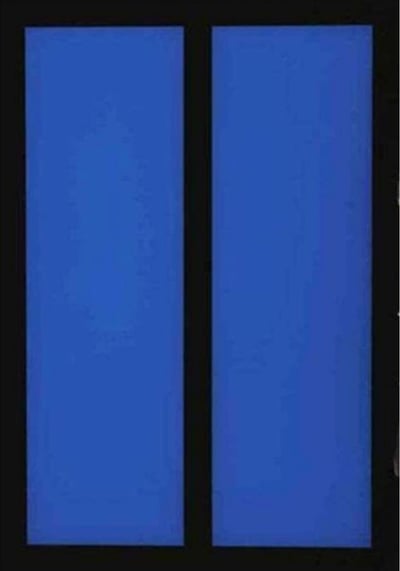
Ugo Rondinone
Into the light, 2002
Limited Edition Print
Mixed Media
EUR 3,600
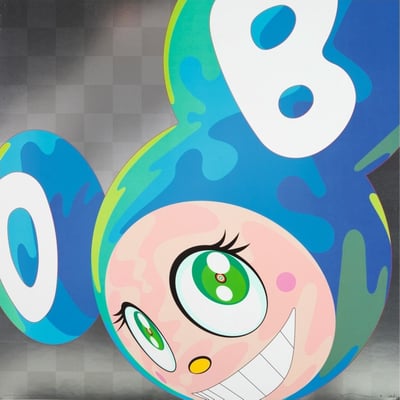
Takashi Murakami
Melting DOB (A), 2008
Limited Edition Print
Offset Print
EUR 3,000
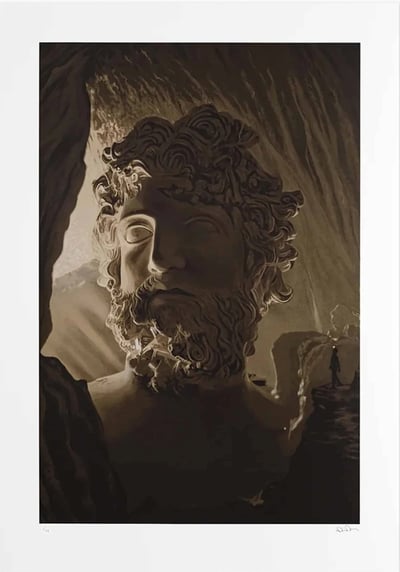
Daniel Arsham
Tropical Cave of Zeus, 2021
Limited Edition Print
Mixed Media
GBP 5,500 - 7,100
Related Articles
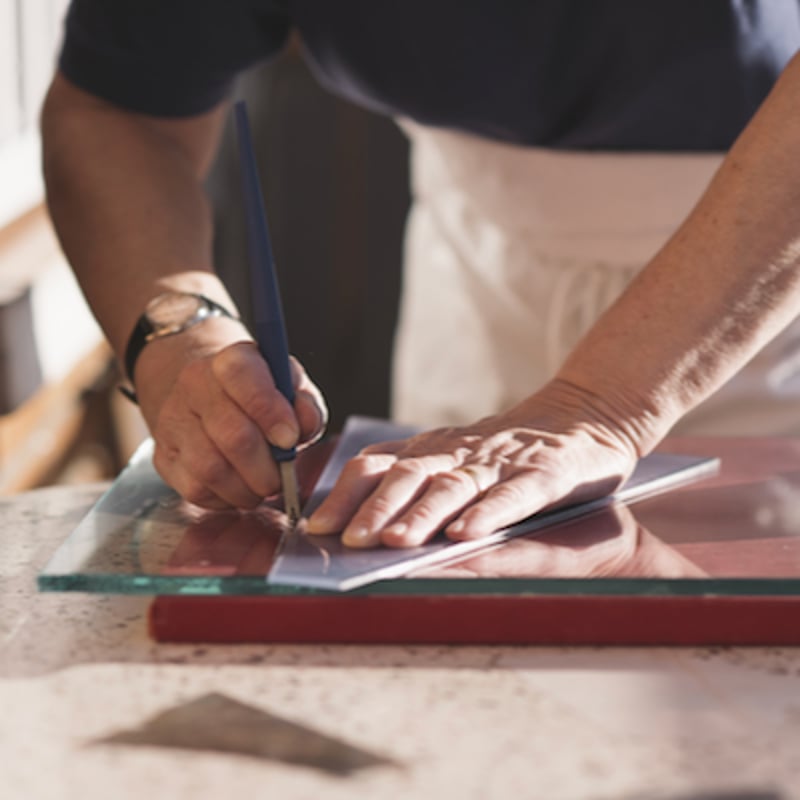
Glass is a transparent solid that varies in composition depending on the type. Artists use different types of glass to create art forms such as stained glass, blown glass, and various decorated pieces. Glass can be cut, textured, overlaid, engraved, and shaped in many ways to produce intricate and beautiful works of art.

Process Art is an artistic movement and creative approach where the focus is on the act of creation rather than the final product. The term process in this context refers to the various stages of art-making, including gathering, sorting, associating, and organizing materials and actions. This movement emphasizes the artistic journey and the human expression involved in creating art, rather than the finished piece itself. Process Art is driven by inherent motivation, intentionality, and the rationale behind the actions, viewing the creative process as the true artwork.
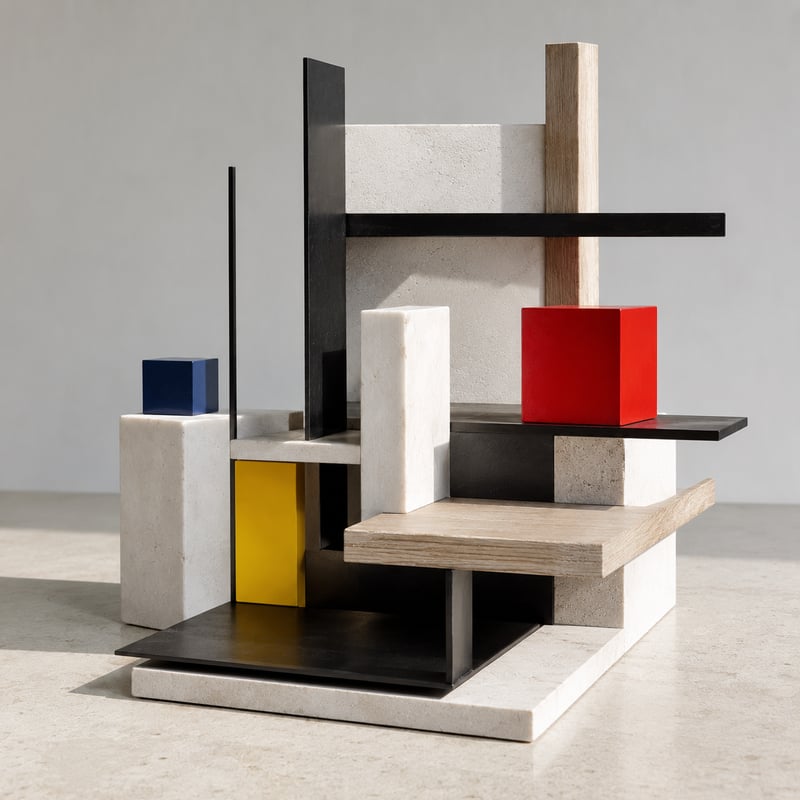
De Stijl, meaning The Style, was a group of Dutch artists who created abstract art based on strict adherence to vertical and horizontal geometry. The group was founded by Piet Mondrian and Theo van Doesburg in 1917. Mondrian eventually left De Stijl when Van Doesburg began incorporating diagonal geometry into his work, which Mondrian felt deviated from the group's principles.
Can't find your Answer?
Thank you! Your question has been sent — we'll get back to you shortly.
