
What is Process Art?
- Show All
- Established
- Discoveries
- Show All
Artworks Related to Process Art

Robert Motherwell
Game of Chance, 1987
Limited Edition Print
Collage
USD 8,400
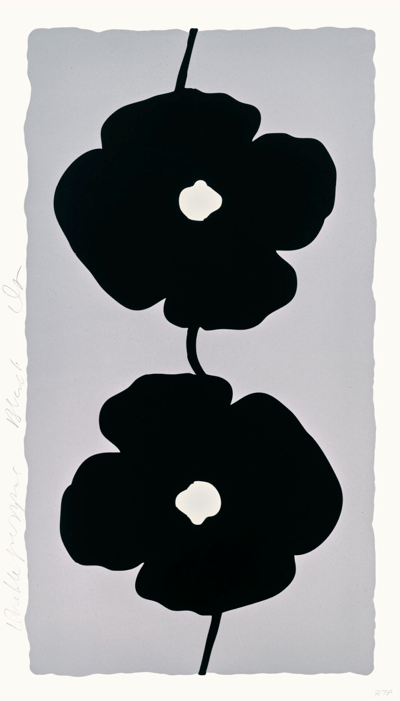
Donald Sultan
Double Poppies Black, 2025
Limited Edition Print
Mixed Media
USD 6,000
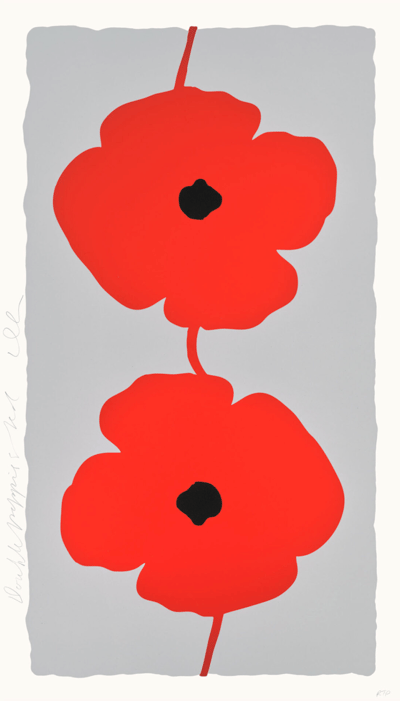
Donald Sultan
Double Poppies Red, 2025
Limited Edition Print
Mixed Media
USD 6,000
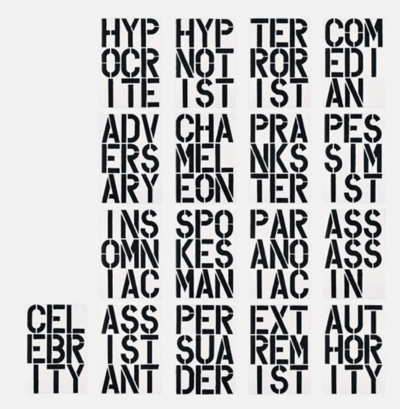
Christopher Wool
Black Book, 1989
Limited Edition Print
Lithograph
GBP 30,000 - 40,000
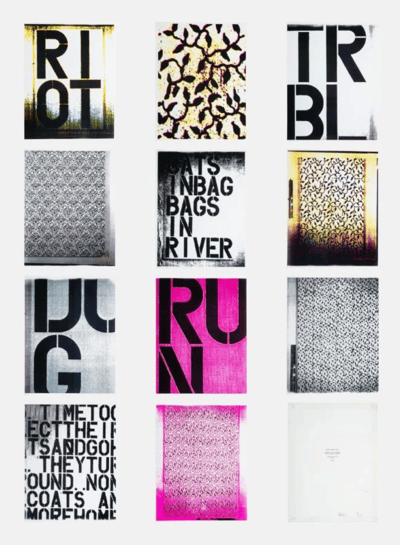
Christopher Wool
Untitled (Cats in Bag), 1990
Limited Edition Print
Mixed Media
GBP 22,000 - 30,000
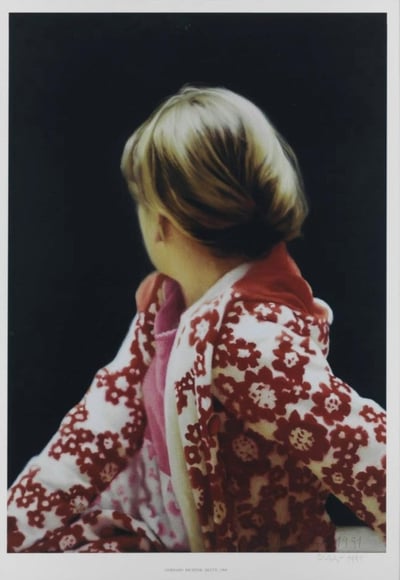
Gerhard Richter
Betty, 1991
Limited Edition Print
Offset Print
GBP 21,000 - 26,500
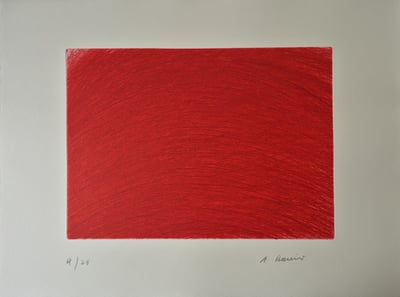
Arnulf Rainer
Red Wave, 2017
Limited Edition Print
Etching
EUR 4,800
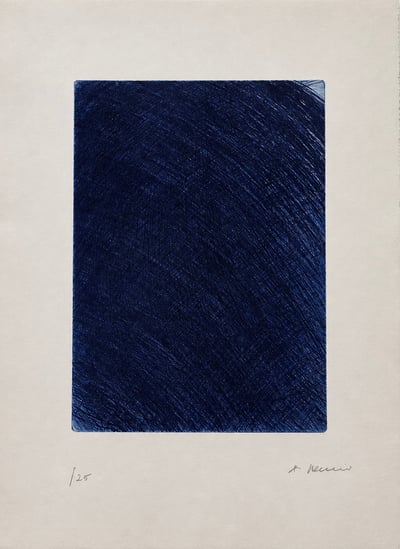
Arnulf Rainer
Blue Hour, 2017
Limited Edition Print
Etching
EUR 4,800
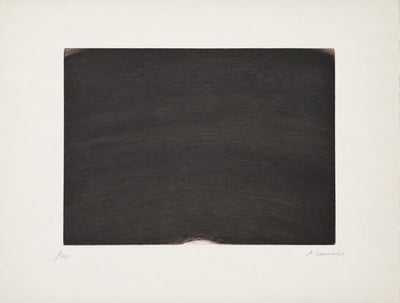
Arnulf Rainer
Tube, 1966/67 - 1986
Limited Edition Print
Etching
EUR 4,200
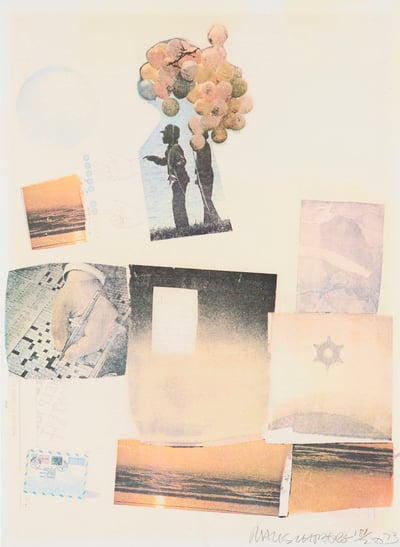
Robert Rauschenberg
Support, 1973
Limited Edition Print
Screen-print
USD 1,450
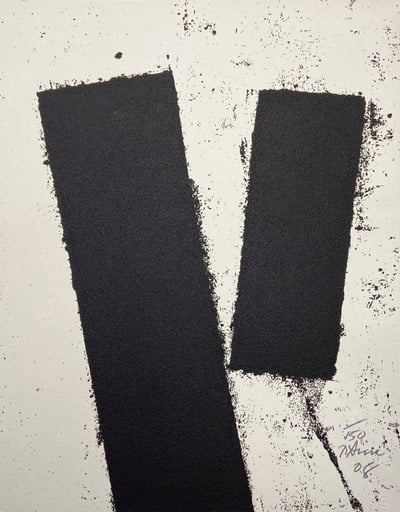
Richard Serra
Promenade Notebook Drawing for Obama, 2008
Limited Edition Print
Etching
Inquire For Price
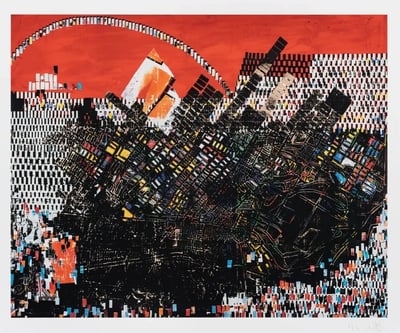
Mark Bradford
Scorched Earth, 2025
Limited Edition Print
Silkscreen
EUR 5,000 - 7,000
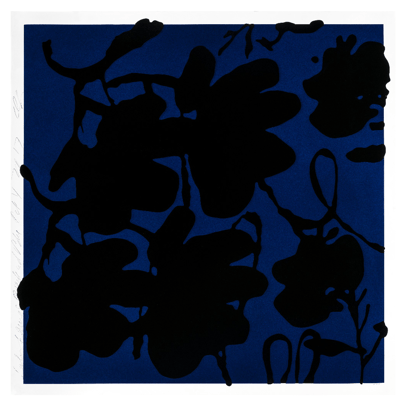
Donald Sultan
Lantern flowers (Black & blue), 2017
Limited Edition Print
Screen-print
USD 12,000
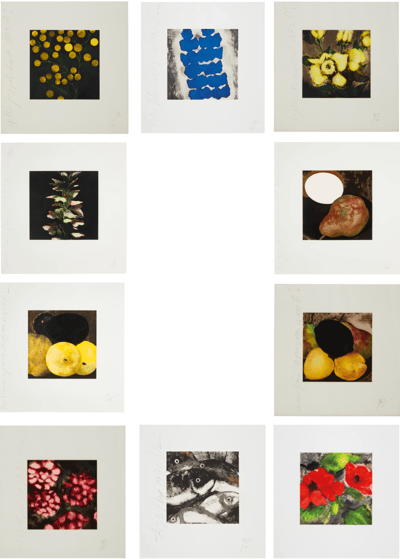
Donald Sultan
Fruit & Flowers, 1990’s
Limited Edition Print
Screen-print
USD 28,000
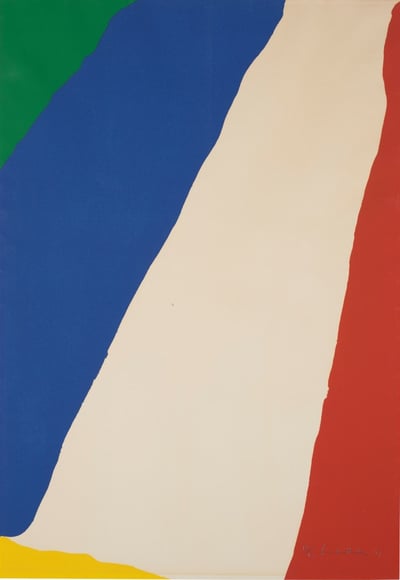
Helen Frankenthaler
Untitled, 1967
Limited Edition Print
Screen-print
USD 6,550
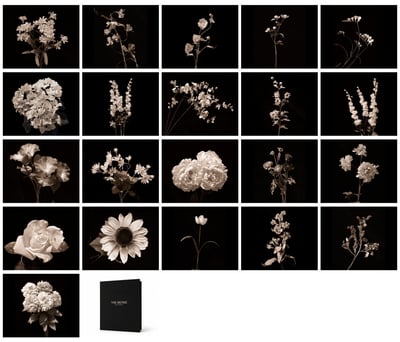
Vik Muniz
Flora Industrialis B/N, 2026
Photography
Photograph
EUR 25,000
Related Articles
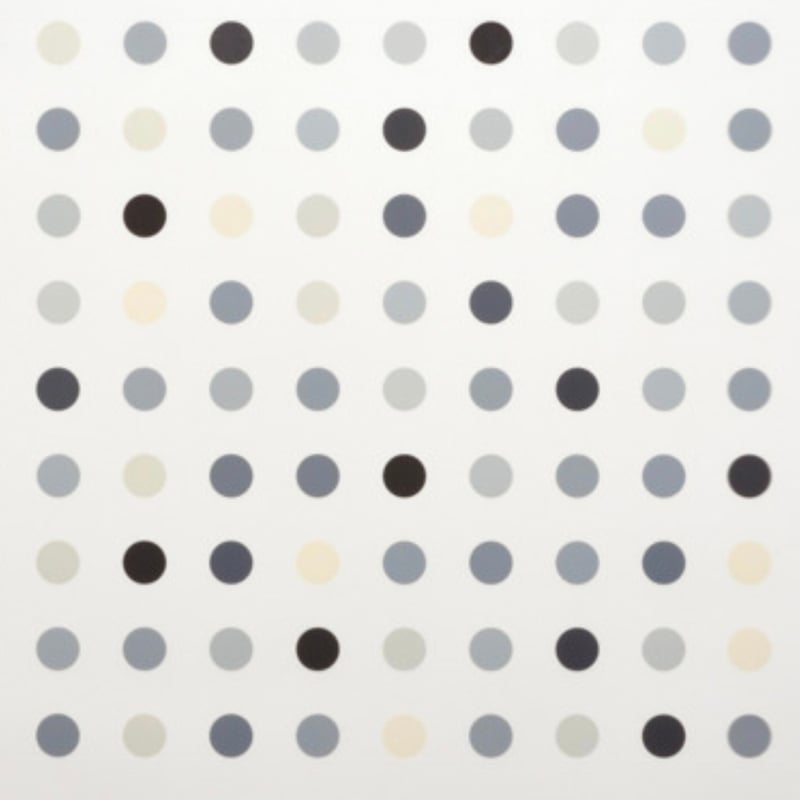
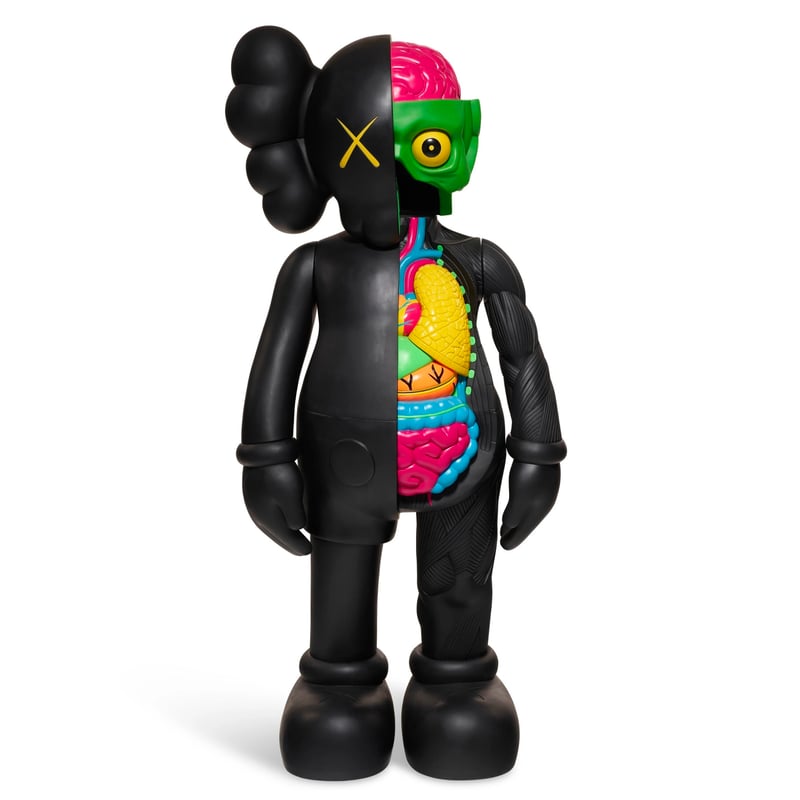

Art Intervention refers to art created with the intention of interacting with an existing situation, structure, artwork, audience, or institution. This form of art gained popularity in the 1960s as artists sought to provoke change within political and social contexts. The concept of Artist-in-Residence programs was influenced by the ideas and practices of this movement.
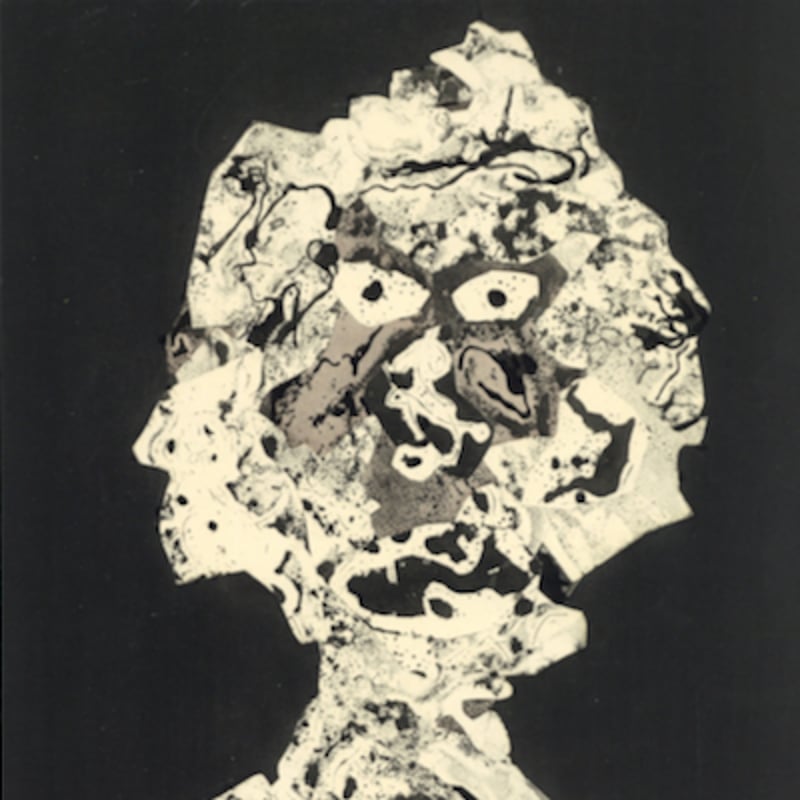
Art Brut, a French term meaning Raw Art, was coined by Jean Dubuffet to describe art created outside the conventional fine arts tradition. Dubuffet used the term to refer to works made by self-taught artists, including the mentally ill, prisoners, and others on the margins of society. He also called it Outsider Art. This art is characterized by its raw, unrefined nature, often created without concern for traditional presentation or imitation.

Space Art is an artistic genre that depicts the cosmic elements of the universe, including celestial bodies, interstellar space, and space exploration. It began in 1865 with the first science-based illustrations by A. de Neuville and Emile Bayard in Jules Verne’s novel From the Earth to the Moon. Space Art has since evolved to include various forms of visual art inspired by astronomical discoveries and the human imagination, playing a key role in visualizing the wonders of space.
Can't find your Answer?
Thank you! Your question has been sent — we'll get back to you shortly.
