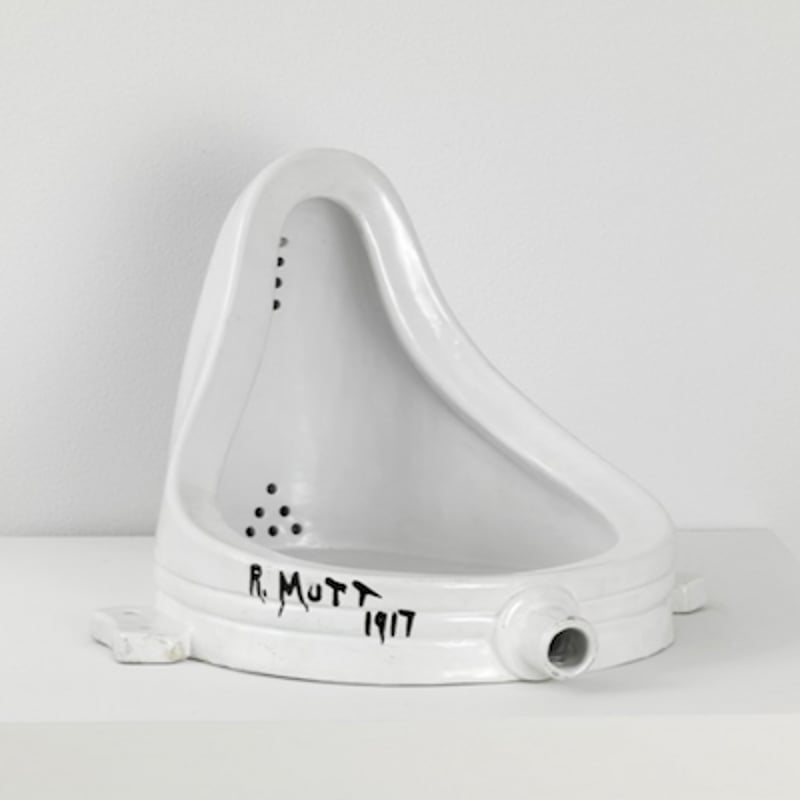
What is anti-art?
Artworks Related to Anti-art
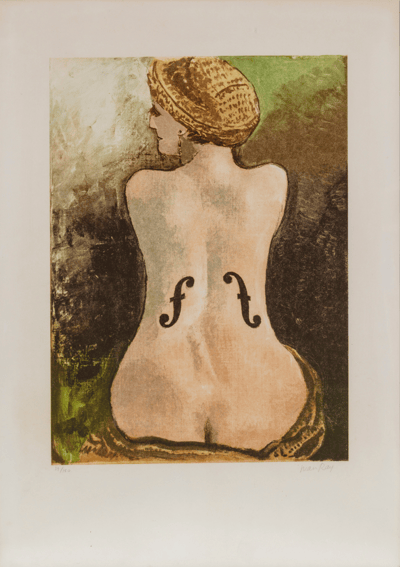
Man Ray
Le Violon d'Ingres, 1968
Limited Edition Print
Lithograph
EUR 5,000
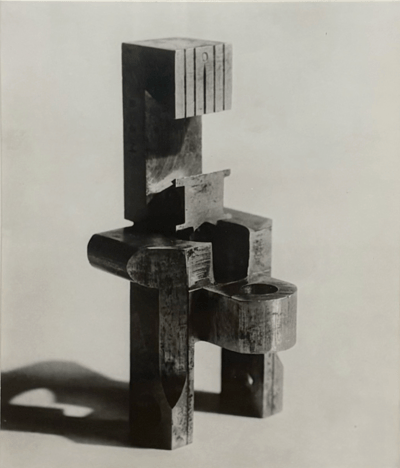
Man Ray
The Rebus, 1926
Photography
Gelatin Silver Print
EUR 6,500
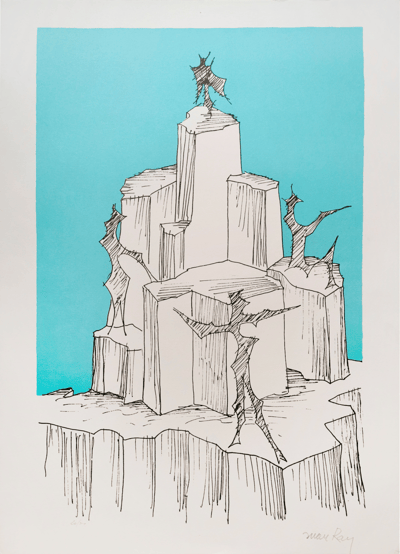
Man Ray
La Montagna di Cristallo, 1971
Limited Edition Print
Lithograph
EUR 2,400
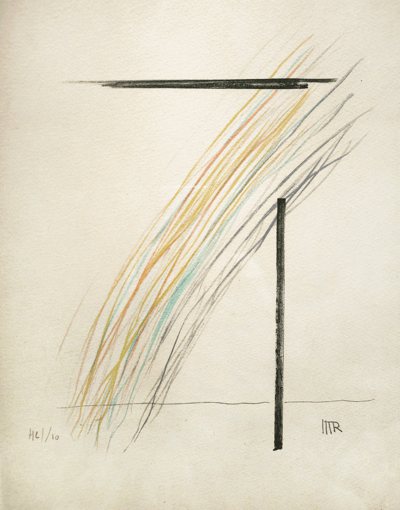
Man Ray
Invasion de l'espace, 1974
Limited Edition Print
Lithograph
EUR 2,300
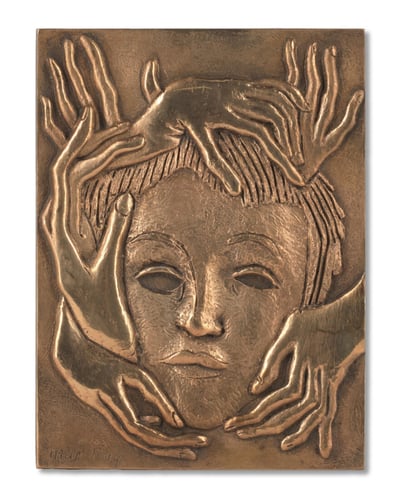
Man Ray
Masque, 1971
Sculpture / Object
Bronze
USD 9,750
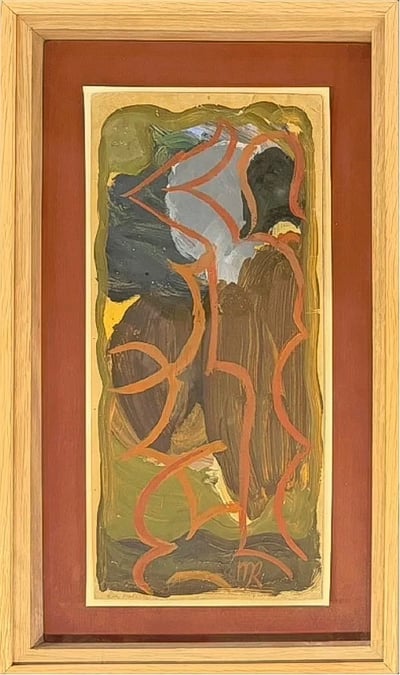
Man Ray
La Palette, 1944
Painting
Oil on paper
Inquire For Price

Man Ray
À l’heure de l’observatoire – Les amoureux, 1970
Limited Edition Print
Lithograph
EUR 38,500
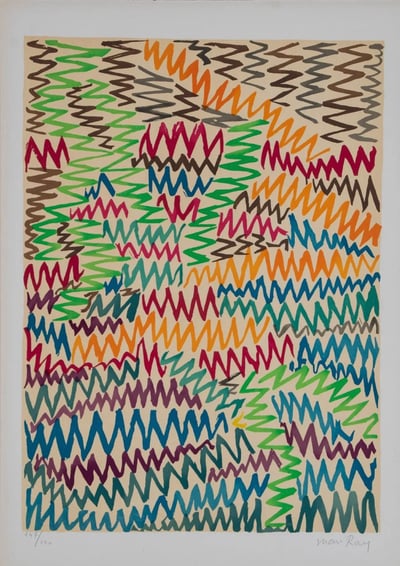
Man Ray
Untitled (from On the Origin of Species by Irrational Selection), 1971
Limited Edition Print
Lithograph
USD 1,250

Man Ray
Cadeau (special edition), 1921-1974
Sculpture / Object
Metal
EUR 14,250
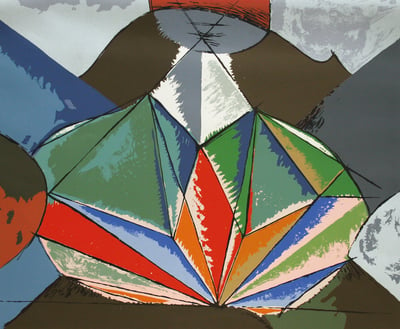
Man Ray
Cactus Diamond , 1969
Limited Edition Print
Silkscreen
EUR 4,850

Man Ray
Rue Férou, 1974
Limited Edition Print
Lithograph
EUR 2,500

Man Ray
La Fortune II, 1973
Limited Edition Print
Lithograph
EUR 4,250

Man Ray
Incompris, 1962
Limited Edition Print
Lithograph
EUR 3,660

Man Ray
Tre Figure, 1968
Limited Edition Print
Lithograph
EUR 3,450
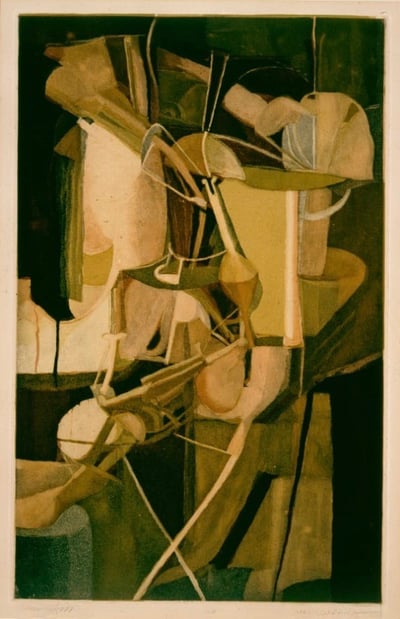
Marcel Duchamp
La Mariée (The bride), 1934
Limited Edition Print
Aquatint
Currently Not Available

Man Ray
La Ballade des dames hors du temps, Natasha, 1971
Limited Edition Print
Etching and Aquatint
EUR 3,125
Related Articles


Futurism was an early 20th-century art movement that sought to capture the energy and dynamism of the modern world. The movement was launched by Italian poet Filippo Tommaso Marinetti, who published the Manifesto of Futurism on February 20, 1909. Futurism denounced the past and passionately embraced technology, industry, and the speed of modern life.

Mezzotint is a printmaking technique in which a copper or steel plate is roughened to produce a solid black print. The artist smooths specific areas of the plate to create a range of tones, from deep blacks to delicate grays and whites. By varying the degree of smoothing, the artist can achieve detailed gradations of light and shadow, resulting in prints with rich, velvety textures and subtle transitions between light and dark.

Photography is the process of creating an image on light sensitive materials. The image is produced by using a camera, which has a lens that focuses on light either reflected or emitted from an object. These visible wavelengths are used to reproduce the image seen.
Can't find your Answer?
Thank you! Your question has been sent — we'll get back to you shortly.
