
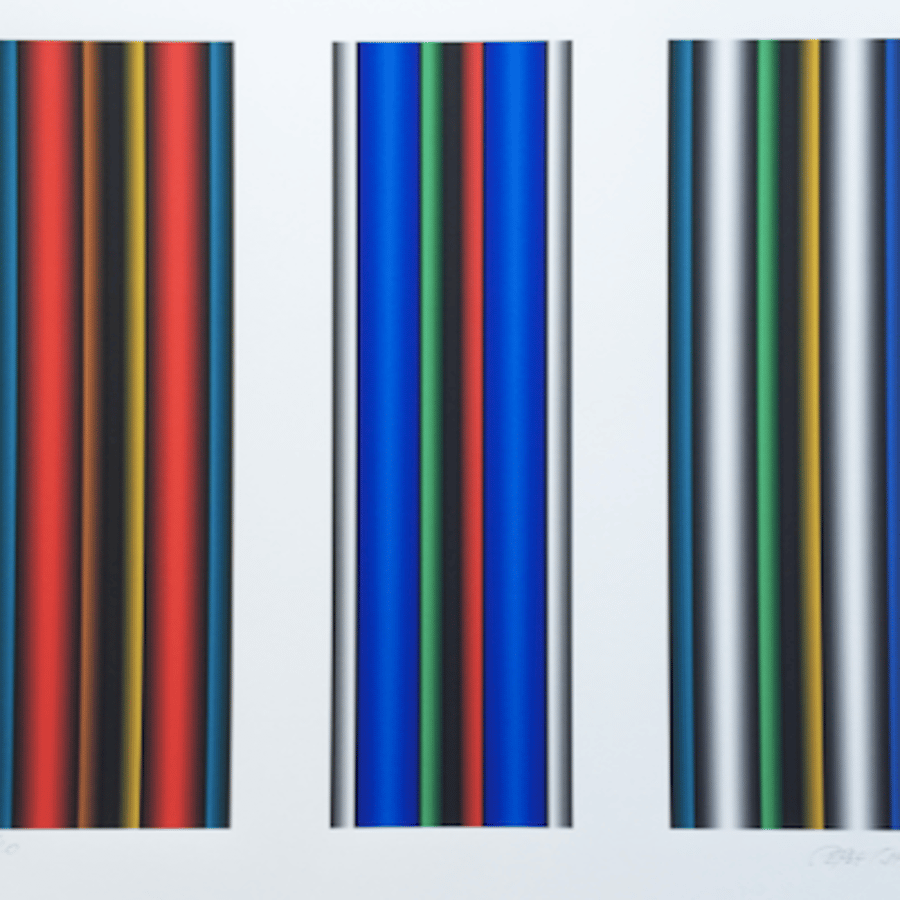
What is a Lithograph?
- Show All
- Established
- Discoveries
- Show All
Artworks Related to Lithograph
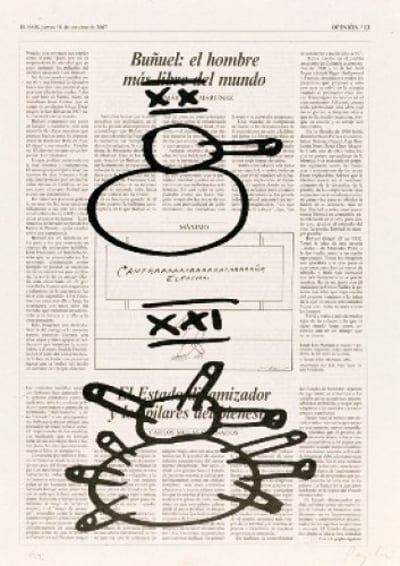
Dan Perjovschi
El País, 2007
Limited Edition Print
Lithograph
EUR 500
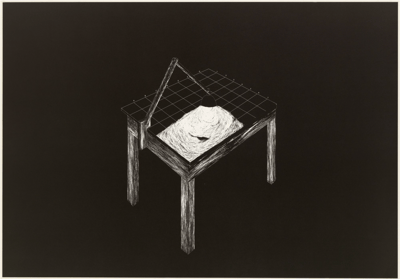
André Komatsu
Desapropriaçâo 1, 2011
Limited Edition Print
Lithograph
EUR 700
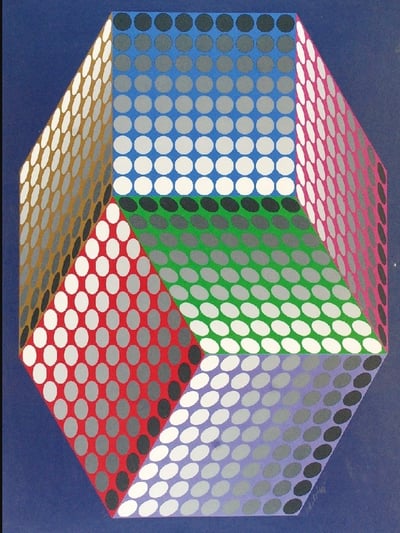
Victor Vasarely
Togonne, 1987
Limited Edition Print
Lithograph
EUR 2,330
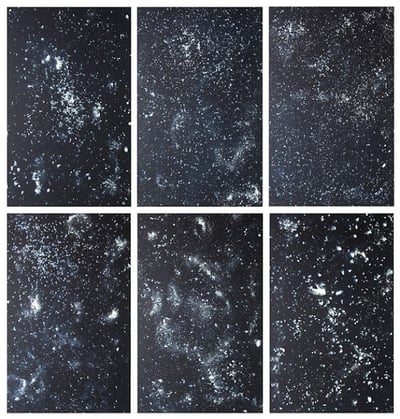
Ugo Rondinone
Stars, portfolio, 2009
Limited Edition Print
Lithograph
EUR 12,000
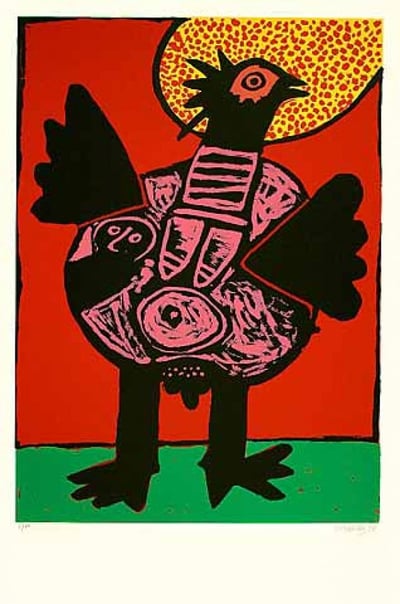
Guillaume Corneille
Big bird (Grosser Vogel), 1991
Limited Edition Print
Lithograph
Currently Not Available
Guillaume Corneille
Le grand oiseau du désert, 1999
Limited Edition Print
Lithograph
EUR 2,100

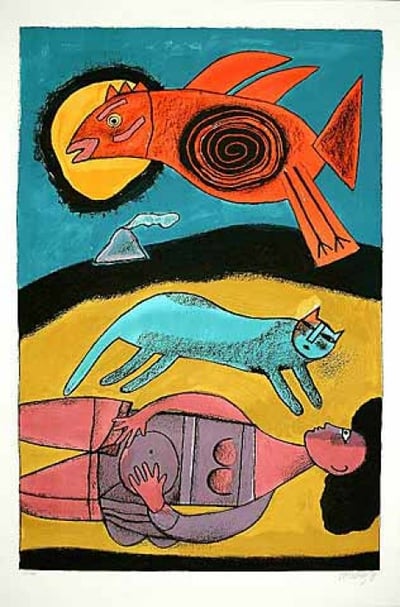
Guillaume Corneille
Liegender Akt, 1991
Limited Edition Print
Lithograph
EUR 3,800
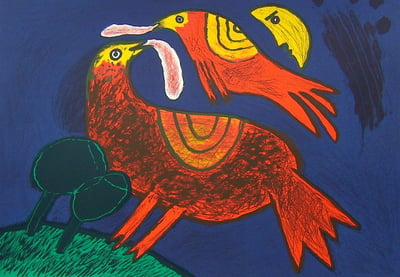
Guillaume Corneille
Demi-Lune dans ciel Catalan, 1990
Limited Edition Print
Lithograph
EUR 1,200
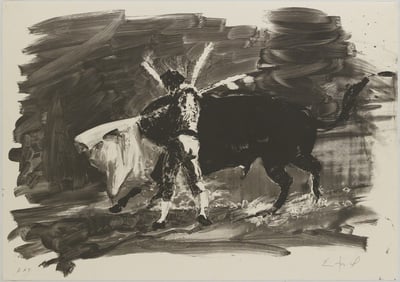
Eric Fischl
CAC, 2009
Limited Edition Print
Lithograph
EUR 2,000

Asger Jorn
L’oubli, 1960/61
Limited Edition Print
Lithograph
USD 3,000
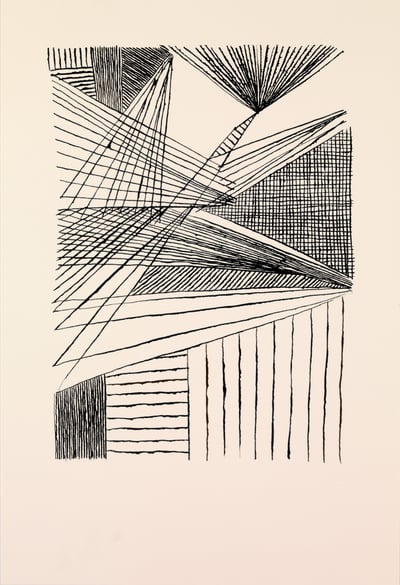
León Ferrari
Sin título 4, 2008
Limited Edition Print
Lithograph
EUR 1,000
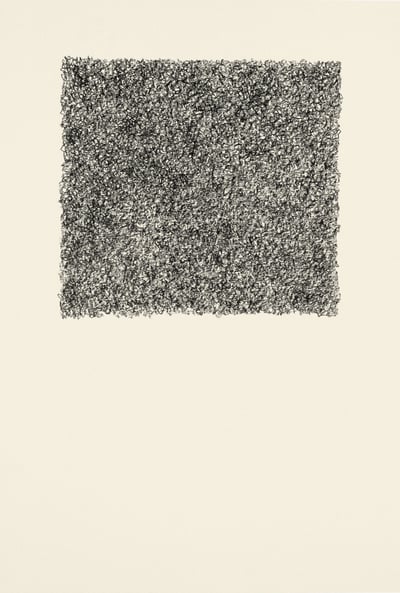
León Ferrari
Sin título 3, 2008
Limited Edition Print
Lithograph
EUR 1,000
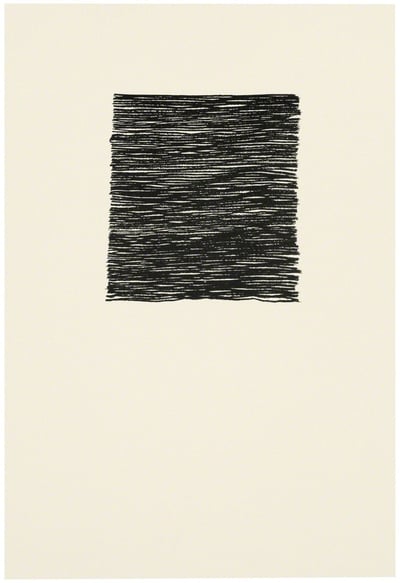
León Ferrari
Sin título 2, 2008
Limited Edition Print
Lithograph
EUR 1,000
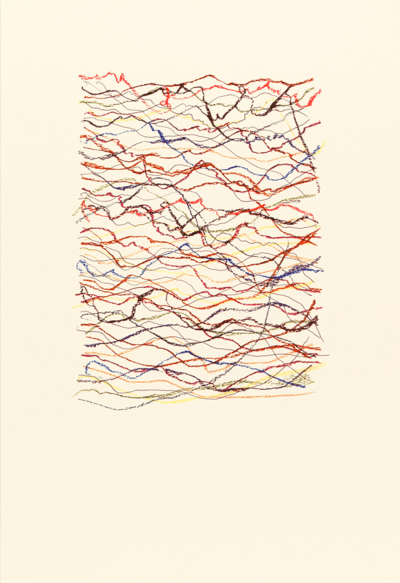
León Ferrari
Mod. 14, 2009
Limited Edition Print
Lithograph
EUR 1,000
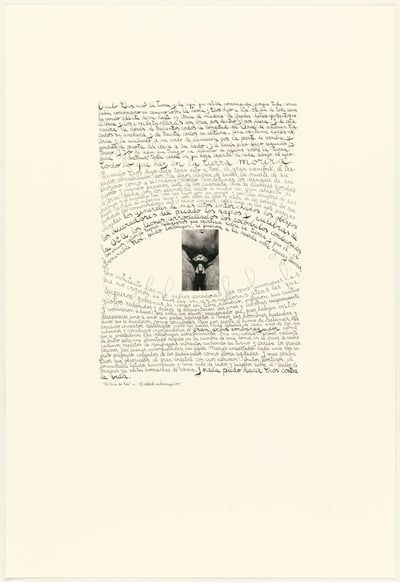
León Ferrari
Árbol embarazador, 2009
Limited Edition Print
Lithograph
EUR 1,000
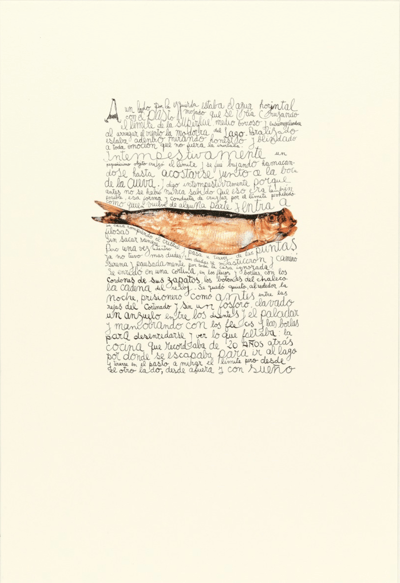
León Ferrari
A un lado por la izquierda, 2009
Limited Edition Print
Lithograph
EUR 1,000
Related Articles
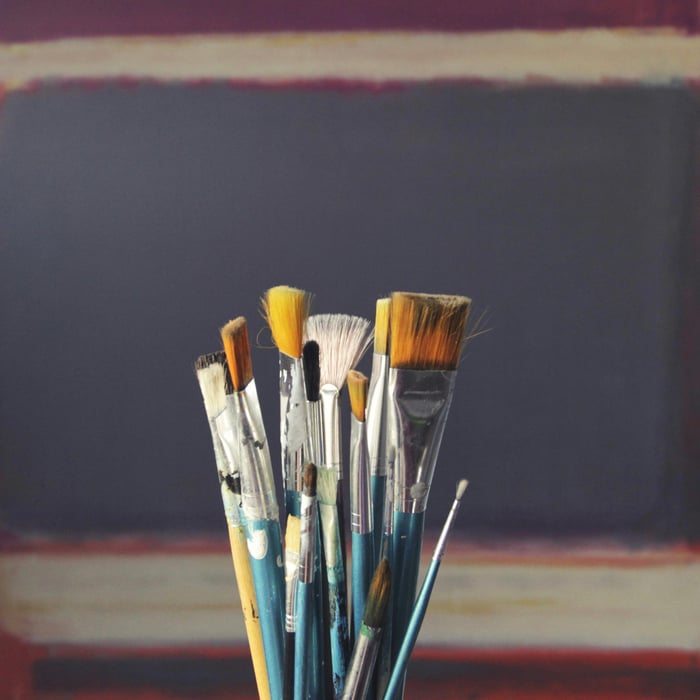

Transavanguardia is the Italian version of Neo-Expressionism, referring to an art movement that emerged in Italy and other parts of Western Europe during the 1970s and 1980s. The term translates to beyond the avant-garde. Transavanguardia arose as a reaction against the dominance of conceptual art, reintroducing emotion and reviving painting as a primary medium. The movement marked a return to mythic imagery and figurative art, celebrating a rediscovery of traditional forms and themes in a contemporary context.
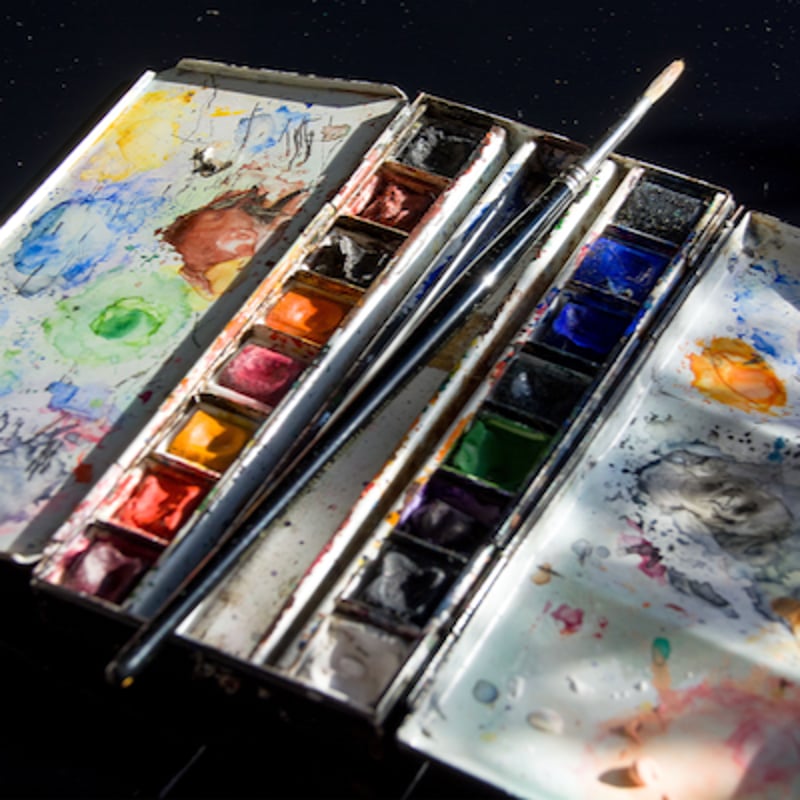
Watercolor refers to both the medium and the resulting artwork created using pigments suspended in a water-soluble vehicle. Watercolors are known for their luminous, transparent appearance because the pigments are applied in pure form with minimal fillers. By adding Chinese white, the watercolor can become opaque, resembling gouache.

Intaglio is a printmaking technique where the artist creates marks on a metal plate that hold ink or dye. The inked plate is then pressed onto paper, transferring the ink to the sheet. This process can be repeated multiple times depending on the technique. Intaglio methods, such as etching, often involve applying a mordant (acid) to the metal plate to create the design. Intaglio encompasses various techniques, including engraving, etching, and drypoint.
Can't find your Answer?
Thank you! Your question has been sent — we'll get back to you shortly.
