
What is an Aquatint?
- Show All
- Established
- Discoveries
- Show All
Artworks Related to Aquatint

Pablo Picasso
El torero sale en hombros de los aficionados, 1959
Limited Edition Print
Aquatint
EUR 2,500

Joan Miró
Archipel Sauvage III, 1970
Limited Edition Print
Aquatint
EUR 13,200
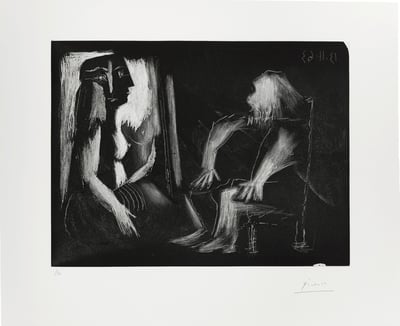
Pablo Picasso
Scène d'intérieur: l'atelier (Bloch 1128; Baer 1125.II.B.b.1), 1963
Limited Edition Print
Aquatint
GBP 9,000 - 11,500
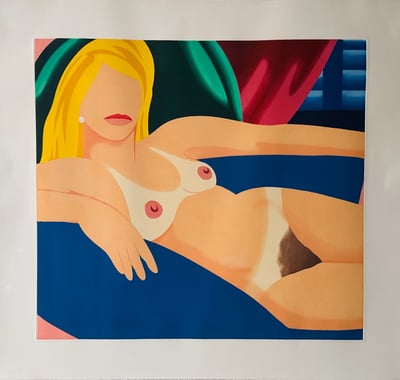
Tom Wesselmann
Nude, 1980
Limited Edition Print
Aquatint
EUR 14,875
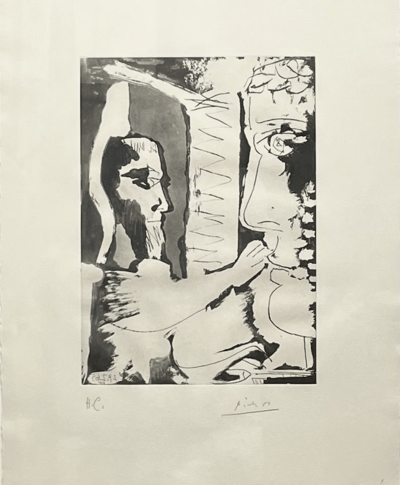
Pablo Picasso
Sculpteur et Sculpture, 1965
Limited Edition Print
Aquatint
EUR 10,400
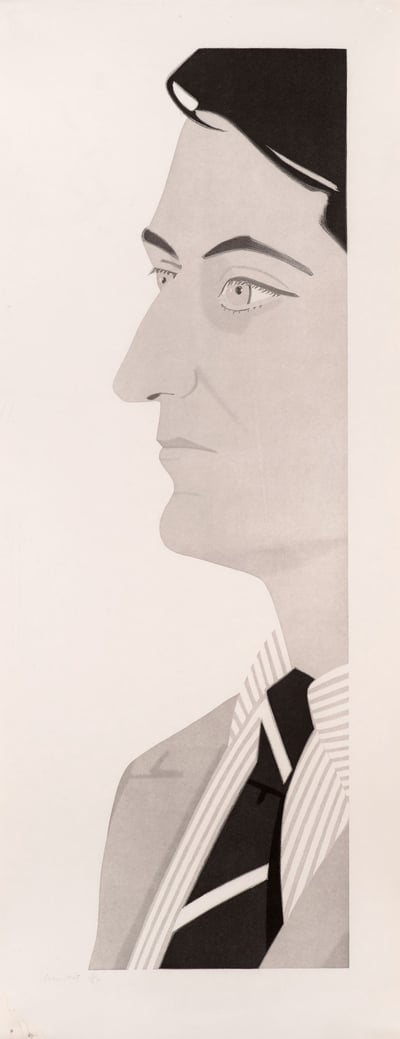
Alex Katz
John Ashbery, 1986
Limited Edition Print
Aquatint
USD 6,190
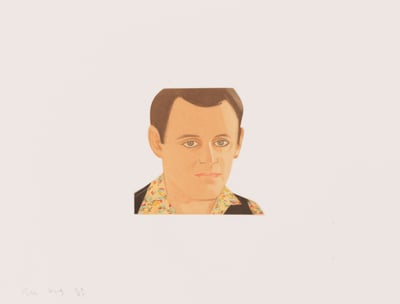
Alex Katz
Face of the Poet 6, 1978
Limited Edition Print
Aquatint
USD 2,700
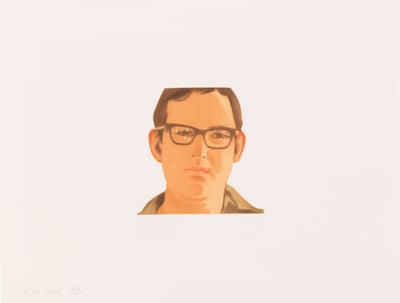
Alex Katz
Face of the Poet 5, 1978
Limited Edition Print
Aquatint
USD 2,700
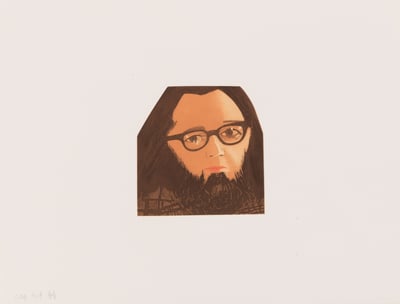
Alex Katz
Face of the Poet 4, 1978
Limited Edition Print
Aquatint
USD 2,700
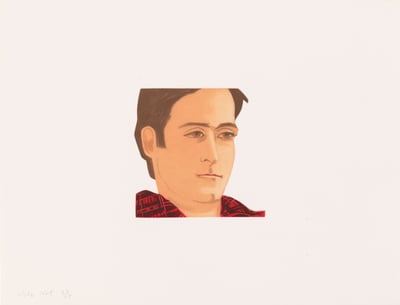
Alex Katz
Face of the Poet 3, 1978
Limited Edition Print
Aquatint
USD 2,700
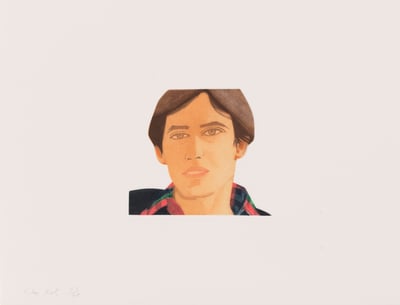
Alex Katz
Face of the Poet 2, 1978
Limited Edition Print
Aquatint
USD 2,700
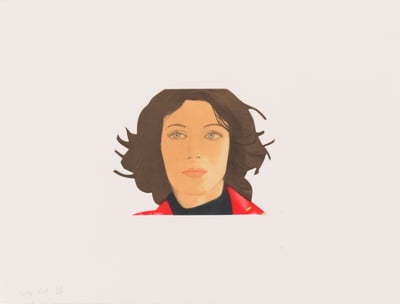
Alex Katz
Face of the Poet 1, 1978
Limited Edition Print
Aquatint
USD 2,700
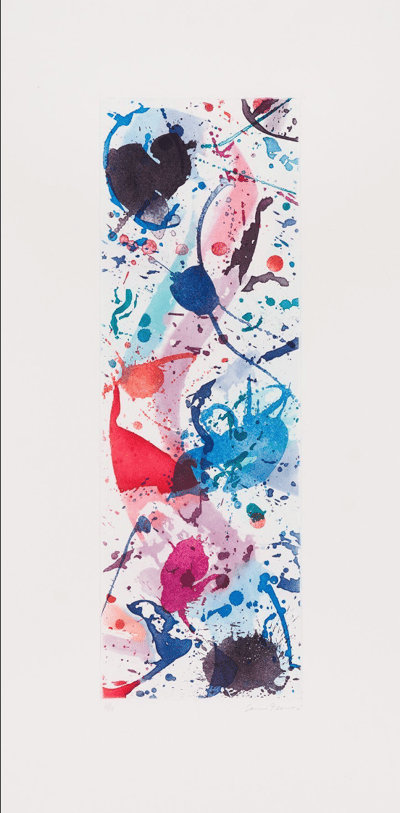
Sam Francis
Untitled (SFE-013), 1984
Limited Edition Print
Aquatint
USD 7,400
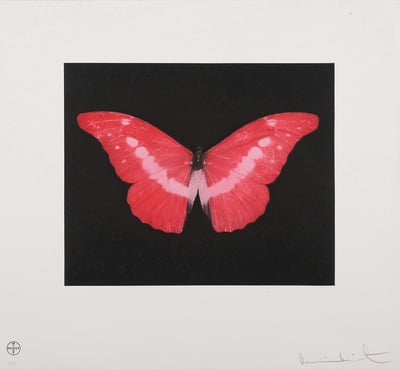
Damien Hirst
To Lose, 2008
Limited Edition Print
Aquatint
GBP 8,500 - 11,000
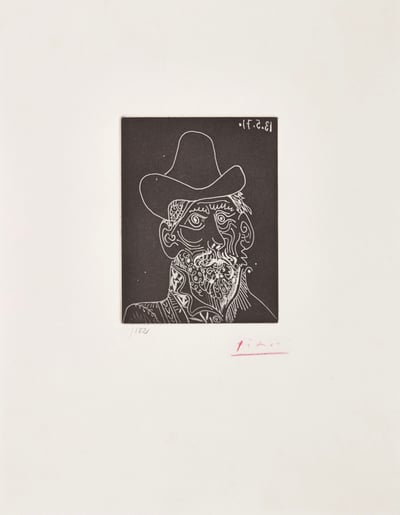
Pablo Picasso
Buste d'homme barbu au chapeau, 1971
Limited Edition Print
Aquatint
EUR 7,500
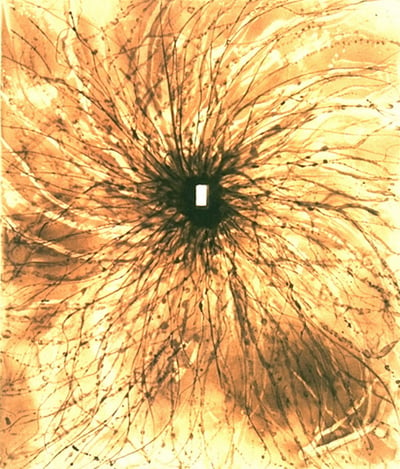
Anish Kapoor
Door, 1991
Limited Edition Print
Aquatint
EUR 9,000
Related Articles

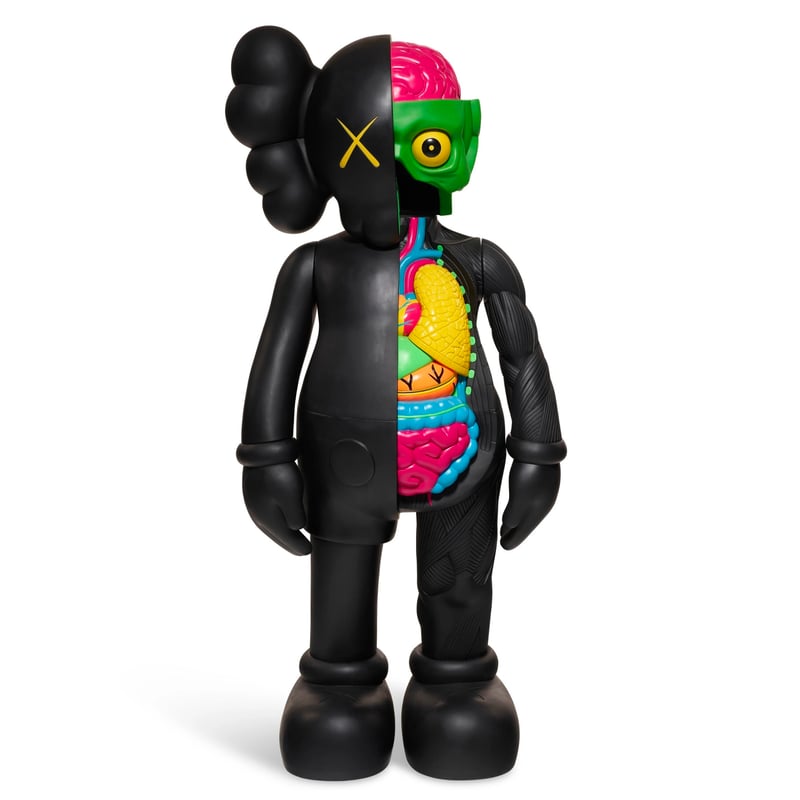
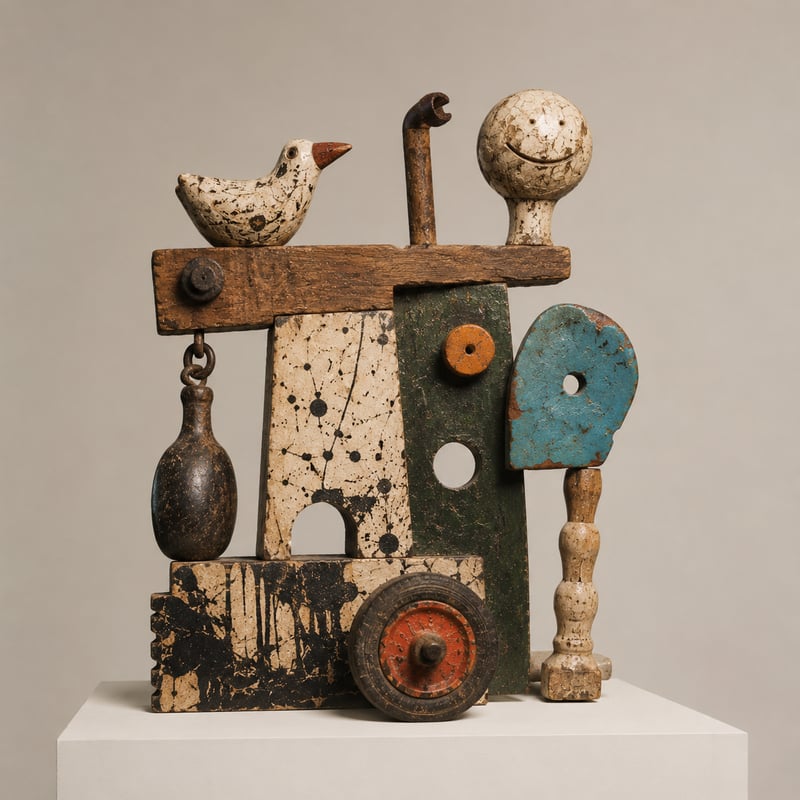
In the 1960s, Funk Art emerged as a reactive movement against Abstract Expressionism. It was widely known as an anti-establishment movement, with the name derived from the jazz term funky. This term carried both positive and negative connotations: in the jazz world, it described passion, quirkiness, and sensuality, but it could also refer to a foul odor. Funk Art was particularly popular in the California Bay Area. While the artists of the Funk Art era shared similar attitudes and styles, they did not see themselves as part of a formal group or movement.
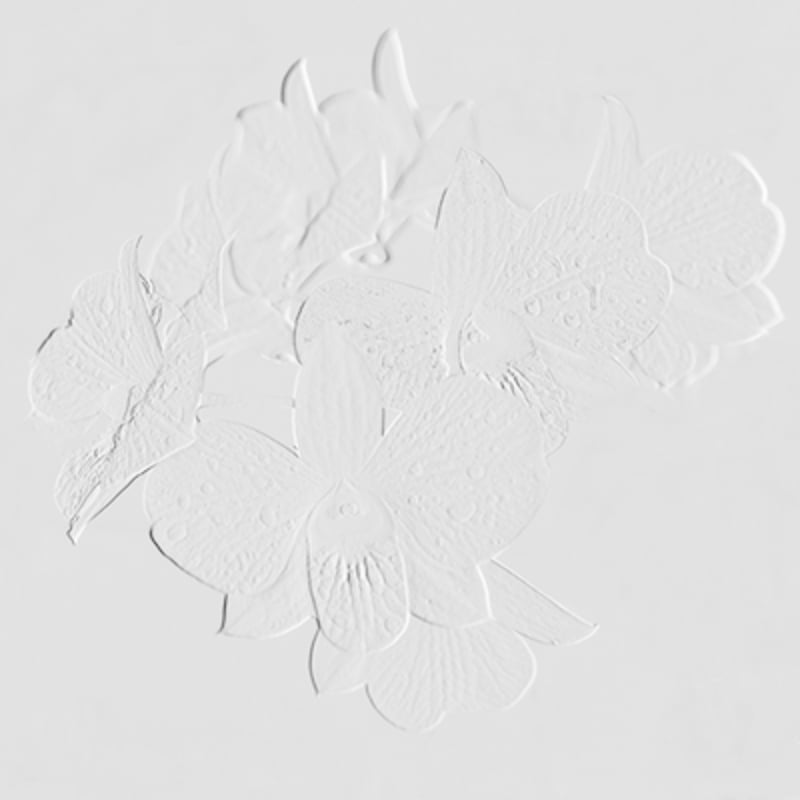
Embossing is a technique used to create raised designs or images on a surface, typically paper. Artists achieve this effect by altering the shape of the paper, often by pressing it from the reverse side using a template and a tool like a sanded dowel. The result is a design with multiple levels of depth, giving a three-dimensional appearance.
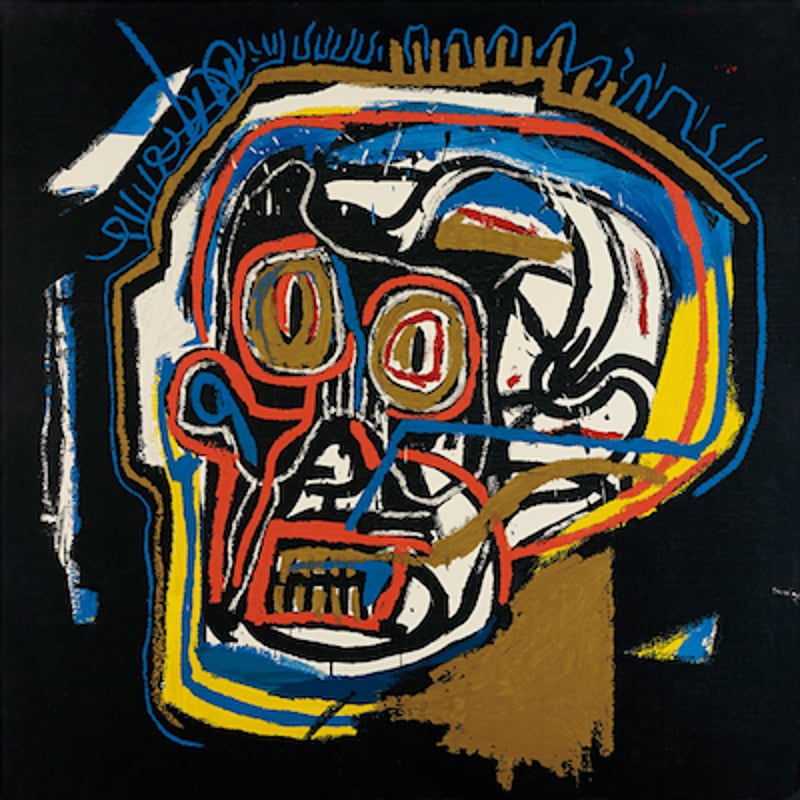
Street Art is artwork created and executed in public spaces, outside of traditional art venues. It gained popularity during the 1980s graffiti art boom and has since evolved into various forms and styles. Common forms of Street Art include pop-up art, sticker art, stencil graffiti, and street installations or sculptures. Terms like guerrilla art, neo-graffiti, post-graffiti, and urban art are often used interchangeably to describe this genre, which challenges conventional ideas about where and how art should be displayed.
Can't find your Answer?
Thank you! Your question has been sent — we'll get back to you shortly.
