
What is a Lithograph?
- Show All
- Established
- Discoveries
- Show All
Artworks Related to Lithograph
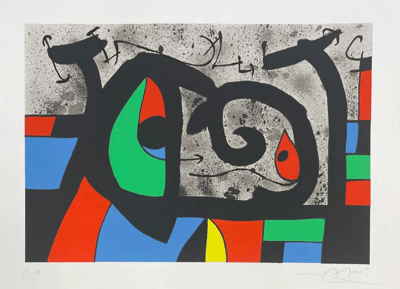
Joan Miró
Le Lezard aux Plumes D'or, 1971
Limited Edition Print
Lithograph
EUR 6,700
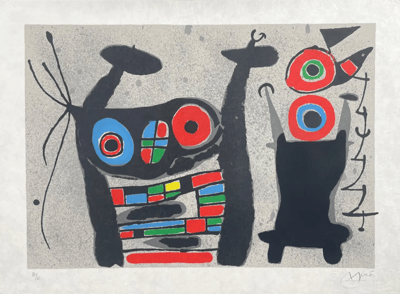
Joan Miró
Le Lezard aux Plumes D'or, 1971
Limited Edition Print
Lithograph
EUR 7,200
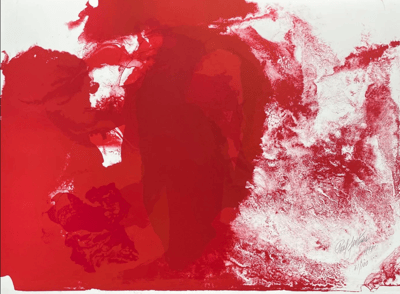
Paul Jenkins
Five Invocations III, 1997
Limited Edition Print
Lithograph
EUR 1,550
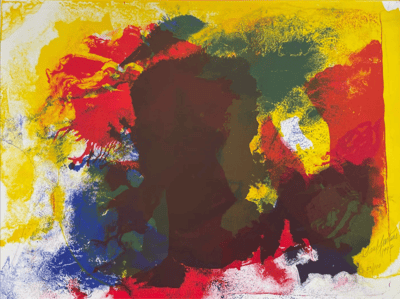
Paul Jenkins
Five Invocations II, 1997
Limited Edition Print
Lithograph
EUR 1,550
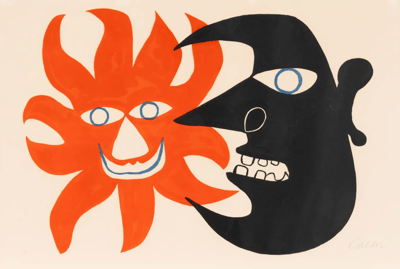
Alexander Calder
Black Moon and Red Sun, ca. 1970
Limited Edition Print
Lithograph
USD 6,900
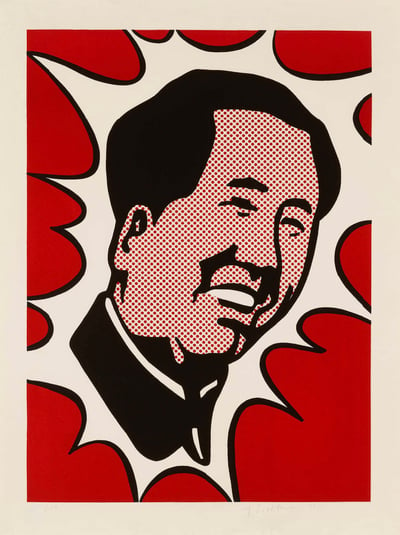
Roy Lichtenstein
Mao, 1971
Limited Edition Print
Lithograph
USD 19,500
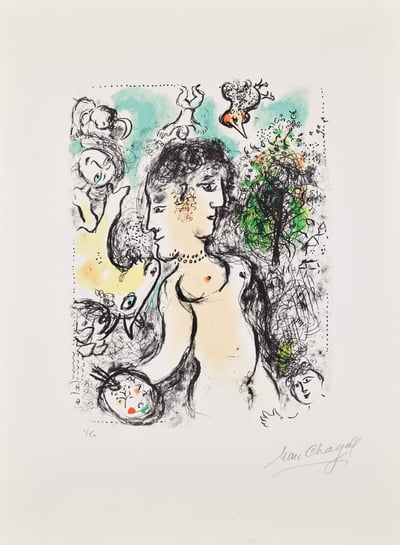
Marc Chagall
Nu au visage double (Nude with a Double Face) (M. 1013), 1983
Limited Edition Print
Lithograph
USD 7,200
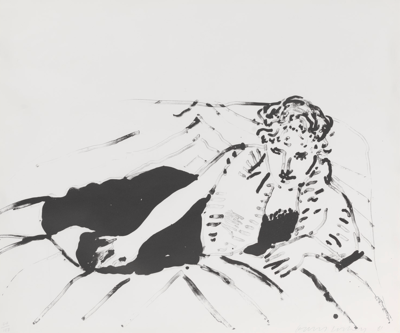
David Hockney
Big Celia Print #1, 1982
Limited Edition Print
Lithograph
USD 65,000 - 75,000
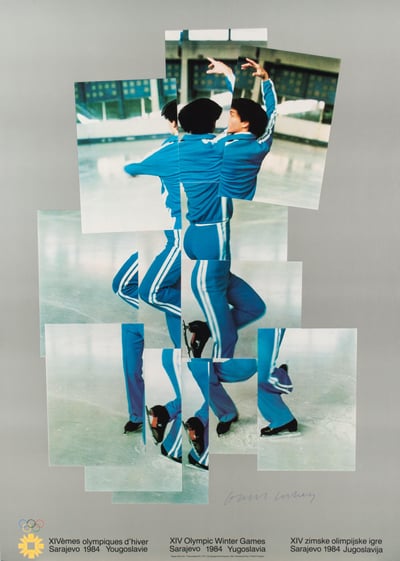
David Hockney
Skater, 1983
Limited Edition Print
Lithograph
EUR 2,400
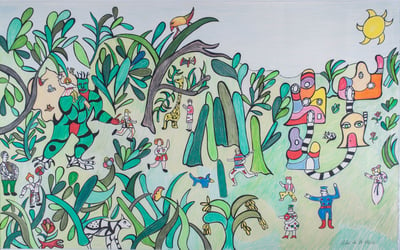
Niki De Saint Phalle
Jungle I, c.1993
Limited Edition Print
Lithograph
EUR 3,600
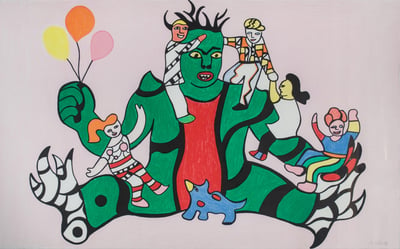
Niki De Saint Phalle
Le Monstre, 1995
Limited Edition Print
Lithograph
EUR 3,000
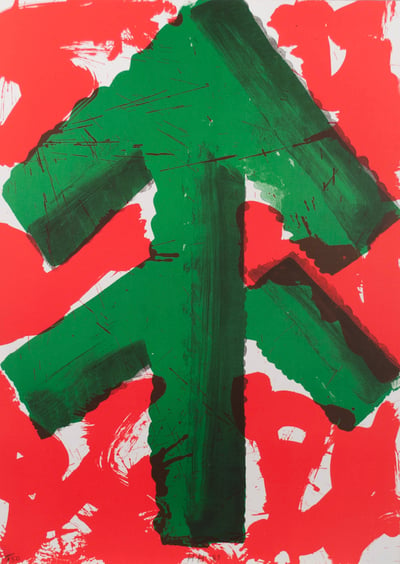
Howard Hodgkin
Welcome, 1983
Limited Edition Print
Lithograph
Inquire For Price
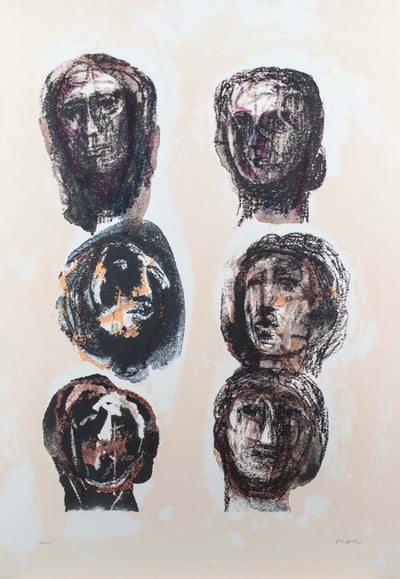
Henry Moore
Six Heads Olympians, 1982
Limited Edition Print
Lithograph
Inquire For Price
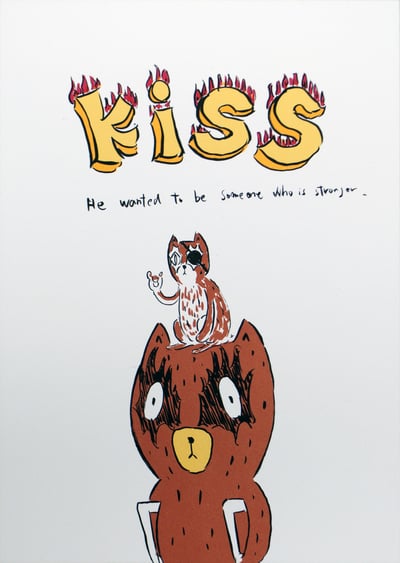
Atsushi Kaga
Kumacchi wanted to be someone else, 2012
Limited Edition Print
Lithograph
EUR 1,300
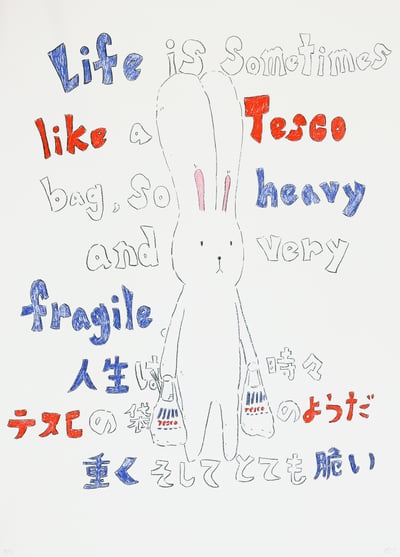
Atsushi Kaga
Usacchi 4, 2024
Limited Edition Print
Lithograph
EUR 3,500
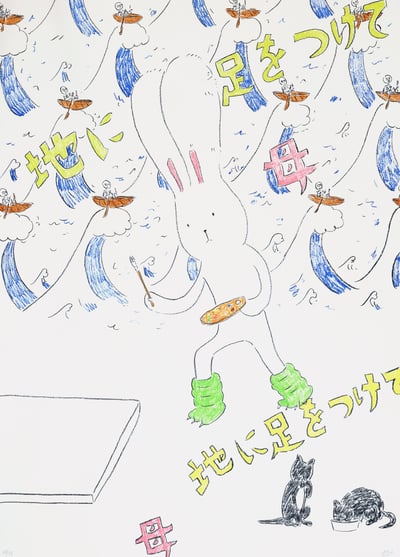
Atsushi Kaga
Usacchi 3, 2024
Limited Edition Print
Lithograph
EUR 3,500
Related Articles
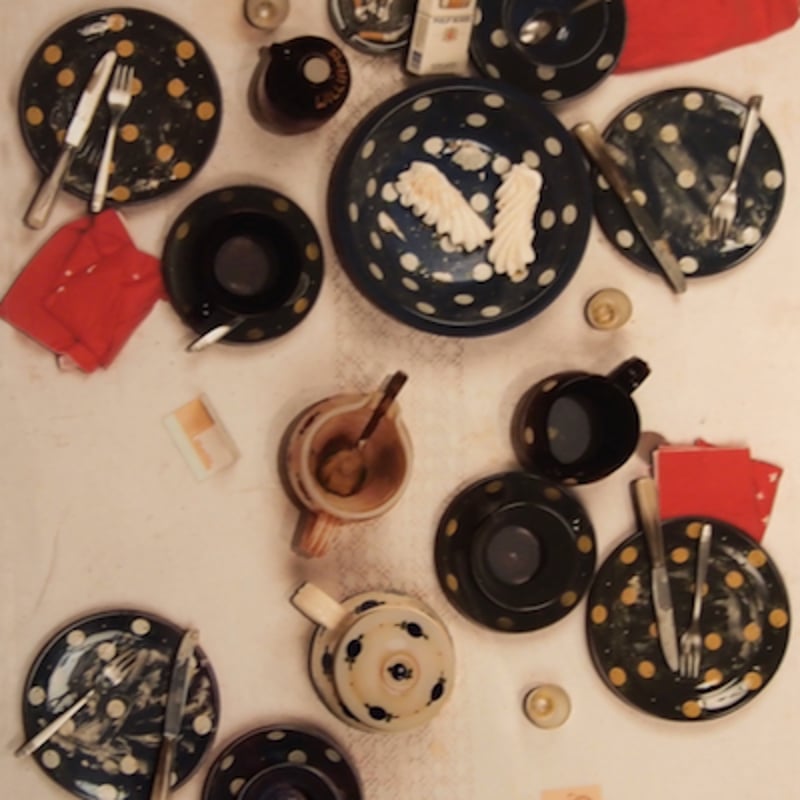
Nouveau Réalisme is an artistic movement founded in 1960 by art critic Pierre Restany and painter Yves Klein during a collective exhibition at a gallery in Milan. Restany wrote the original manifesto in April 1960, proclaiming the movement. In October of that year, nine artists, including Martial Raysse, Yves Klein, Daniel Spoerri, Jean Tinguely, Arman, Pierre Restany, and three Ultra-Lettrists—Jacques de la Villeglé, François Dufrêne, and Raymond Hains—signed the declaration. In 1961, the movement expanded to include Mimmo Rotella, Niki de Saint Phalle, Gérard Deschamps, and César. The movement emphasized a return to reality in art, often incorporating everyday objects and exploring the boundaries between art and life.

A replica is a copy of an artwork that is so precisely made that it is nearly indistinguishable from the original. Artists may create replicas of their own work, or replicas can be produced for educational purposes, preservation, or display when the original cannot be shown. While replicas aim to closely mimic the original, they are usually identified as reproductions rather than original works.
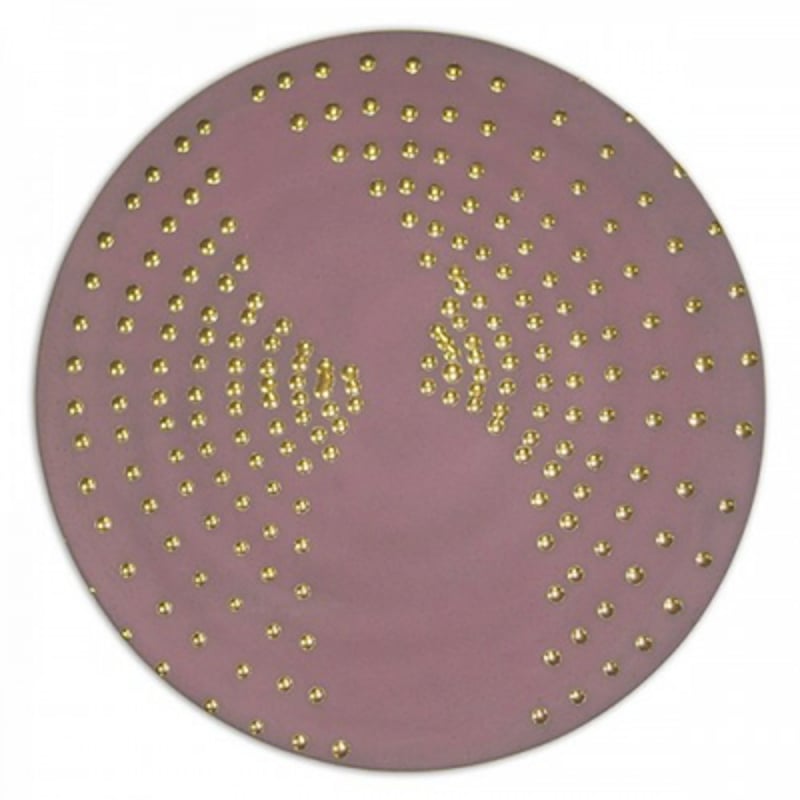
ZERO was an art movement founded by Otto Piene and Heinz Mack, aiming to develop into a large international and cross-border movement. The name ZERO originated from a magazine founded by Heinz Mack in 1957, which became a platform for the group's ideas. The magazine was published for several years before ceasing in 1967. The ZERO movement sought to create a new beginning in art, emphasizing light, space, and movement, and became influential in post-war European art.
Can't find your Answer?
Thank you! Your question has been sent — we'll get back to you shortly.
