
What is contemporary art?
- Show All
- Established
- Discoveries
- Show All
Artworks Related to Contemporary Art
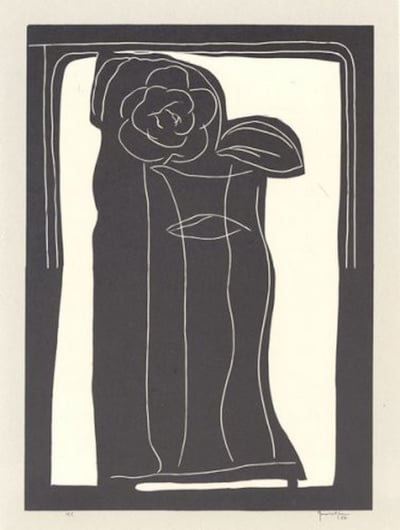
Joan Hernandez Pijuan
Gerro amb flors, 1987
Limited Edition Print
Linocut
Currently Not Available

Donald Sultan
Wall Flower 20, 2008
Limited Edition Print
Screen-print
Inquire For Price
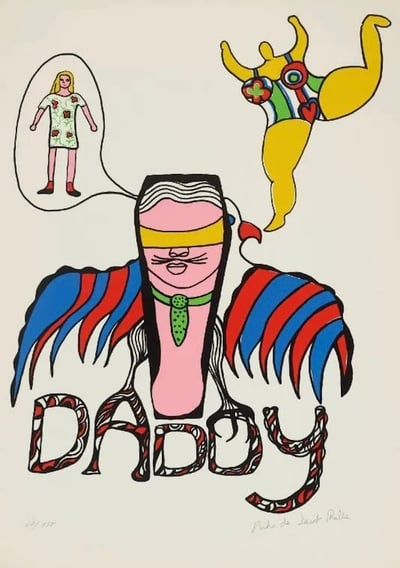
Niki De Saint Phalle
Daddy, 1973
Limited Edition Print
Screen-print
USD 2,350
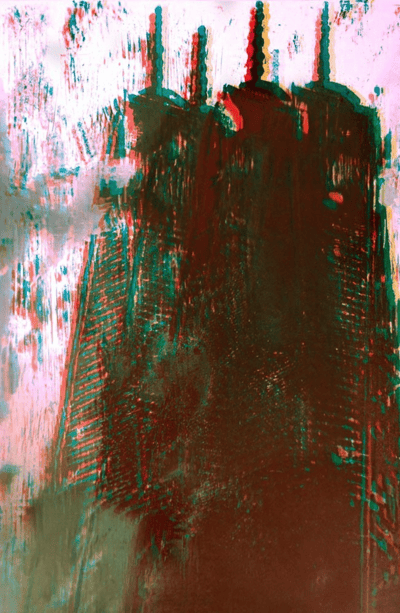
Enoc Perez
Freedom Tower 1, 2017
Limited Edition Print
Lithograph
Currently Not Available
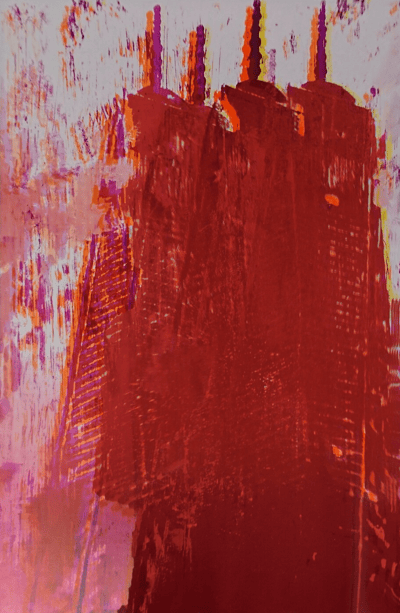
Enoc Perez
Freedom Tower 3, 2017
Limited Edition Print
Lithograph
Currently Not Available
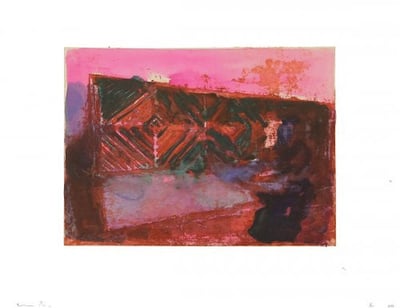
Enoc Perez
Puerto Rico 3G 1/20, 2016
Limited Edition Print
Mixed Media
Currently Not Available

Julian Schnabel
Roy, 1998
Limited Edition Print
Silkscreen
USD 4,800

Julian Schnabel
Guiseppe (Brooding on the vast Abyss), 1998
Limited Edition Print
Silkscreen
USD 4,800

Robert Longo
Men in the Cities, Tokyo, Seibu Department Stores, Ltd. IV (Single Woman), 1990
Limited Edition Print
Lithograph
USD 30,000 - 40,000
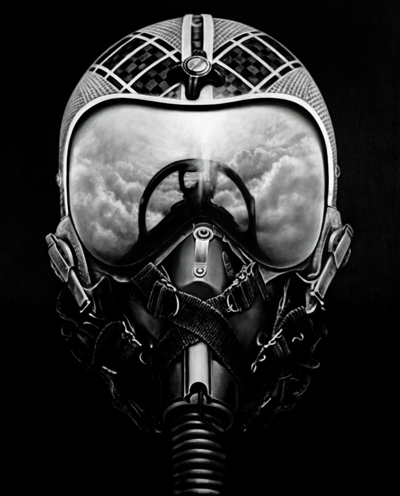
Robert Longo
Iceman X, 2012
Limited Edition Print
Pigment print
USD 25,000 - 30,000
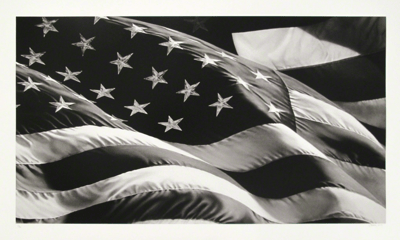
Robert Longo
Untitled (Flag), 2013
Limited Edition Print
Archival Print
USD 12,000
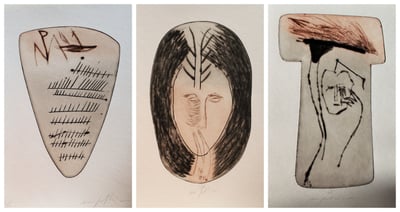
Mimmo Paladino
Hundert tage für salzburg, 1984
Limited Edition Print
Etching and Aquatint
EUR 1,250

Julian Schnabel
Bandini from View of Dawn in the Tropics Series, 1998
Limited Edition Print
Silkscreen
USD 4,700
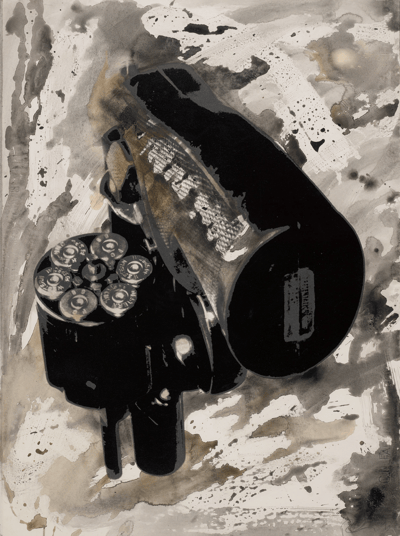
Robert Longo
Untitled (Gun), from the Hope and Optimism Portfolio, 1993
Limited Edition Print
Screen-print
USD 17,800

Julian Opie
Medieval Village 4, 2019
Limited Edition Print
Mixed Media
USD 4,400
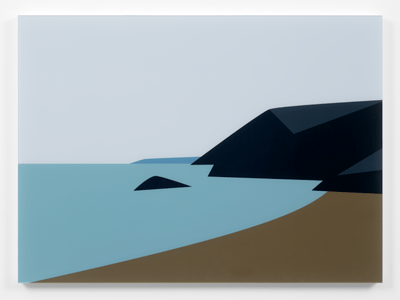
Julian Opie
Cornish Coast 2: Lantivet Bay, 2017
Limited Edition Print
Mixed Media
USD 7,800
Related Articles

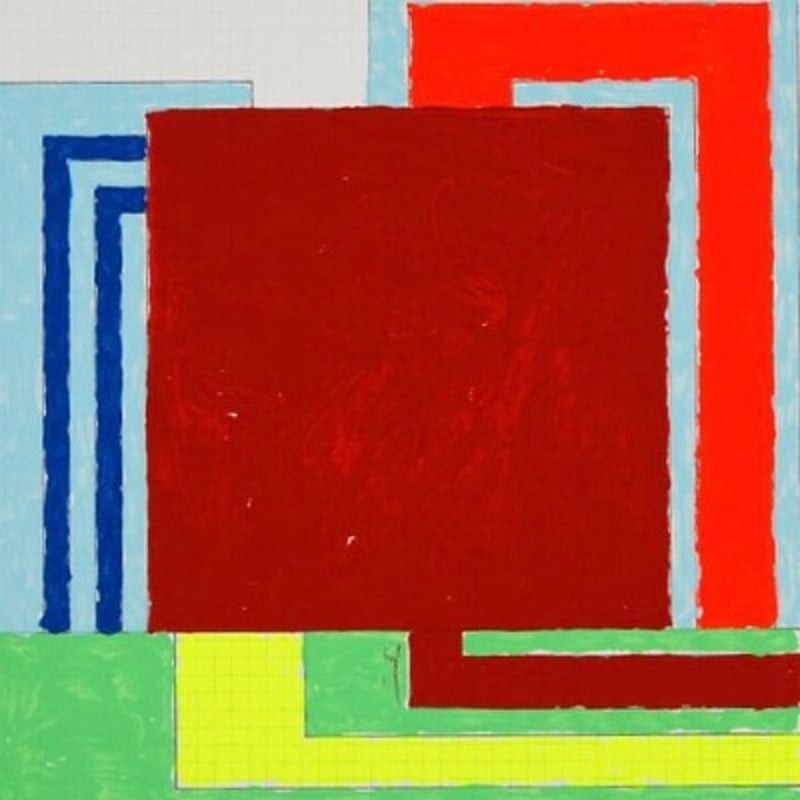
Known as Neo-Geo for short, this movement uses geometric objects and shapes to create abstract artwork as a metaphor for society. Inspired by various 20th-century art styles, including minimalism and pop art, Neo-Geo emerged in the 1980s as a response to the industrialization and commercialization of the modern world. The movement reflects on the impact of mass production, consumerism, and technology, often critiquing the superficiality of contemporary culture through its abstract, geometric compositions.

A silver gelatin print is a type of photographic print made using the silver process. In this process, photographic materials such as black and white films and printing papers are coated with a light-sensitive emulsion of silver salts suspended in gelatin. This emulsion is applied to a support, which could be flexible plastic, glass, resin-coated paper, or baryta paper. The materials are light-sensitive and remain stable under normal storage conditions, making them ideal for long-term preservation.
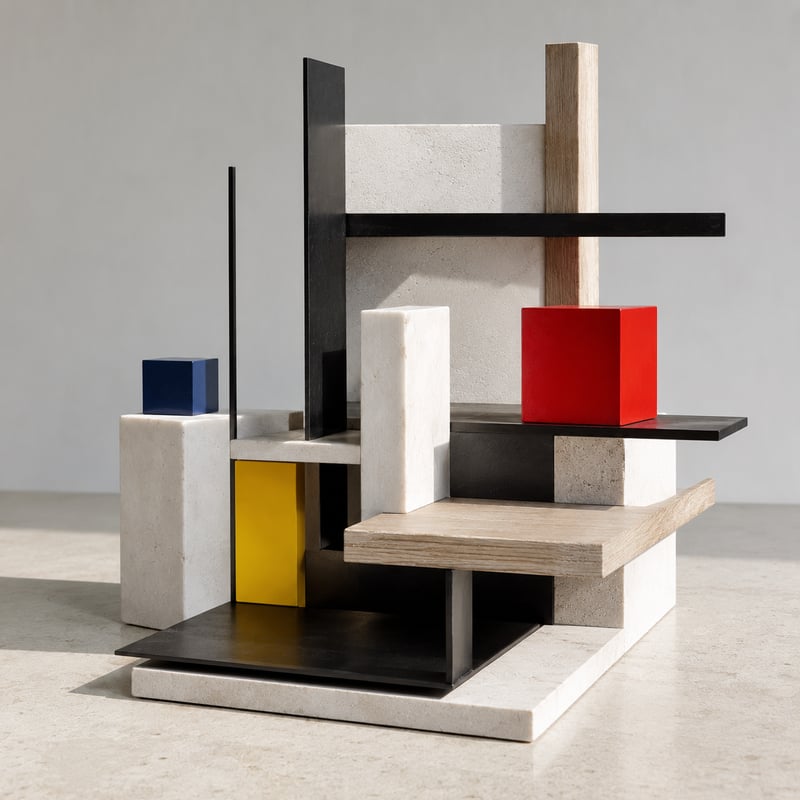
De Stijl, meaning The Style, was a group of Dutch artists who created abstract art based on strict adherence to vertical and horizontal geometry. The group was founded by Piet Mondrian and Theo van Doesburg in 1917. Mondrian eventually left De Stijl when Van Doesburg began incorporating diagonal geometry into his work, which Mondrian felt deviated from the group's principles.
Can't find your Answer?
Thank you! Your question has been sent — we'll get back to you shortly.
