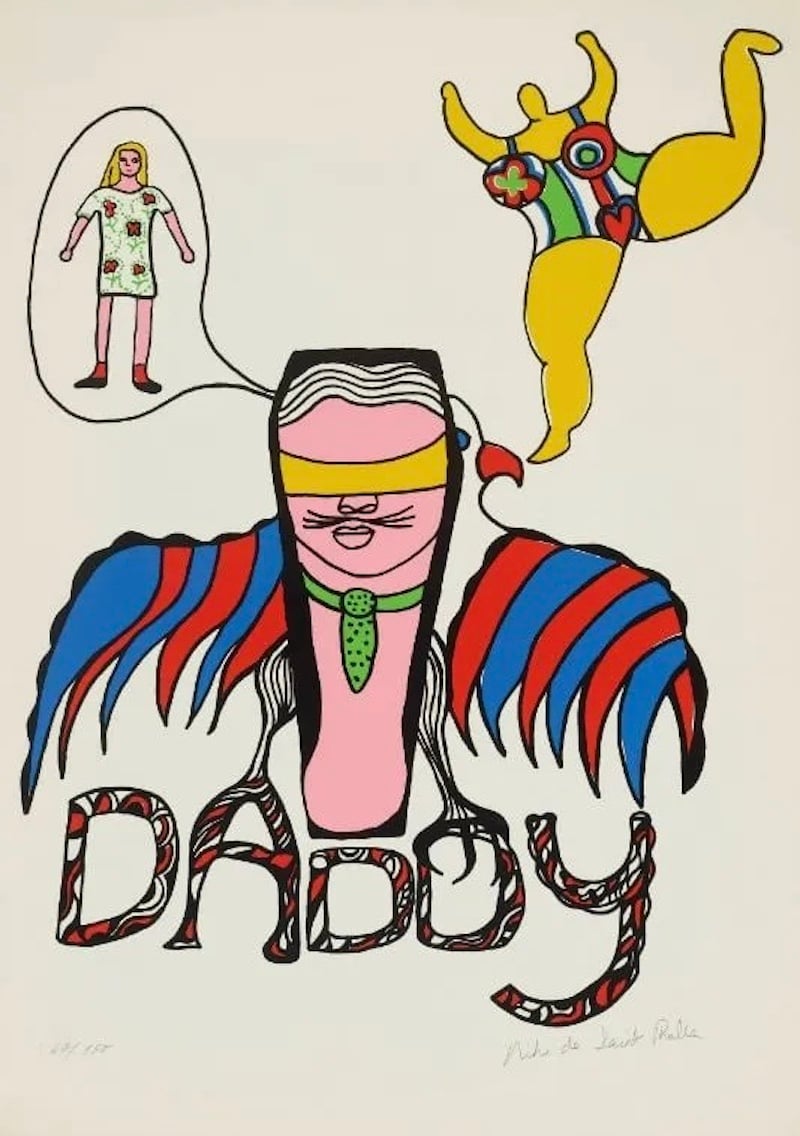
Daddy, 1973
Form
Medium
Size
- Inches
- Centimeters
Edition
Price
- USD
- EUR
- GBP
- CHF
- Authenticity Guaranteed
- Insured Shipping
- Online Since 2005
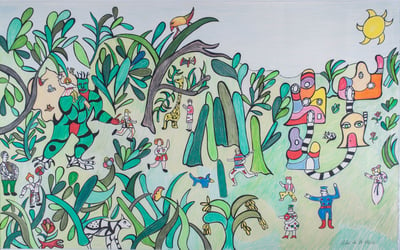
Niki De Saint Phalle
Jungle I, c.1993
Limited Edition Print
Lithograph
EUR 3,600
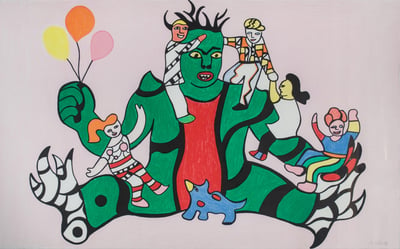
Niki De Saint Phalle
Le Monstre, 1995
Limited Edition Print
Lithograph
EUR 3,000
Niki De Saint Phalle
Daddy, 1973
Limited Edition Print
Screen-print
USD 2,350
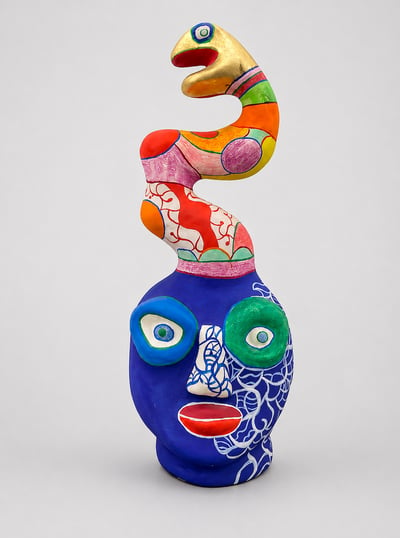
Niki De Saint Phalle
Kundalini, 1995
Sculpture / Object
Resin
Currently Not Available
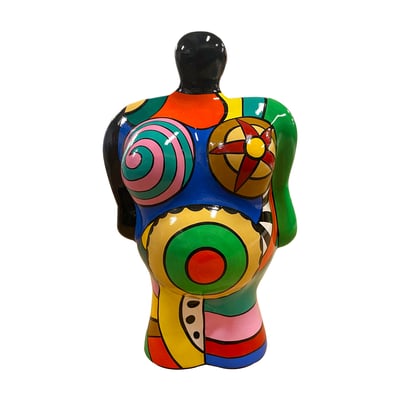
Niki De Saint Phalle
California Nana Vase, 2000
Sculpture / Object
Resin
Currently Not Available
Related Artists
Related Articles
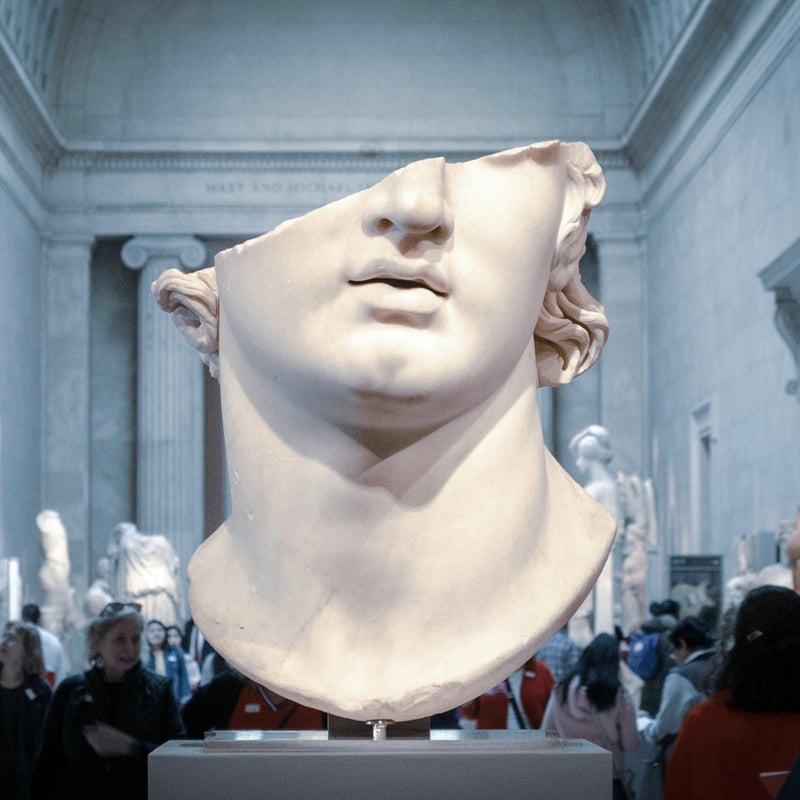
Popular, Collecting - July 23, 2025
Sculpture Care and Display: From Plinths to Pedestals in Your Home
Learn how to display and care for sculpture at home—from lighting tips to material care—so your art can truly shine in any space.Read More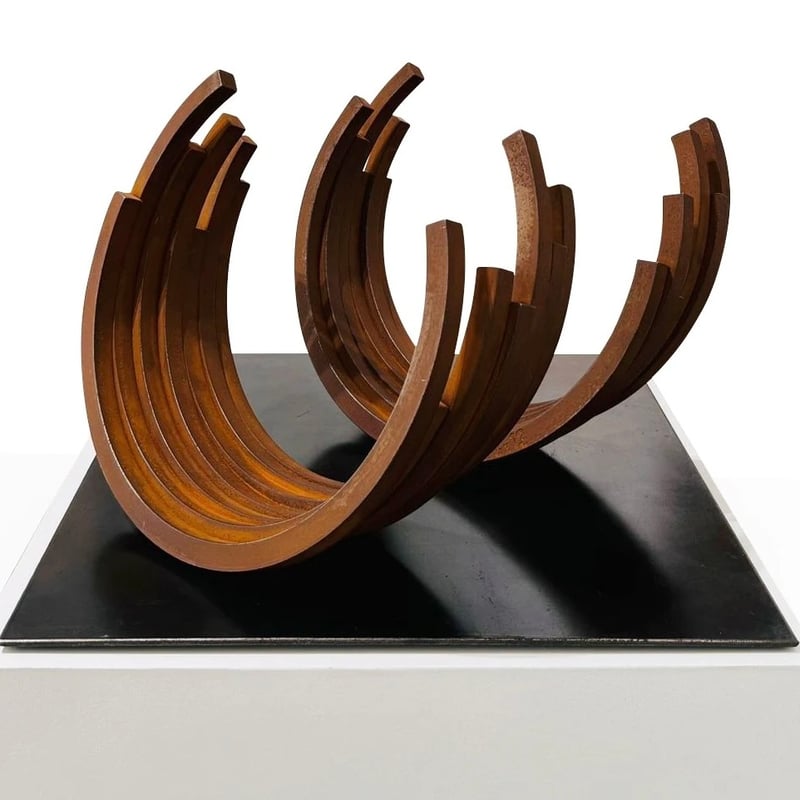
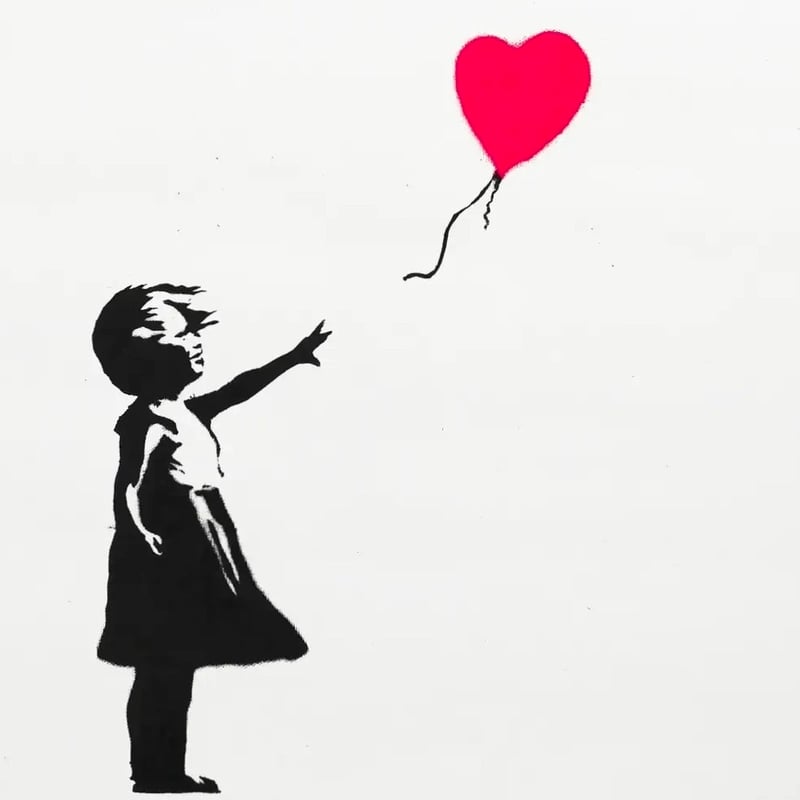

What is contemporary art?
Contemporary art refers to avant-garde or innovative art created in the recent past or present day. The exact starting point of contemporary art varies depending on the institution, often tied to the founding year of museums or galleries that showcase the style. Contemporary art is characterized by its focus on current ideas, diverse media, and the exploration of new concepts and techniques.

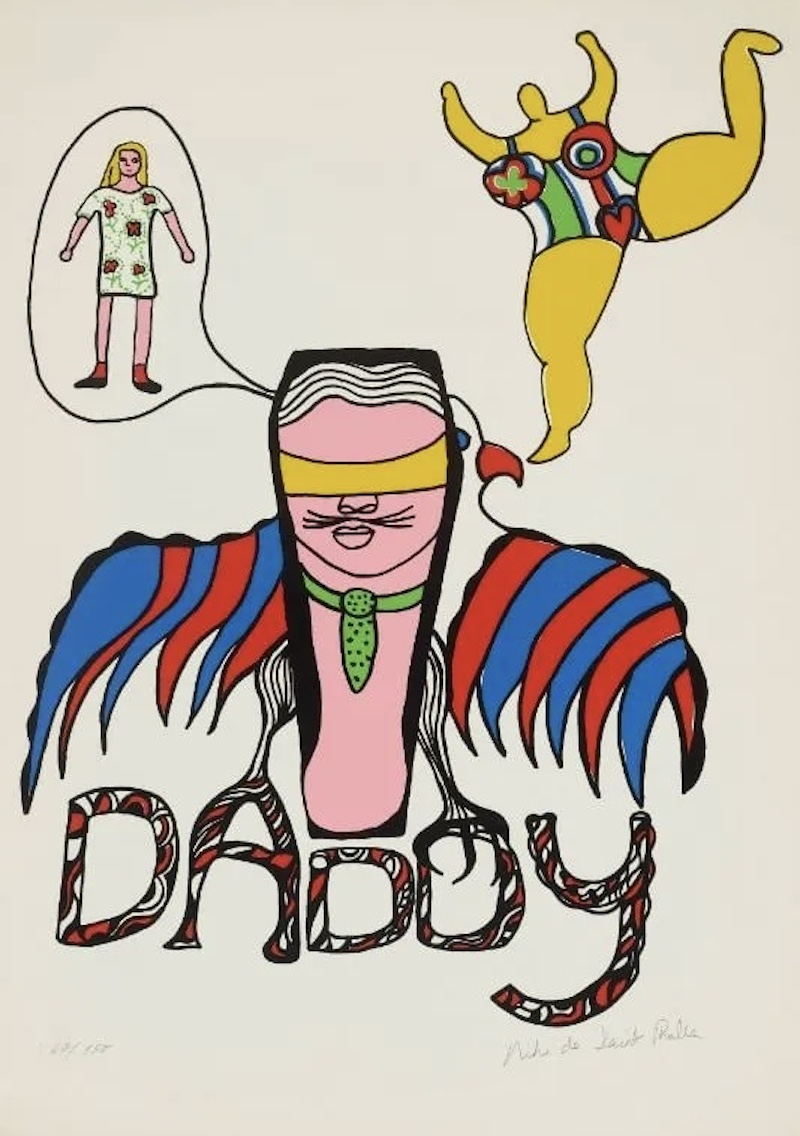
Niki De Saint Phalle
Daddy, 1973
59.1 x 83.8 cm


